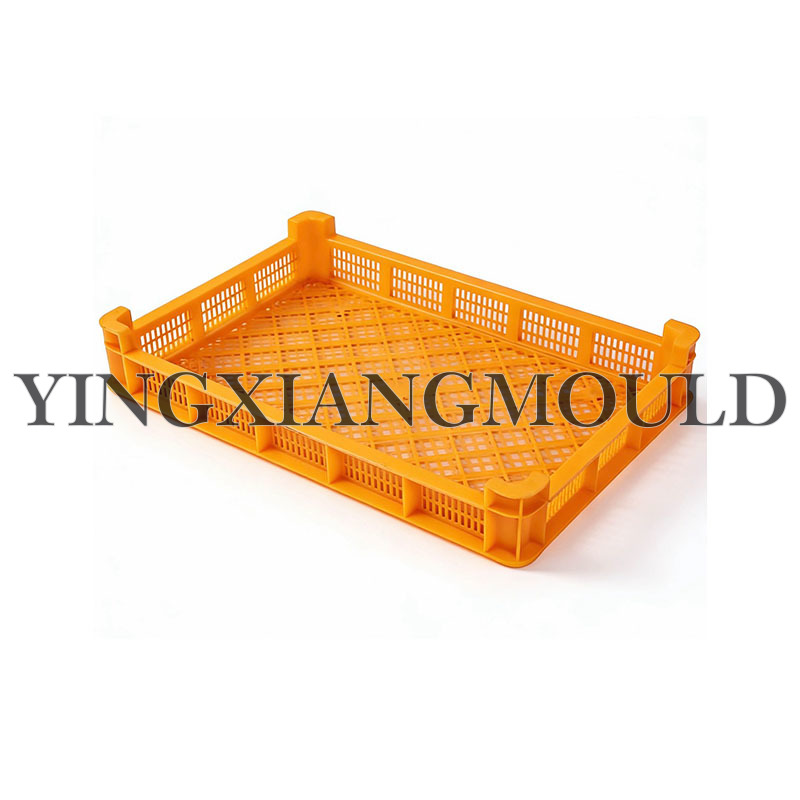
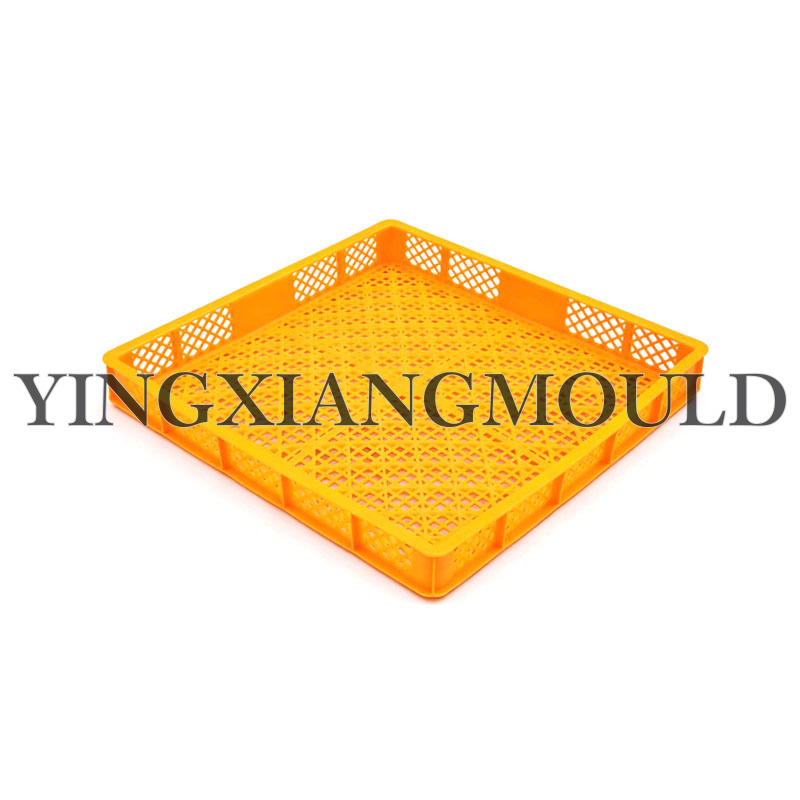
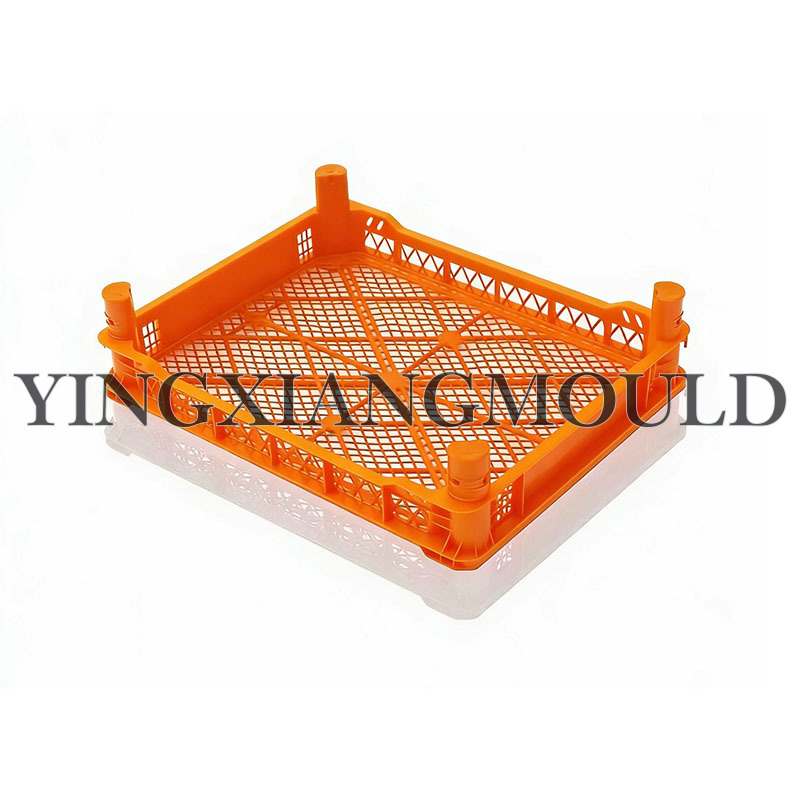
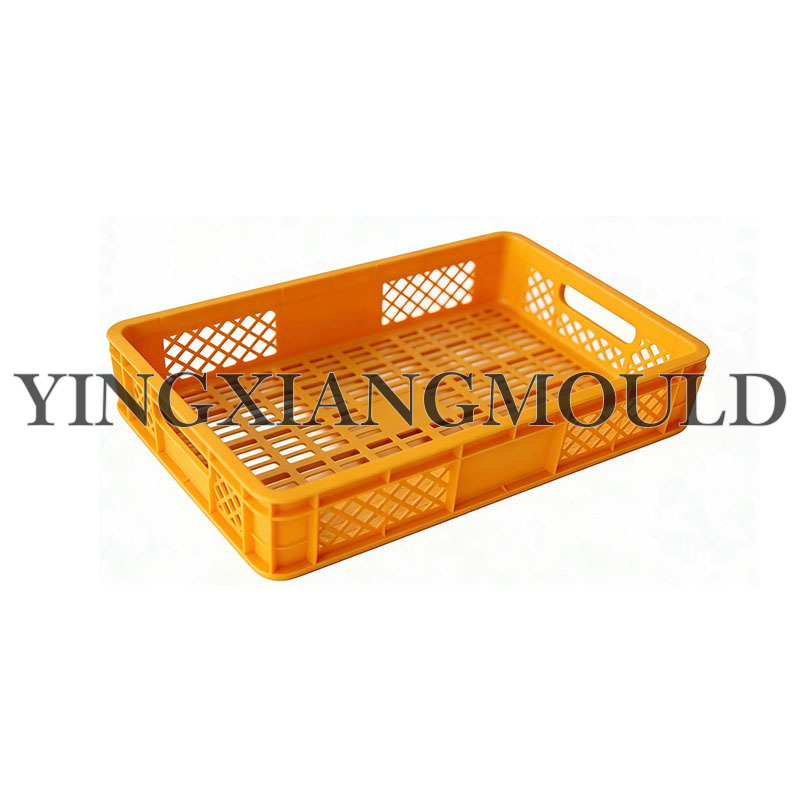
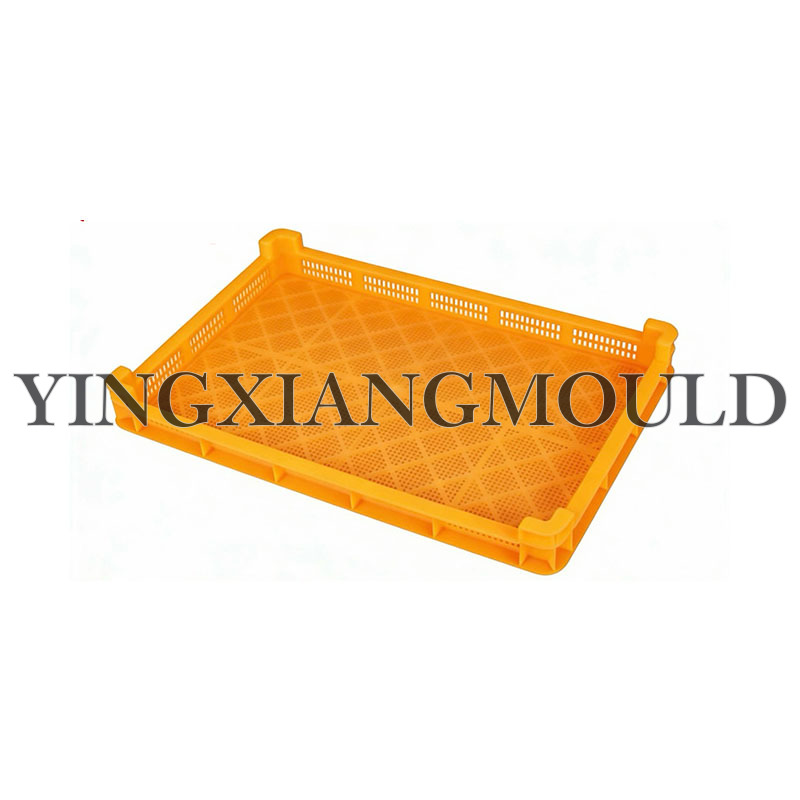
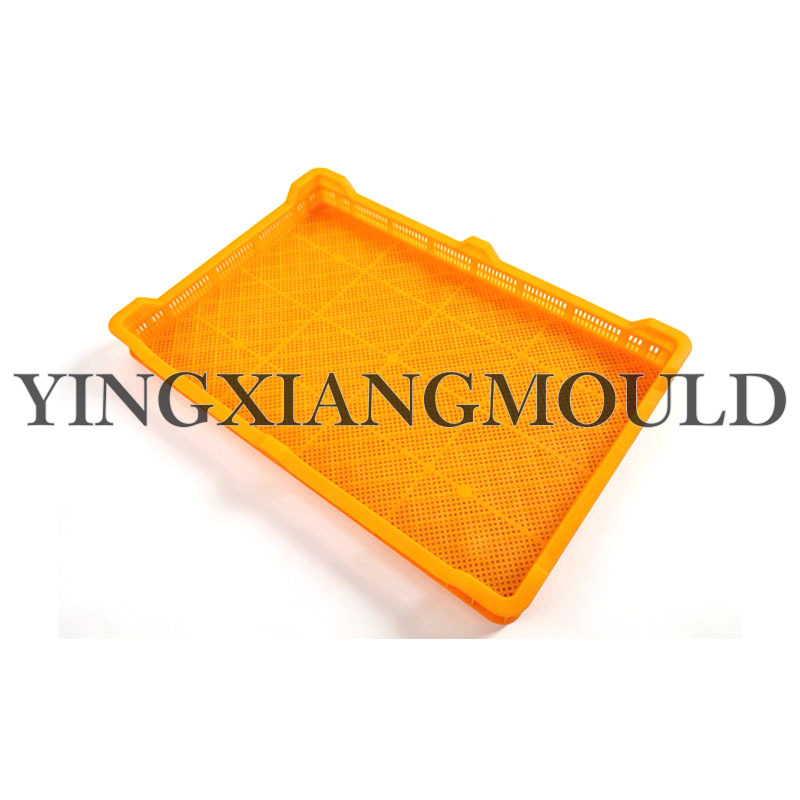
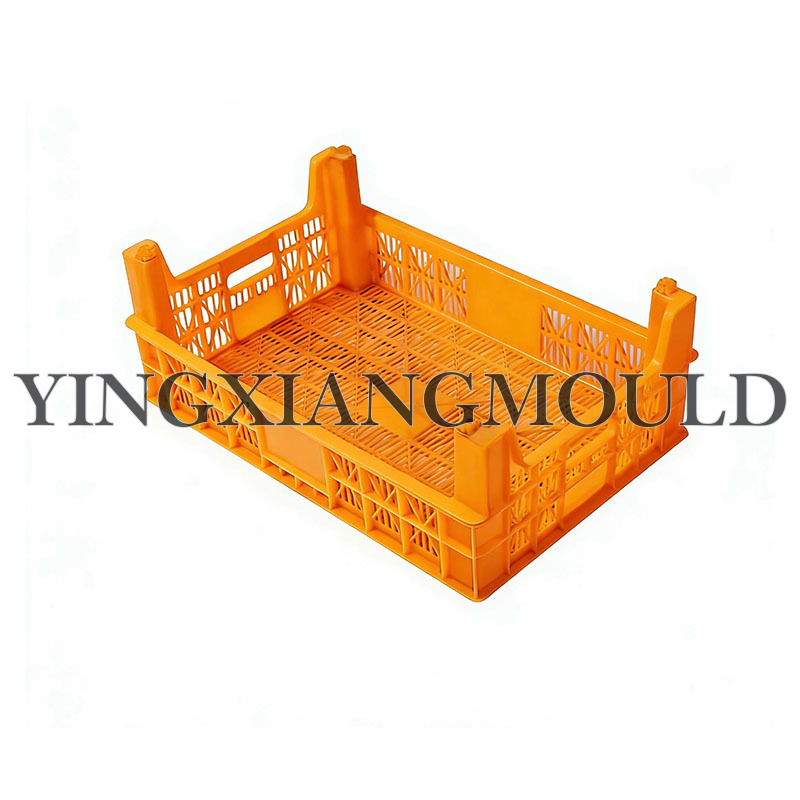
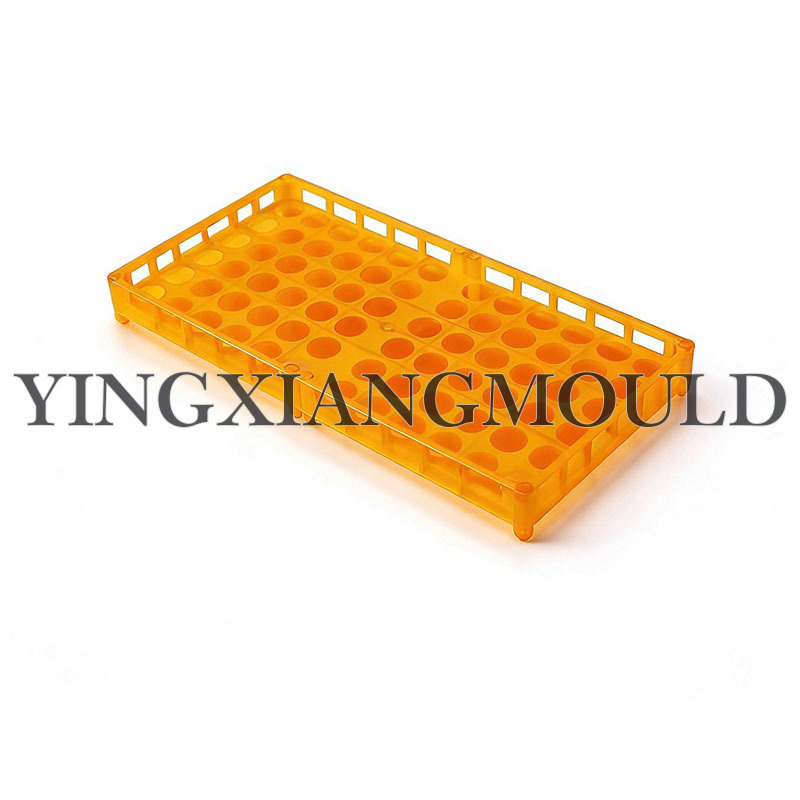
Pallet molds are large industrial molds specifically designed for injection molding plastic pallets. Compared to molds for smaller items like fruit baskets and crates, pallet molds are significantly larger—finished pallets are typically 1200×1000mm or 1200×800mm (European standard), and the molds themselves weigh from several tons to over ten tons, generally requiring injection molding machines with a tonnage of 1,600 tons or more, with some double-sided pallets requiring clamping forces of over 3,500 tons.
Pallet molds fall into two main structural categories: integral molds (producing a single, complete pallet in one mold) and modular molds (where the upper and lower halves are injection molded separately and then welded or joined, suitable for situations where clamping force is limited). Different pallet structures (nine-legged, three-way, four-way) determine the complexity of the mold cavity and the design of the demolding mechanism.
Application Scenarios of Pallet Molds
- Warehousing & Logistics & 3PL: Standard pallets are the basic storage units in WMS systems. Plastic pallets are superior to wooden pallets in terms of moisture and insect resistance and dimensional consistency, making them suitable for automated warehouses.
- Food & Cold Chain: FDA/LFGB certified HDPE pallets are resistant to low temperatures (-40°C), easy to clean, and non-absorbent, making them a mandatory requirement in fresh produce, dairy, and meat processing workshops.
- Pharmaceutical & Cleanroom: Cleanroom-grade pallets have a smooth surface, are splinter-free, and do not generate dust, meeting GMP environmental requirements. They are mostly made of anti-static PP material.
- Export Packaging: Plastic pallets do not require ISPM-15 fumigation and quarantine treatment, significantly simplifying export procedures and making them the preferred alternative to wooden pallets for export.
- Manufacturing & Heavy Industry: C-shaped or lattice-shaped heavy-duty pallets (static load 3-6 tons) are used for handling heavy goods such as automotive parts, metal parts, and chemical drums, in conjunction with forklifts and roller conveyors.
- Recycling Platform: Pallet pooling companies require large-scale, self-produced, standardized, and easily repairable pallets. Developing their own molds is the core way to reduce the cost per pallet.
Purchasing Rationale – Why Develop Molds Instead of Directly Purchasing Finished Pallets?
- Non-Standard Sizes & Custom Structural Requirements
Automated production lines, special shelving, and AGV docking often require non-standard pallets (e.g., 1100×1100mm, irregular forkholes); when standard products cannot meet these requirements, customized molds are the only solution.
- Proactive and Controllable Compliance Certification
The food and pharmaceutical industries require pallets to have FDA/LFGB/RoHS certifications, and records must be kept for everything from raw material selection and colorants to molding processes; owning molds allows for control over compliance risks from the source.
- Rapid Replenishment, Reduced Inventory Pressure
With molds in hand, replenishment orders only require the injection molding cycle (usually 7-20 days), reducing safety stock by 40-60% compared to relying on external suppliers.
- Material formulation is independently controllable
Functional masterbatches such as antistatic agents, flame retardants, and UV stabilizers can be added as needed to customize special-function pallets. Finished pallets of corresponding specifications are scarce in the market and command high premiums.
- Molds are depreciable fixed assets.
Molds can be recorded as fixed assets and depreciated annually. This is more financially advantageous than continuously purchasing finished products, and the ownership of the mold belongs to the buyer, allowing for transfer to another factory for production.
Purchasing Tips: Due to the large size and high tonnage of the injection molding machine required for pallet molds, it is recommended to confirm the maximum clamping force of the supplier's injection molding machine during the inquiry stage to avoid running out of machines after mold completion.
Frequently Asked Questions
What are the core differences in purchasing decisions between plastic pallet molds and wooden pallets?
Wooden pallets do not require mold investment, resulting in a lower starting point, but they are susceptible to water absorption and deformation, pest infestation, and export requires compliance with ISPM-15 fumigation and quarantine requirements, increasing operating costs. Plastic pallet molds are a one-time asset investment, suitable for buyers with specific needs for pallet size consistency, hygiene standards, or export convenience. The two are not directly interchangeable; the core decision lies in the annual usage scale and compliance requirements of the application scenario.
What are the requirements for injection molding equipment for pallet molds, and what do buyers need to confirm in advance?
There are three core parameters:
- ① Clamping force—A standard 1200×1000mm pallet typically requires 2,000~3,500 tons. Buyers must confirm whether their own or outsourced injection molding machine meets this requirement;
- ② Mold platen size (tie bar spacing)—The mold's external dimensions must be able to fit into the injection molding machine's mold platen;
- ③ Injection volume—Large pallets weigh approximately 8~18kg per piece, requiring sufficient barrel capacity.
Before confirming the mold quotation, it is recommended to send the equipment parameter table to the factory for verification to avoid incompatibility later.
Which forklift structure should you choose: a nine-legged, a three-way forklift, or a grid-type forklift?
The choice depends primarily on two factors: the forklift's fork entry direction and load-bearing requirements. The nine-legged forklift offers the highest flexibility, suitable for light to medium loads in general warehousing. The three-way forklift offers high longitudinal strength, suitable for heavy-duty unidirectional handling scenarios. The grid-type forklift can bear loads on both sides, offering the highest strength, but also the heaviest (approximately 18-25 kg), suitable for heavy-duty applications and frequent turnover.
What aspect do buyers most easily overlook during pallet mold acceptance?
The most frequently overlooked are stacking stability testing and forkhole fit verification. After dimensions and appearance are approved, many buyers do not require a full-load stacking (e.g., 4 layers × rated load) static test, leading to stacking deformation problems only discovered after mass production. If the forkhole width and height do not match the actual forklift forks, it can cause difficulty in fork entry or pallet cracking.



 English
 Español