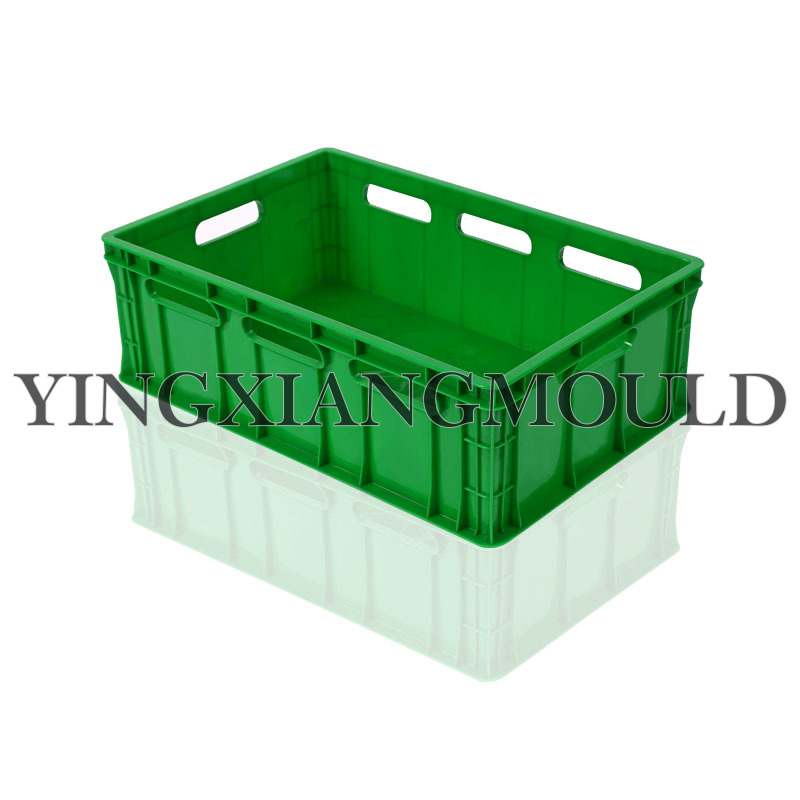
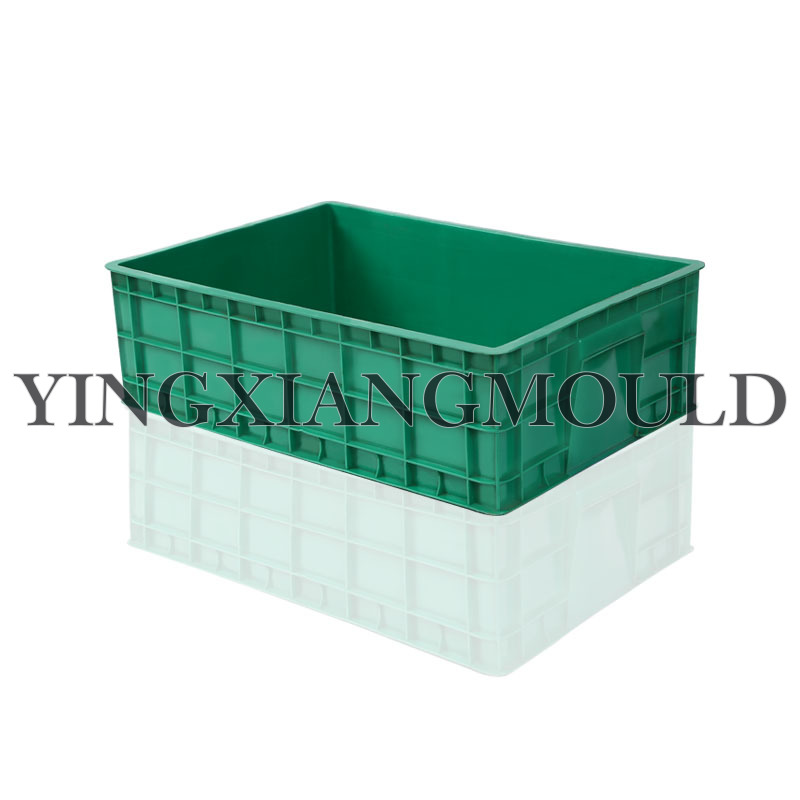
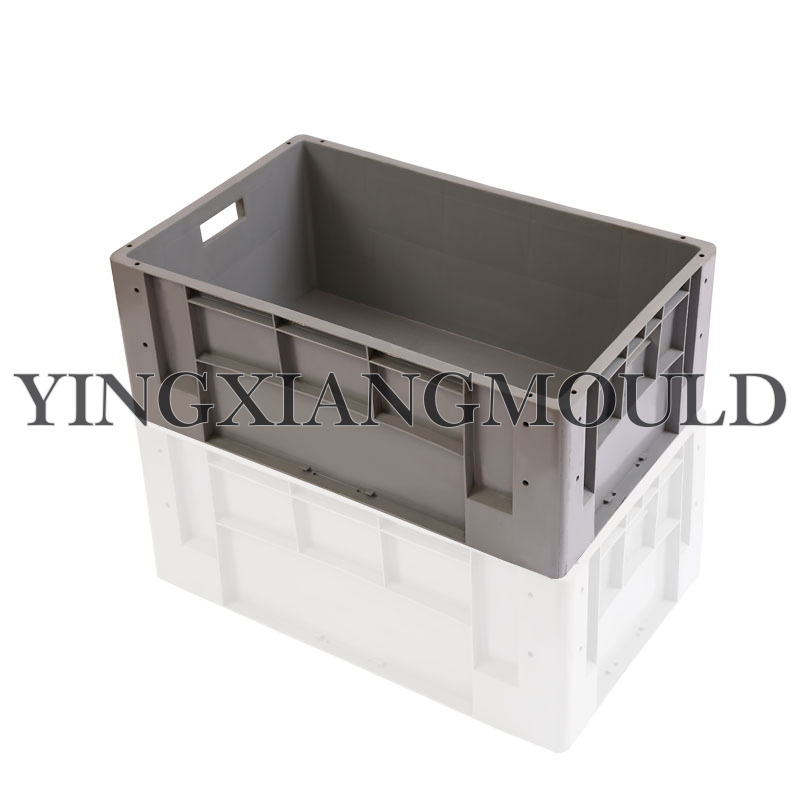
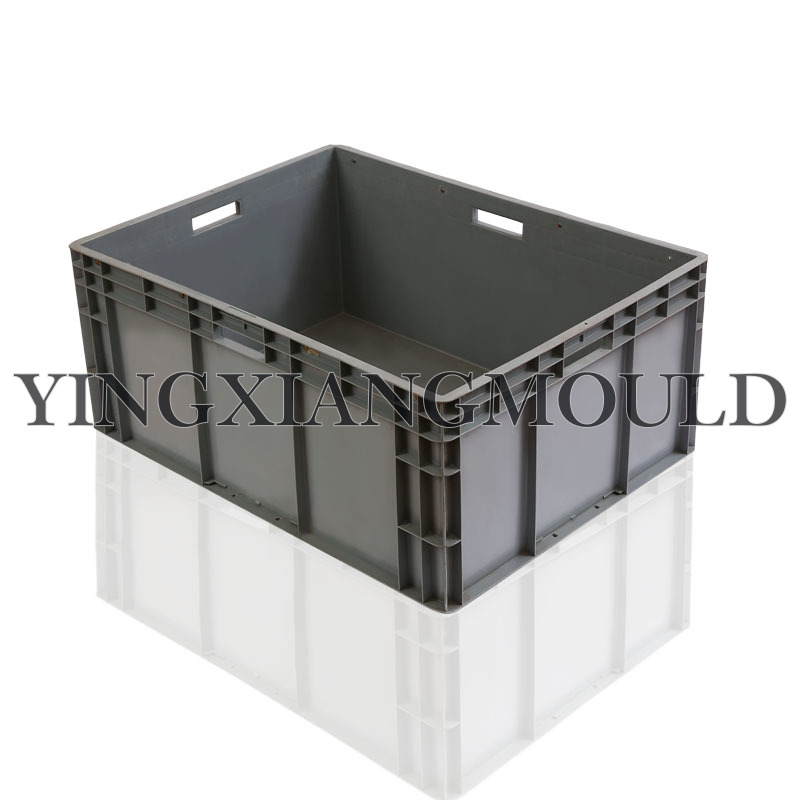
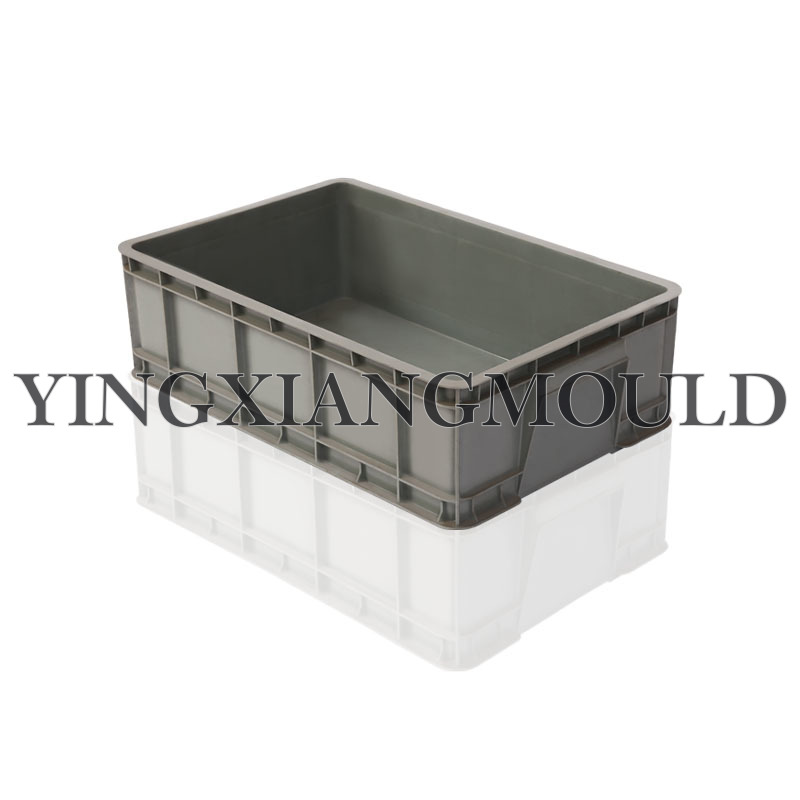
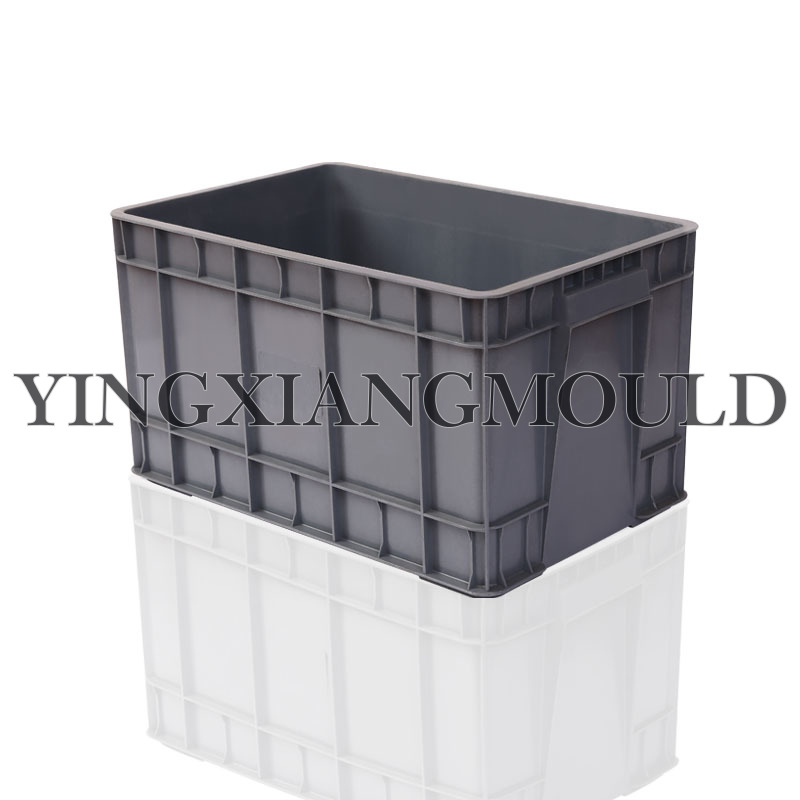
Integral box mould, also referred to as one-piece box mould, is a type of precision mould designed with an integrated structure that combines the mould cavity, core, and auxiliary components into a single unit. Unlike split moulds that require assembly of multiple separate parts, integral box mould features a seamless design that reduces assembly errors and enhances structural stability. This integrated structure is particularly suitable for producing box-shaped products with high dimensional accuracy, smooth surfaces, and complex internal structures.
The core advantages of the integral box mould lie in its high precision and operational efficiency. The integrated design eliminates the gaps and misalignments that may occur in split moulds, ensuring that the produced box products have consistent dimensions and tight fits. Additionally, the simplified structure reduces the time required for mould assembly and disassembly, shortens the production cycle, and lowers labour costs. For manufacturers, this means improved production capacity and reduced waste, which is crucial in the competitive modern manufacturing environment.
The development and application of integral box moulds rely on a combination of precision design, advanced materials, and sophisticated manufacturing processes. In the design phase, engineers use CAD/CAE/CAM integrated technology to simulate the moulding process, optimise the mould structure, and predict potential issues such as material flow, cooling uniformity, and product deformation. This digital design approach helps reduce the number of trial runs and improve the success rate of mould development.
Material selection is another key factor in ensuring the performance of the integral box mould. High-strength mould steel, such as S136H mirror steel and P20H, is commonly used for the mould cavity and core due to its excellent wear resistance, corrosion resistance, and heat resistance. For specific applications, composite materials or special alloys may be adopted to meet the requirements of high-temperature, high-pressure, or corrosive working environments. In the manufacturing process, precision machining technologies such as CNC milling, EDM (Electrical Discharge Machining), and laser processing are employed to achieve micron-level machining accuracy, ensuring that the mould structure meets the design standards.
Another critical technology in integral box mould production is the surface treatment process. Techniques such as nitriding, chrome plating, and plasma spraying are used to enhance the surface hardness and smoothness of the mould, extending its service life and improving the surface quality of the produced box products. For moulds used in plastic injection, additional technologies such as hot runner systems and 3D cooling channels are integrated to optimise material flow and cooling efficiency, further improving production quality and efficiency.



 English
 Español
 QUICK LINKS
 FACTORY ADDRESS
 CONTACT INFORMATION