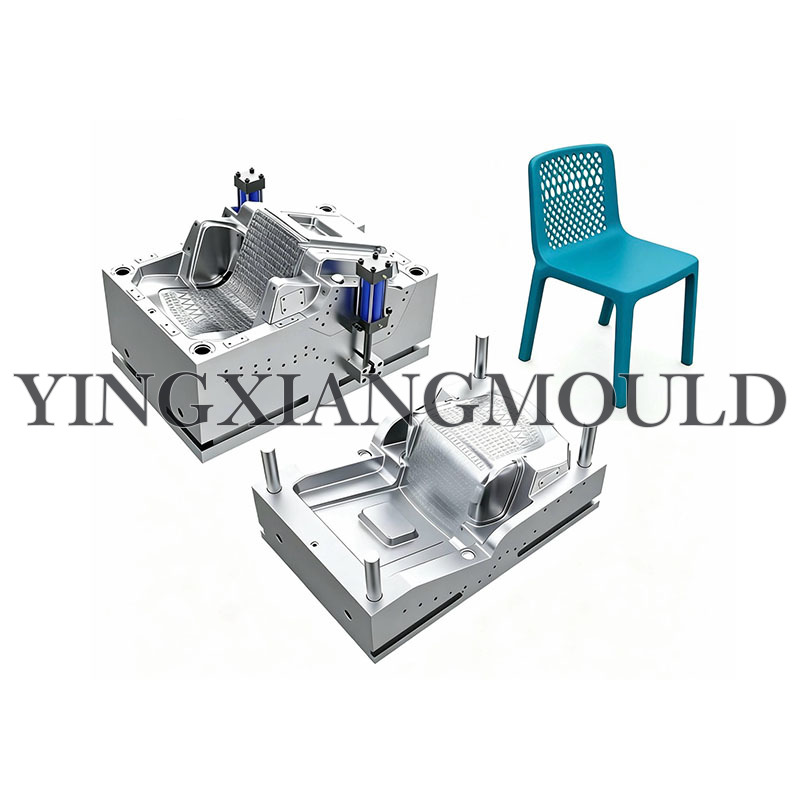
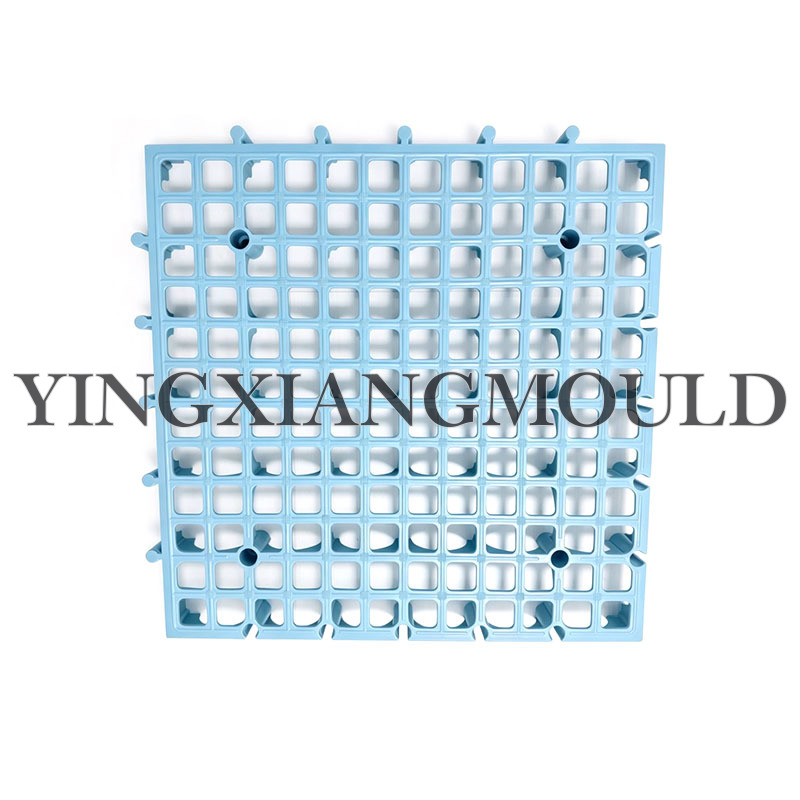
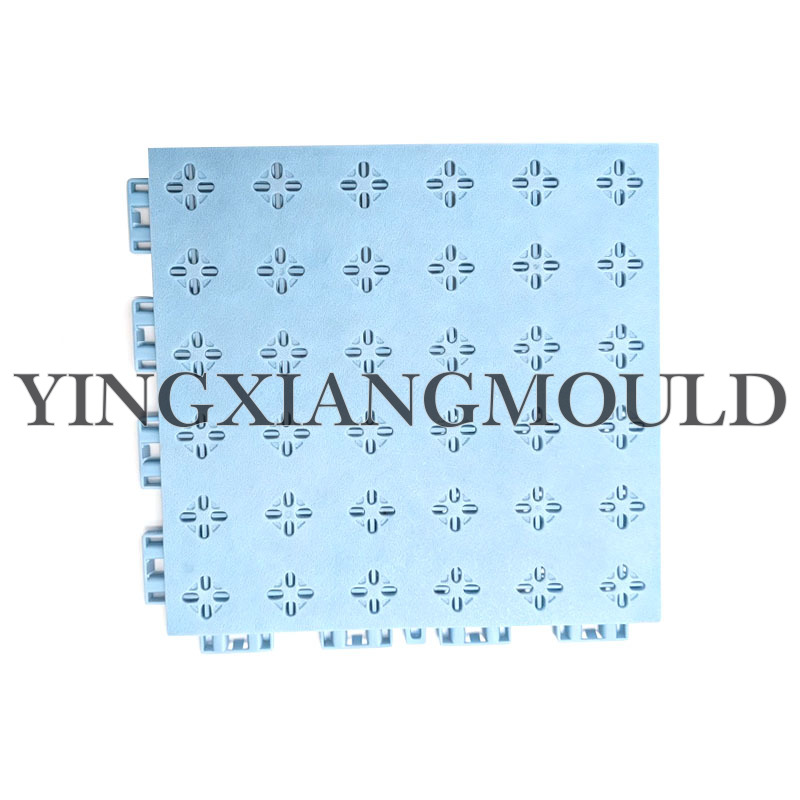
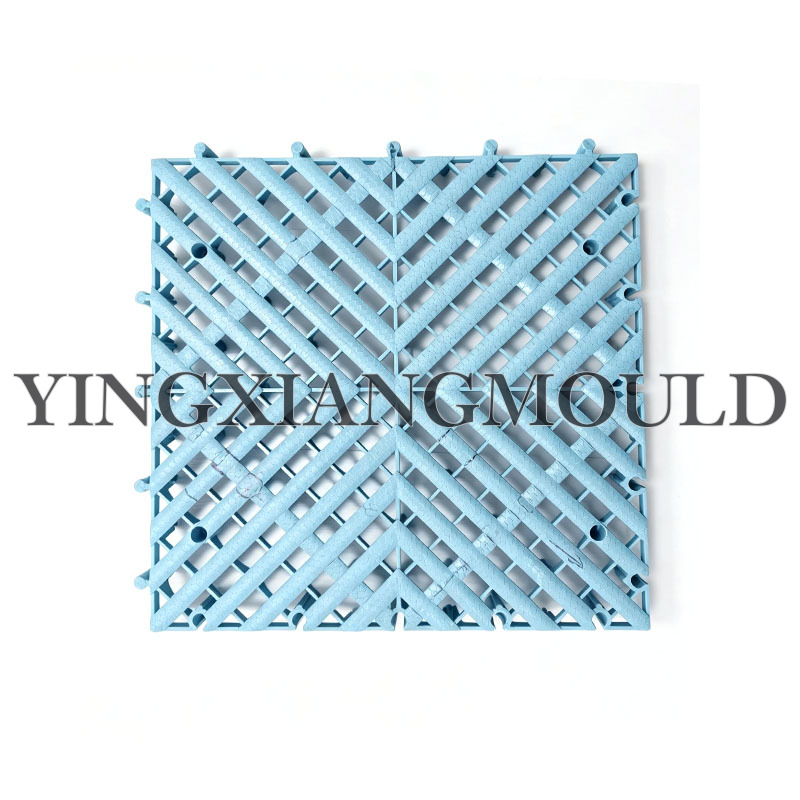
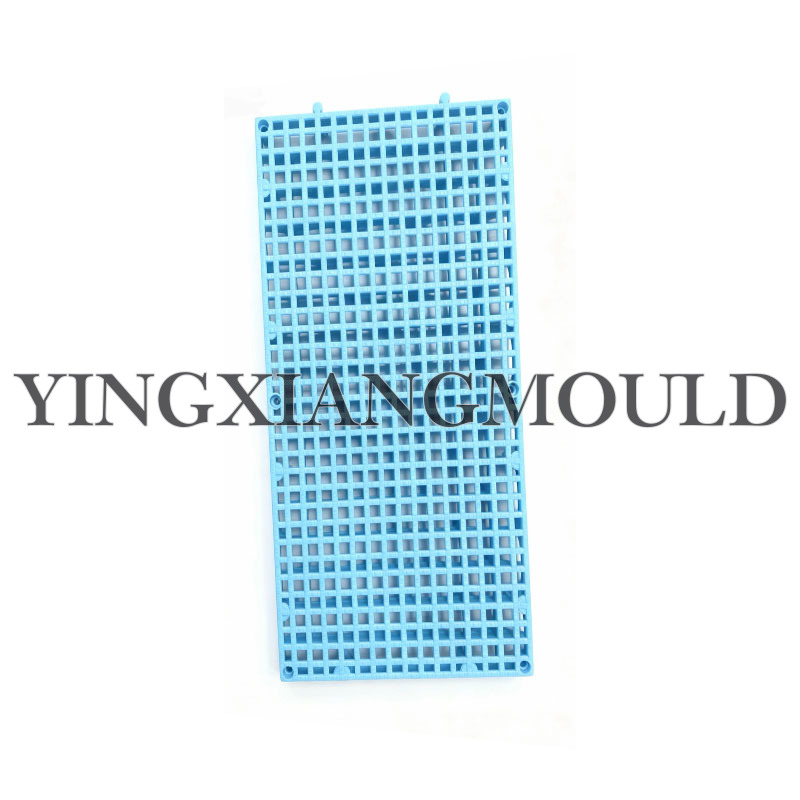
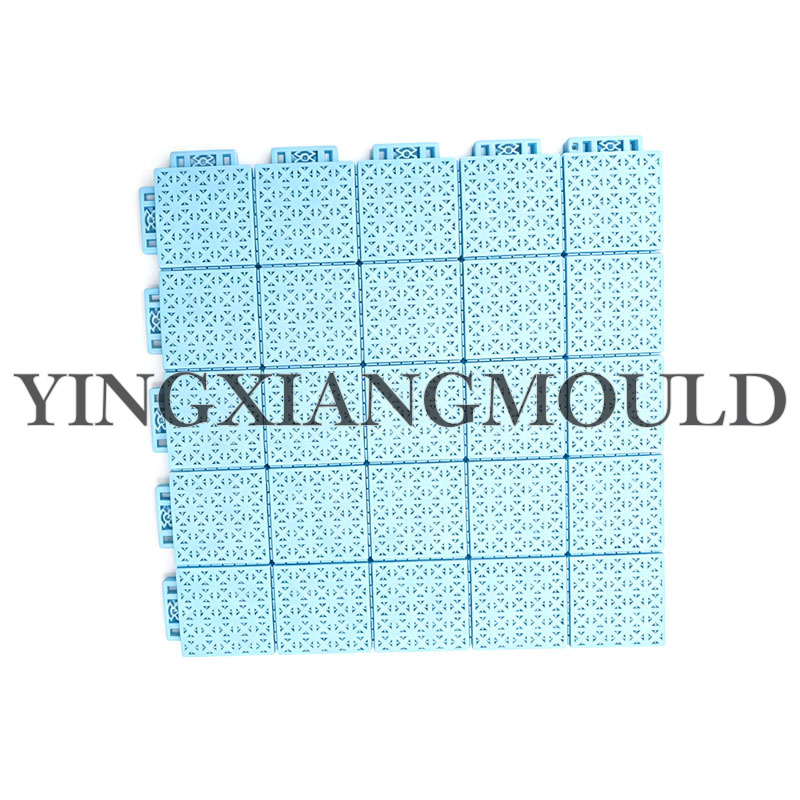
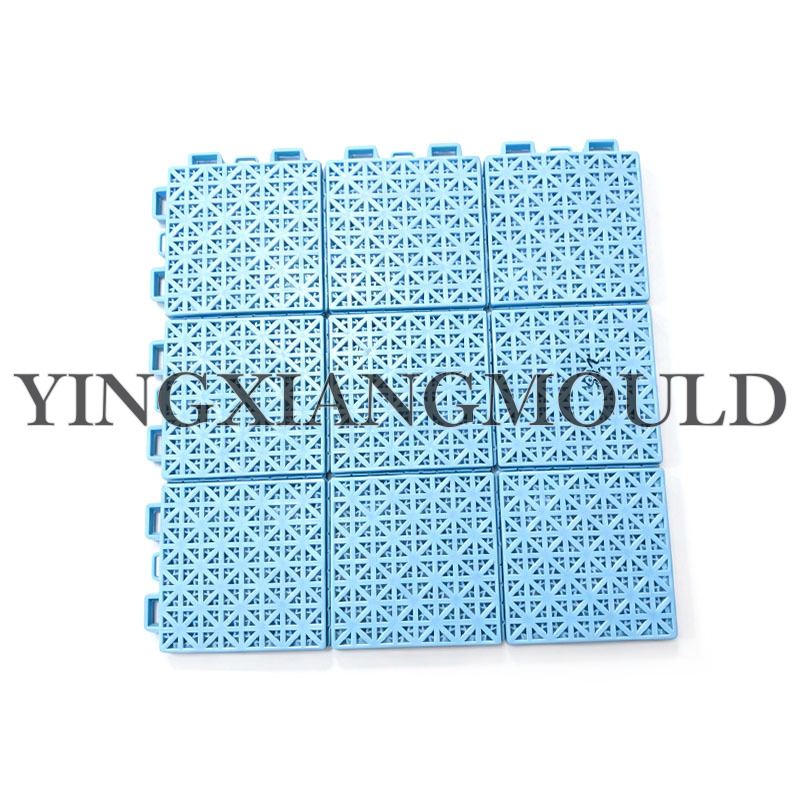
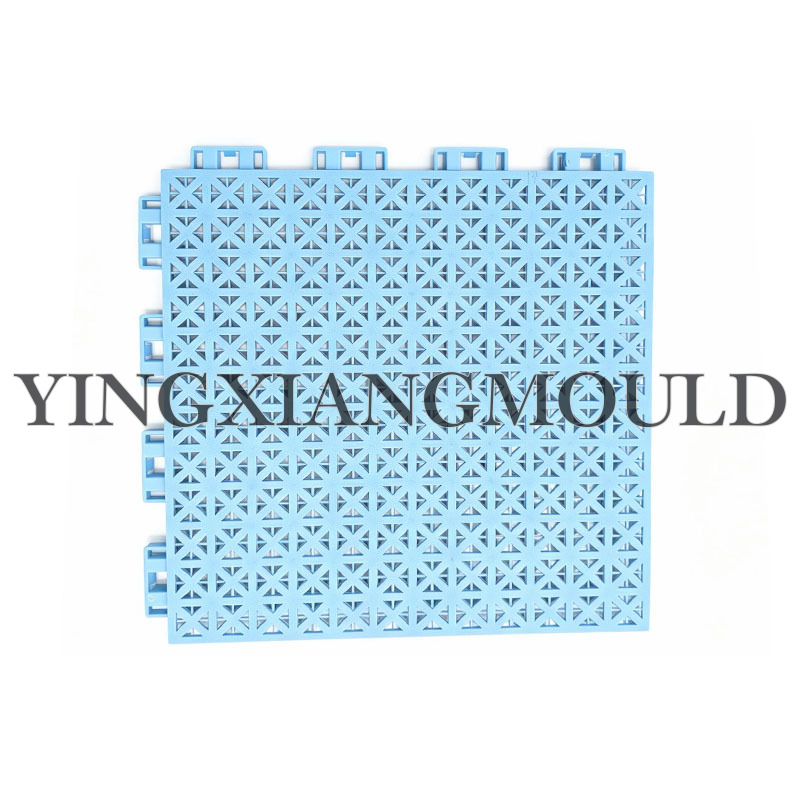
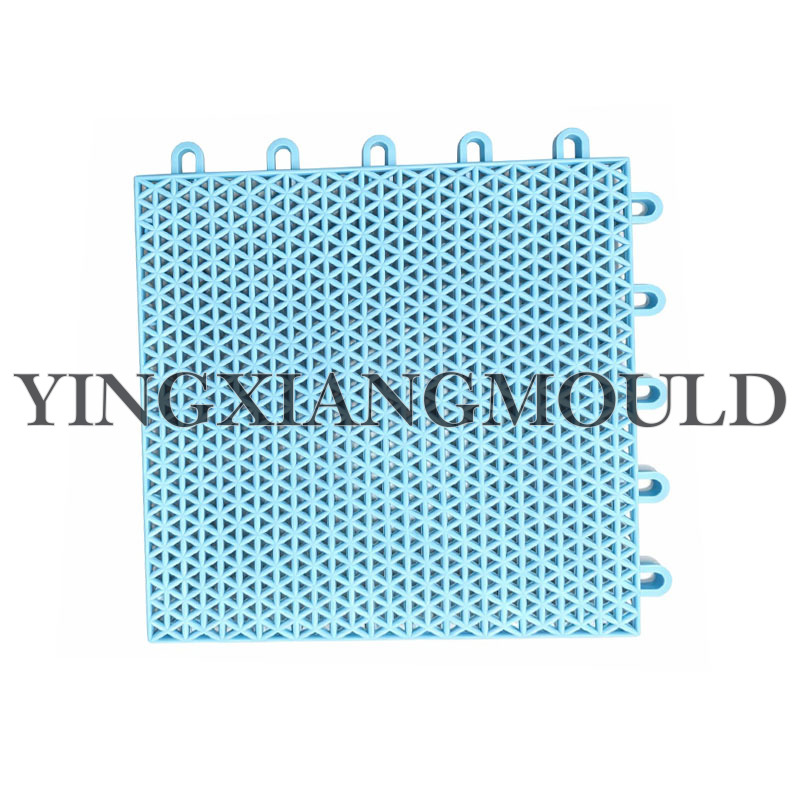
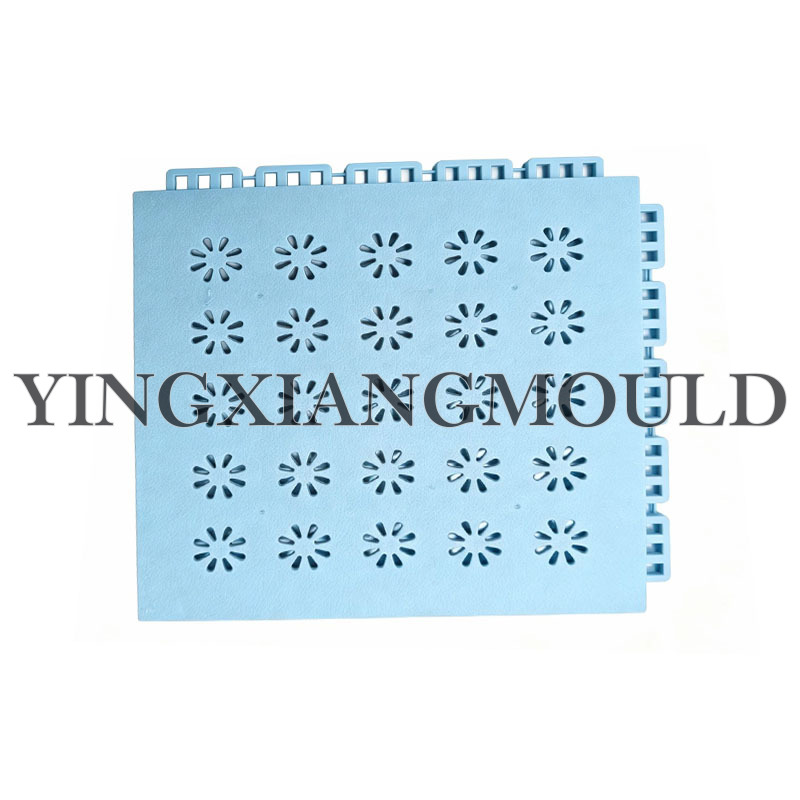
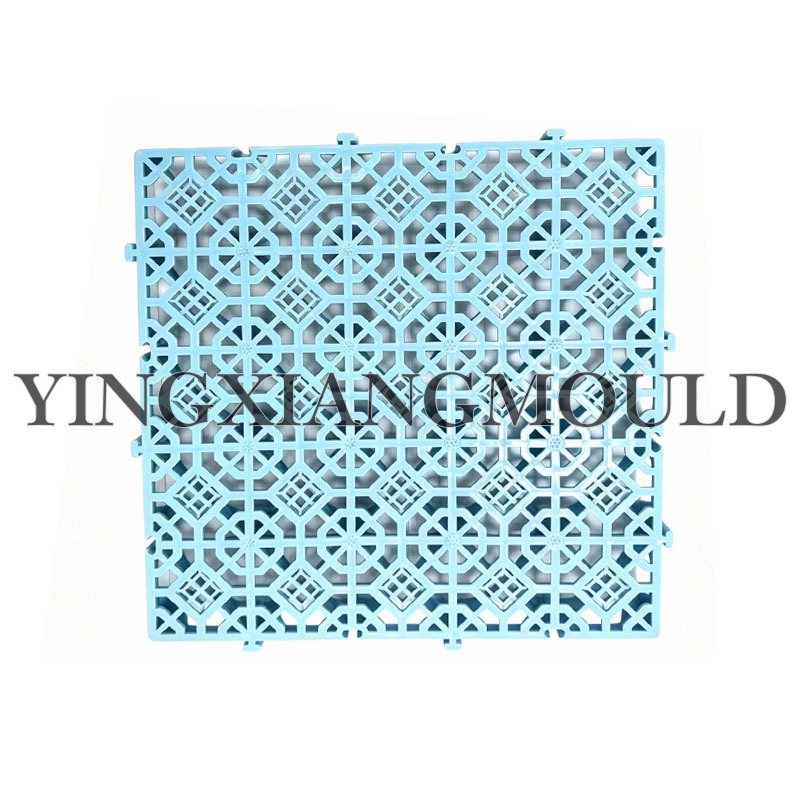
Floor mat molds are industrial molds used for pressing, injection molding, or compression molding floor mat products. A common structure consists of two steel mold plates, upper and lower, which are pressed together using a hydraulic press to create floor mats with specific textures, thicknesses, and shapes.
The mold surface is engraved or CNC machined with patterns (such as checks, anti-slip particles, logos, etc.), allowing for batch production of consistent finished products with each opening and closing. Mold steel is typically P20, 718H, or H13, and the number of cavities can be customized from a single cavity to 4-6 cavity mass production versions, suitable for small to large batch production needs.
Floor Mat Mold Applications
- Automotive Floor Mats: Produces rubber or TPE floor mats for passenger cars, SUVs, and commercial vehicles. Mold cavity contours can be customized according to vehicle model to fit the front and rear seat shapes.
- Home Door Mats: Made of PVC or EVA material, pressed with anti-slip particle textures, suitable for mass production in entryways, bathrooms, kitchens, and other home applications.
- Industrial Anti-Slip Mats: Made of rubber, with a texture design that meets factory floor anti-slip requirements. Commonly used in workshops, warehouses, and around power equipment.
- Gym Mats: EVA or rubber foam molds are used to produce high-density cushioning mats with anti-slip and drainage designs, suitable for gyms and yoga studios.
- Commercial Venues: Mud scraping mats, custom-designed logo mats, etc. Molds can be processed with brand patterns, widely used in hotels, shopping malls, and office building entrances.
- Marine/Outdoor: Saltwater-resistant and UV-resistant rubber mat molds, suitable for the production of outdoor products such as deck anti-slip mats and patio mats.
Reasons to Purchase Mat Molds
- Reduced Unit Costs: Compared to purchasing finished mats, self-manufacturing with molds significantly reduces raw material costs, especially suitable for B2B buyers with annual purchase volumes exceeding 50,000 units.
- Fully Customizable: Patterns, colors, logos, sizes, and material formulas can all be customized, differentiating them from commercially available standard products and creating a differentiated product line.
- Stable and Controllable Quality: Mold precision directly determines the dimensional consistency and appearance of each batch of products, effectively reducing the defect rate and meeting the quality standards of retailers, automotive parts suppliers, and other customers.
- Long-Term Asset Investment: High-quality molds can last for over a million cycles, resulting in extremely low mold costs per unit, suitable for long-term stable supply scenarios.
- Rapid Product Change Response: With in-house molds, new product development only requires modifying local templates or creating new molds, eliminating reliance on external supplier scheduling and shortening the new product launch cycle.
Frequently Asked Questions
Can molds be modified or processed a second time?
Yes, but with limitations. The mold cavity size can be appropriately enlarged (by removing material), but cannot be reduced (material replenishment is difficult, usually requiring reprocessing of the template). Common modifications such as local pattern adjustments, adding vents, and modifying parting lines can all be performed on the original mold. For complex modifications, it is recommended to assess the economics of creating a new mold.
How to determine if the mold steel grade is sufficient?
Mainly based on the expected production volume and material hardness. For small to medium batch production volumes under 200,000 cycles, P20 is a suitable choice; for long-term mass production and high requirements for mold surface finish, 718H or S136 is recommended; for high-temperature and high-pressure rubber vulcanization conditions, H13 hot work die steel is recommended. A steel material certificate (mill certificate) is the basic basis for verifying the material during procurement.



 English
 Español