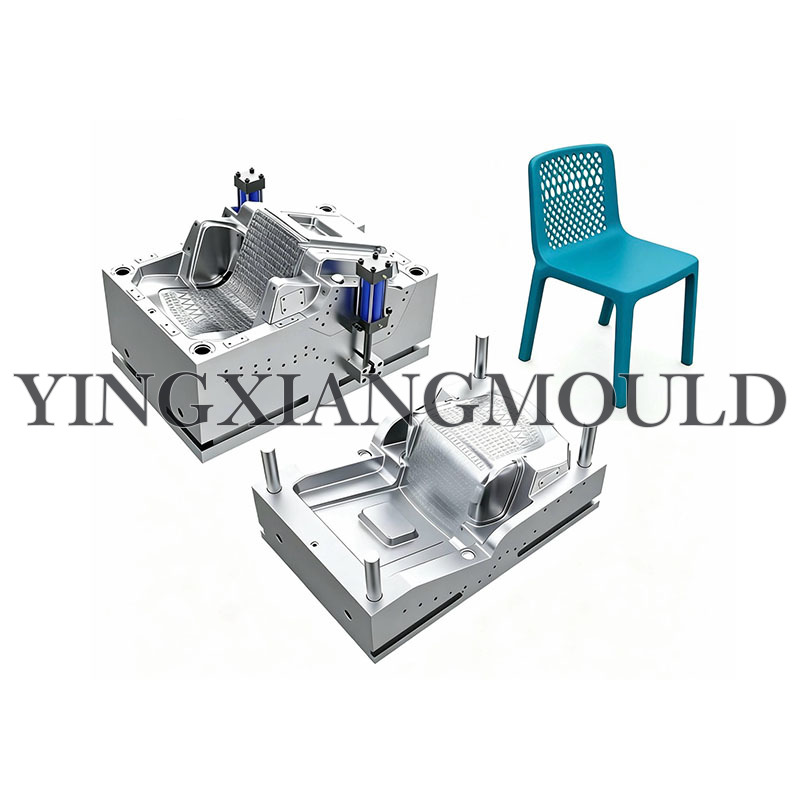
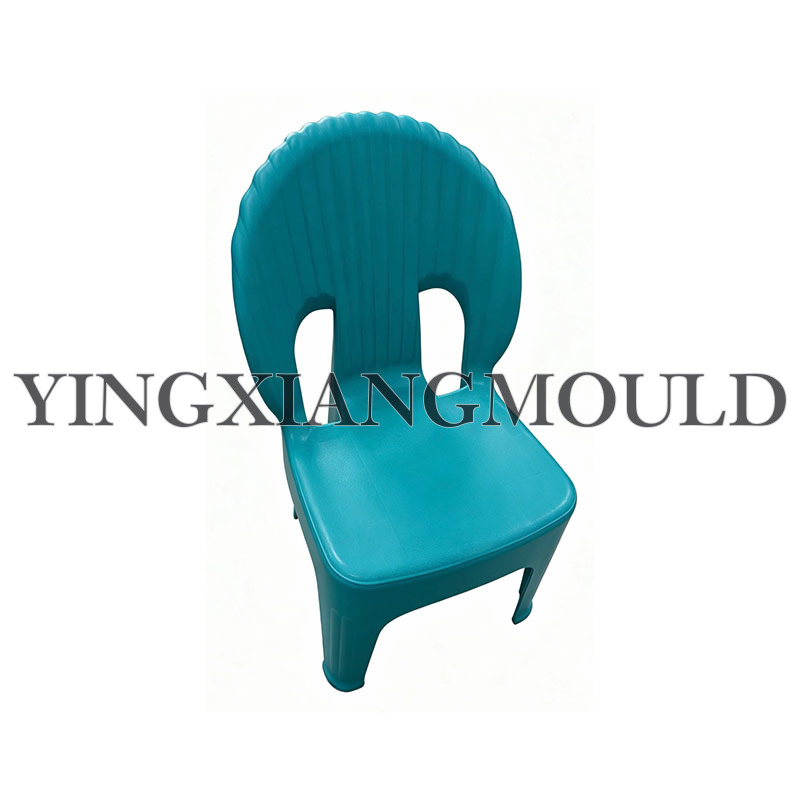
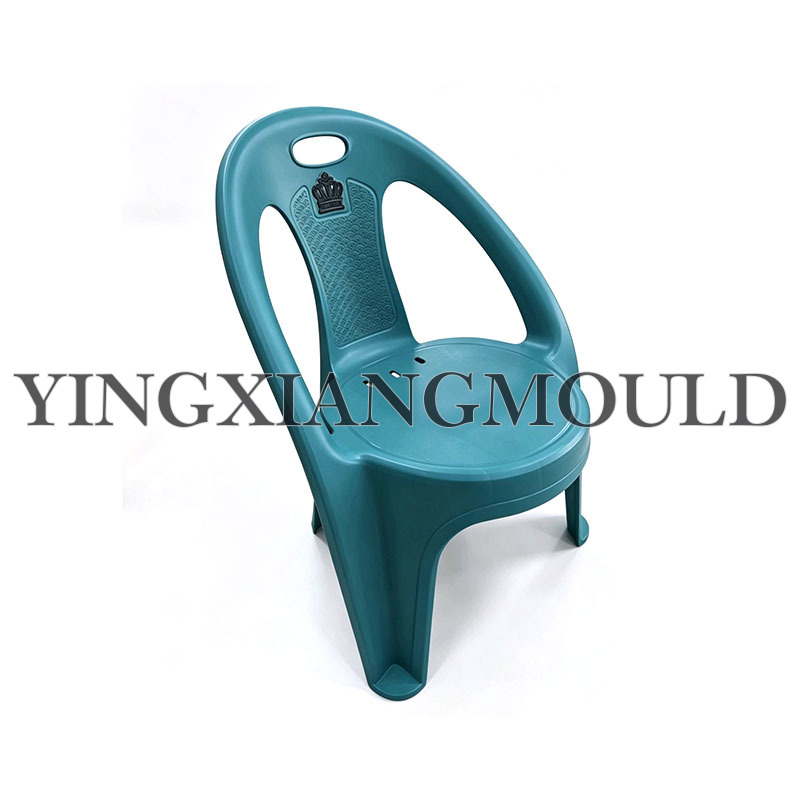
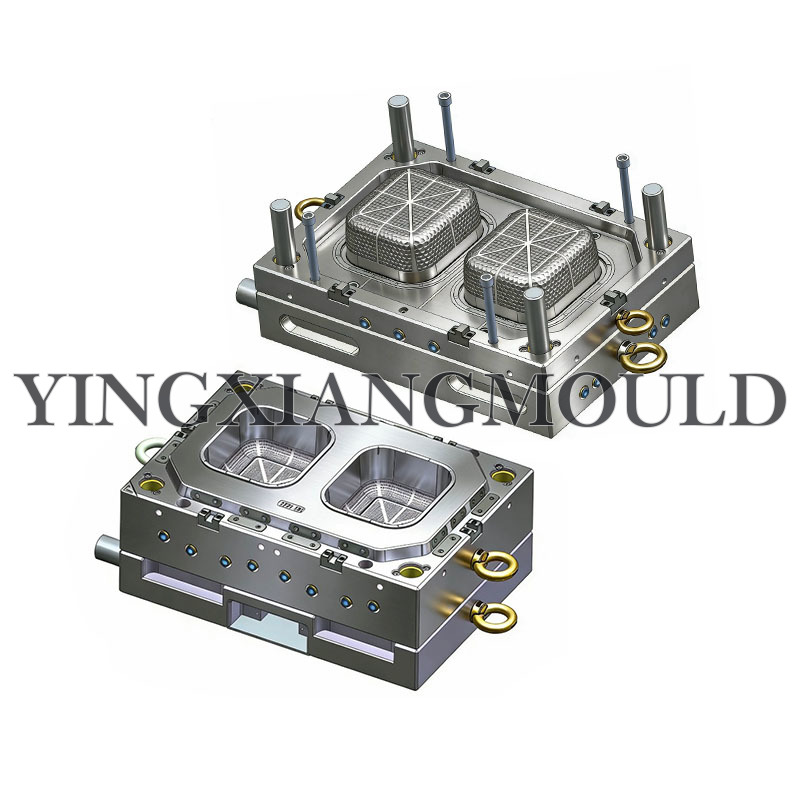
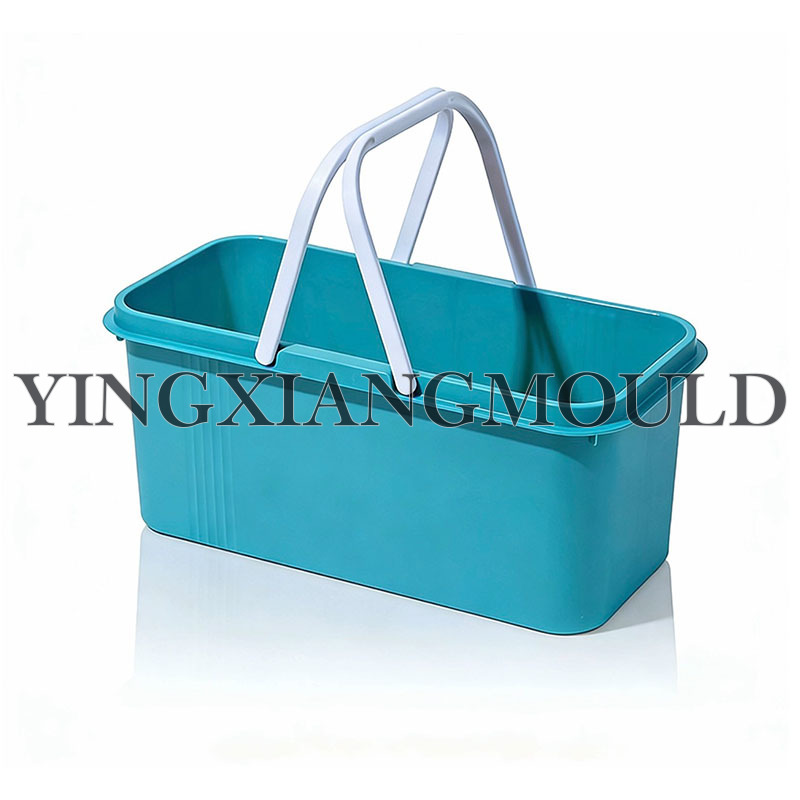
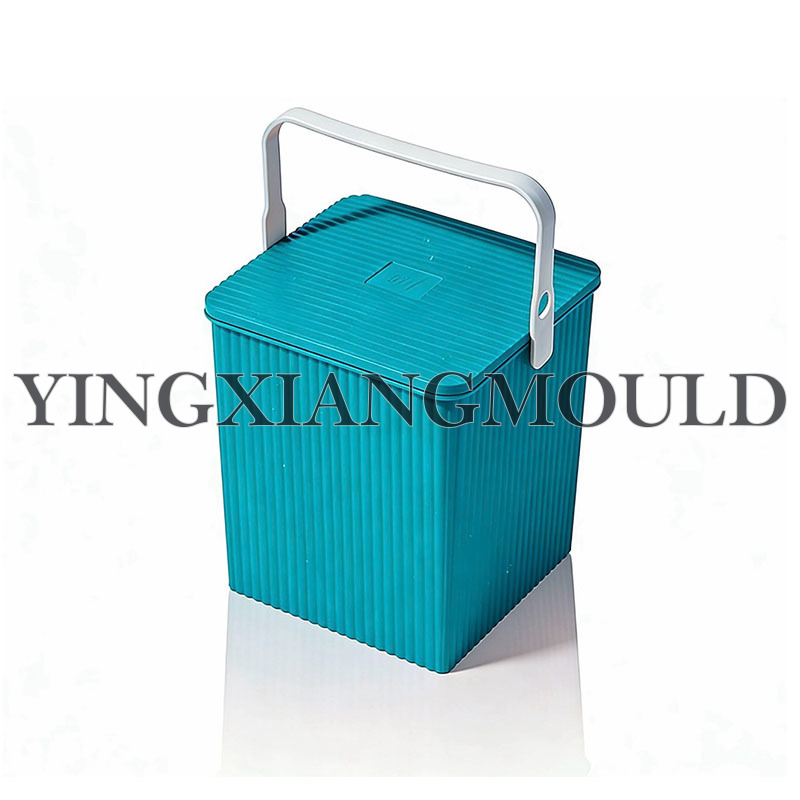
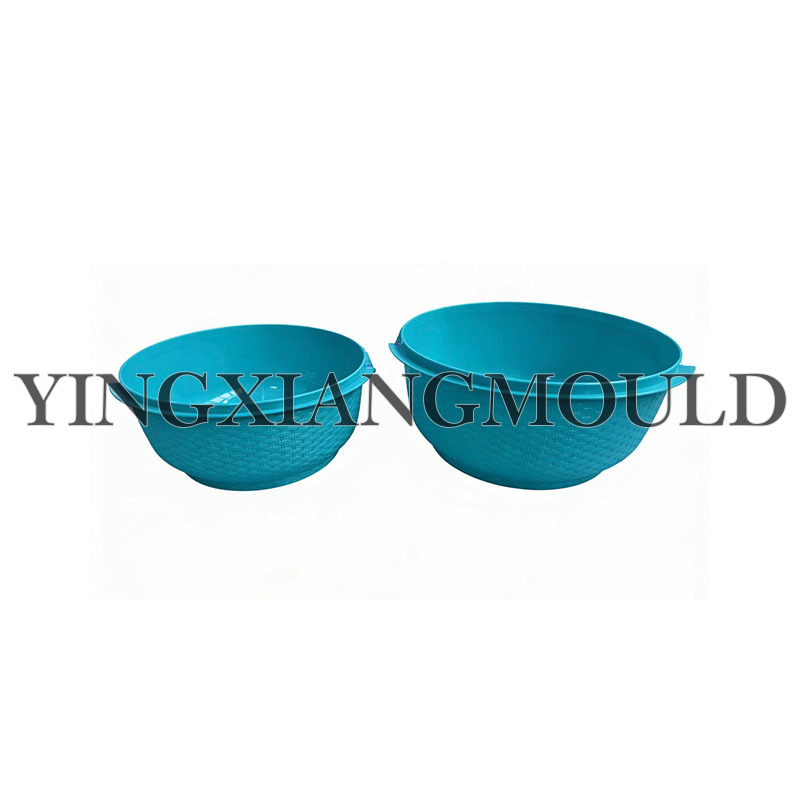
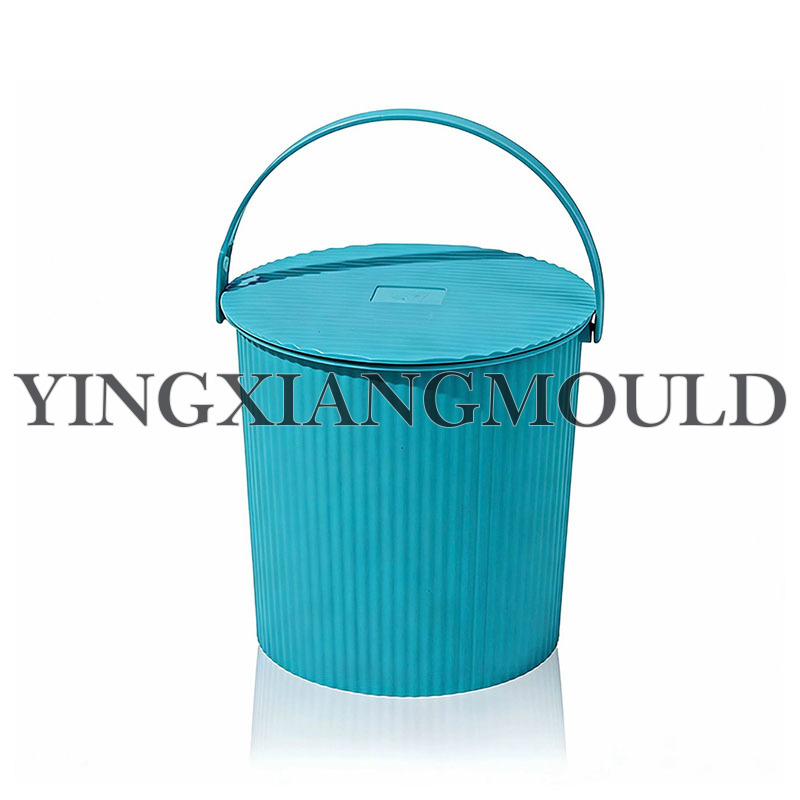
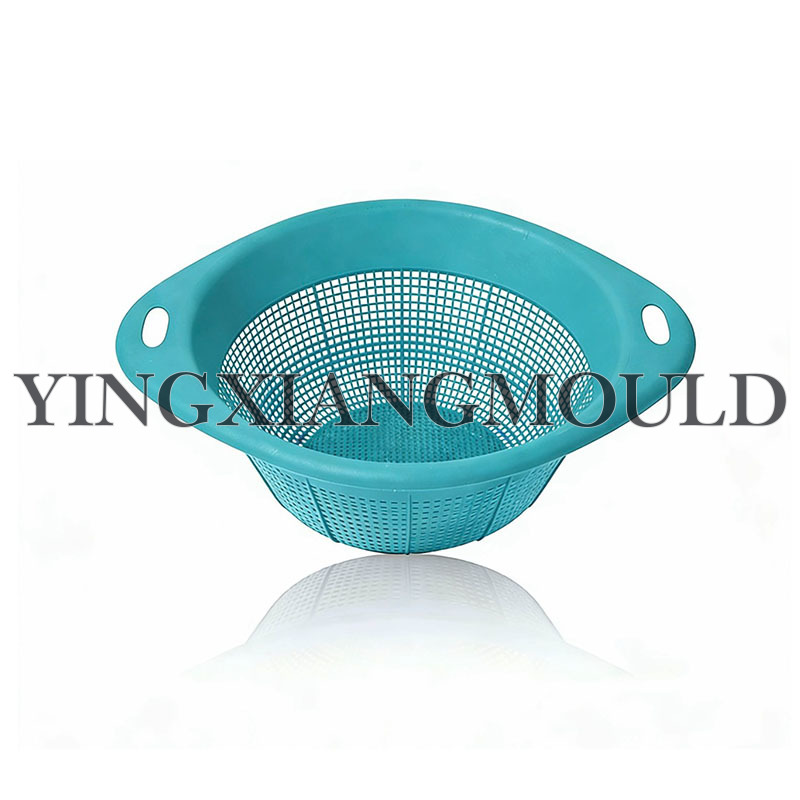
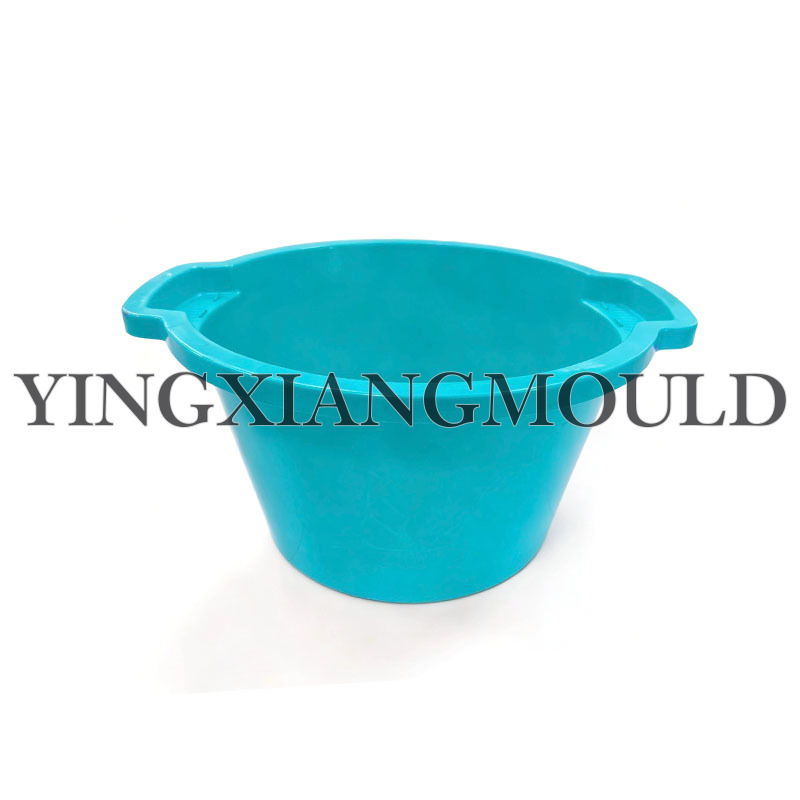
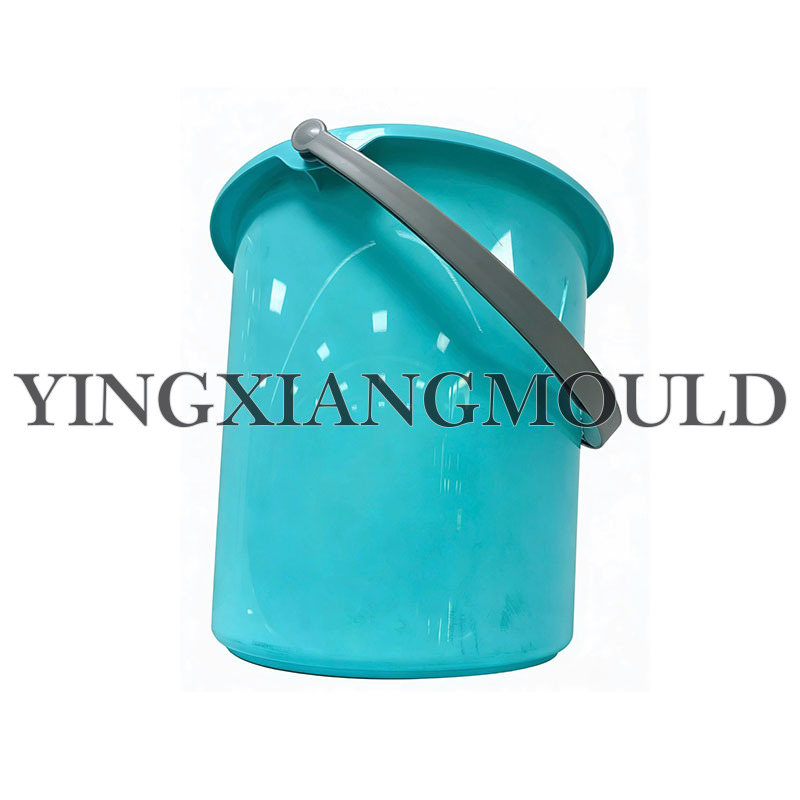
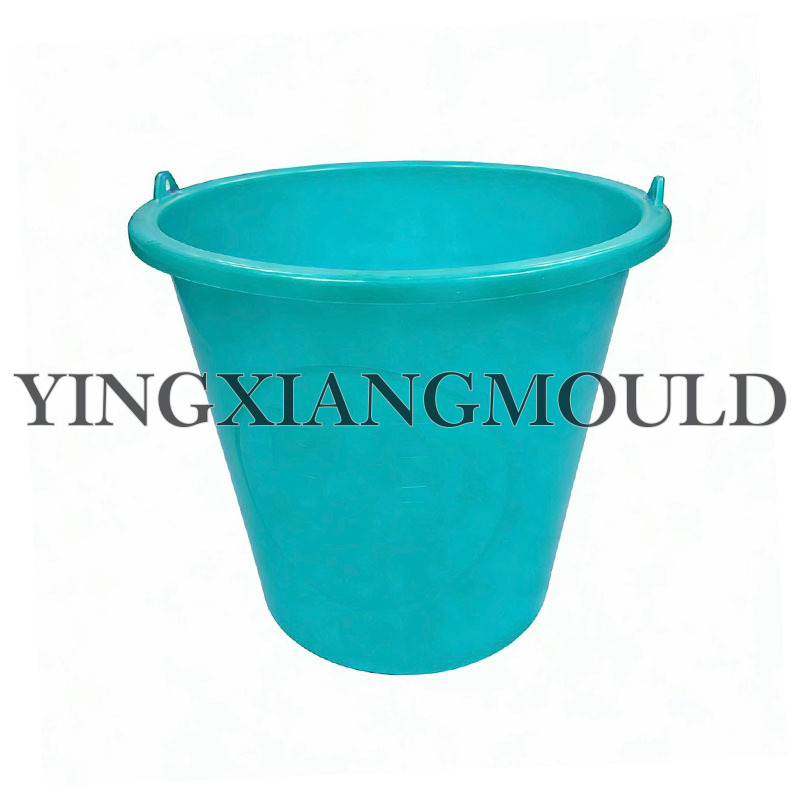
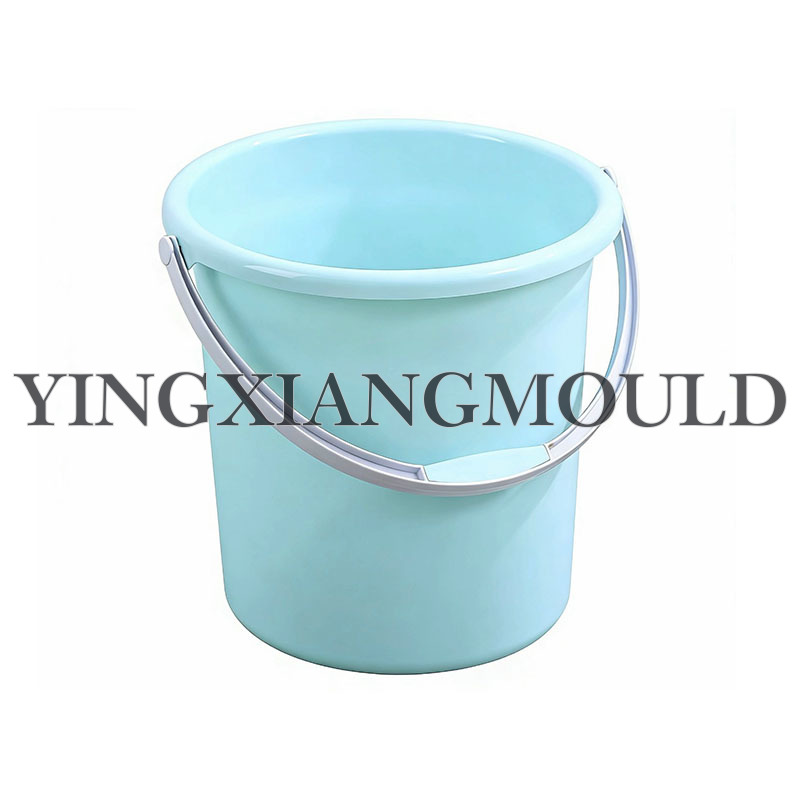
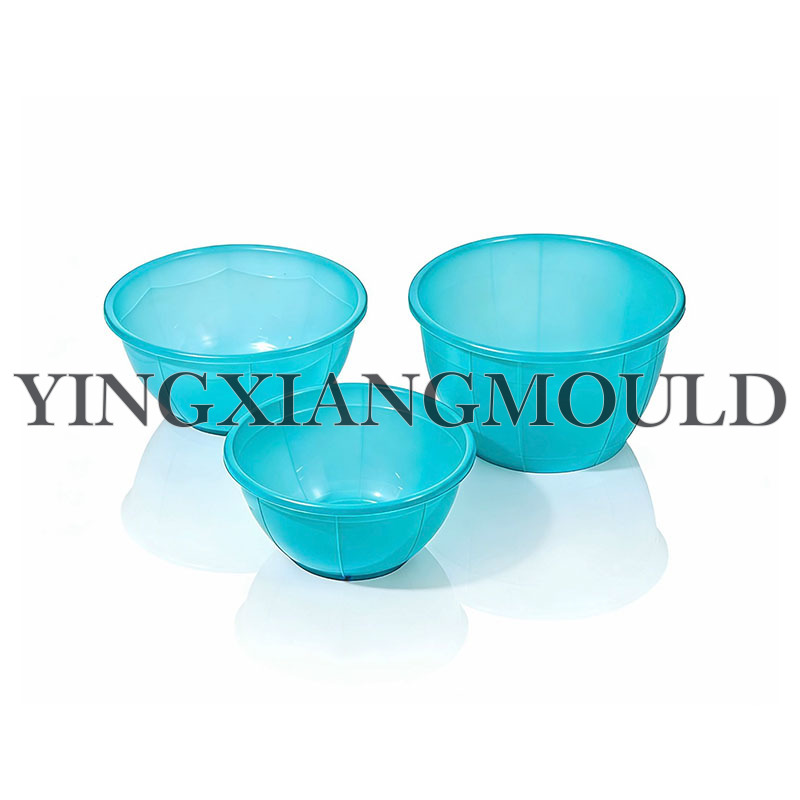
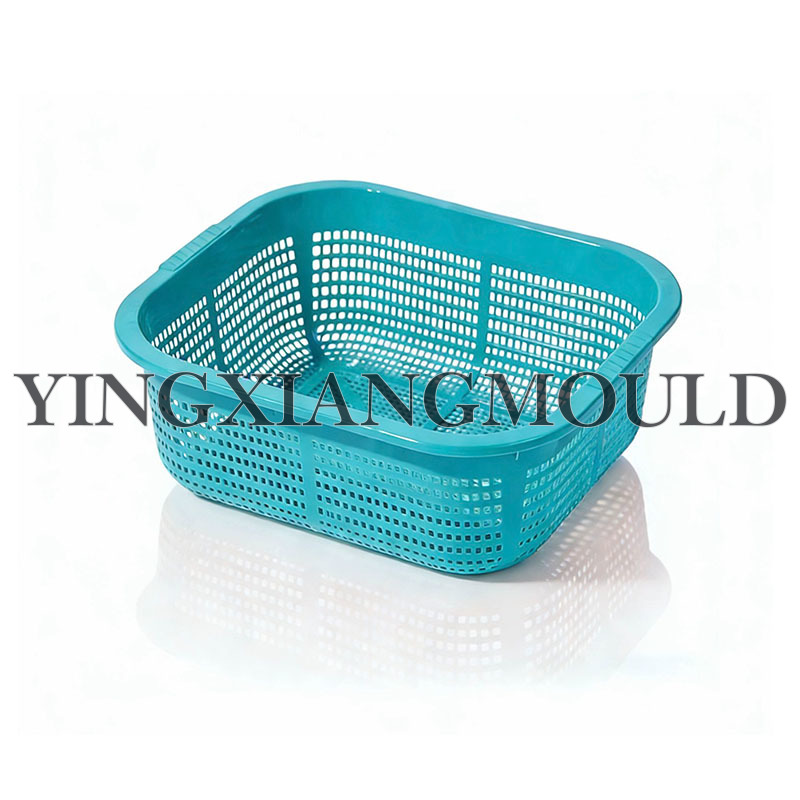
Household product molds are a general term for industrial molds specifically used for injection molding plastic household goods. This category covers a wide range—from a toothbrush holder to a modular storage cabinet, from a dishwashing basin to a stackable clothing organizer, all can be mass-produced using injection molds.
Unlike industrial parts molds, the core challenges of household product molds focus on three points: high requirements for appearance (consumers come into direct contact with the product, and shrinkage marks and weld lines cannot be exposed); a large number of SKUs (a single product line often has 4-8 colors + multiple sizes, and mold design must consider color change efficiency); and a short time-to-market (fast-moving consumer goods (FMCG) household products iterate quickly, and mold development to mass production typically takes 45-60 days).
Application Scenarios: Household product molds
- Home furnishing retail brands & chain stores: Private label (PL) household product lines typically require 20-100+ SKUs, and mass-produced custom molds are the standard way to control product appearance consistency and cost.
- E-commerce Independent Brands: E-commerce platforms rely on unique product designs for differentiation. Having dedicated molds avoids price wars caused by similar products. Small-batch trial production (500-3,000 pieces) is typically used to validate the market.
- Export OEM/ODM Factory: Accepting design documents from European and American home furnishing brands, creating molds and mass-producing according to requirements, delivering finished products with certifications (REACH/RoHS/CA65).
- Supermarket & FMCG Buyers: Large supermarkets have large seasonal home furnishing purchase volumes and tight delivery times. Having their own molds and working with local injection molding plants can reduce replenishment cycles from 60 days to within 2 weeks.
- Gifts & Promotional Item Customization: Customized logo gifts (such as printed storage boxes, customized water cups) require adding logo inlays or laser engraving to standard molds. Modifying existing molds is far less costly than creating new ones.
- Complete Home Furnishing & Luxury Apartment Packages: Real estate luxury apartment packages and hotel purchases are in large quantities and have standardized requirements. Customized home furnishings with matching colors (color codes matching interior design schemes) are often needed.
Reasons for Procurement – Why Choose Custom Molds Instead of Outsourcing Finished Products?
- Exclusive Design, Building a Competitive Barrier: The home furnishing market suffers from severe homogenization. Custom molds lock in exclusive shapes and color schemes (CMF), which competitors cannot directly replicate, serving as the physical embodiment of brand premium.
- Complete Control over Colors and Materials: Colors can be precisely matched according to Pantone color codes, supporting multiple color SKUs sharing the same mold. Materials can be freely customized with added antibacterial masterbatches, flame retardants, and recycled material ratios to meet different market certification requirements.
- Rapid Market Response, Shortened Replenishment Cycle: When a popular product is out of stock, mold makers can complete replacement injection molding within 7-15 days; buyers relying on outsourcing suppliers wait an average of 45-60 days, easily missing sales opportunities.
- Family Molds Reduce Multi-SKU Development Costs: Different sizes within the same product line (e.g., S/M/L storage boxes) can share a mold base through "family molds," requiring only changes to cavity inserts, saving 30-50% on mold investment compared to independent mold development.
- Family Molds Reduce Multi-SKU Development Costs: Procurement Tips: Home furnishing product molds have many SKUs and rapid iteration. It is recommended to clearly specify mold modification clauses in the contract (whether the first two modifications are free) and priority for sharing mold bases with new SKUs to avoid unnecessary duplicate investment during later expansion.
Frequently Asked Questions
What is the concept of a "family mold" for home furnishing products, and when is it suitable?
A family mold refers to a mold base containing multiple different cavities, allowing for the simultaneous injection molding of multiple different products or similar products of different sizes. Typical scenario: A storage series with S/M/L sizes sharing a single mold, significantly reducing mold base costs. Suitable for product series with similar shapes, similar wall thicknesses, and uniform colors.
Note: Uneven filling of each cavity is a major risk; the runner system design requires high precision. Not suitable for SKU combinations with significant differences in wall thickness or requiring independent color matching.
Family Mold: (This section likely refers to a specific mold base or mold base, but the translation reflects this.) Sink marks on the exterior of home furnishing products.
Is it a mold problem or an injection molding process problem? How to determine responsibility?
Sink marks are usually caused by excessive local wall thickness, uneven cooling, or insufficient holding pressure. Attributing responsibility requires a case-by-case assessment: If the sink mark is fixed in location and on the back of reinforcing ribs or pillars, it's usually a mold structure design problem (excessively thick reinforcing ribs; the standard recommendation is rib thickness of 50-60% of the wall thickness); if the sink mark disappears or shifts with changes in injection molding parameters, it's more likely a process adjustment problem. It's recommended to stipulate the appearance acceptance standards after T1 trial molding in the contract (clearly defining the sink mark assessment area and level) to avoid liability disputes after mass production.



 English
 Español