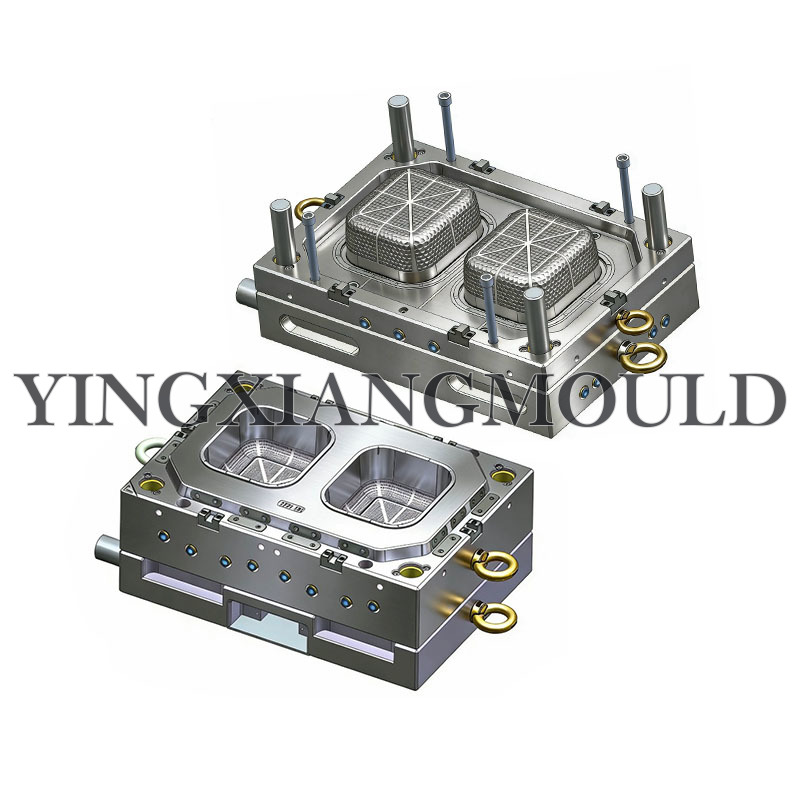
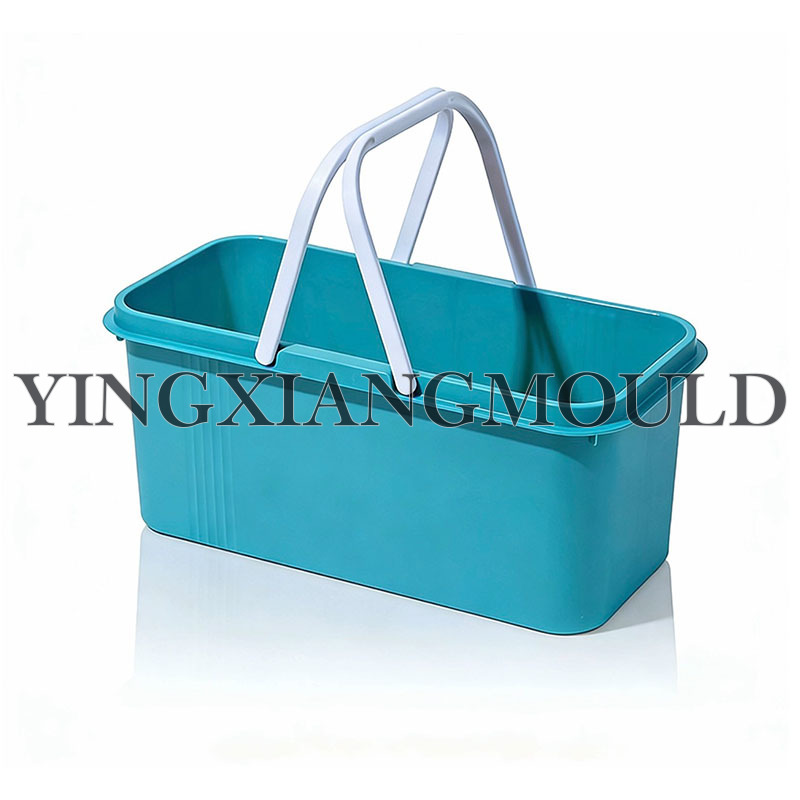
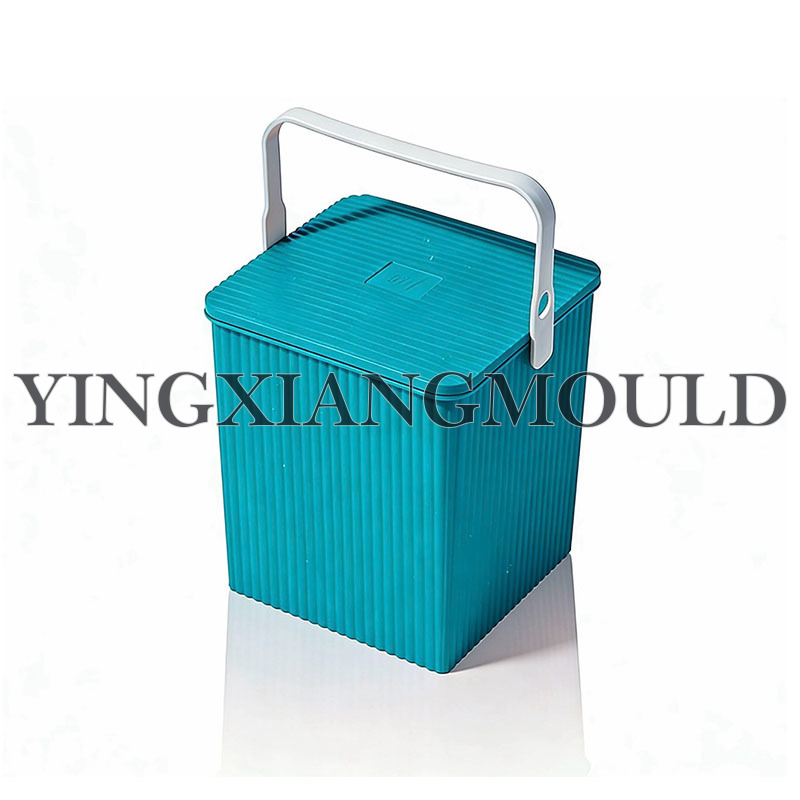
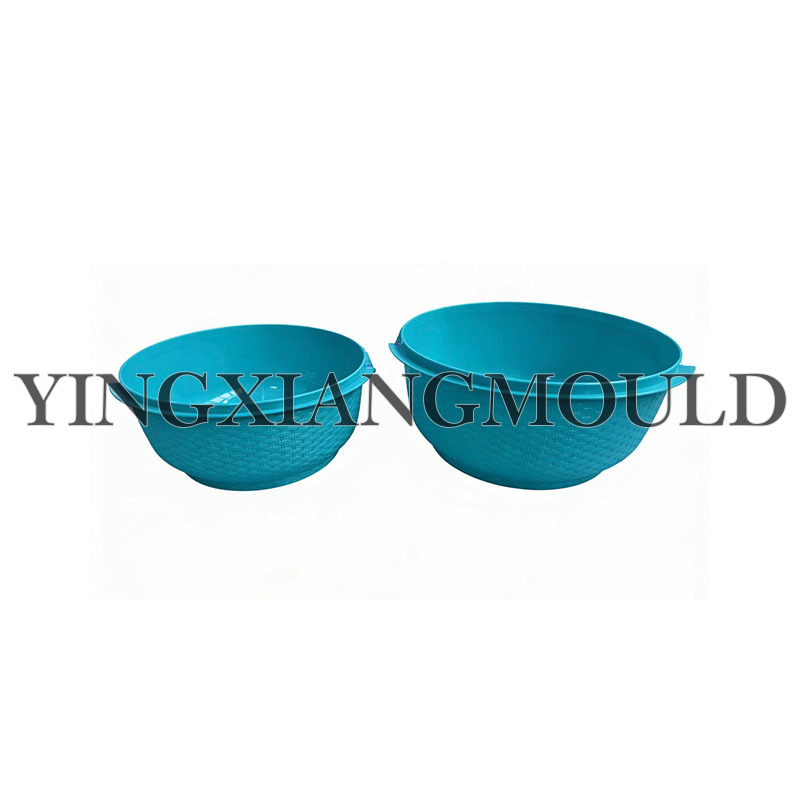
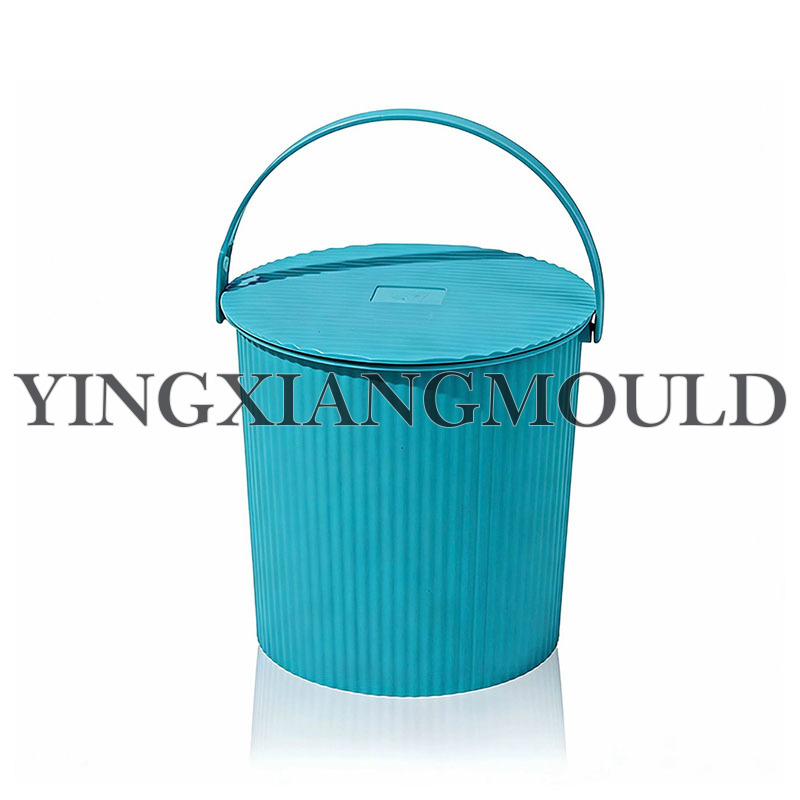
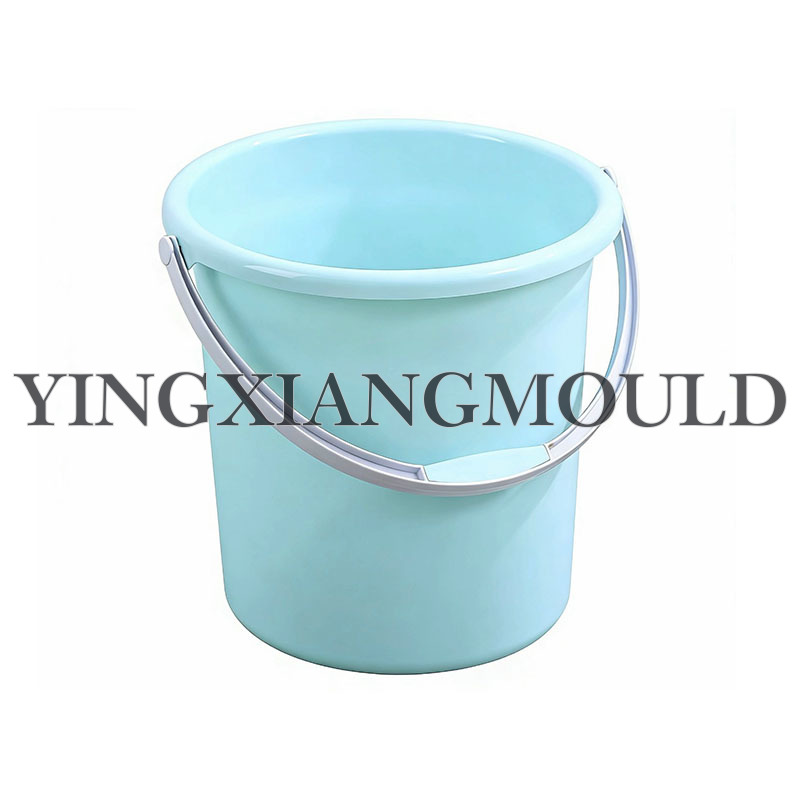
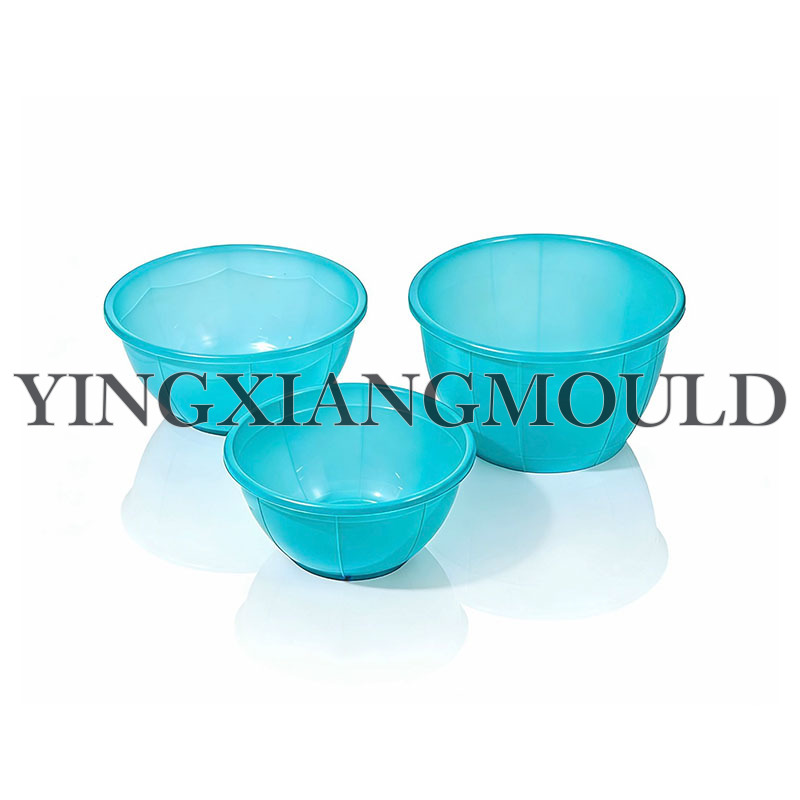
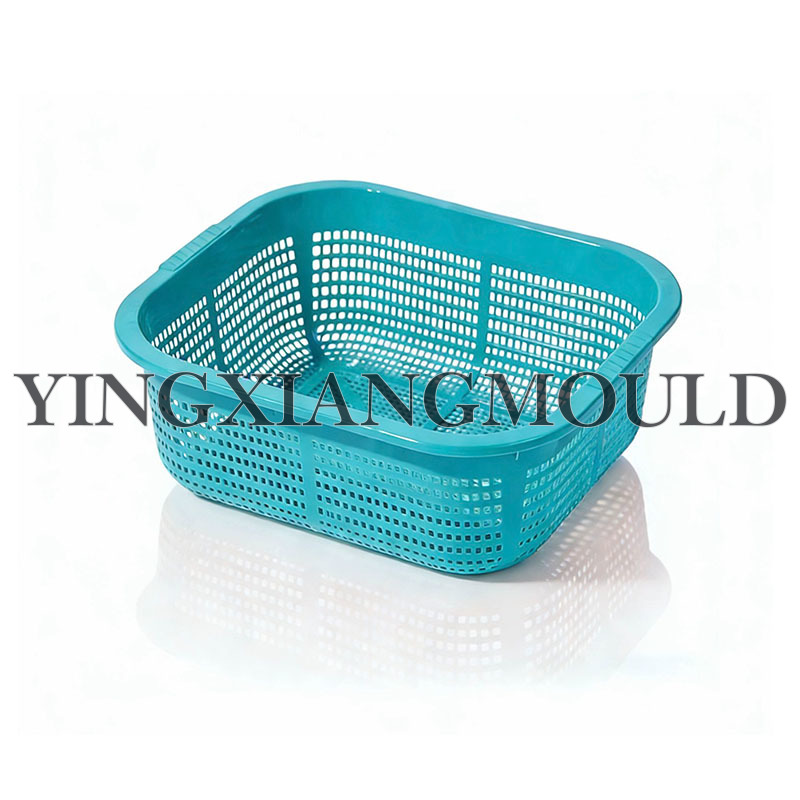
Kitchen storage supplies molds are a general term for industrial molds specifically used for injection molding the production of plastic kitchen storage products. While this category may seem similar to ordinary household storage molds, it actually faces higher technical hurdles:
Firstly, there are food safety compliance requirements—kitchen storage items come into direct or indirect contact with food and drinking water, so the raw materials must be food-grade certified, and the cavity surface must achieve a mirror-polished finish (Ra ≤ 0.2μm) to prevent bacterial accumulation; secondly, there is the requirement for precise sealing—the tolerances of mating parts such as food storage container lids and bodies, and spice jar lids, typically need to be controlled within ±0.05 ~ ±0.1mm, placing stringent demands on mold manufacturing precision; thirdly, there is the need for multiple SKUs and modular designs—kitchen storage products are often sold in "sets" (such as a 3-piece spice jar set, a 5-piece food storage container set), and the mold design must simultaneously consider the uniformity of appearance and interchangeability of each component within the set.
Application Scenarios for Kitchen Storage Product Molds
- Home Furnishing Retail Brands & Kitchen Specialty Stores
Kitchen storage is a core category in home furnishing retail. Private label brands (PLs) require differentiated appearances and exclusive sets; custom mold making is a standard practice for establishing product line barriers.
- E-commerce Platform Sellers & DTC Brands
Competition in the kitchen storage market is fierce on platforms like Amazon and Shopify. Exclusive appearances and set combinations are key to breaking through homogenization; proprietary molds support rapid iteration of new SKUs.
- Supermarket & Hypermarket Buyers
Supermarkets have concentrated purchasing volumes in seasonal kitchen storage sections (early year organizing season, year-end gift season). Self-built molds, in conjunction with local injection molding plants, allow for precise control over launch dates and inventory levels.
Many domestic mold factories undertake design documents from European, American, Japanese, and Korean brands, create molds and mass-produce according to specified material certification requirements, and deliver finished products with complete compliance documentation. This is the main business model for many mold factories in China.
- Home Renovation Companies & Custom Furniture Brands
Fully furnished apartments and whole-house customization projects often require a unified color scheme for kitchen storage products and cabinets. Precise color matching necessitates using proprietary molds and custom color masterbatches.
- Gift Customization & Corporate Procurement
Kitchen storage sets are a popular category for employee benefits and holiday gifts. These require adding logo inserts or custom packaging to standard molds, with minimum order quantities typically ranging from 500 to 5,000 sets.
Procurement Rationale – Why Choose Custom Molds Instead of Directly Purchasing Finished Products?
- Compliance Certification Control from the Raw Material Level: Food safety compliance for kitchen storage items is a crucial hurdle for export to Europe and America. Proprietary molds, combined with designated raw material grades, ensure complete traceability of raw material batches. Externally sourced finished products often cannot penetrate to the raw material level, leading to risks of re-testing and recalls should batch replacements occur.
- Set Fit Precision Can Only Be Guaranteed with Proprietary Molds: When components in food storage containers, spice jar sets, etc., come from different batches or suppliers, the tolerances of the lid fit are often inconsistent, leading to complaints about inconsistent tightness when mixing parts within the set. Owning molds allows for batch and factory-wide control, a fundamental solution to this problem.
- Family molds significantly reduce kit development costs: S/M/L parts or multi-functional parts within the same kit series can share mold bases, requiring only cavity inserts to be replaced, saving 30-50% on mold costs compared to independent mold development; and the appearance is naturally unified, requiring no additional coordination.
- Color systems precisely align with interior design trends:. Popular colors for kitchen storage products change rapidly (e.g., recent Morandi colors, creamy tones). Own molds allow for flexible color changes according to Pantone color codes, responding to market trends faster than purchasing finished products, without waiting for suppliers to develop new color inventory.
- Scaling up continuously expands the cost advantage per unit: Kitchen storage product pricing is transparent and competition is fierce; after adding channel premiums, profit margins for outsourced finished products are limited. Owning injection molding costs can be continuously diluted as production volume increases; once annual production exceeds a certain scale, the cost advantage per unit can reach 40-60%.
- Product functionality details can be iterated upon based on user feedback: Our proprietary molds support targeted mold modifications: adjustments such as drain hole placement, snap-fit strength optimization, and the addition of anti-slip foot pad inlays can all be made locally on the existing mold without requiring new mold creation. Iteration costs are significantly lower than competitors' mold replacements.
Procurement Tips: For kitchen storage items involving direct food contact (such as food storage containers and condiment jars), it is recommended to confirm the FDA/LFGB compliance data sheets (TDS) of the raw materials used by the mold factory during the quotation stage, rather than waiting until samples are completed. Otherwise, if the raw materials do not meet the requirements of the target market, additional costs may be incurred due to the need to select new materials or even re-molde.
Frequently Asked Questions
Do the lid and body of the food storage container need to be molded separately? How can we ensure consistent fit when using a set?
The lid and body are usually molded separately because their wall thickness, structure, and demolding direction are different. Combining them in the same mold is technically feasible, but it would significantly increase mold complexity and cost. The key to ensuring consistent fit lies in:
- ① The lid and box are manufactured in the same factory, using the same batch of raw materials and the same shrinkage rate standard;
- ② The lid fit analysis must be conducted simultaneously during the mold design stage to confirm the sealing groove depth and snap-fit interference;
- ③ The T1 trial molding stage must include the actual fit test of the lid in the acceptance criteria, not just checking the individual dimensions of each part. If the lids come from different suppliers, the cumulative tolerance can easily lead to inconsistencies in tightness when the sets are mixed, which is the most common source of quality complaints about sets.
Why is S136 steel recommended instead of P20 for kitchen storage molds? What are the differences?
- S136 (Uddeholm 136 steel from Sweden, also available domestically) is a stainless mold steel specifically designed for corrosive media environments such as food and medical applications. It possesses excellent corrosion resistance and mirror polishing performance, making it suitable for food contact surfaces requiring Ra ≤ 0.2μm.
- P20 is a general-purpose pre-hardened steel, offering high cost-effectiveness, but its corrosion resistance is relatively poor. When injection molding PP/PETG and other materials into kitchen storage molds, trace amounts of corrosive gases are generated during long-term production. P20 mold cavities are prone to developing fine rust spots, which can affect the product's transparency or surface finish.
For food-contact products and those requiring high polishing, the increased mold cost of S136 (typically 15-25% higher) is worthwhile in the long run. For ordinary kitchen accessories that do not come into contact with food, P20 remains a reasonable choice.



 English
 Español