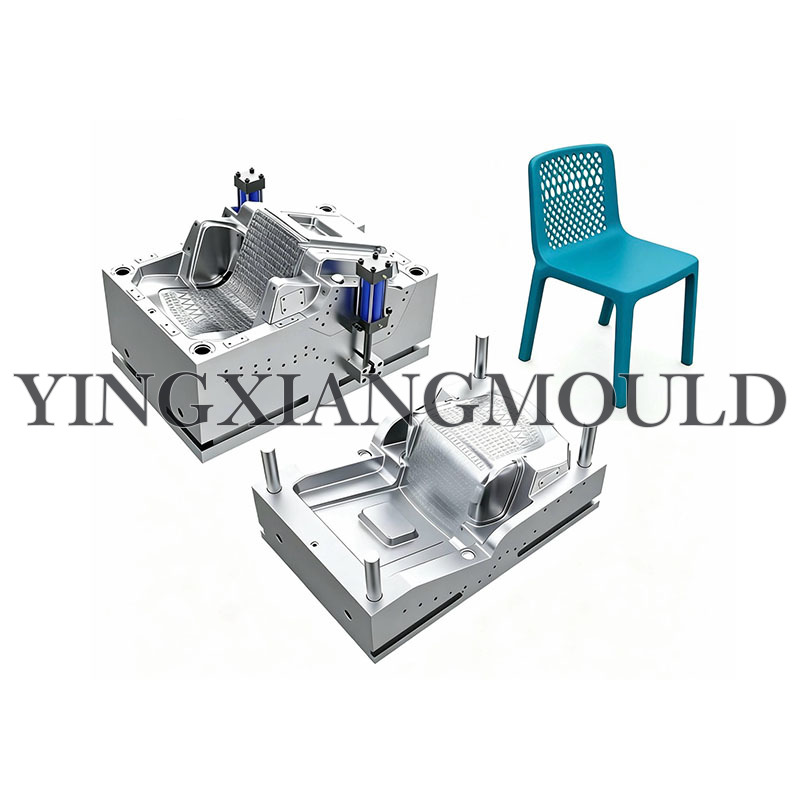
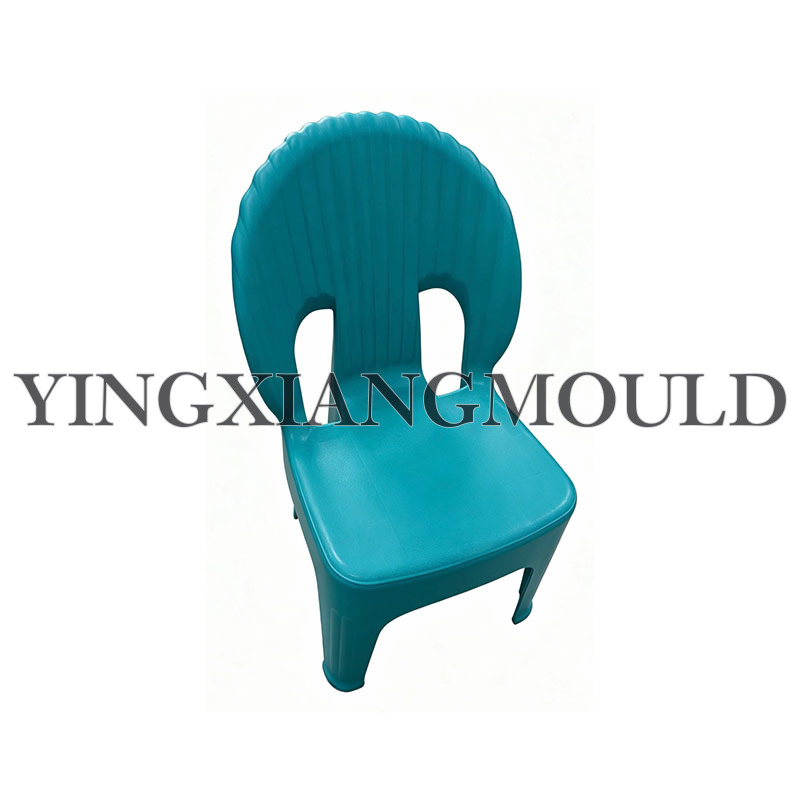
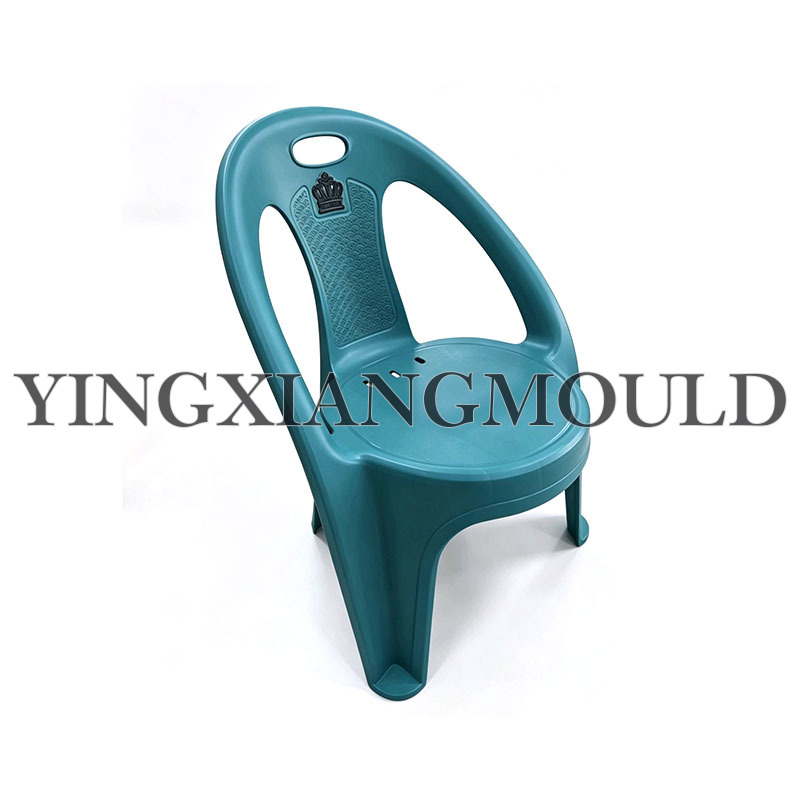
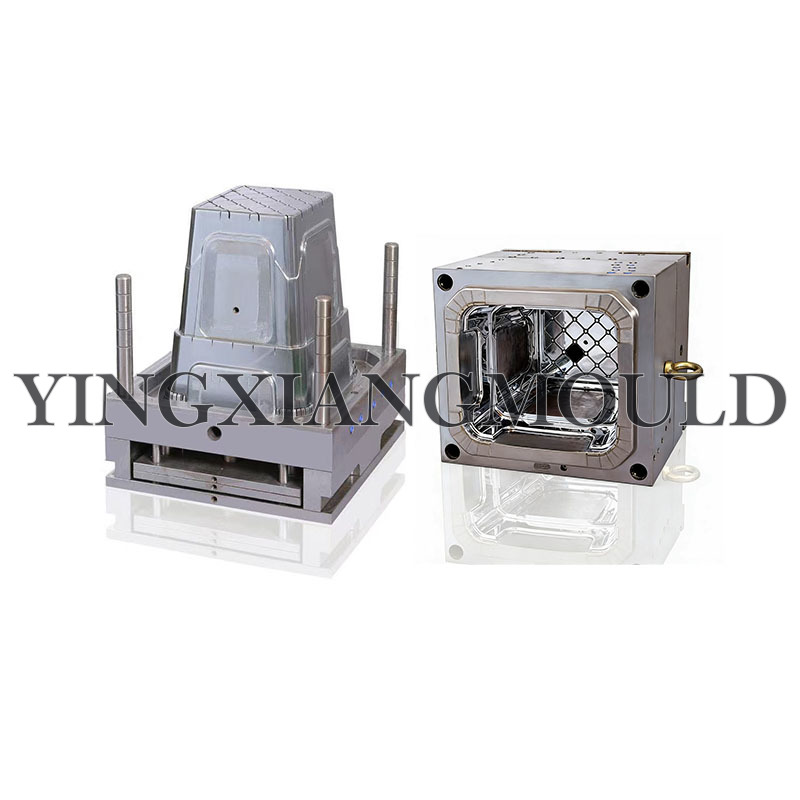
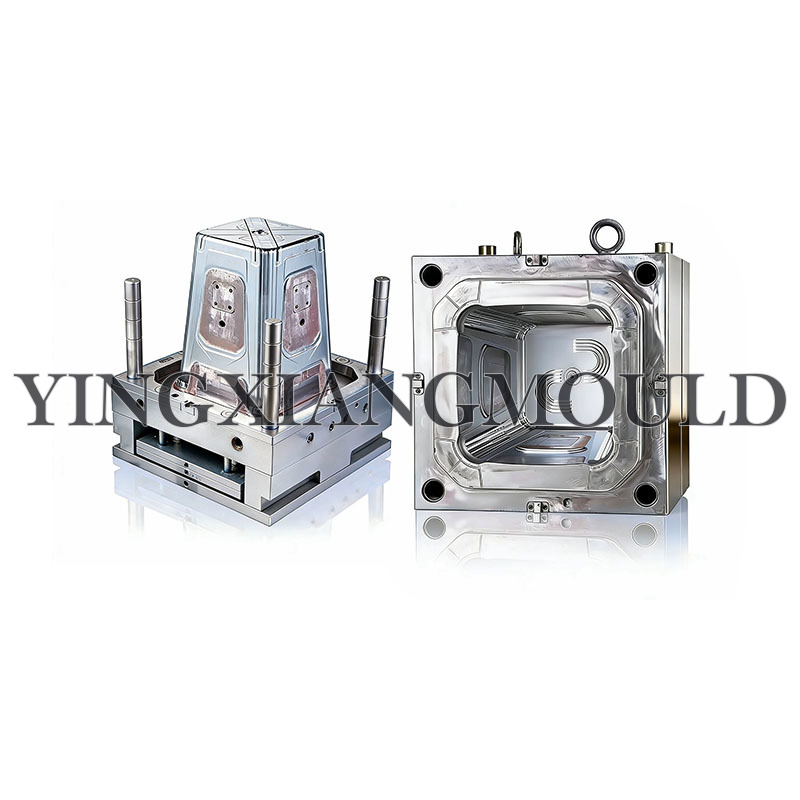
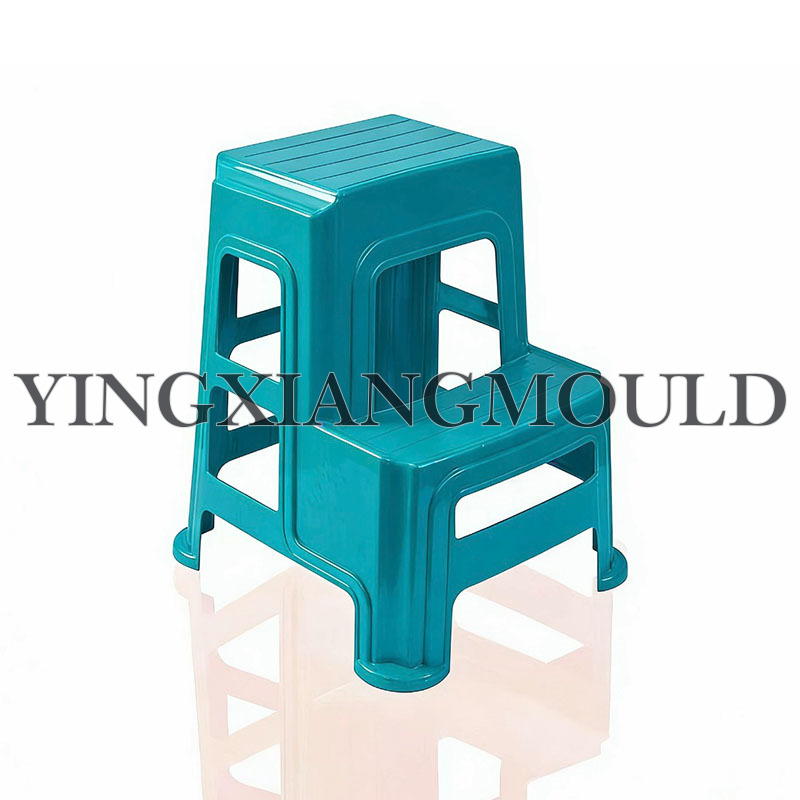
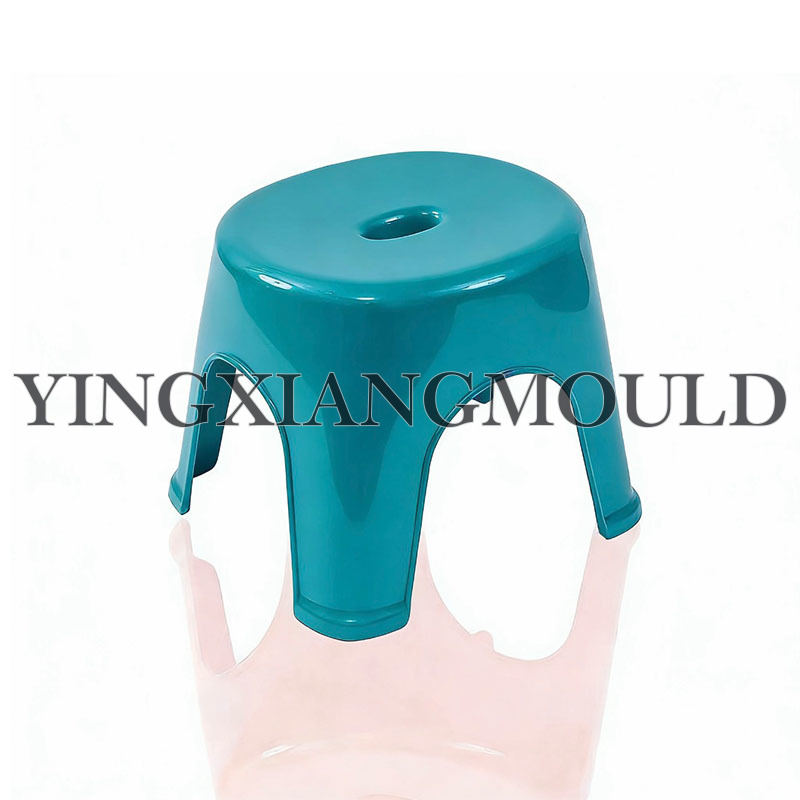
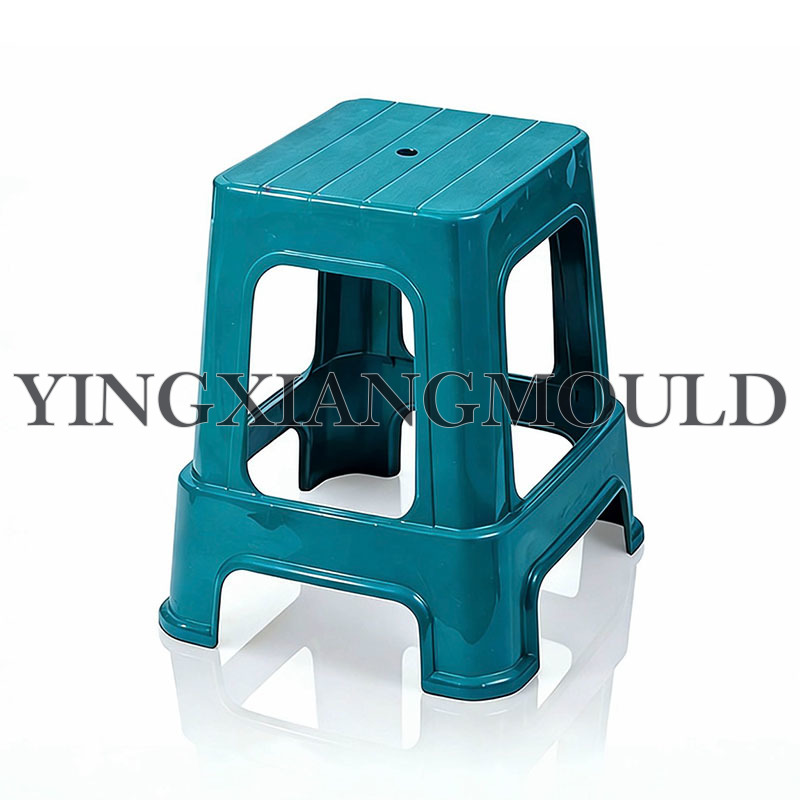
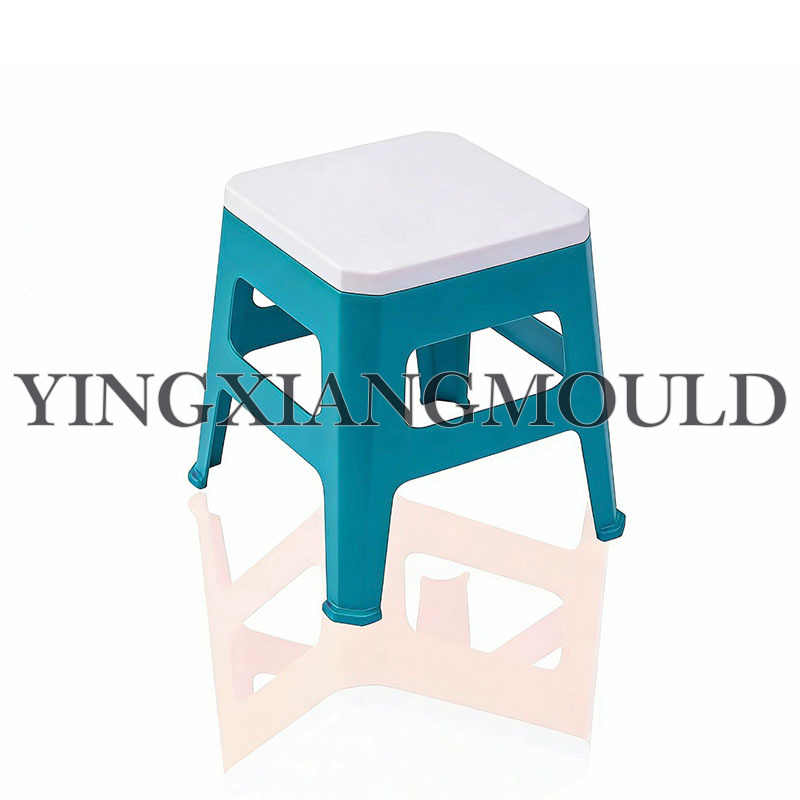
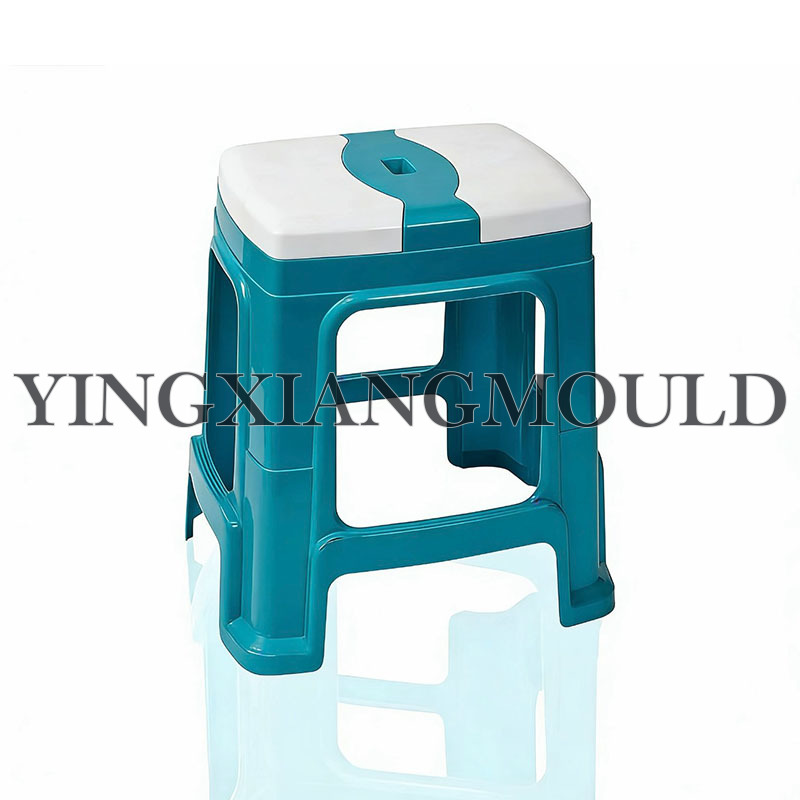
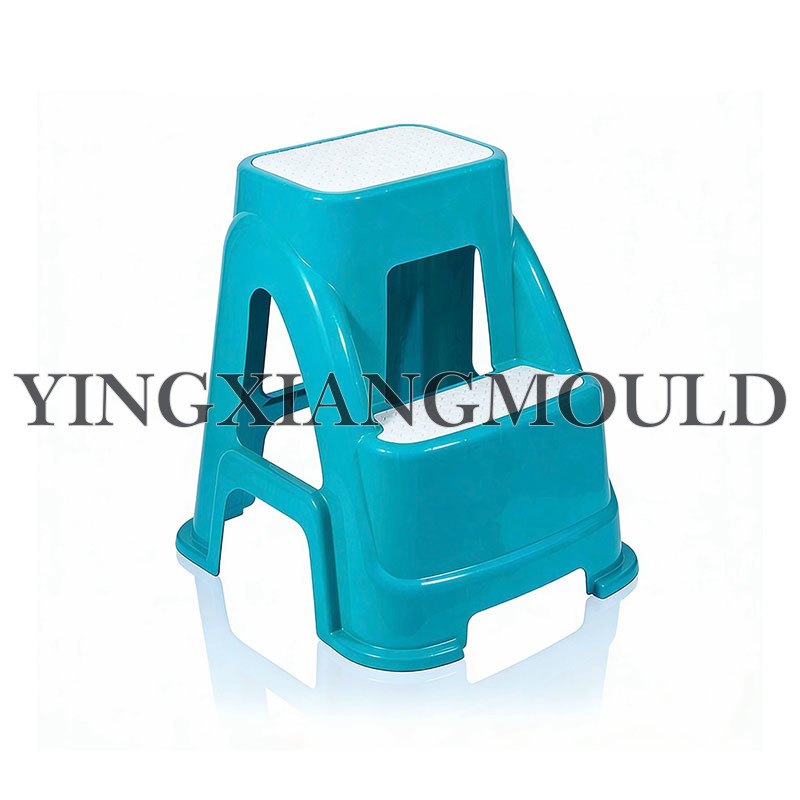
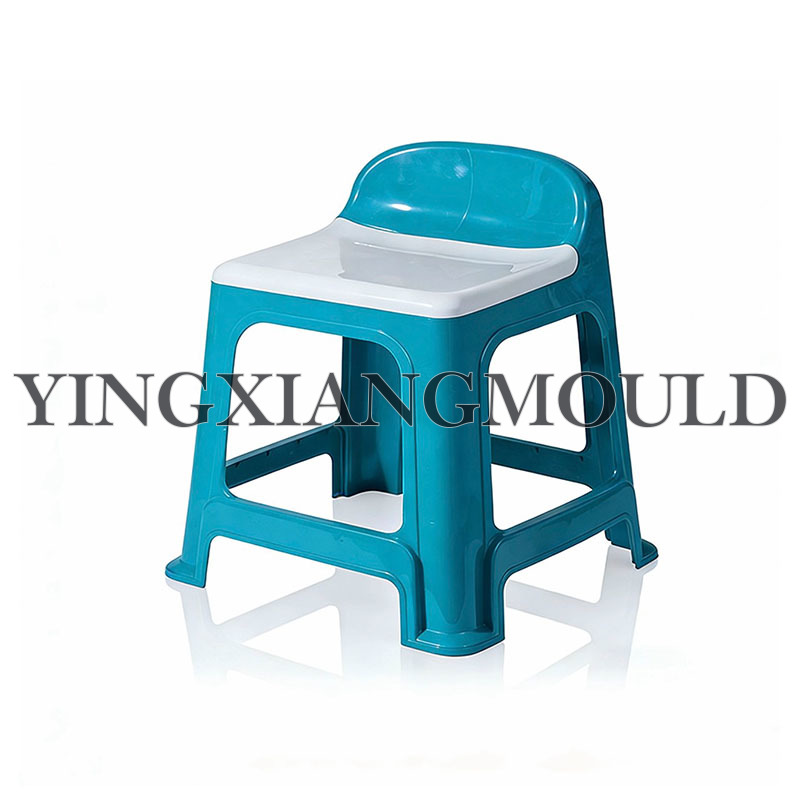
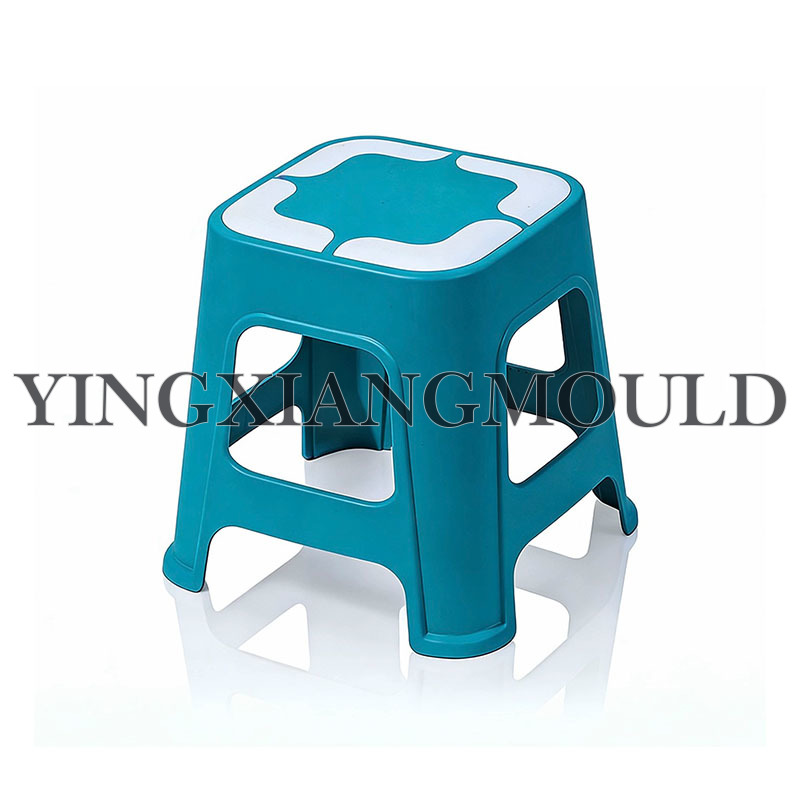
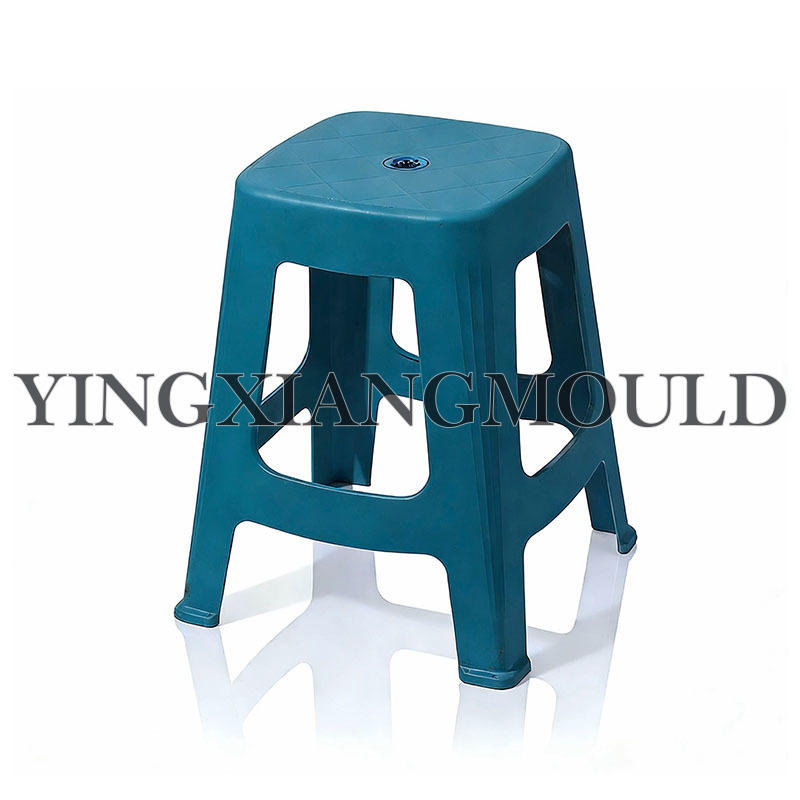
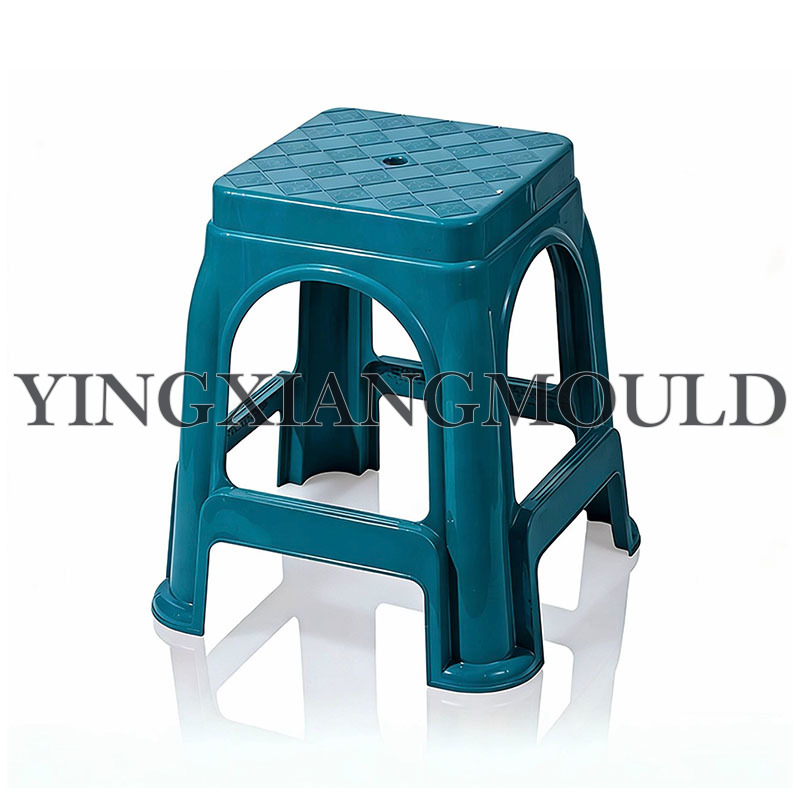
A stool mold is a specialized injection mold used for the mass production of plastic stools. It's essentially a "metal mold"—molten plastic raw material (such as PP, HDPE, etc.) is injected under high pressure into the mold cavity, cooled, solidified, and then removed to obtain a finished plastic stool with a perfectly uniform shape and size.
Core Components:
- Cavity: Determines the shape and texture of the stool's seat (e.g., imitation rattan, matte, high-gloss).
- Core: Determines the stool's internal structure, reinforcing rib layout, and wall thickness distribution.
- Leg Molding Mechanism: Stool legs are typically molded integrally with the seat, requiring a slider or lifter mechanism for undercut demolding.
- Gating System: Cold or hot runner system guides molten plastic into the cavity.
- Cooling System: The design of the circulating water system directly affects the molding cycle; stool molds typically require uniform cooling to prevent warping.
- Ejection System: Pushes the molded stool out of the mold, usually using ejector plates or ejector blocks.
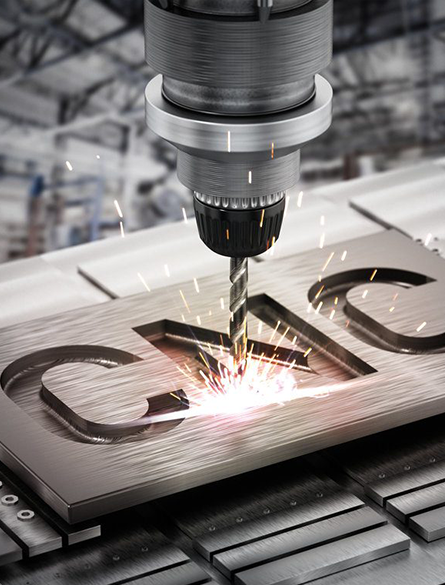
- Mold Material: Typically made of mold steels such as P20, 718H, NAK80, and S136, manufactured through CNC machining, EDM, and polishing. A high-quality stool mold can last for 300,000 to 1,000,000 injection cycles.
Application Scenarios: Which industries need to purchase stool molds?
Stool molds serve the plastic furniture manufacturing industry, which is an important part of the global plastic furniture market. The following are the core application scenarios:
1. Household Furniture
- Product Types: Children's stools, shoe changing stools, bathroom non-slip stools, folding stools, step stools
- Design Features: Emphasis on ergonomics, lightweight, stackable design to save storage space
- Material Selection: Household stools mostly use PP (polypropylene) or HDPE, which have advantages such as food-grade safety, chemical resistance, and low cost.
- Market Reference: The global plastic furniture market is growing, with major consumption areas including Asia Pacific, North America, and Europe.
2. Commercial & Hospitality
- Product Types: Restaurant stools, bar stools, outdoor lounge stools, waiting area benches
- Performance Requirements: Must have high load-bearing capacity (usually requiring a static load-bearing capacity of over 150kg), wear resistance, and easy cleaning.
- Design Trends: Rattan-like textured outdoor stools, stackable storage design for easy daily cleaning and storage in restaurants.
- Industry Standards: Commercial furniture must meet relevant fire protection and safety standards.
3. Outdoor & Garden
- Product Types: Patio Benches, Terrace Benches, Portable Camping Benches
- Special Requirements: UV stabilizers must be added to prevent fading and embrittlement caused by direct sunlight; weather resistance and water resistance are required.
- Material Characteristics: More UV-stabilized PP or HDPE; some high-end products use glass fiber reinforced composite materials to improve structural strength.
- Market Reference: Outdoor plastic furniture has stable demand in the European and North American markets; weather resistance is a core consideration for procurement.
4. Industrial & Warehouse
- Product Types: Workshop Benches, Warehouse Stocking Benches, Anti-static Benches
- Performance Requirements: Extremely high load-bearing capacity, oil resistance, impact resistance; some require anti-static properties.
- Design Characteristics: Simple and sturdy structure; typically uses a thickened wall design (3-5mm) to reduce reinforcing ribs for easier cleaning.
Purchasing Rationale: Why do B2B buyers need to purchase bench molds?
1. Significant Benefits of Economies of Scale
Although the initial investment for a set of bench molds ranges from several thousand to tens of thousands of US dollars, once the mold is completed, the unit production cost is extremely low. For furniture manufacturers with an annual production capacity of hundreds of thousands of pieces, building their own molds is a core means of cost control.
2. Differentiated Design Competition
The plastic stool market suffers from severe homogenization. Owning independent molds means the ability to develop unique designs—such as rattan-like textures, ergonomic curved seat surfaces, hidden reinforcing ribs, and stackable snap-fit structures. Molds are the source of product differentiation and directly determine the market competitiveness of the final product.
3. Controllable Materials and Performance
Through mold design optimization, the following can be achieved:
- Lightweighting: While ensuring load-bearing capacity, wall thickness can be reduced to 2.5-3mm, resulting in a 15-20% reduction in single-piece weight and saving raw material costs.
- Structural Reinforcement: A scientific network of reinforcing ribs can be arranged at the bottom of the seat and the connection between the legs to improve load-bearing capacity without increasing weight.
- Material Compatibility: The mold can be adapted to various raw materials such as PP, HDPE, ABS, and glass fiber reinforced composite materials to meet the performance requirements of different application scenarios.
4. Molding Efficiency and Cycle Optimization
The molding cycle of a high-quality stool mold is typically between 35-55 seconds, directly affecting production capacity and energy consumption. By optimizing the cooling water channel layout (such as adding water well cooling at the junction of the stool legs and seat) and adopting a hot runner system to reduce runner waste, daily production capacity can be increased by 20-30%.
5. Stackable Design Reduces Logistics Costs
One of the core advantages of plastic stools is their stackability—precise fit between the seat and legs is achieved through mold design, allowing finished products to be nested and stacked, reducing storage and transportation volume.
Frequently Asked Questions about Stool Mold Procurement
Q1: What is the typical lifespan of a stool mold? How can it be guaranteed?
A: The lifespan of a stool mold typically ranges from 300,000 to 1,000,000 injection cycles, depending on:
- Steel selection: P20 steel is suitable for 300,000-500,000 cycles; 718H or NAK80 can reach 500,000-800,000 cycles; S136 and other stainless steel, with proper maintenance, can exceed 1,000,000 cycles.
- Maintenance: Regularly clean the parting surface, check ejector pin wear, lubricate moving parts, and prevent rust.
- Usage guidelines: Avoid overpressure injection, control raw material temperature, and replace wear parts (such as springs and seals) promptly.
It is recommended to request a mold life guarantee from the supplier during procurement, and clearly specify the list of wear parts and replacement cycles.
Q2: How long does the development cycle for a stool mold take?
A: The development cycle for a standard stool mold is typically 40-65 days, depending on:
- Design complexity: Simple round stools take about 30-40 days; stools with imitation rattan textures or complex curved surface designs take about 50-60 days; multi-colored molds or those with metal inserts may require 60-80 days.
- Number of cavities: Single-cavity molds have shorter cycles; multi-cavity molds (two or four outlets per mold) have longer processing and assembly times.
- Mold testing and machine adjustment: Typically, 2-3 rounds of mold testing (T1, T2, T3) are needed, with 3-5 days between each round, to correct dimensional deviations and optimize process parameters.
Q3: How to choose between cold runner and hot runner molds?
A:
- Cold runner molds: The plastic inside the runner solidifies into waste material after each injection and needs to be manually removed. Suitable for small batches, trial production stages, or products where material costs are not critical. The mold price is lower, but the material loss per piece is about 5-10%.
- Hot runner molds: The plastic inside the runner remains molten, resulting in no waste and saving 15-30% of material. They also have shorter molding cycles and produce products without runner marks, resulting in a more aesthetically pleasing appearance. Suitable for mass production (over 100,000 pieces per year), but mold costs increase by approximately 20-40%.



 English
 Español