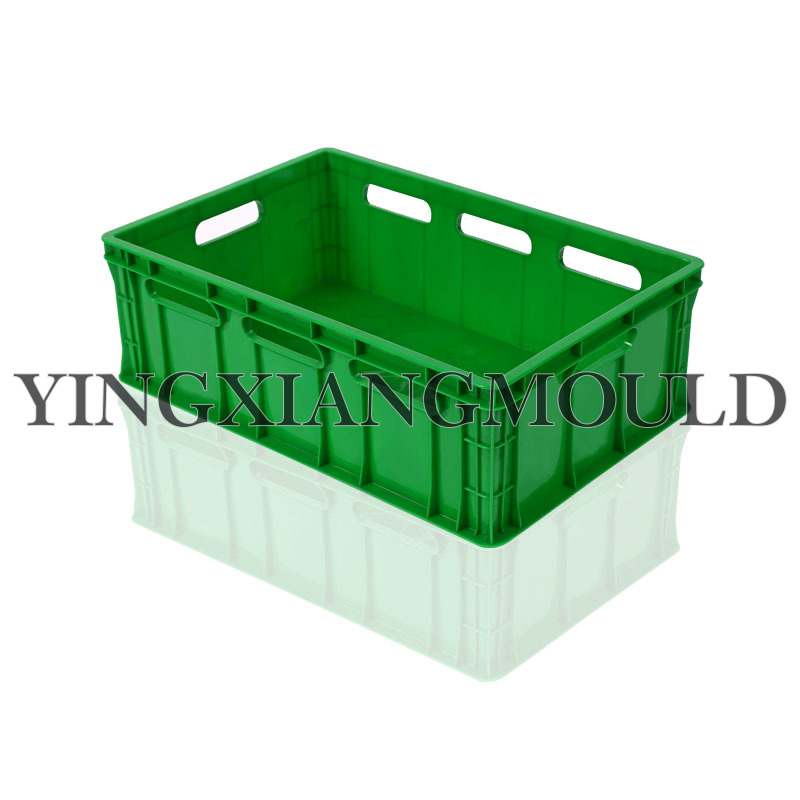
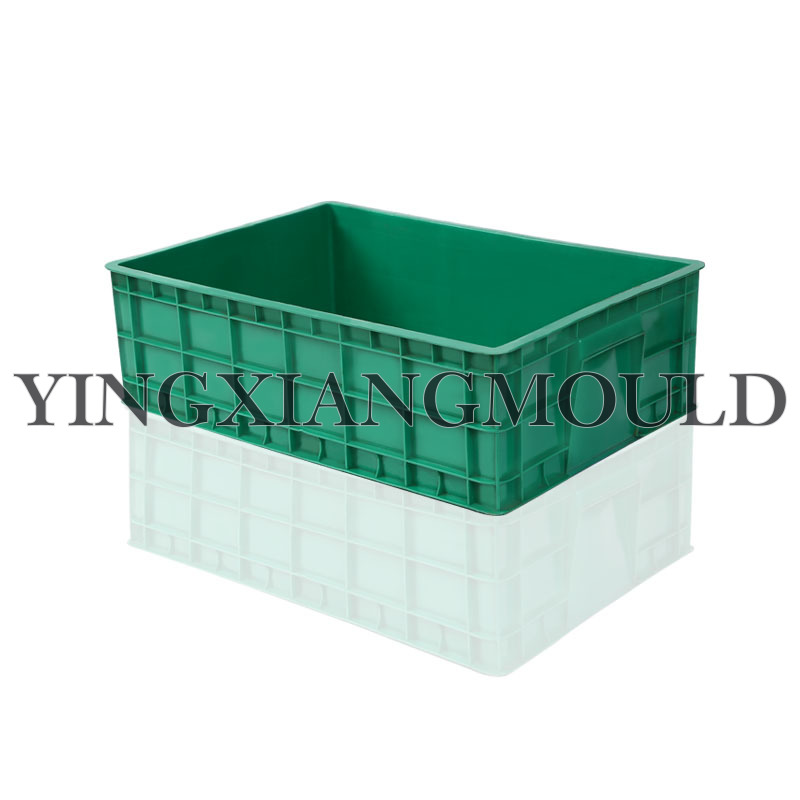
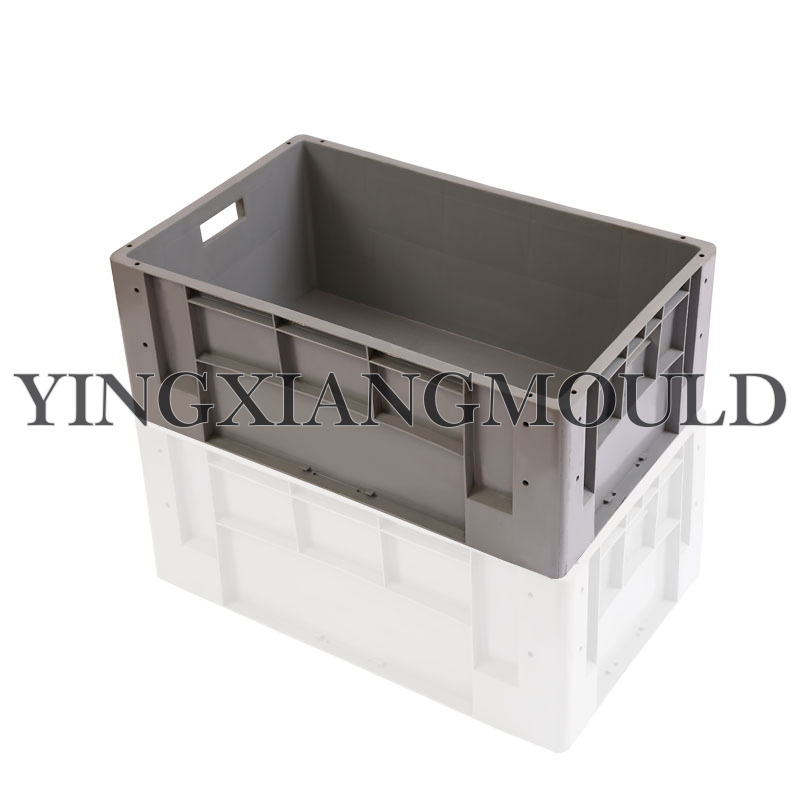
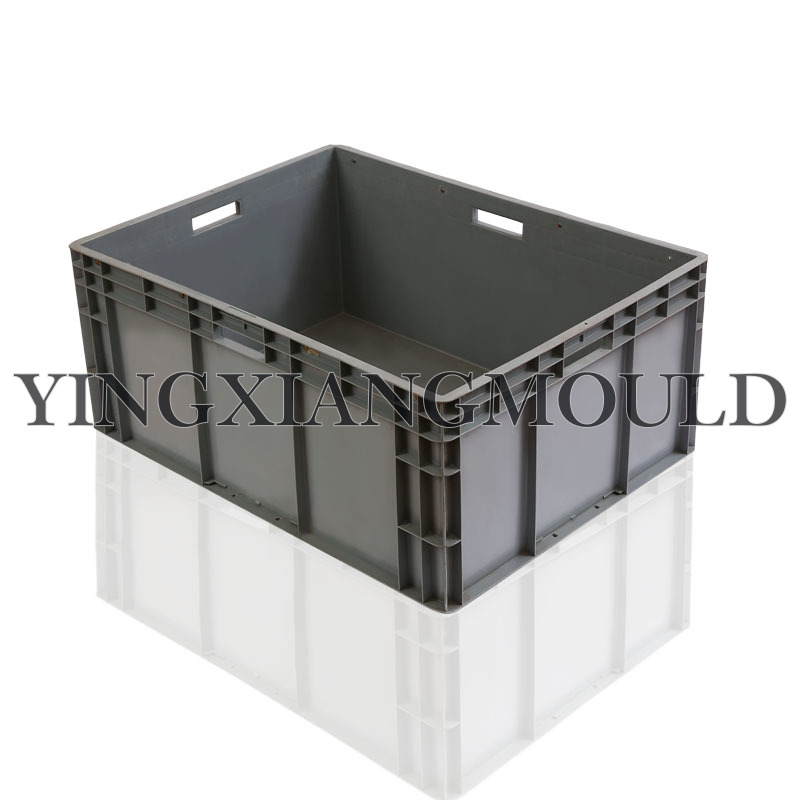
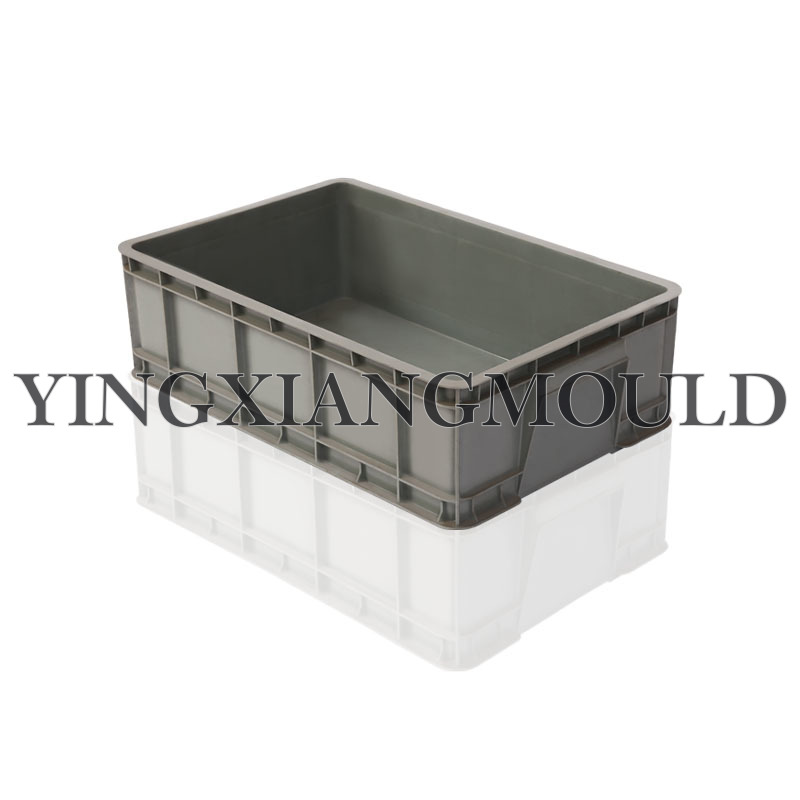
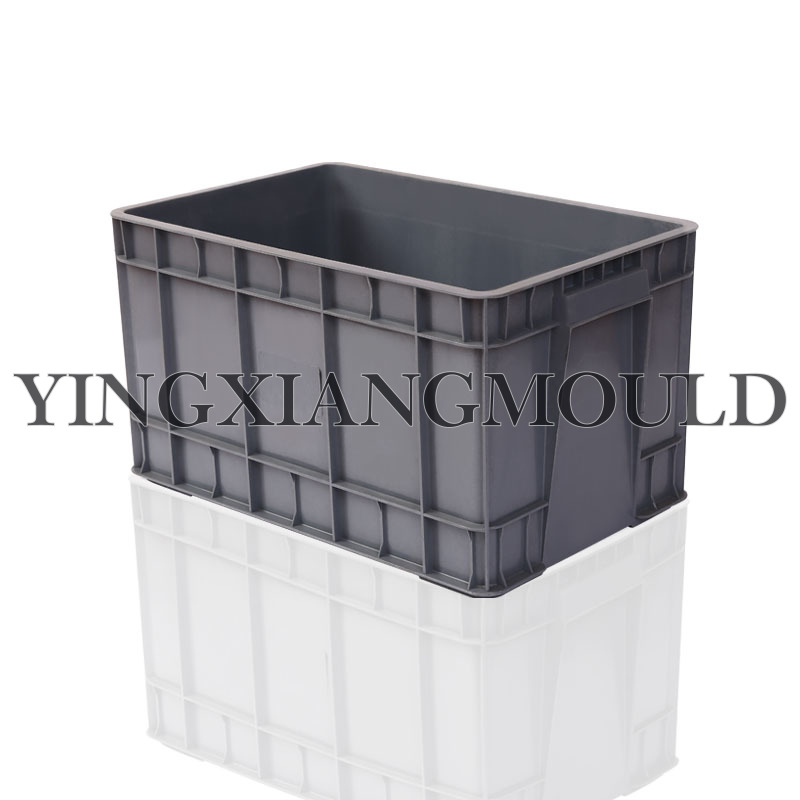
High-volume crate production puts a beverage box mould through a punishing cycle count that few other plastic products match, and that volume is exactly why wear patterns on this type of tooling follow a fairly predictable progression once shops start tracking cavity condition across long production runs.
Beverage crates rely heavily on stacking ribs and corner reinforcement to survive being loaded, stacked, and transported repeatedly through a bottling or distribution facility. A beverage box mould cavity replicates these features with fine detail, and the corners in particular experience concentrated flow stress during injection, since molten resin changes direction sharply at these points and erodes the cavity surface faster than flatter wall sections. Which cavity feature typically shows measurable wear first across a production run? Interlocking stack lugs at the crate corners, since these small protruding features carry both injection flow stress and repeated mechanical loading once the finished crate goes into service, making them a natural early indicator that mold maintenance teams check first during routine inspection.
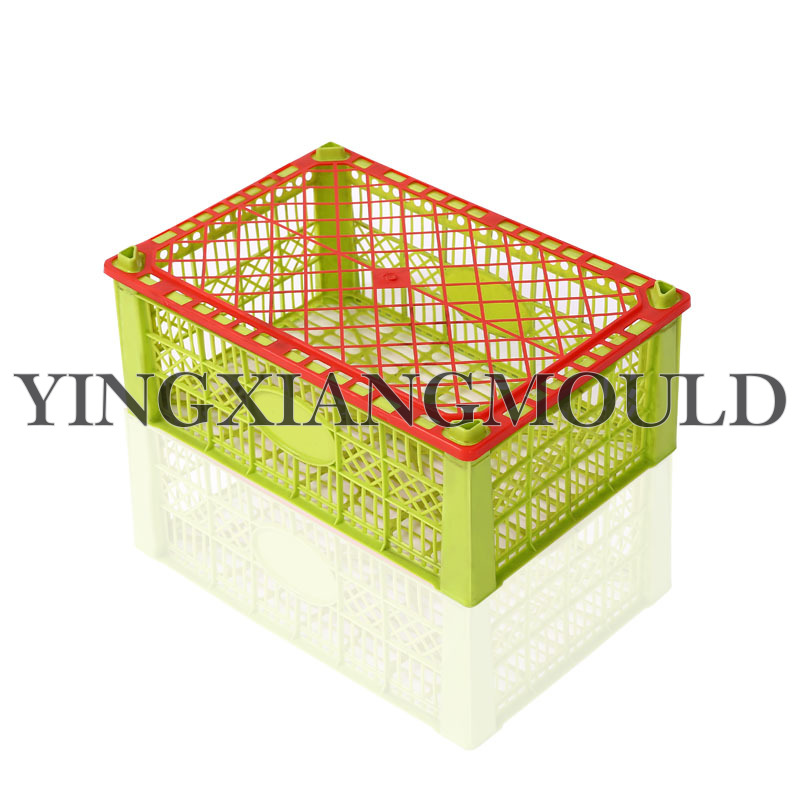
Crate molds run at aggressive fill speeds to keep cycle times short enough for economical high-volume production, and that speed creates its own wear challenge around venting. Gasses trapped inside the cavity need to escape quickly during a fast fill, and vents on a beverage box mould gradually clog with resin residue and mold release buildup over thousands of cycles. Where does this clogging cause the most visible production impact? Burn marks near vent locations, typically along the base perimeter where crates require the tightest structural tolerance, since trapped gas ignites briefly under injection pressure and leaves visible scorching on the part surface once venting efficiency drops below an acceptable threshold.
Gate design on a crate mould determines how resin enters each cavity, and the area immediately surrounding the gate experiences the highest velocity flow during every single shot. Over time, this concentrated flow erodes the steel around the gate opening, gradually enlarging it beyond its original dimension. Does this gate wear affect anything beyond cosmetic appearance? Fill balance across a multi-cavity beverage box mould can shift once one gate wears more than its neighbors, since an enlarged gate opening changes flow resistance and can cause certain cavities to fill slightly faster than others, leading to subtle dimensional inconsistency across crates produced from the same shot.
Ejector systems on crate tooling work harder than on many other product categories, since beverage crates typically require multiple ejector pins positioned around structural ribs and corner features to release the part cleanly without distortion. Which factor most influences how quickly ejector pins wear on this type of mold? Cycle frequency plays the largest role, since a beverage box mould running continuous three-shift production accumulates ejector wear far faster than one running a single shift, simply due to the sheer number of open-close-eject cycles completed within a comparable calendar period. Maintenance teams tracking pin wear typically schedule replacement before pins show visible galling, since worn pins can leave witness marks on the finished crate surface that affect appearance even when structural integrity remains unaffected.
Multi-cavity crate tooling does not wear evenly across every cavity position, and this uneven wear pattern becomes noticeable once a shop tracks dimensional data across a long production run. Cavities positioned closer to the sprue in a family-tool layout tend to experience slightly higher fill pressure than cavities positioned farther away, and that pressure difference compounds gradually into measurable wear variation across an extended production schedule. Shops running high-cavitation beverage box mould tooling often rotate maintenance schedules to inspect the highest-pressure cavity positions more frequently than positions further along the runner system, since those cavities simply accumulate wear stress faster under otherwise identical production conditions.
If you are interested in any of our products or services, please feel free to ask and we can talk about your ideas.
 QUICK LINKSMOBILE SITE
 FACTORY ADDRESS
 CONTACT INFORMATION


 English
 Español