


 English
 Español
Plastic Injection Molding Supplier
Home / Products
 View More
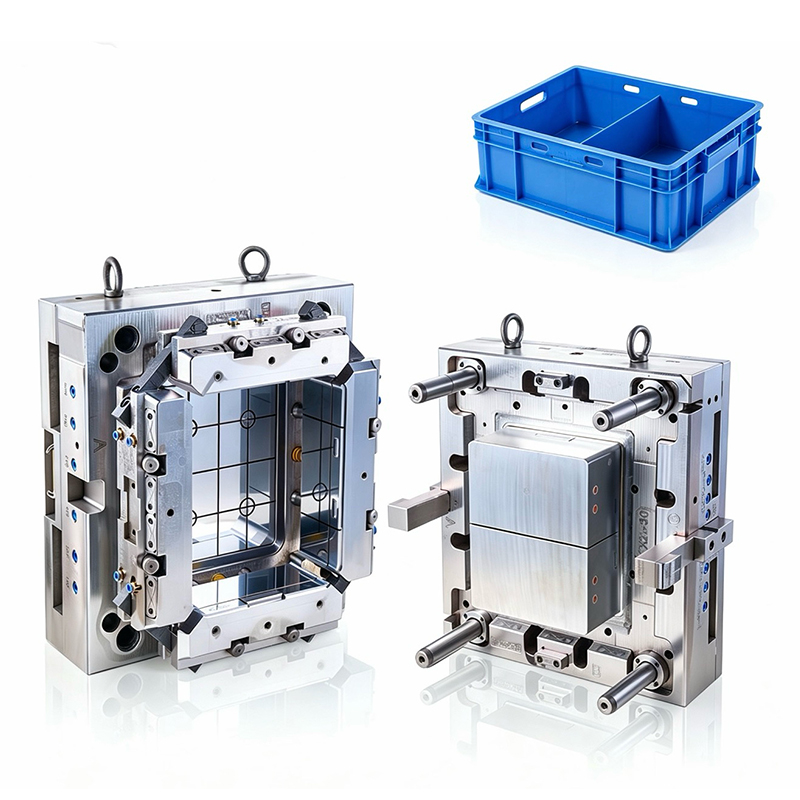 View More
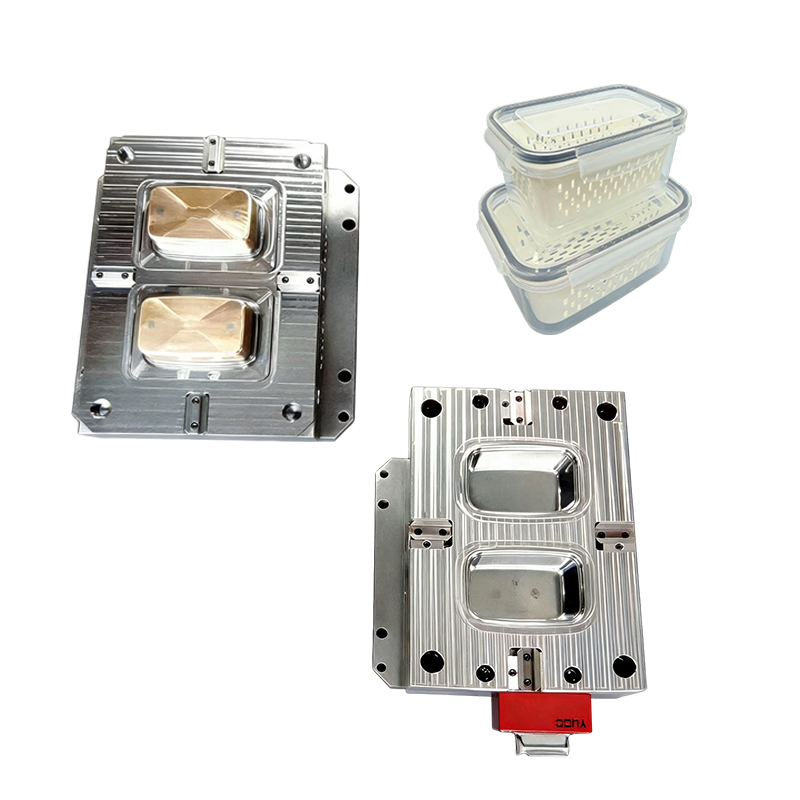 View More
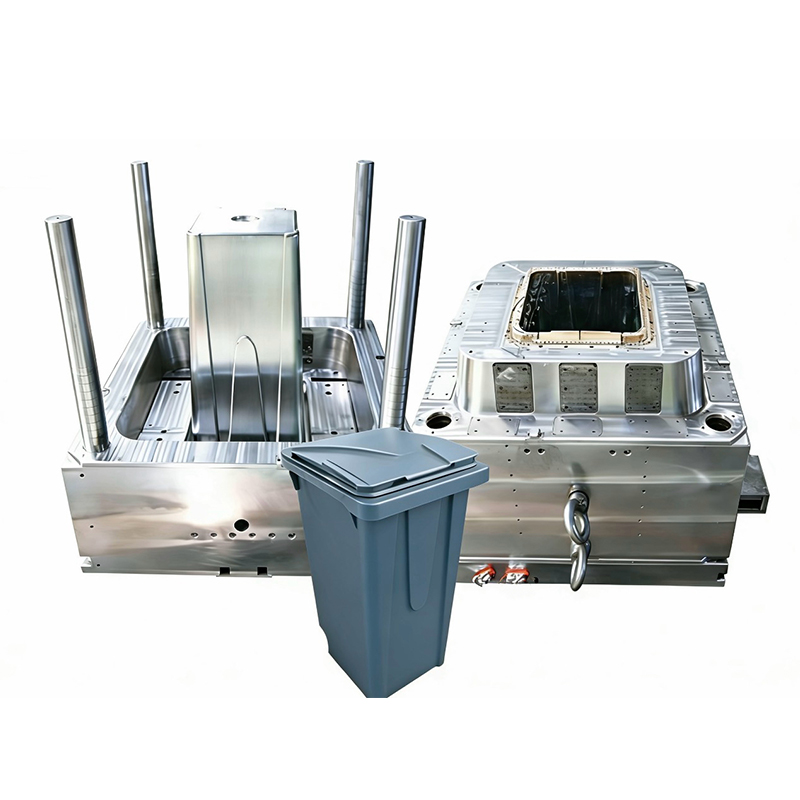 View More
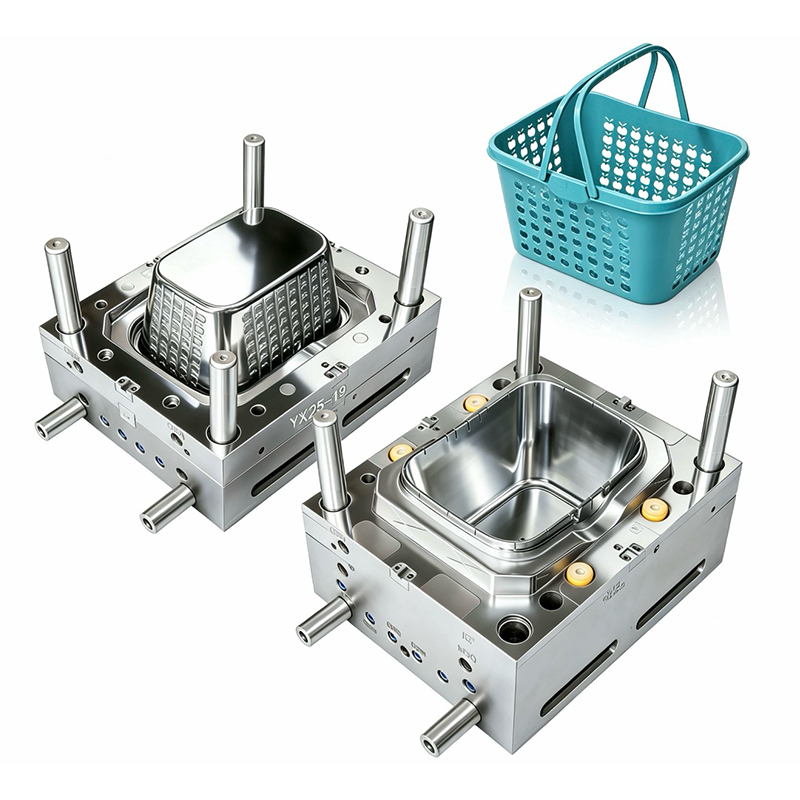 View More
 View More
 View More
 View More
 View More
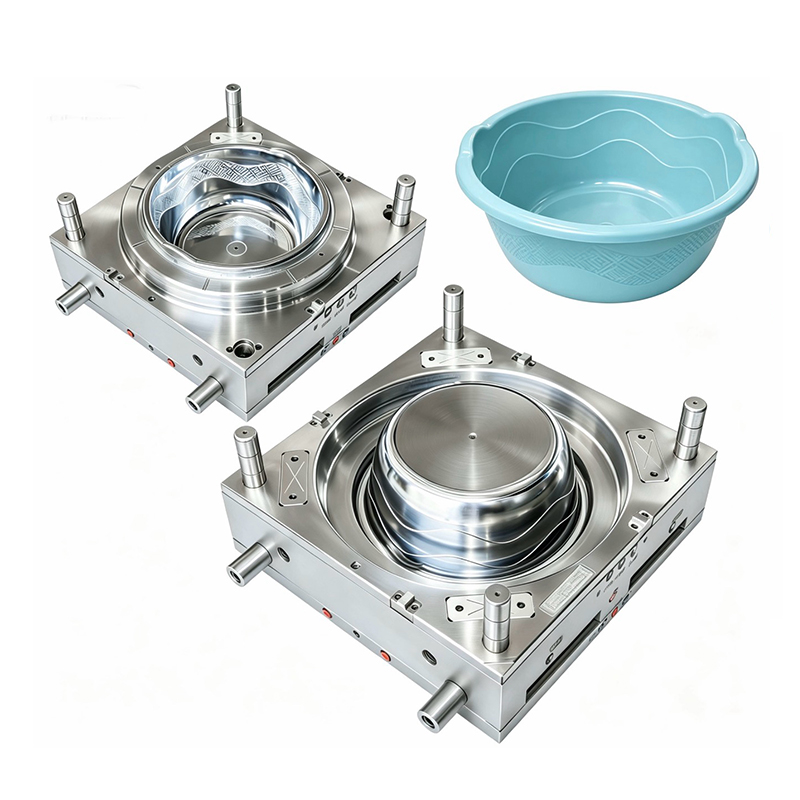 View More
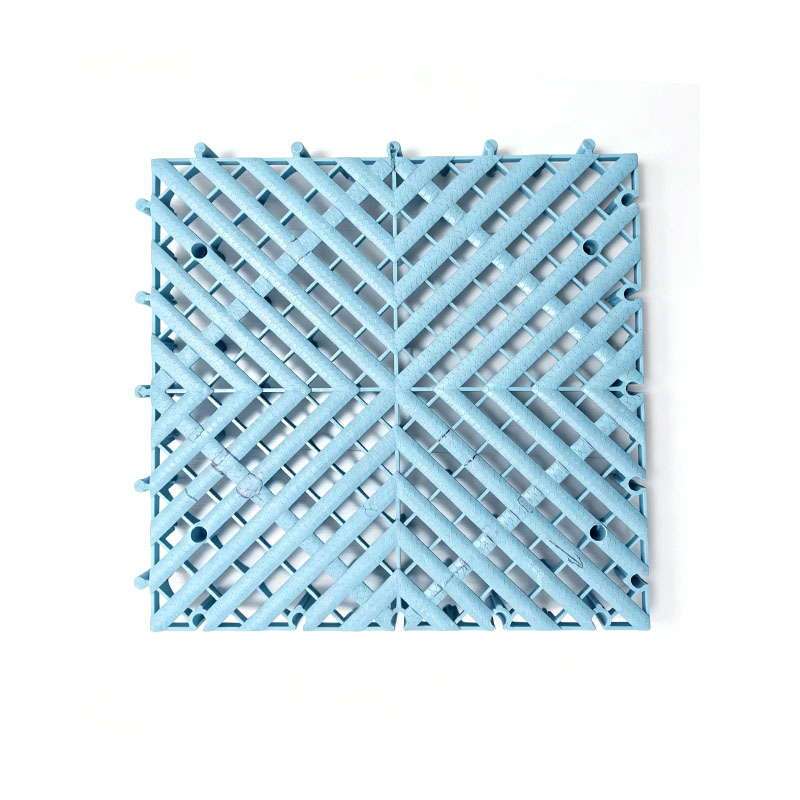 View More
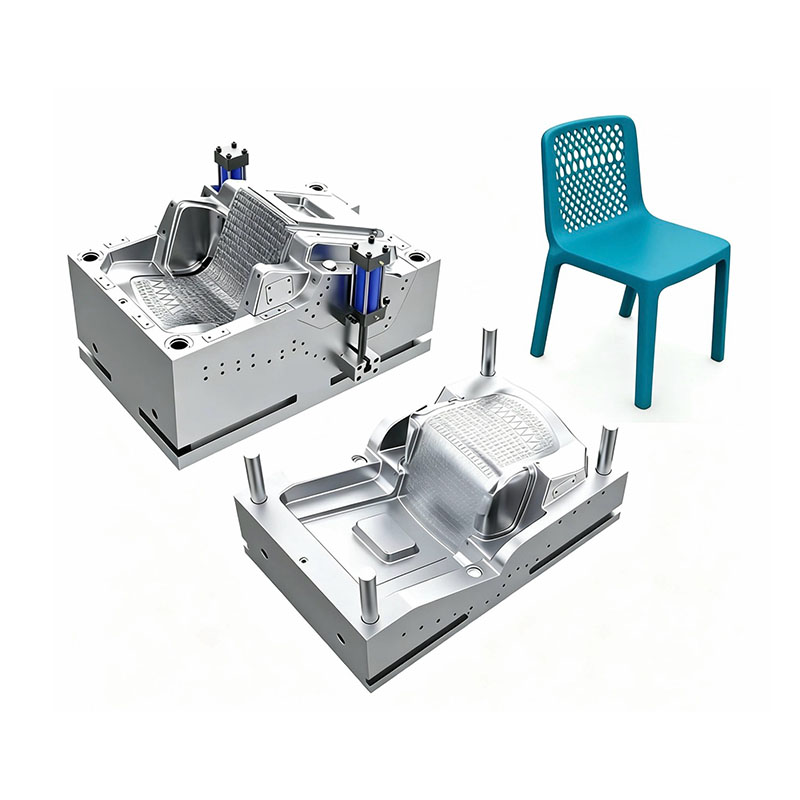 View More
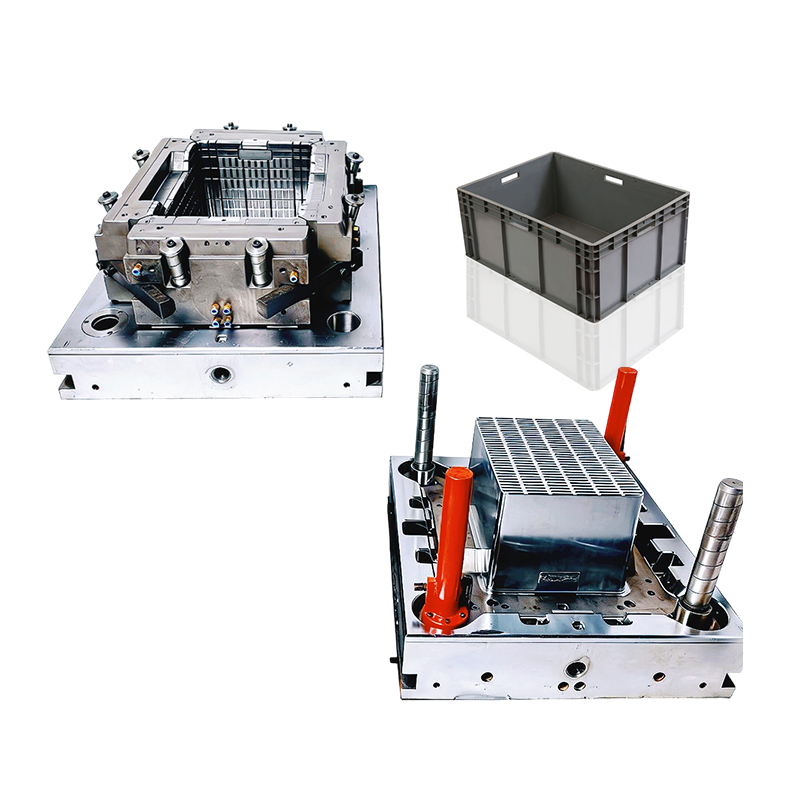 View More
Years Of Experience
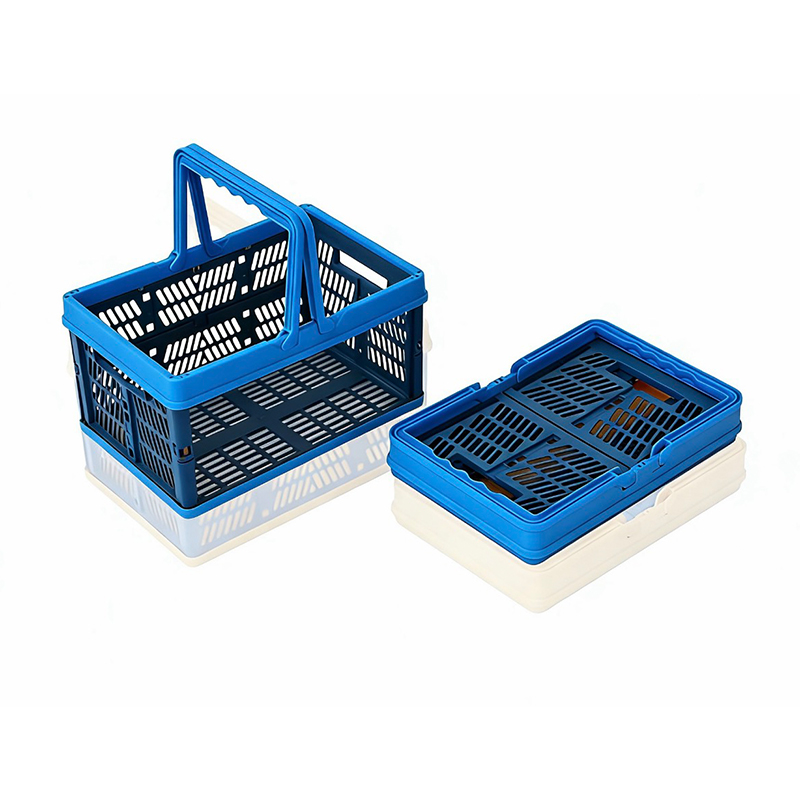
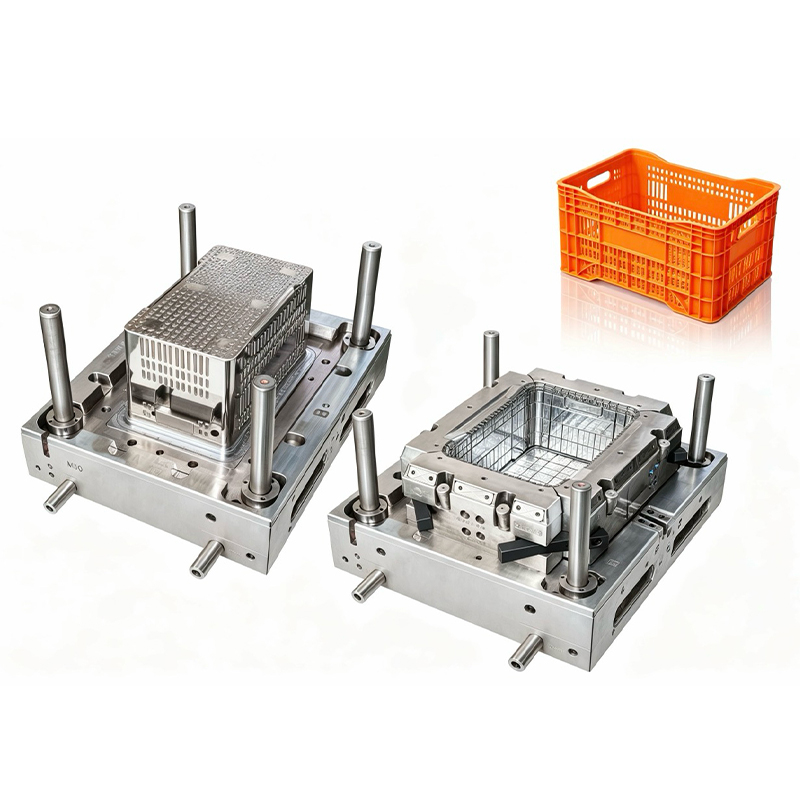
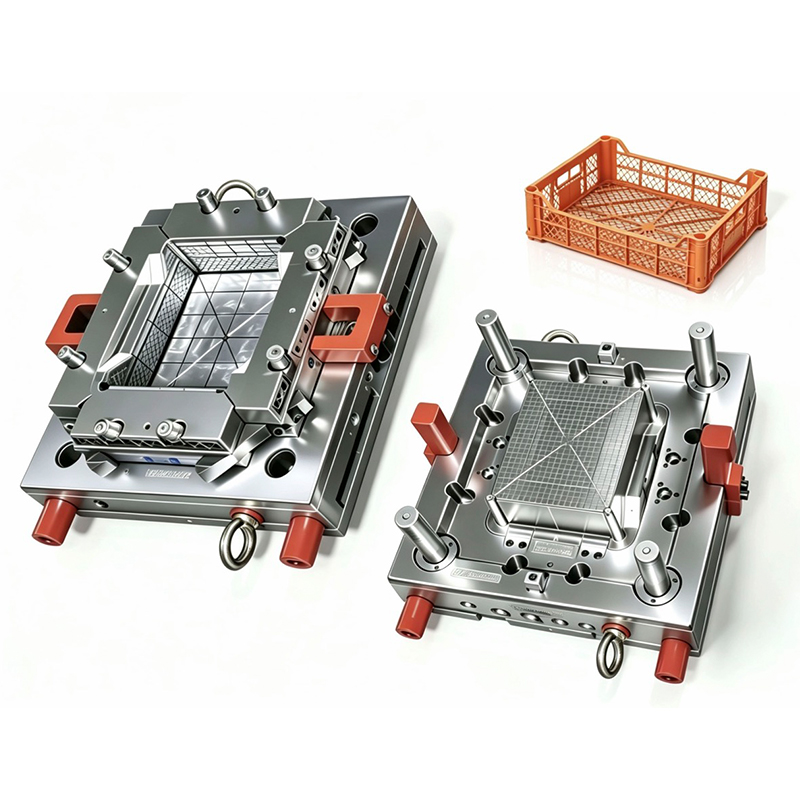
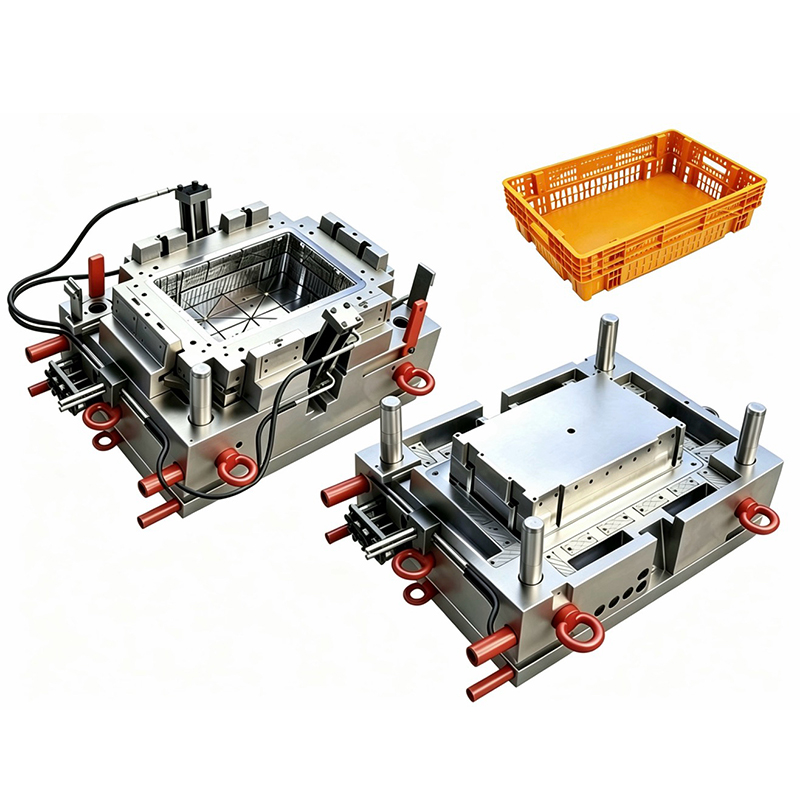
TaiZhou HuangYan YingXiang Plastic Mould Co.,Ltd. is located in Huangyan, the hometown of moulds in China, which is on the coast of the East China Sea. With convenient transportation and superior location, it is about 1 hour drive from Taizhou Airport and 10 minutes drive from Taizhou Railway Station. Our company is equipped with high-tech equipment and first-class CAD/CAE/CAM system. We have experienced technicians who strictly maintain and operate every process of production. We always adhere to the concept of lean manufacturing, long-life molds and on-time delivery to provide our customers with excellent quality, superior service, profitable growth and a complete mold solution. Recommended Products. We mainly produce crate finishing box molds, tray molds and daily household products molds, etc.
Plastic crates used for beverage distribution, produce handling, and warehouse turnover must do more than hold products....
A Plastic Industrial Box Mould must reproduce more than the outer shape of a container. Its design also needs to account...
A patterned floor mat that looks crisp and well-defined on an early production sample can lose that definition after a f...
Plastic molds are precision metal tools used for the mass production of plastic parts. They are essentially "metal molds"—molten plastic raw materials (such as PP, ABS, PC, etc.) are injected under high pressure into the mold cavity, cooled, solidified, and then removed to obtain plastic products with identical shapes and dimensions.
Core Components:
1. Automotive & Transportation
2. Packaging
3. Electronics & Electrical
4. Consumer Goods & Daily Necessities Goods
5. Industrial & Safety
1. Significant Cost-Effectiveness
Although the initial investment in plastic molds is high (a set of precision molds typically costs tens to hundreds of thousands of US dollars), once the mold is completed, the cost per unit is extremely low.
2. Product Consistency and Controllable Quality
Injection molding can achieve dimensional accuracy of ±0.05mm or even higher. Combined with automated vision inspection systems, the defect rate can be controlled below 0.1%.
3. Extremely High Design Freedom
Compared to metal processing, plastic molds can mold complex structures in one step—such as snaps, threads, undercuts, thin-walled reinforcing ribs, etc.—significantly reducing secondary assembly processes. Multi-material injection molding (overmolding) can even mold rigid and flexible materials in one piece.
4. Wide Range of Material Choices
From general-purpose plastics (PP, ABS, PS) to engineering plastics (PC, PA, PBT, TPE), and even bio-based biodegradable materials, molds can be adapted to hundreds of resin properties to meet different strength, temperature resistance, chemical resistance, and flame retardant requirements.
5. Rapid Market Response
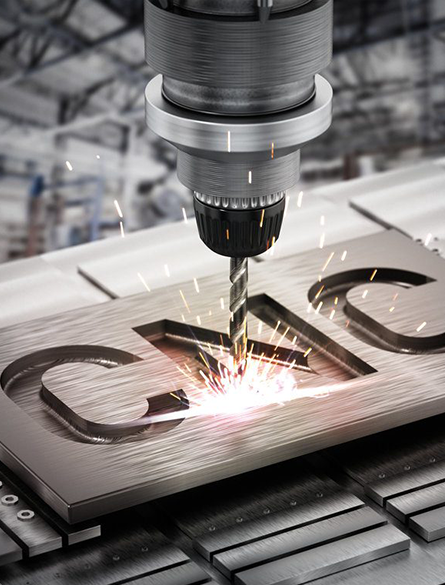
Modern mold manufacturing utilizes 3D design software, high-speed CNC machining, and EDM precision electrical discharge machining, combined with mold flow analysis simulation, which can compress mold development cycles from months to weeks, accelerating product launches.
6. Mature Supply Chain
The Asia-Pacific region (especially China) accounts for over 35% of global injection mold production, with an annual output exceeding US$15 billion, possessing a complete industrial chain from mold design, steel supply, heat treatment to mold testing.
Q1: What is the typical lifespan of a plastic mold?
A: Mold lifespan depends on the material, maintenance, and injection frequency. Ordinary P20 steel molds can withstand 300,000-500,000 cycles; high-grade steels such as H13 or S136, with proper maintenance, can reach a lifespan of over 1 million cycles. Medical-grade or optical-grade molds, due to extremely high polishing requirements, may have a slightly shorter lifespan, but this can be extended through regular maintenance.
Q2: How long is the mold-making cycle?
A: Simple molds (such as bottle cap molds) take approximately 4-6 weeks; moderately complex molds (appliance housings) take approximately 8-12 weeks; high-precision multi-cavity molds (automotive structural parts) may require 12-16 weeks. The cycle time is affected by the speed of design confirmation, steel procurement, processing scheduling, and trial molding and machine setup time.
Q3: How to choose mold steel?
A:
If you are interested in any of our products or services, please feel free to ask and we can talk about your ideas.
 QUICK LINKSMOBILE SITE
 FACTORY ADDRESS
 CONTACT INFORMATION