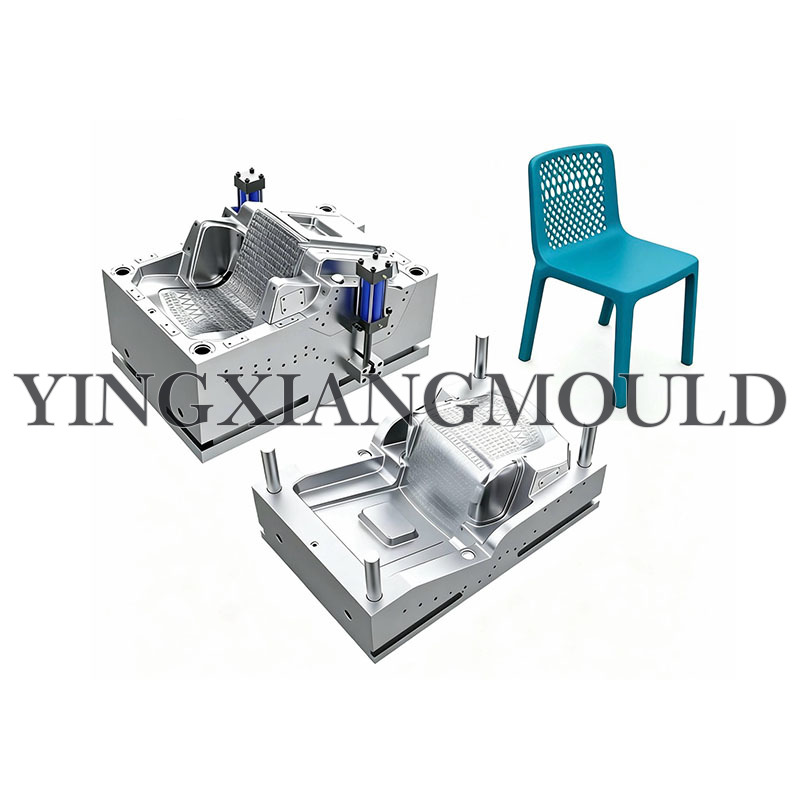
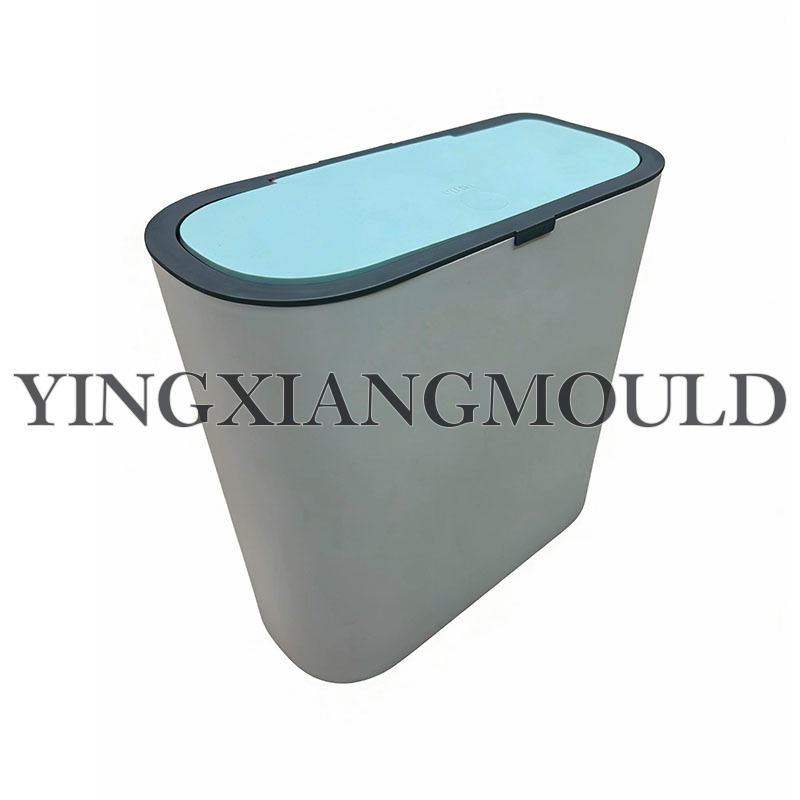
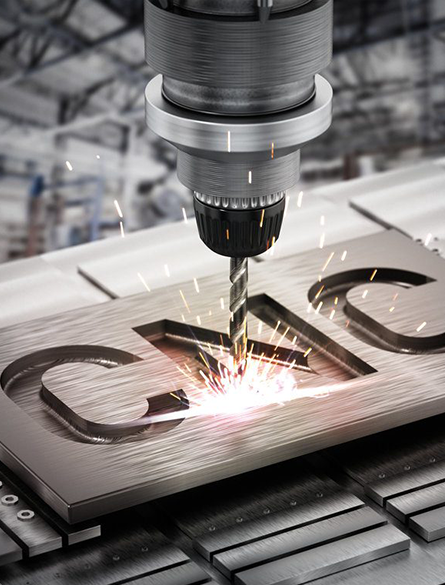
Trash can molds are industrial molds specifically designed for manufacturing plastic trash cans and related components, primarily using injection molding. These molds can be used to produce household trash cans, outdoor sanitation trash cans, recycling bins, and wheeled mobile trash cans. Mold design must consider the product's capacity, wall thickness, reinforcing rib layout, and impact resistance to ensure the finished product has good strength and a long service life.
Core Components:
- Cavity: Determines the external shape of the trash can, the texture of the body, the brand logo area, and the mating surface of the lid.
- Core: Determines the internal structure of the trash can, the capacity space, the layout of the bottom reinforcing ribs, and the wall thickness distribution.
- Lid Forming Area: The core function of a trash can is sealing and opening; the mold must precisely form the lid's snap-fit, hinge structure, and sealing edges.
- Handle/Foot Pedal Forming Mechanism: Large trash cans are usually equipped with a side handle or foot pedal opening mechanism; the mold needs to achieve complex undercut demolding through a slider or angled ejector mechanism.
- Wheel and Axle Mounting Position: Industrial-grade trash cans (120L, ...) (240L, 660L, etc.) Wheel axle mounting holes and reinforcing structures need to be pre-reserved in the mold.
- Gating System: Cold runner or hot runner, guiding molten plastic into the large mold cavity.
- Cooling System: The design of the circulating water system directly affects the molding cycle. Due to their large size and varying wall thickness, trash can molds require extremely high cooling uniformity.
- Ejection System: Pushes the molded trash can out of the mold, usually using large-area ejector blocks or ejector plate structures.
- Mold Material: Typically made of mold steels such as P20, 718H, 2738, NAK80, and H13, manufactured through CNC machining, EDM, polishing, and other processes. A high-quality trash can mold can have a lifespan of 300,000-500,000 injection cycles.
Application Scenarios: Which industries need to purchase trash can molds?
1. Municipal Sanitation
- Product Types: 120L, 240L, 660L, 1100L large outdoor trash cans, street litter bins, park recycling bins
- Design Features: Must comply with local waste sorting regulations (e.g., four categories: recyclable, hazardous, kitchen waste, other); bins typically use different colors for differentiation; equipped with foot-operated or automatic sensor lids to reduce contact contamination; swivel wheels for easy emptying.
- Performance Requirements: Static load-bearing capacity of over 200kg (stacked and full-load pressure); impact resistance (does not break from a 1-meter drop); weather resistance (UV stabilizer added, does not become brittle after 3-5 years of outdoor use); temperature range -30°C to 65°C
2. Property & Commercial Management
- Product Types: Indoor office trash cans, corridor sorting bins, lobby decorative trash cans, kitchen waste bins
- Design Features: Emphasis on aesthetic appearance (imitating metal textures, wood grain, marble patterns) to coordinate with interior design; moderate capacity (20L-60L) for easy daily cleaning and bag replacement
- Material Selection: Indoor bins mostly use PP (polypropylene), which offers advantages such as food-grade safety, chemical resistance, and low cost; high-end products use ABS or PC/ABS alloy for better surface gloss and texture
- Functional Requirements: Silent soft-close lid (damping hinge), odor-proof seal, trash bag securing ring, removable inner bin for easy cleaning
3. Industrial & Warehousing
- Product Types: Industrial waste collection bins, chemical bins, workshop waste chute matching bins, storage turnover boxes
- Special Requirements: Oil resistance, chemical corrosion resistance (acid and alkali solutions), impact resistance, forklift handling capability (forklift slots at the bottom)
- Material Characteristics: More made of HDPE (high-density polyethylene), with excellent impact resistance and chemical degradation resistance; some require the addition of antistatic agents to prevent dust explosion risks.
- Capacity Specifications: Typically 100L-240L, used in conjunction with automated waste compactors.
Purchase Rationale: Why do B2B buyers need to purchase waste bin molds?
1. Adapting to Regulatory and Standardization Requirements
Strict regulations and standards exist globally for waste sorting and sanitation facilities. Through proprietary molds, we can precisely adapt to the regulatory requirements of the target market:
- Capacity Standardization: The European EN 840 standard specifies standard capacities such as 120L, 240L, 360L, and 660L. The molds must ensure a capacity error within ±3%.
- Color Classification: Different types of waste correspond to specific colors (e.g., blue - recyclable, green - organic, brown - kitchen waste, gray - other). The molds must support rapid color-changing production.
- Interface Compatibility: The structure of wheel axle mounting positions, forklift slots, and automatic dumping hooks for garbage trucks must be compatible with the standards of the collection equipment.
2. Controllable Structural Strength and Weather Resistance
Garbage bins need to withstand extreme conditions in outdoor environments. Through mold design optimization, the following can be achieved:
- Reinforcing Rib Network: Scientifically placed reinforcing ribs at the bottom, corners, and axle mounting areas enhance compressive and impact resistance.
- Wall Thickness Optimization: While maintaining strength, the wall thickness can be optimized to 3-5mm, reducing single-piece weight by 10-15%, saving raw material costs and reducing logistics expenses.
- Nested Design: The mold design features an integrated nested structure, allowing empty bins to be stacked for transport, reducing return logistics volume by over 50%.
3. Wide and Sustainable Material Selection
Through mold design, various raw materials can be adapted:
- HDPE: Impact resistant, UV resistant, and chemically resistant, it is the mainstream material for large outdoor trash cans, with a melt flow index (MFI) typically selected at 4-6.
- PP: Scratch resistant and with better chemical resistance, suitable for indoor and medical use bins; antibacterial agents can be added.
- Recycled Materials: Modern mold design supports raw materials containing 30-50% recycled HDPE, complying with circular economy and carbon neutrality policies. HDPE trash cans are 100% recyclable, making them a typical environmentally friendly product.
- Modified materials: Adding UV stabilizers, impact modifiers, and glass fiber reinforcement improves their outdoor lifespan.
4. Molding Efficiency and Cycle Optimization
The molding cycle of high-quality trash can molds is typically between 60-120 seconds, directly impacting production capacity and energy consumption. Optimizing the cooling water system layout (e.g., adding water wells for cooling in the bottom reinforcing ribs and wheel axle mounting areas) and using a hot runner system to reduce runner waste can increase daily production capacity by 15-25%. A professional mold manufacturer has simultaneously improved the lifespan and efficiency of large trash can molds through short-cycle design.
Common Problems in Trash Can Mold Procurement
1. Why are there such large price differences in molds?
Even for the same trash can mold, different suppliers can quote prices that differ by tens of thousands of yuan or more.
Main sources of difference:
- Mold steel grade
- Hot runner or cold runner configuration
- Number of mold cavities
- Automatic demolding system
- Hydraulic core-pulling mechanism
- Machining accuracy
- Usage of brand standard parts
When purchasing, don't just compare prices; compare the configuration list as well.
2. Does the mold support automated production?
Modern trash can production lines typically require:
- Automatic part picking
- Automatic gate cutting
- Robot support
- Automatic stacking
Before purchasing, the following should be confirmed:
- Mold with reserved automation interfaces
- Mold opening method compatible with robots



 English
 Español