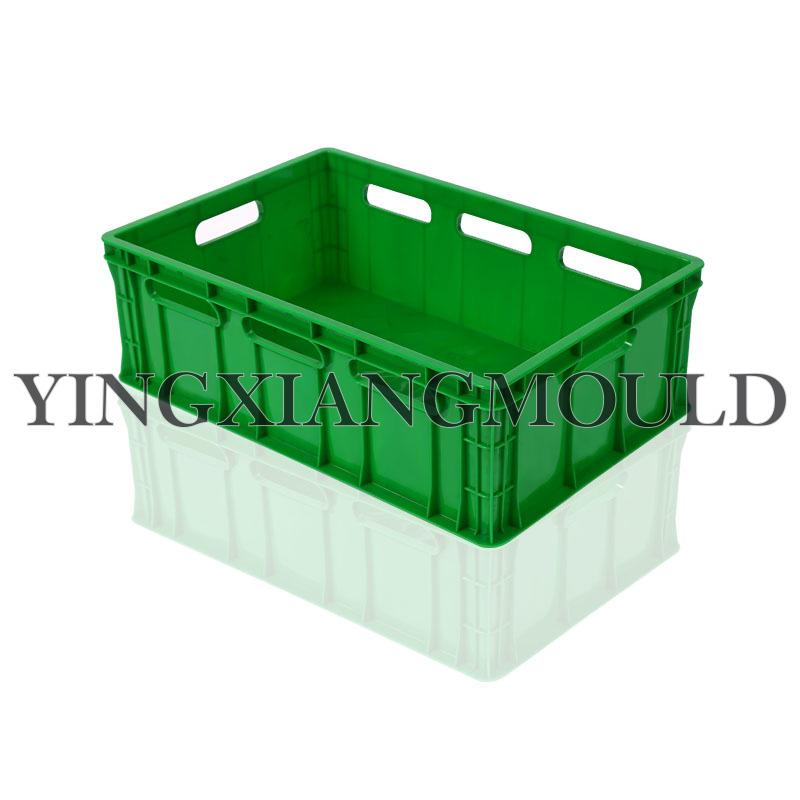
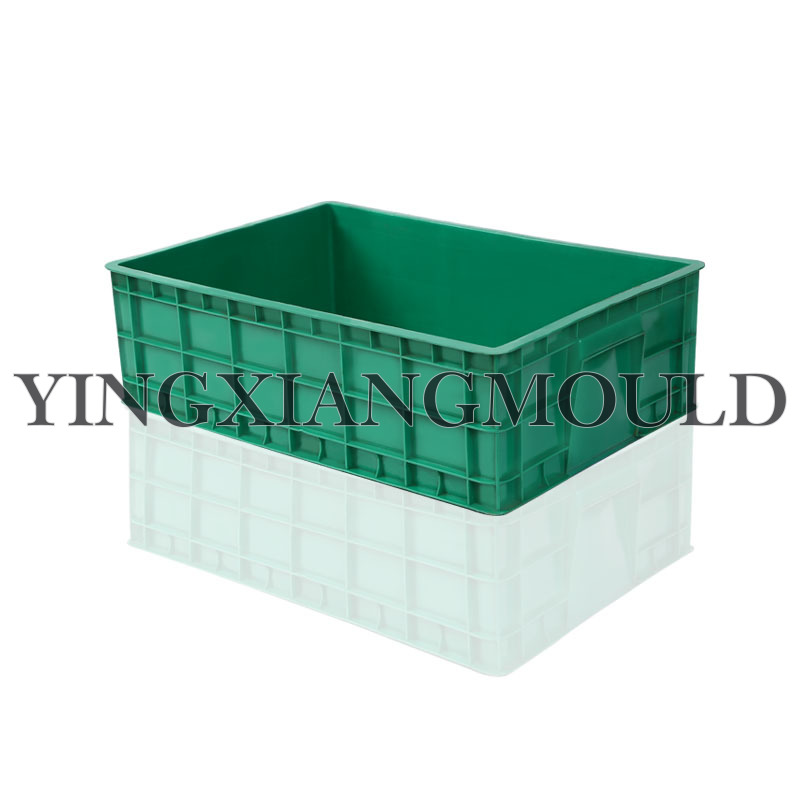
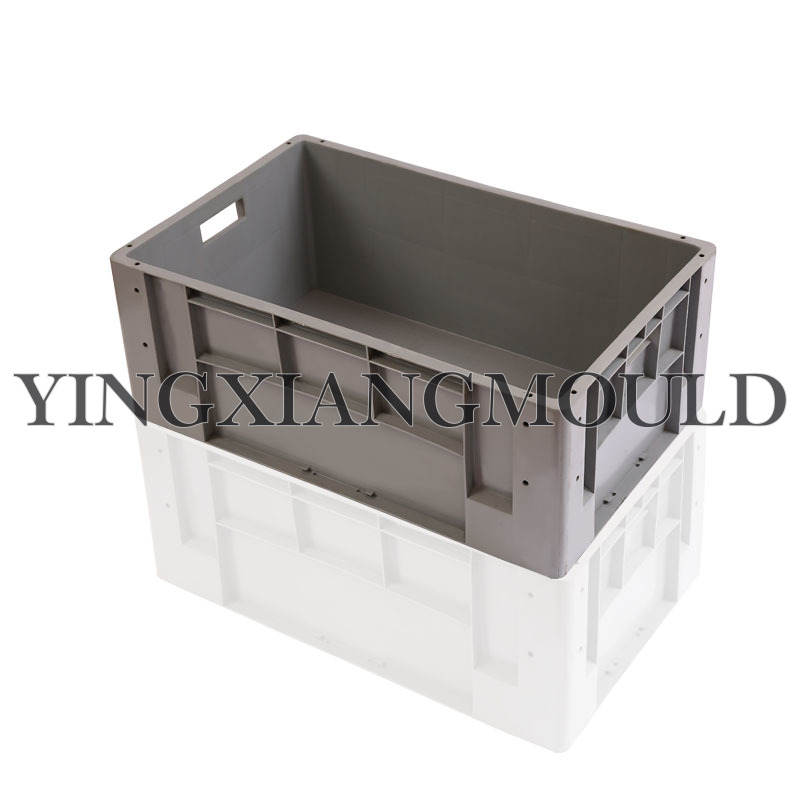
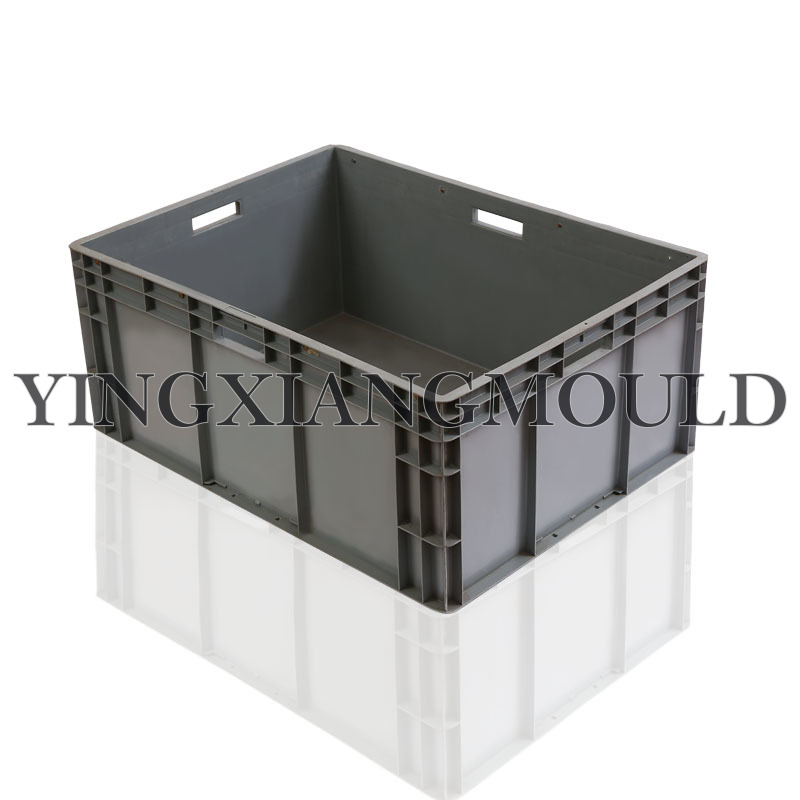
A fruit basket is a simple household product, but producing a high-quality basket consistently requires careful engineering, accurate mould construction, and a clear understanding of how consumers use the finished item. The Diamond-Grid Fruit Basket combines an open geometric structure with practical carrying capacity, ventilation, visibility, and attractive appearance. Behind this product is a precision plastic injection mould designed to help manufacturers achieve stable dimensions, clean surfaces, reliable strength, and efficient production.
For fruit retailers, supermarkets, restaurants, catering businesses, homes, and commercial storage environments, a fruit basket must do more than hold produce. It should allow air to circulate around fruit, make the contents easy to identify, remain comfortable to carry, resist everyday impact, and maintain its appearance after repeated use. The diamond-grid design addresses these requirements through a balanced combination of open structure and supporting ribs.
The mould used to manufacture this basket has an equally important role. A basket with multiple openings, intersecting ribs, handles, corners, and curved surfaces can be difficult to mould if the tooling is not carefully planned. Mould flow, cooling, ejection, parting-line placement, steel selection, machining accuracy, and trial production all influence the final product. A well-developed mould reduces defects and supports economical high-volume injection moulding.
TaiZhou HuangYan YingXiang Plastic Mould Co., Ltd. provides customized plastic injection mould solutions for fruit baskets and other household and industrial products. Based in Huangyan, Taizhou, Zhejiang, China, the company operates a 7,000-square-metre facility with approximately 50 employees. Since its establishment in 2012, it has developed experience in crate moulds, folding box moulds, pallet moulds, beverage box moulds, storage box moulds, and moulds for daily-use plastic products.
This article examines the Diamond-Grid Fruit Basket as a product and explains the manufacturing strengths that support its performance. It also discusses design advantages, injection mould engineering, quality control, production efficiency, customization possibilities, maintenance, and the factors that buyers should consider when selecting a mould supplier.
Diamond-Grid Fruit Basket
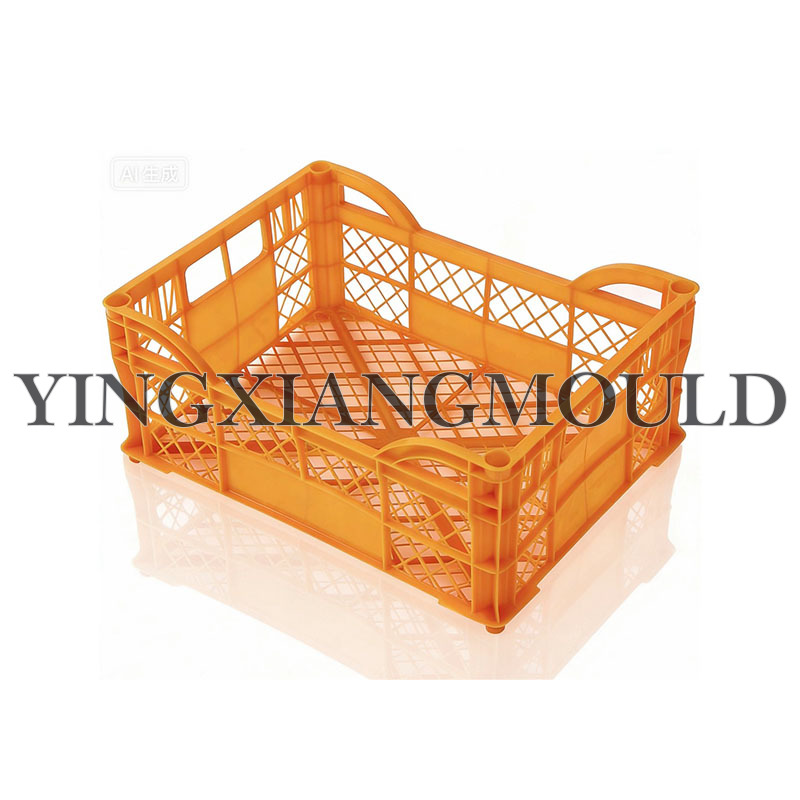
The Diamond-Grid Fruit Basket is a reusable plastic container designed for organizing, carrying, displaying, and temporarily storing fruit and other household items. Its open diamond pattern gives the basket a distinctive visual identity while creating ventilation openings throughout the side walls. The structure can be adapted for different dimensions, colours, handle configurations, wall thicknesses, and capacity requirements according to the customer’s application.
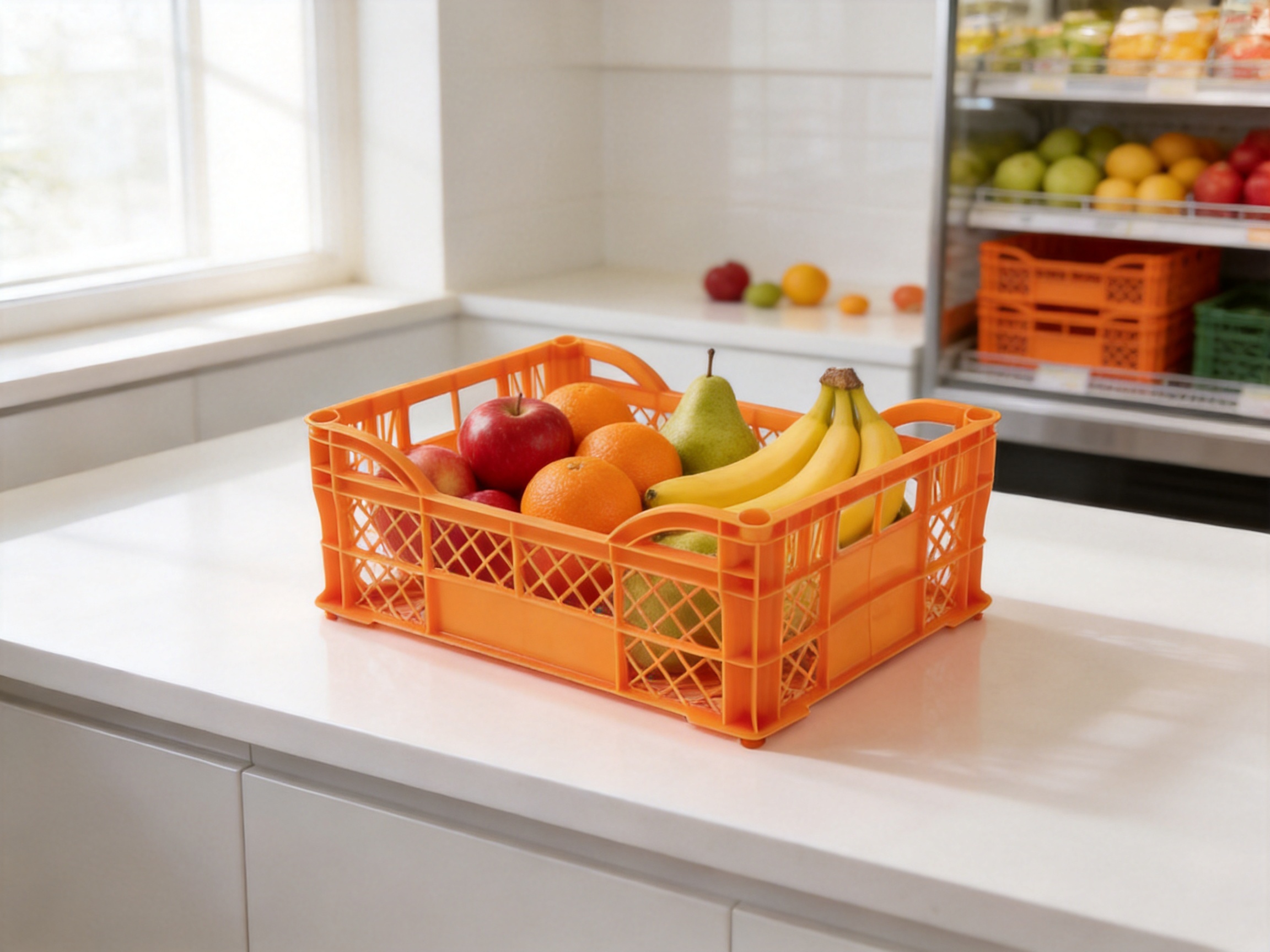
In domestic environments, the basket can be used to store apples, oranges, bananas, pears, vegetables, snacks, packaged food, toys, cleaning supplies, or small household accessories. In commercial environments, it can support product display, produce handling, pantry organization, food-service preparation, and short-distance transportation. Its open design makes it easy to see the contents without removing items from the basket.
The basket form is especially suitable for applications where ventilation is important. Fresh fruit can release heat and moisture during storage. A fully closed container may restrict airflow and increase the risk of condensation, while an overly open structure may reduce stability or allow small products to fall through. The diamond-grid layout provides a practical middle ground by combining ventilation with a supporting network of ribs.
The product can also be manufactured in multiple colours to match retail branding, household interiors, seasonal promotions, or product categories. Depending on the selected plastic material and production requirements, the finished basket may be designed for light household use or for more demanding repeated handling.
The diamond-grid pattern is the most visible feature of the product. It is formed by intersecting diagonal ribs that create a series of open diamond-shaped sections. This pattern can offer a more decorative appearance than a plain perforated wall while maintaining a strong structural framework.
The open sides improve visibility. Users can identify the contents from different angles, which is helpful in kitchens, market displays, food-service areas, and warehouse organization. Better visibility can reduce the need to open or rearrange containers repeatedly.
The basket’s geometry can be designed with reinforced edges, rounded corners, and a suitable base structure. These elements help improve handling comfort and reduce the risk of sharp contact points. They also provide areas where mould designers can manage shrinkage, ejection, and structural support.
Injection moulding allows the product to be manufactured repeatedly with consistent dimensions. When the tooling is correctly engineered, each production cycle can reproduce the same basket profile, grid pattern, handle position, and base design. This consistency is important for retail presentation, stacking, packaging, and customer satisfaction.
Many plastic baskets are available in the market, including solid-wall baskets, rectangular perforated baskets, wire baskets, woven baskets, and simple open trays. The Diamond-Grid Fruit Basket competes by combining decorative appearance with practical functionality. Its advantages are not based on one feature alone; they result from the relationship between the open pattern, the supporting ribs, the container shape, and the moulding process.
Fresh produce benefits from air movement. The open diamond pattern allows air to pass through the side walls, helping reduce the accumulation of warm, humid air around the stored contents. This is useful for fruit and vegetables that are held temporarily before consumption, display, preparation, or transport.
Ventilation does not replace correct food-handling practices, refrigeration, or sanitation. However, a well-designed basket can support better airflow compared with a closed plastic box. The size and distribution of the openings can be selected according to the product’s intended use.
The contents remain visible from outside the basket. This is valuable for household organization because users can quickly locate stored items. It is also beneficial in retail and hospitality environments, where the appearance and accessibility of fruit can influence purchasing and handling efficiency.
Compared with an opaque container, the open-grid basket allows staff or consumers to inspect the quantity and condition of fruit more easily. The visibility also gives the product a lighter and more decorative appearance, which can make it suitable for kitchen counters, dining areas, cafés, and market displays.
A basket wall does not need to be completely solid to provide useful structural performance. Intersecting ribs can distribute loads across the side wall while leaving open sections between them. This approach may reduce material consumption compared with an equivalent solid-wall design, although the final material savings depend on product dimensions, resin selection, wall thickness, and performance targets.
Material efficiency can influence unit cost, shipping weight, cycle time, and environmental impact. A mould designer must balance these goals with stiffness, impact resistance, surface quality, and service life. Excessively thin ribs may cause deformation or breakage, while overly thick sections may increase weight and create moulding defects.
A fruit basket is frequently lifted, moved, and placed on different surfaces. The handle area must therefore be designed for comfortable gripping and adequate load support. Rounded transitions can improve comfort, while localized reinforcement can help manage stress around the handle connection.
Good handling design also considers how users grip the basket when it is full. The handle opening should provide sufficient clearance, and the surrounding structure should avoid uncomfortable edges. These details may appear small, but they directly affect the perceived quality of the finished product.
The diamond pattern provides visual differentiation in a crowded household-products market. Its regular geometry can create a modern, orderly appearance that is suitable for both practical and decorative applications. Colour masterbatch, surface texture, and mould finish can further influence the product’s appearance.
A consistent grid is particularly important. Uneven diamonds, inconsistent rib widths, visible weld lines in prominent areas, or variations in surface gloss can reduce the perceived quality of the basket. Precision mould design and stable injection parameters help maintain a uniform result across production batches.
The open structure allows water and cleaning solutions to pass through the basket more readily than through a closed container. There are fewer broad enclosed surfaces where moisture can remain trapped. Rounded corners and properly finished transitions can further support cleaning and reduce the accumulation of residue.
Whether the basket is suitable for repeated food contact depends on the selected resin, additives, manufacturing controls, cleaning conditions, and applicable regulations. Buyers should define these requirements before mould and material selection.
| Design feature | Practical benefit | Manufacturing consideration |
|---|---|---|
| Diamond-grid side wall | Ventilation, visibility, and distinctive appearance | Rib intersection, filling balance, and parting-line planning |
| Reinforced upper rim | Improved rigidity and comfortable handling | Uniform thickness and control of shrinkage |
| Open base structure | Drainage, reduced trapped moisture, and lower weight | Support during ejection and resistance to warpage |
| Rounded corners | Safer handling and easier cleaning | Accurate cavity machining and suitable polishing |
| Integrated handle area | Convenient lifting and carrying | Stress management, core movement, and ejection design |
| Custom colour capability | Brand coordination and product differentiation | Material compatibility and colour consistency |
The final basket may look simple, but its mould contains a three-dimensional negative representation of the entire product. Every diamond opening, diagonal rib, curved corner, handle section, and base feature must be accurately formed in the cavity and core. If the mould is poorly designed, the injection machine may not be able to compensate for the resulting problems.
Mould quality affects dimensional stability, surface finish, cycle time, ejection reliability, and service life. It also determines whether the manufacturer can produce the basket at a competitive cost over a large number of cycles. A durable mould can provide value throughout years of production, while a low-cost mould with weak components may create repeated maintenance expenses.
Plastic must flow through the mould cavity and reach the furthest areas before solidifying. The diamond-grid structure includes numerous narrow ribs and intersections that can influence flow. If the filling pattern is not balanced, the product may develop short shots, weld lines, air traps, burn marks, or uneven packing.
Computer-aided engineering tools can help evaluate filling behaviour, pressure requirements, cooling performance, and potential deformation before the mould is manufactured. CAD, CAE, and CAM systems allow the design team to identify risk areas and improve the tool layout at an earlier stage.
Gate location is especially important. A suitable gate arrangement can help distribute material evenly and reduce visible flow marks in important areas. The best solution depends on product size, resin type, machine capability, expected production volume, and appearance requirements.
Plastic parts with abrupt thickness changes may experience sink marks, voids, differential shrinkage, or warpage. A fruit basket’s intersecting ribs and reinforced rim must be designed carefully so that thicker areas do not cool significantly more slowly than thinner sections.
The product design should maintain practical transitions between ribs, corners, base supports, and handle structures. Where additional strength is necessary, reinforcement can be achieved through geometry rather than simply adding excessive material. This approach supports both performance and moulding stability.
Cooling is one of the main factors influencing injection cycle time and dimensional consistency. A properly arranged cooling system removes heat from the mould in a controlled and balanced manner. If one side of the mould cools faster than another, the basket may warp or develop uneven shrinkage.
For a product with an open grid, cooling channels must be positioned around the main cavity and core while preserving structural integrity inside the mould plates. The design team must also consider difficult areas near handles, corners, thick rims, and base supports. Efficient cooling can improve productivity without compromising quality.
After the plastic has cooled sufficiently, the finished basket must be removed from the mould without distortion or damage. The grid pattern creates multiple contact areas and may require carefully distributed ejector pins, sleeves, stripper plates, or other ejection solutions.
Ejection force should be balanced across the product. Concentrated force in a thin rib or unsupported section may leave marks or deform the part. The mould should also provide adequate draft angles so that the product releases smoothly from the cavity and core.
The parting line is the boundary where mould sections meet. Its position affects flash, visible marks, tooling complexity, and product appearance. For a basket with a decorative grid, the parting line should be placed where it can be controlled and, when possible, minimized from the most visible surfaces.
Accurate machining and fitting are essential to prevent excessive flash along the basket rim, grid openings, or handle areas. During mould trials, technicians inspect these locations and adjust the tool if necessary.
TaiZhou HuangYan YingXiang Plastic Mould Co., Ltd. combines digital design systems, machining equipment, experienced technicians, and structured production procedures to develop plastic injection moulds. Its location in Huangyan, Taizhou, a well-known mould manufacturing area, provides access to an established industrial ecosystem and skilled technical resources.
Digital design is the foundation of modern mould development. Three-dimensional CAD modelling helps define the product geometry and tooling structure. Engineers can review the basket’s wall thickness, ribs, handles, draft angles, inserts, and assembly relationships before steel is cut.
CAE analysis can be used to assess filling, packing, cooling, and warpage risks. Although simulation results must be confirmed through physical mould trials, early analysis helps guide decisions about gate positions, runner systems, cooling layouts, and likely problem areas.
CAM programming connects the approved design with computer-controlled machining. This supports accurate production of mould components and helps maintain consistency between the digital model and the finished tool. Integrated data management also reduces the risk of manual design interpretation errors.
Complex basket moulds require accurate milling, drilling, electrical discharge machining, grinding, polishing, and fitting. The quality of each process contributes to the final product. A small mismatch in a cavity insert can create flash, uneven ribs, or visible surface defects.
Modern machining equipment improves repeatability and helps manufacture detailed grid structures. Precision machining is particularly valuable around diamond intersections, narrow ribs, curved corners, and handle sections. The mould components must be manufactured within suitable tolerances and checked before assembly.
Software and equipment are important, but practical mould-making experience remains essential. Skilled technicians understand how a design behaves during machining, fitting, injection, cooling, and ejection. They can recognize potential risks that may not be obvious in a two-dimensional drawing or computer model.
Experience with crates, folding boxes, pallets, beverage boxes, storage containers, and household products is relevant because these products share several technical challenges. They often require large mould structures, repeated-cycle durability, efficient filling, stable dimensions, and cost-effective production.
A mould is not considered complete simply because the components have been assembled. Trial moulding verifies how the tool performs with the selected material and injection machine. Technicians inspect the first samples for filling, flash, shrinkage, deformation, surface appearance, ejection marks, and dimensional accuracy.
Adjustments may include gate refinement, vent improvement, polishing, insert correction, cooling changes, or parameter recommendations. A systematic trial process helps convert the theoretical design into a stable production solution.
For products expected to be manufactured in large quantities, mould life is a major commercial consideration. The selected steel, heat treatment, wear-resistant components, guide systems, cooling fittings, and maintenance access all influence service life.
A long-life mould can reduce the cost per part over time by limiting unplanned downtime and extending the period between major repairs. It can also support consistent product quality across many production batches. Mould longevity should therefore be evaluated together with initial purchase price rather than considered separately.
Not all injection moulds deliver the same production value. A basic mould may produce an acceptable sample but become inefficient or unstable during long-term manufacturing. The advantages of a professionally engineered Diamond-Grid Fruit Basket mould become clearer when the tool is evaluated over its entire operating life.
Consistent cavity dimensions, balanced cooling, reliable ejection, and controlled processing windows help produce baskets with uniform size and appearance. Repeatability is important when products are packed together, displayed in rows, or used with compatible lids, shelves, cartons, or logistics systems.
Stable repeatability also reduces material waste caused by rejected parts. When the mould runs consistently, operators can spend less time making frequent adjustments and more time maintaining normal production output.
Potential defects in an open-grid basket include short shots in narrow ribs, flash at intersections, weld lines in visible areas, warpage in the base, sink marks near thick supports, and ejection deformation. Advanced design review and trial production can reduce these risks before the mould enters mass production.
Defect prevention is generally more economical than correction after a product launch. A mould supplier that evaluates the entire filling and cooling process can help customers avoid repeated production interruptions.
Cycle time includes mould closing, injection, packing, cooling, opening, and ejection. Cooling often represents a significant part of the total cycle. Efficient cooling channels and appropriate wall thickness can help shorten the cycle while preserving part quality.
Cycle efficiency directly affects output per machine and the production cost of each basket. A mould that produces parts quickly and reliably can provide an advantage over a tool that requires excessive cooling or frequent manual intervention.
Moulds are production assets and require maintenance. Wear components, cooling connections, ejector systems, and moving elements must be accessible for inspection and replacement. A maintainable mould can reduce downtime and simplify service work.
Clear component identification, practical assembly design, and replaceable wear parts are useful features for customers that plan to operate the mould for many years. Maintenance planning should be discussed during the design stage rather than after a problem occurs.
Different markets may require different basket capacities, shapes, colours, handles, stacking features, labels, or surface textures. A professional mould supplier can review the customer’s product concept and recommend suitable modifications rather than forcing every project into one standard design.
Customization may involve changing the overall length and width, adjusting the grid opening, increasing the rim strength, adding a logo area, changing the base pattern, or modifying the handle. Each change must be checked for mouldability, strength, appearance, and production cost.
The choice of plastic material affects the basket’s impact resistance, stiffness, weight, surface finish, temperature performance, chemical resistance, and suitability for food-related applications. Polypropylene and high-density polyethylene are commonly considered for reusable household and storage products, but the correct material depends on the intended use and applicable requirements.
Polypropylene can offer a useful balance of light weight, stiffness, fatigue resistance, and processability. It may be suitable for baskets that need repeated handling and moderate flexibility. High-density polyethylene can provide impact resistance and a durable surface, depending on the grade and design.
Material selection should be made together with mould design. Different resins have different shrinkage behaviour, flow characteristics, cooling requirements, and processing windows. The mould designer needs accurate material information to estimate dimensions and optimize the injection system.
For products used around food, buyers should specify whether food-contact compliance is required in the destination market. The resin, colourant, additives, processing conditions, cleaning procedures, and documentation should all be reviewed. A basket intended only for general household storage may have different requirements from one used directly with unpackaged food.
Recycled material may be considered for suitable applications, but its performance and consistency must be evaluated. Recycled content can vary in melt flow, colour, contamination level, and mechanical properties. If recycled resin is planned, the customer and mould supplier should establish clear material specifications and quality controls.
Colour is an important selling feature for household products. Bright colours may support retail visibility, while neutral colours may suit kitchens, restaurants, and storage areas. Colour consistency depends on resin preparation, masterbatch dispersion, machine cleaning, processing temperature, and production control.
Mould surface finish also affects the appearance of the basket. A polished finish can create a smoother visual effect, while a textured finish may help reduce the visibility of minor handling marks. The selected finish should be appropriate for the product’s use, cleaning requirements, and market positioning.
Quality control should begin before mould manufacturing and continue through design review, machining, assembly, trial moulding, final inspection, and customer approval. A complete process reduces the chance that a problem will remain hidden until mass production.
Before machining begins, the product model should be reviewed for draft, wall thickness, rib proportions, handle strength, corner radii, ejection direction, and possible undercuts. The mould structure should be checked for cooling access, insert positioning, guide systems, and maintenance requirements.
Design verification is also the right time to discuss production expectations. The customer should communicate annual volume, preferred machine size, material type, target cycle time, acceptable cosmetic limits, and packaging method.
Mould plates, inserts, cores, sliders, ejector components, and standard parts should be inspected during manufacturing and assembly. Dimensional checking helps ensure that the components match the approved design and fit together correctly.
Inspection may include coordinate measurement, gauge checking, surface inspection, hardness verification, and visual examination. The exact inspection plan depends on the mould size, product complexity, and customer requirements.
Trial samples should be reviewed for dimensions, weight, appearance, opening quality, handle strength, base stability, and ejection marks. The basket should also be examined under practical handling conditions, such as lifting, loading, placing, and repeated use.
If the product is intended for stacking or nesting, these functions should be checked during the trial stage. Small variations in rim dimensions or side-wall geometry can influence how baskets fit together. Early confirmation prevents expensive modifications after delivery.
Clear communication improves the mould development process. Product drawings, three-dimensional files, material specifications, colour references, inspection standards, trial reports, and approved sample records should be managed carefully.
Customers benefit when the supplier provides timely updates and explains technical decisions in practical terms. This is especially important for overseas projects, where the customer may not be able to visit the facility during every stage of production.
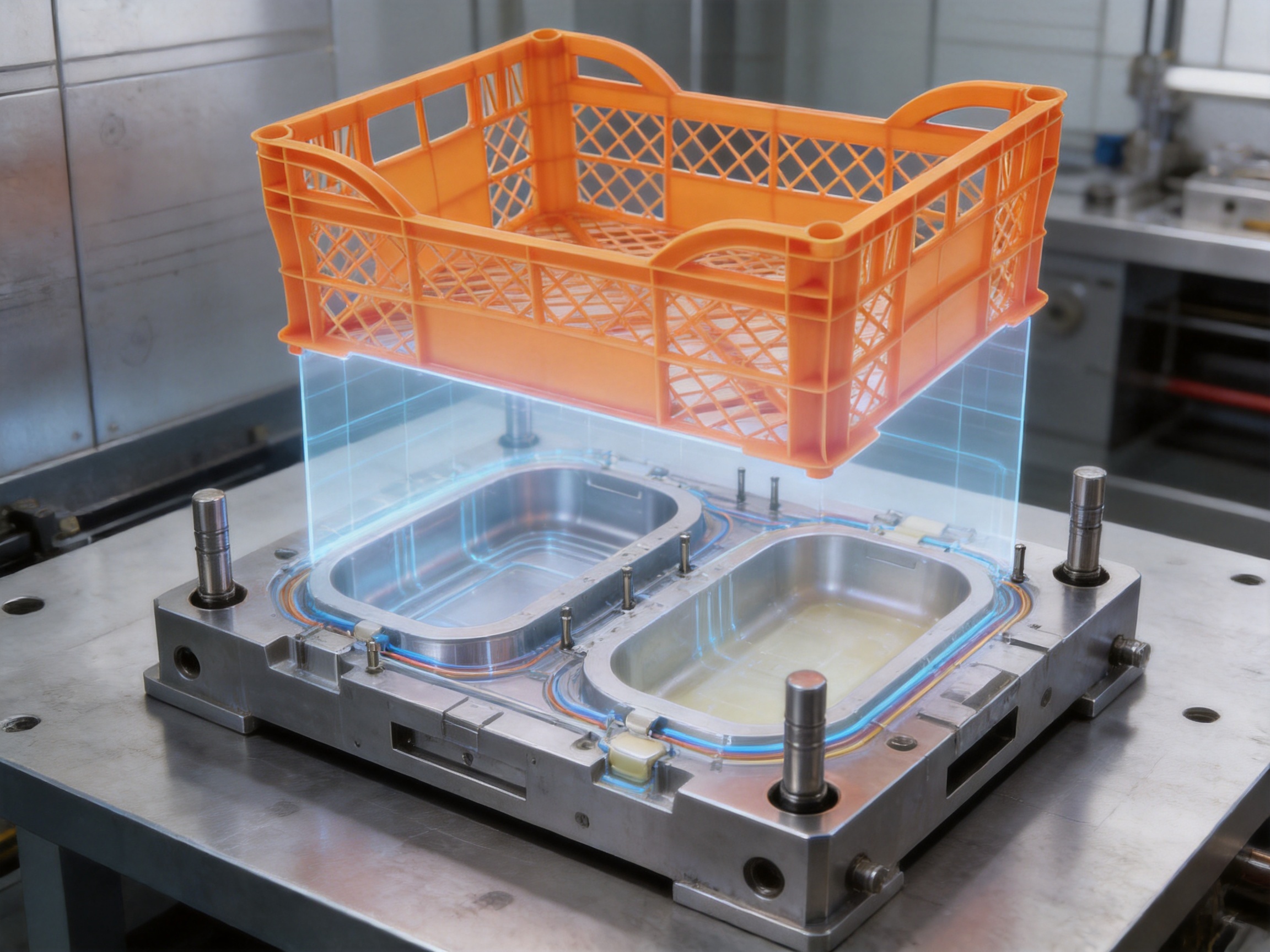
When purchasing a fruit basket mould, the lowest initial quotation does not always represent the lowest total cost. Buyers should consider mould life, cycle time, material consumption, maintenance needs, replacement parts, product rejection rate, and after-sales support.
A well-designed mould may require a higher initial investment but produce more stable parts and operate for a longer period. If it reduces scrap, shortens cycle time, and limits maintenance, it can provide a lower cost per usable basket throughout the project.
Expected production volume influences mould steel, cavity quantity, cooling design, automation level, and spare-part planning. A single-cavity tool may be appropriate for market testing or low-volume production, while a multi-cavity tool may be justified for large orders.
The decision should also consider machine capacity. A multi-cavity mould may increase output, but it requires greater injection volume, clamping force, cooling capacity, and process control. The mould design should match the customer’s available equipment.
The basket’s shape influences shipping efficiency. Nestable designs can reduce empty space during transportation and warehouse storage. If nesting is required, the taper angle, rim profile, handle clearance, and grid layout must be designed together.
For export customers, the mould itself must also be planned for safe transportation, lifting, preservation, and installation. Proper packaging helps protect precision surfaces, moving components, and cooling connections during shipment.
Technical support may include mould installation guidance, injection parameter recommendations, maintenance instructions, troubleshooting assistance, and spare-part coordination. These services are valuable when the customer operates the mould in a different factory or country.
A supplier with experience in multiple plastic product categories can often provide broader troubleshooting support because it understands common issues involving injection machines, resins, cooling systems, ejection, and production environments.
A structured project process helps control cost, quality, and delivery expectations. Although each project is different, the following sequence provides a practical framework.
The customer should define the basket’s purpose, capacity, dimensions, handle style, grid appearance, colour, material, stacking requirements, surface finish, and expected production quantity. Images or preliminary sketches can be useful, but a complete three-dimensional model is preferable when available.
The mould supplier evaluates the product geometry and identifies potential concerns. These may include insufficient draft, thin ribs, thick intersections, sharp corners, unsuitable undercuts, difficult ejection areas, and unbalanced filling paths.
Design modifications are proposed to improve strength, appearance, moulding stability, or production efficiency. The customer should approve any changes that affect the product’s external appearance or function.
The engineering team develops the cavity, core, inserts, runner system, gates, cooling channels, ejection mechanism, guide components, and mould base. Simulation and design reviews can be used to reduce risk before machining.
Steel components are machined, heat-treated when necessary, polished or textured, inspected, and assembled. Moving parts are checked for smooth operation, and cooling circuits are tested for leakage and flow.
The mould is tested using the agreed material and suitable injection equipment. Samples are produced for dimensional and cosmetic evaluation. Process parameters are recorded and potential improvements are identified.
After corrections and final approval, the mould is cleaned, preserved, packaged, and prepared for shipment. Documentation should include basic operating and maintenance information so the customer can begin production efficiently.
Regular maintenance protects the mould investment and supports stable product quality. Even a high-quality mould can experience wear if it is operated without lubrication, cleaning, inspection, or correct process control.
After production, the mould should be cleaned to remove plastic residue, dust, moisture, and contaminants. The cavity and core surfaces should be inspected for scratches, corrosion, or abnormal wear. Vents should remain clear because blocked vents can contribute to burn marks, incomplete filling, or trapped air.
Moving components such as guide pins, guide bushes, sliders, ejector pins, and return mechanisms should be lubricated according to the supplier’s recommendations. Excessive lubricant should be avoided because it can contaminate the product or attract dust.
Cooling channels should be monitored for scale, blockage, leakage, and reduced flow. Inadequate cooling can increase cycle time and cause dimensional changes. The condition of water fittings and hoses should also be checked periodically.
Operators should avoid using hard tools that may damage polished mould surfaces. If a mould requires disassembly, trained personnel should follow the correct sequence and protect precision components during handling.
Maintenance records can help identify gradual changes in performance. Recording cycle counts, repairs, abnormal defects, and replaced components makes it easier to plan preventive service rather than waiting for an unexpected failure.
Plastic product sustainability depends on material selection, product life, manufacturing efficiency, reuse, and end-of-life management. A reusable fruit basket can reduce the need for disposable packaging in some applications, especially when it is designed for repeated handling and cleaning.
Material-efficient geometry can reduce resin use without sacrificing required performance. Efficient mould cooling may reduce energy consumption per cycle, while stable production reduces scrap. These benefits depend on actual factory conditions and should be evaluated using reliable production data.
Designing for durability is also important. A basket that remains functional for a long time may provide greater resource efficiency than a lighter product that breaks quickly. The correct balance depends on the intended load, handling conditions, temperature range, and cleaning environment.
At the end of its useful life, the basket may be easier to recycle if it is made from a clearly identified, compatible polymer and contains minimal unnecessary material combinations. Buyers should check local recycling requirements and consider appropriate product marking where relevant.
A fruit basket mould is part of a larger production system. The supplier must understand not only how to manufacture steel components but also how the mould will behave on an injection machine and how the finished basket will perform in practical use.
TaiZhou HuangYan YingXiang Plastic Mould Co., Ltd. focuses on customized plastic mould solutions and has experience across several related product categories. Its product range includes integral box moulds, pallet moulds, fruit basket moulds, logistics crate moulds, folding box moulds, stool moulds, food storage container moulds, trash can moulds, beverage box moulds, hand basket moulds, household product moulds, floor mat moulds, and chair moulds.
This broad experience can support cross-category technical understanding. Crate and pallet moulds require structural strength and repeated-use performance. Folding box moulds require attention to moving or collapsible features. Household products require attractive surfaces, comfortable handling, and stable dimensions. These experiences are relevant when developing a practical fruit basket mould.
The company emphasizes lean manufacturing, long-life moulds, on-time delivery, competitive costs, quality control, and customer service. Its approximately 7,000-square-metre plant, digital engineering systems, high-tech equipment, and experienced technicians provide a foundation for handling customized projects from concept review through mould completion.
For international customers, direct communication is important. The company can be contacted by telephone at +86 17858690885, +86 13566828762, or +86 19957608921. Email communication is available at Chinayingxiang88@sina.com. Its facility is located at No. 2 Chaoyuan Road, North City Street, Huangyan, Taizhou, Zhejiang, China 318020.
Before requesting a quotation, buyers should prepare as much technical information as possible. A clear brief helps the mould manufacturer offer a more accurate design and cost estimate.
Confirm the finished basket’s length, width, height, capacity, and approximate weight.
Define the preferred diamond-grid size, rib thickness, rim design, handle configuration, and base structure.
Specify whether the product must nest, stack, hang, or fit inside another container.
Identify the intended plastic resin and whether recycled or food-contact material is required.
State the expected annual volume and target production cycle.
Provide the available injection-machine size, clamping force, and maximum injection volume.
Describe acceptable cosmetic standards, including weld lines, ejector marks, flash, and surface texture.
Explain colour requirements and whether multiple colour versions will use the same mould.
Ask about expected mould life, steel grade, heat treatment, and replaceable wear parts.
Confirm trial procedures, sample approval, delivery conditions, packaging, and technical support.
Providing this information at the beginning helps prevent misunderstandings and allows the supplier to evaluate the project realistically. It also creates a stronger basis for comparing quotations from different mould manufacturers.
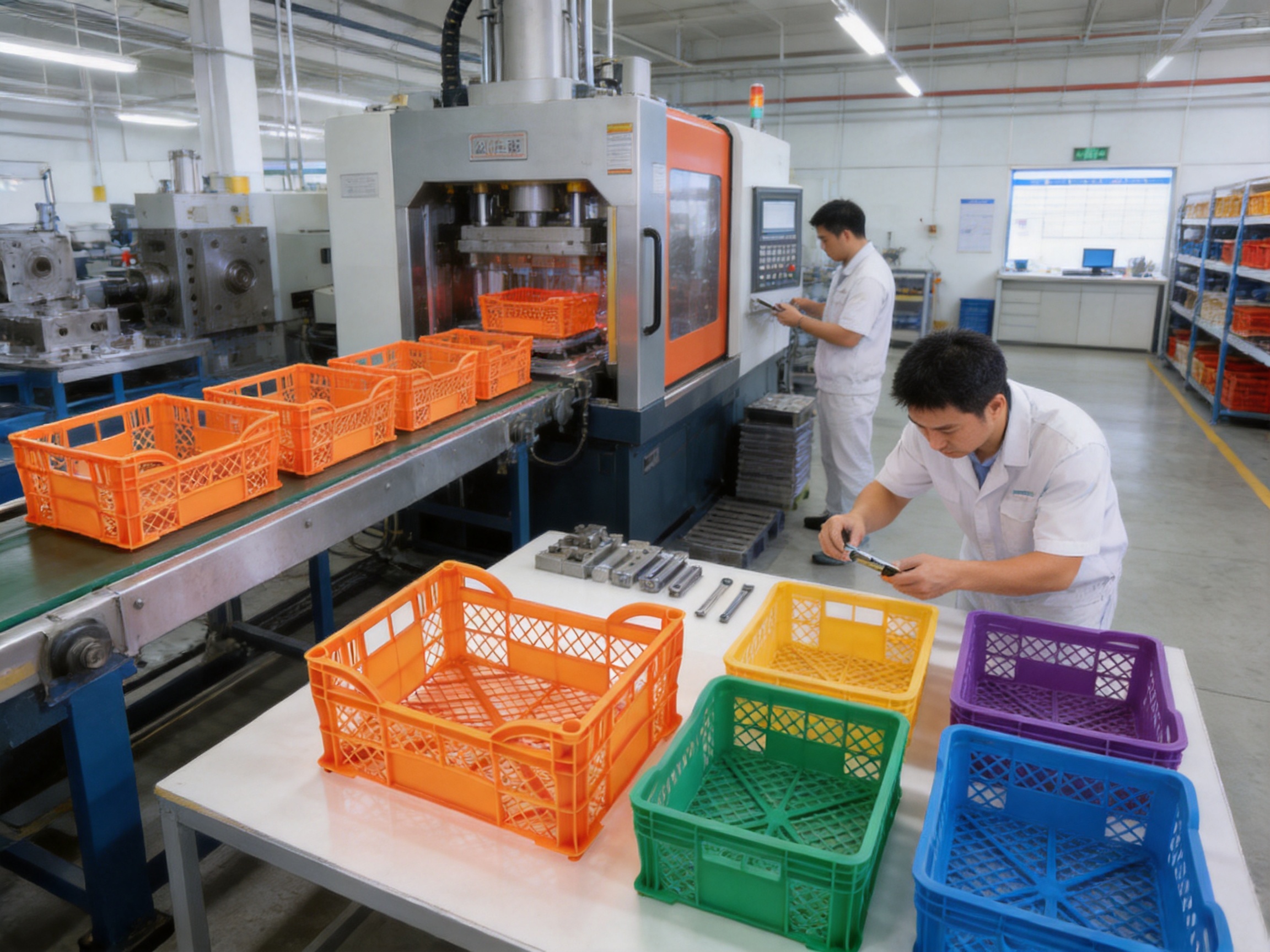
The main advantage is the combination of ventilation, visibility, structural support, and decorative appearance. The open grid allows airflow and makes the contents easy to see, while the intersecting ribs help maintain the basket’s shape.
Yes. A custom mould can be developed for different dimensions, capacities, colours, handle styles, grid openings, base structures, surface textures, logos, and stacking or nesting requirements. Each modification should be reviewed for strength and mouldability.
Polypropylene and high-density polyethylene are commonly considered for reusable baskets, but the best choice depends on load requirements, impact conditions, temperature, chemical exposure, food-contact needs, and target cost. The resin should be confirmed before final mould design.
Cooling affects cycle time, shrinkage, warpage, and dimensional stability. A balanced cooling system helps the basket solidify evenly and supports efficient production. Poor cooling can lead to deformation and inconsistent nesting or stacking.
Defects can be reduced through manufacturability review, flow analysis, suitable gate placement, balanced cooling, proper venting, accurate machining, correct draft angles, and controlled mould trials. These measures address problems before and during mass production.
It may be suitable if the selected resin, colourants, additives, manufacturing process, and finished product comply with the requirements of the target market. Food-contact suitability should be specified and documented before production.
Normally, the same mould can produce different colours when compatible plastic materials and colour masterbatches are used. Production planning should include machine cleaning and colour-change procedures to maintain colour consistency and avoid contamination.
Buyers should evaluate engineering capability, experience with similar products, machining equipment, mould steel, cooling design, trial procedures, quality control, delivery reliability, maintenance support, and communication. The supplier’s ability to provide a complete solution is more important than the initial price alone.
Yes. Nesting requires suitable taper, rim clearance, handle positioning, and internal geometry. These features should be included in the product design and tested during mould trials to ensure that baskets separate easily without becoming stuck.
Mould life depends on steel selection, product material, cycle conditions, maintenance, mould design, and production volume. A long-life mould uses suitable materials and components and is maintained according to a preventive schedule.
The supplier generally needs product drawings or a three-dimensional file, dimensions, material, estimated weight, annual output, machine information, cavity preference, surface requirements, colour requirements, and delivery expectations. More complete information usually leads to a more accurate quotation.
The diamond-grid design provides a more distinctive geometric appearance while maintaining open areas for airflow and visibility. Its intersecting ribs can be engineered to balance stiffness, weight, and visual appeal. The final advantage depends on the detailed product design and mould quality.
The Diamond-Grid Fruit Basket is a practical, reusable, and visually distinctive product for fruit storage, display, household organization, and commercial handling. Its open geometry supports ventilation and visibility, while its rib structure can provide an effective balance between strength and material efficiency. Comfortable handling, easy cleaning, colour flexibility, and customization further expand its market potential.
However, the product’s success depends heavily on the mould behind it. Accurate design, flow analysis, uniform wall thickness, balanced cooling, reliable ejection, precise machining, and systematic trial moulding are necessary to achieve stable production. A professionally manufactured mould can reduce defects, improve cycle efficiency, extend service life, and lower the total cost of ownership.
TaiZhou HuangYan YingXiang Plastic Mould Co., Ltd. brings together experience in household and industrial plastic moulds, CAD/CAE/CAM systems, advanced equipment, skilled technicians, and a structured approach to customized tooling. Its experience with crates, folding boxes, pallets, beverage boxes, storage containers, and other plastic products provides a relevant technical foundation for developing a reliable Diamond-Grid Fruit Basket mould.
For buyers planning a new fruit basket product, the best results come from involving the mould manufacturer early. By confirming product requirements, material, production volume, machine conditions, appearance standards, and service expectations at the beginning, customers can create a more efficient path from concept to mass production.
1. Injection Molding Handbook, general principles of polymer processing, mould design, cooling, and ejection.
2. Plastics Engineering Fundamentals, material selection, shrinkage, flow behaviour, and product design considerations.
3. Design for Manufacture and Assembly Guidelines, practical methods for improving mouldability, consistency, and production efficiency.
4. Industrial Mould Maintenance Practices, recommendations for inspection, lubrication, cooling-system care, and preventive servicing.
5. General Food-Contact Plastics Guidance, considerations for resins, additives, colourants, processing controls, and market-specific compliance.
6. Sustainable Plastics Manufacturing Principles, material efficiency, product durability, reuse, waste reduction, and end-of-life planning.
If you are interested in any of our products or services, please feel free to ask and we can talk about your ideas.
 QUICK LINKSMOBILE SITE
 FACTORY ADDRESS
 CONTACT INFORMATION



 English
 Español