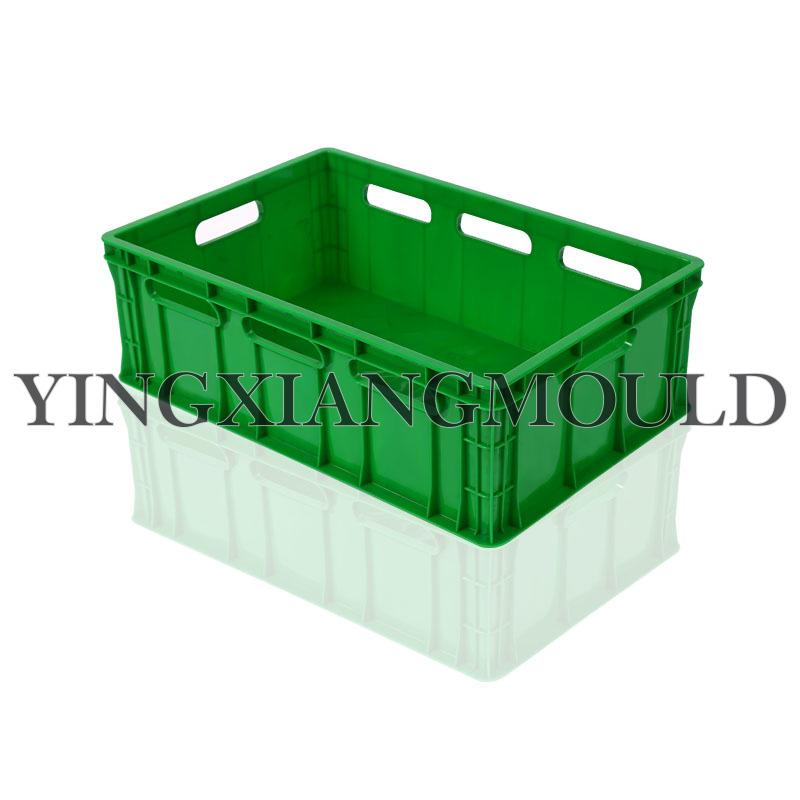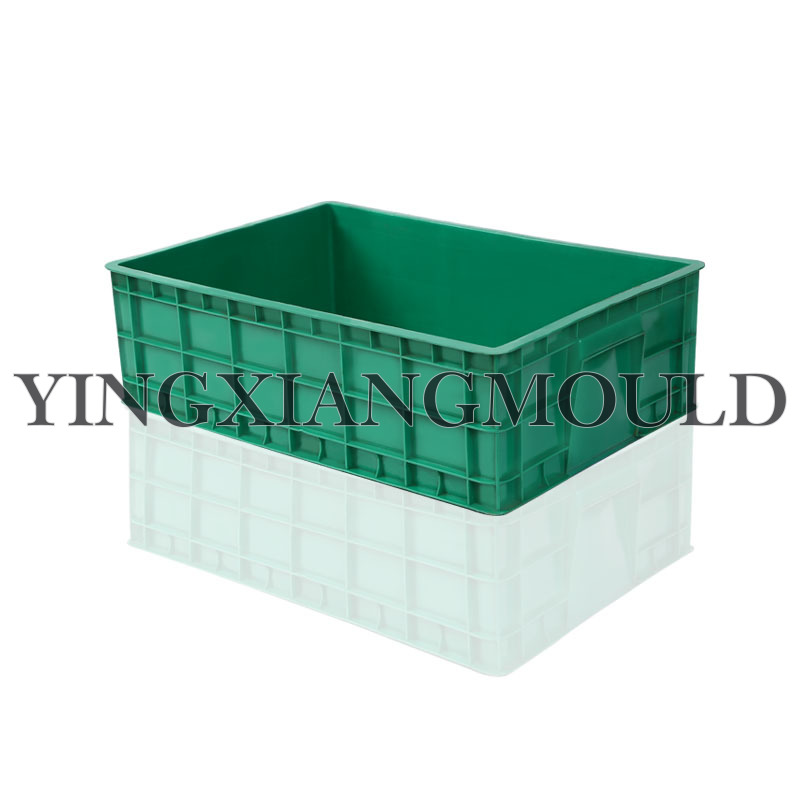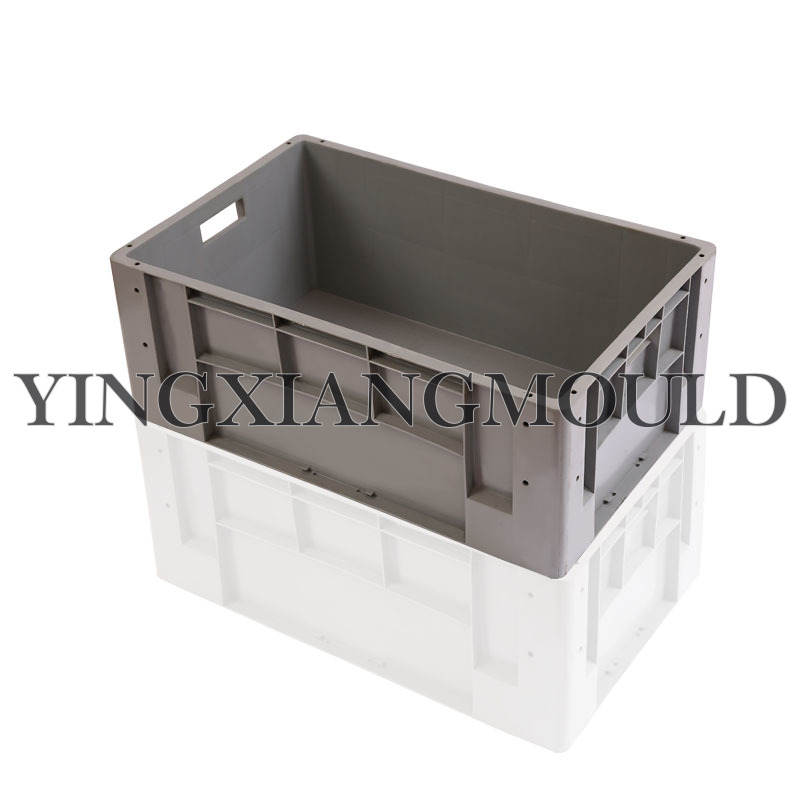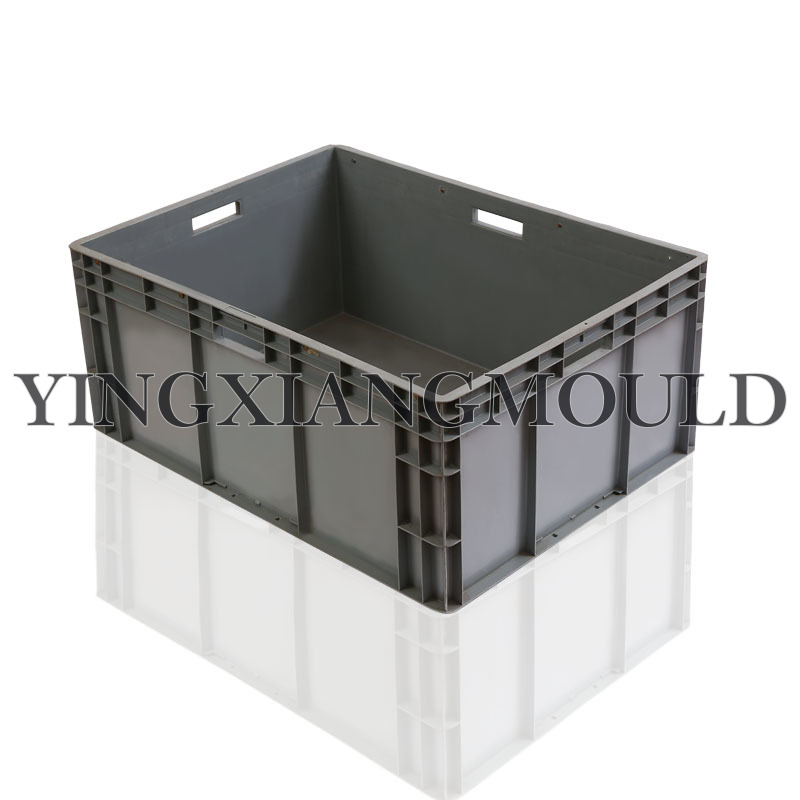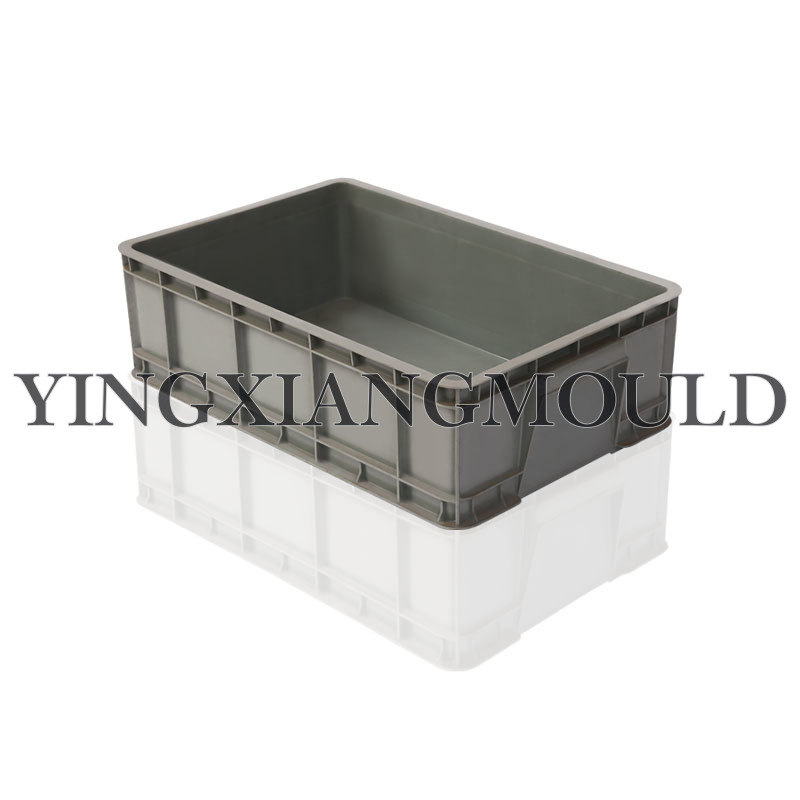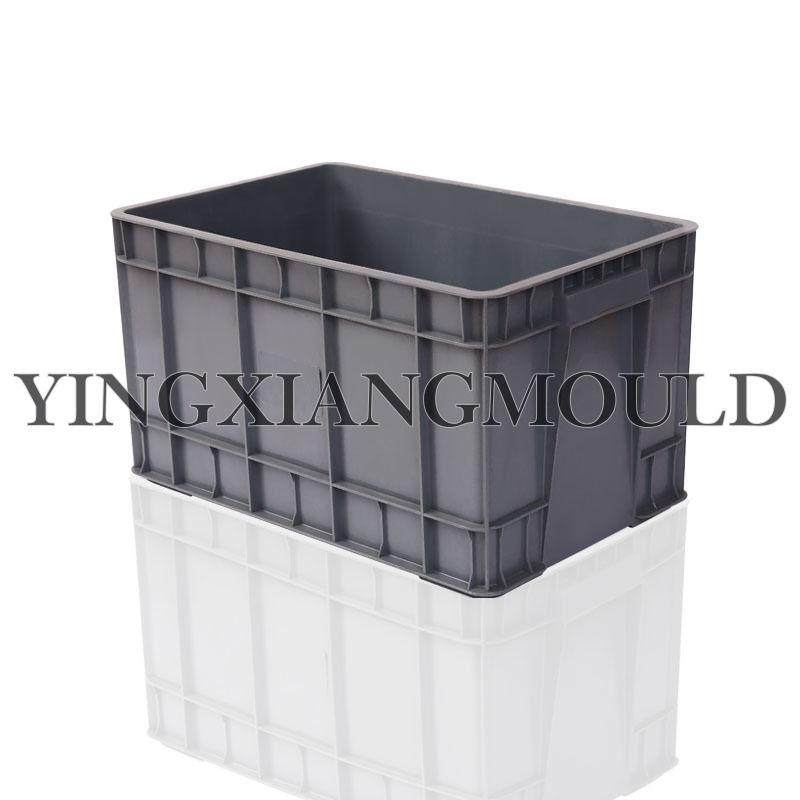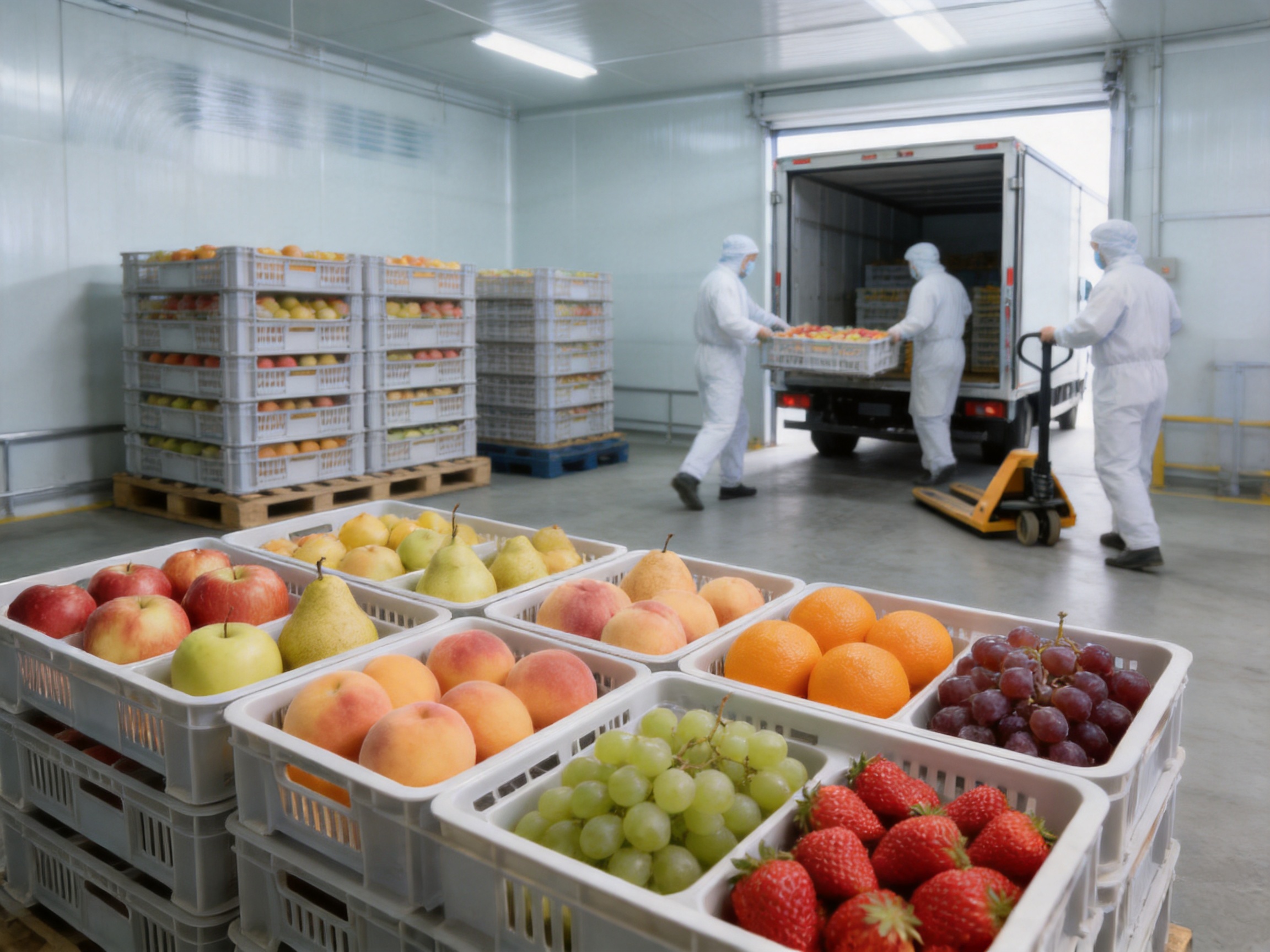
Fruit tray molds are essential tools for producing reliable plastic packaging used in agriculture, food distribution, supermarkets, cold-chain logistics and export supply chains. A well-designed fruit tray protects produce during handling while also improving ventilation, stacking stability, storage efficiency and presentation. Although a fruit tray may appear simple, its performance depends on many technical details, including mold structure, material selection, cooling efficiency, injection balance, ejection design, dimensional accuracy and surface quality.
Modern fruit packaging requires more than a basic plastic container. Fresh fruit is often transported over long distances, exposed to vibration, temperature variation, moisture, impact and repeated loading. The tray must therefore maintain its shape under pressure, support the weight of stacked products and reduce contact damage. It should also be lightweight enough to control packaging and transportation costs. These requirements make the fruit tray mold a central factor in the quality and commercial value of the finished product.
YingXiang Plastic Mould, officially known as TaiZhou HuangYan YingXiang Plastic Mould Co., Ltd., provides customized plastic injection mold solutions for fruit trays and related packaging products. Located in Huangyan, Taizhou, Zhejiang, China, the company operates in a region widely recognized for its strong mold-making industry. Since its establishment in 2012, the company has developed experience in crate molds, folding box molds, tray and pallet molds, beverage box molds and household product molds.
The company’s fruit tray molds are developed for manufacturers that need consistent production, practical maintenance, competitive manufacturing costs and long-term service life. Through CAD, CAE and CAM systems, experienced technicians and modern processing equipment, the manufacturer can transform a packaging concept into an injection mold suitable for efficient mass production.
Fruit Tray Molds
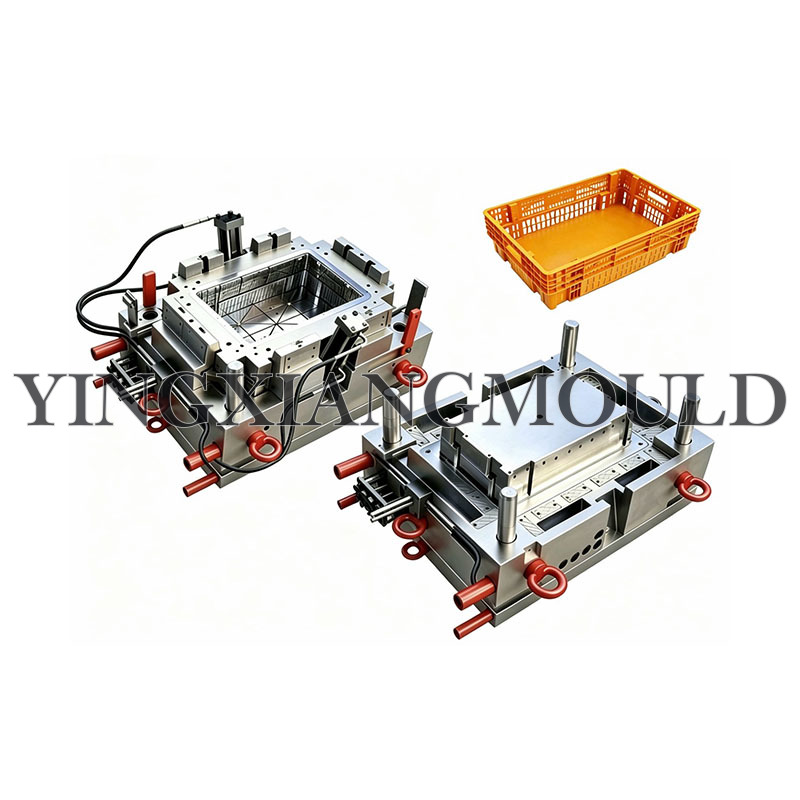
A fruit tray mold is a precision tool used to produce plastic trays designed for the storage, protection, display and transportation of fruits or other delicate agricultural products. The mold forms the tray’s outer dimensions, cavities, ribs, ventilation openings, stacking features, corner supports and other functional details. Depending on the intended application, the tray may be produced from polypropylene, high-density polyethylene or another suitable injection-molding material.
Fruit trays are commonly used for apples, peaches, pears, oranges, grapes, strawberries, tomatoes, cherries and other produce. The internal structure can be adapted to support individual fruit pieces, multiple layers or bulk packaging. Some trays are designed with separate pockets to prevent fruit from colliding, while others use open ribs and a broad base for general-purpose transportation.
In many supply chains, fruit trays are not used as isolated packaging products. They may form part of a larger logistics system that includes pallets, reusable crates, folding containers, cold-storage racks and warehouse handling equipment. For this reason, the mold must be designed around the complete packaging process rather than only the appearance of the tray.
A professional fruit tray mold normally includes the following functional elements:
1. A cavity system that creates the external and internal shape of the tray.
2. Core components that form the inner surface and support structural features.
3. Ribs and reinforcement zones that improve stiffness without excessive material use.
4. Ventilation openings that help control moisture and temperature.
5. Stacking or nesting features that allow efficient warehouse storage.
6. Ejection components that release the molded tray without deformation.
7. Cooling channels that shorten cycle time and improve dimensional stability.
8. A gating and runner system that distributes molten plastic evenly.
9. Replaceable wear components that simplify future maintenance.
The mold determines many of the finished tray’s most important characteristics. A poorly designed mold may produce uneven wall thickness, incomplete filling, excessive flash, deformation, weak corners, poor stacking performance or difficult ejection. These defects can increase scrap rates and create problems during packing and transportation.
Because fruit trays are often produced in large quantities, even a small dimensional error can become expensive. If the nesting angle is inconsistent, trays may fail to stack properly. If the side walls are too flexible, loaded trays may collapse. If ventilation openings are too small or incorrectly positioned, condensation may accumulate and reduce product freshness. If the surface is rough or contains sharp edges, the fruit may suffer abrasion during movement.
A high-quality mold helps the manufacturer achieve stable production over many cycles. It also reduces the need for manual correction after molding. Consistent quality is particularly important for customers operating automated packing lines, where tray dimensions must remain within a narrow tolerance range.
The connection between mold quality and total packaging cost is also significant. A precision mold can support lower material consumption, shorter molding cycles and fewer rejected products. Although the initial investment in a well-engineered mold may be higher than that of a basic tool, the long-term cost per tray can be lower because of improved productivity and reduced maintenance.
Fruit trays must be strong enough to carry their contents while remaining lightweight. Balanced wall thickness helps prevent weak points, sink marks and warpage. A professional mold design uses flow analysis and practical engineering experience to determine how molten plastic will fill the cavity. The objective is to distribute material consistently through the tray base, side walls, ribs and corners.
Uneven wall thickness can result in different cooling rates in different areas of the tray. Thick sections remain hot for longer and may shrink more than thin sections. This can cause bending, twisting or dimensional instability. By controlling the geometry and material distribution, the mold can produce trays with more reliable shape retention.
Ribs provide stiffness without requiring a solid, heavy wall. Correctly positioned ribs reinforce the base and sides of the tray, improve resistance to compression and help maintain stacking strength. The rib pattern must be designed carefully because excessive or poorly proportioned ribs can create filling difficulties, visible sink marks or stress concentration.
Professional mold engineers consider the expected load, stacking height, transportation conditions and material properties when designing reinforcement. For export packaging, the tray may need to resist vibration over long distances. For warehouse use, the tray may be stacked in cold or humid environments. The mold can be adapted to these conditions by changing rib height, spacing, corner geometry and support points.
Fresh produce requires air circulation. Ventilation openings help remove heat, reduce condensation and maintain a more suitable environment around the fruit. Drainage openings can also allow water to escape during washing, refrigeration or humid storage.
The mold must create clean openings with consistent edges. Burrs or sharp plastic remnants can damage fruit and interfere with automated handling. The opening pattern should also retain enough surrounding material to preserve tray strength. This balance between ventilation and structural integrity is one of the most important aspects of fruit tray design.
Reusable and disposable trays may use nesting features that allow empty trays to fit inside one another. This reduces storage volume before filling and lowers transportation costs. Loaded trays may require stacking features that keep each layer aligned and prevent excessive pressure from transferring directly onto the fruit.
Nesting and stacking geometry must be precise. Small variations can cause trays to jam when nested or become unstable when stacked. A professional mold uses controlled draft angles, consistent support ledges and accurately positioned locating features. These details improve warehouse efficiency and reduce the risk of packaging collapse.
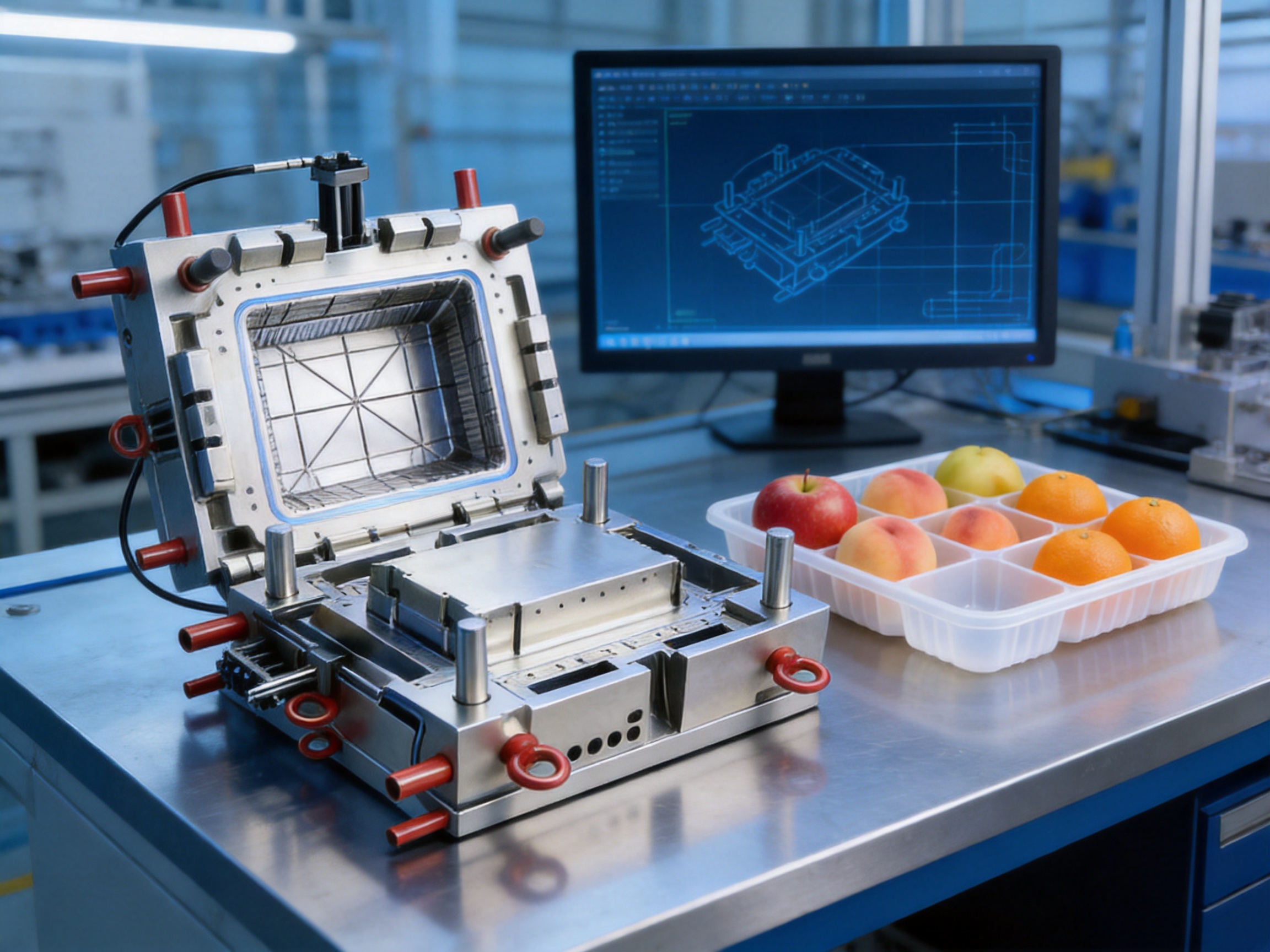
The injection molding process begins with the preparation of plastic material. The selected resin is dried or conditioned according to its technical requirements. It is then heated until it becomes fluid and injected into the mold under controlled pressure. After filling, the plastic is held under pressure to compensate for shrinkage, cooled until sufficiently rigid and ejected from the mold.
Fruit trays often contain broad surfaces, thin walls, multiple openings and complex rib structures. These characteristics require an injection system that can fill the cavity evenly. Gate location, runner layout and injection pressure must be considered together. If the plastic reaches one region much earlier than another, the resulting flow imbalance may create weld lines, air traps or dimensional variation.
CAE simulation helps engineers predict how plastic will flow through the tray cavity before steel machining begins. A simulation can provide information about filling time, pressure requirements, weld-line locations, air-trap risks, cooling behavior and potential warpage. This allows design improvements to be made at an early stage, when changes are less expensive.
Simulation does not replace practical engineering experience. Instead, it strengthens the decision-making process by showing how the proposed design may behave under molding conditions. Experienced technicians can combine simulation results with knowledge of machine capacity, resin performance, mold construction and customer production requirements.
The gating system controls how molten plastic enters the cavity. For a fruit tray, the gate arrangement must support balanced filling while minimizing visible marks and unnecessary material waste. Depending on the product geometry and production requirements, a hot runner, cold runner or customized combination may be considered.
A suitable gating design can reduce pressure loss, improve filling consistency and shorten the amount of post-processing. It can also help position weld lines away from high-stress areas. The final decision depends on tray size, material, production volume, injection machine, acceptable gate marks and customer preferences.
Cooling is one of the most important factors affecting cycle time and product quality. If the mold does not remove heat evenly, the tray may warp after ejection. Uneven cooling can also reduce productivity because the operator must wait longer before removing the product.
Advanced mold design places cooling channels close enough to critical surfaces to promote uniform temperature control without weakening the mold structure. Cooling layouts must account for ribs, corners, slides, inserts and other areas that may restrict channel placement. Proper cooling improves dimensional stability and helps the tray retain its designed shape during high-volume production.
The ejection system must release the tray smoothly and evenly. Fruit trays often have thin walls and open structures, which can make them sensitive to localized ejection pressure. If ejector pins are poorly positioned, they may leave excessive marks, distort the base or cause the tray to stick in the cavity.
A well-engineered system distributes ejection force across strong areas of the product. It may use ejector pins, stripper plates, sleeves or other mechanisms depending on the geometry. Draft angles are also essential because they allow the molded tray to separate from the steel surfaces without excessive friction.
The correct plastic material depends on the tray’s intended use, required strength, temperature range, food-contact considerations, recyclability goals and production budget. Polypropylene is commonly selected because it offers a useful balance of low density, toughness, chemical resistance and processing performance. High-density polyethylene may be chosen when impact resistance and flexibility are priorities.
Material selection should be discussed at the beginning of mold development. Resin shrinkage affects cavity dimensions, part tolerances and cooling behavior. Flow characteristics influence gate design and filling pressure. The use of recycled or reprocessed material may also affect consistency and should be considered when determining the mold’s production conditions.
For food and agricultural packaging, manufacturers must evaluate the applicable regulations and customer requirements in the target market. The mold manufacturer does not replace the resin supplier or regulatory authority, but it can help ensure that the mold design is compatible with the selected material and intended production process.
| Material Consideration | Influence on Fruit Tray Design | Typical Engineering Response |
|---|---|---|
| Flow behavior | Determines filling pressure and weld-line position | Adjust gates, runners, wall thickness and injection parameters |
| Shrinkage | Affects final dimensions and nesting accuracy | Apply material-specific shrinkage compensation |
| Impact resistance | Influences performance during handling and transport | Strengthen corners, ribs and side-wall support zones |
| Temperature resistance | Determines suitability for cold storage or warm filling areas | Choose compatible resin and optimize cooling conditions |
| Food-contact requirements | May impose material and surface requirements | Coordinate mold finish and production cleanliness with customer specifications |
| Recyclability | Influences resin selection and product labeling | Design for practical material use and easy separation where required |
TaiZhou HuangYan YingXiang Plastic Mould Co., Ltd. operates a 7,000 square meter plant and has around 50 employees. The company uses CAD, CAE and CAM systems to support product development, mold design, machining and production preparation. These digital tools help connect customer requirements with practical mold construction.
CAD systems are used to create and refine the three-dimensional mold structure. Engineers can check parting lines, draft angles, wall thickness, ejection clearance and assembly relationships before machining. This reduces design uncertainty and allows the customer to review important details during the development process.
CAE tools support flow and cooling analysis. They are particularly useful for fruit trays because the product may combine broad surfaces, thin walls, ribs and many openings. By identifying potential filling and cooling problems at the design stage, engineers can make changes before steel is cut.
CAM systems convert approved designs into machining instructions. Accurate tool paths are important for cavity surfaces, core components, rib details and replaceable inserts. Coordinated digital manufacturing improves consistency between design intent and actual mold construction.
Modern equipment and experienced technicians work together throughout the process. Automation and computer-based systems improve precision, but skilled technicians remain essential for interpreting the product structure, selecting suitable machining strategies, checking assembly conditions and solving practical manufacturing challenges.
The choice of mold steel affects service life, wear resistance, polishing performance, corrosion resistance and maintenance requirements. The appropriate grade depends on the plastic material, production volume, surface finish, expected cycle count and customer budget.
Fruit tray molds used for high-volume production require durable cavity and core components. Areas exposed to repeated sliding, ejection or impact may need stronger or replaceable components. Good steel selection helps reduce premature wear and supports stable dimensions over a longer production period.
Precision machining creates the cavity, core, ribs, openings, guides and functional interfaces that define the final tray. Milling, drilling, electrical discharge machining, grinding and other processes may be used according to the geometry. The objective is not only to achieve a visually accurate surface but also to ensure that the mold opens, closes, cools and ejects correctly.
Small details can have a major influence on fruit tray performance. A slightly misaligned insert may create an uneven opening. An inaccurate guide component may increase wear. A poorly finished rib may produce a rough plastic surface. Careful machining and inspection help prevent these issues.
The mold surface can be polished, textured or finished according to the required appearance and release behavior. A smooth surface may support easier demolding and a clean visual appearance. A controlled texture can reduce the visibility of minor marks and provide a particular grip or appearance.
Finishing must be compatible with the tray’s intended use. Food packaging applications typically require clean, controlled surfaces without sharp edges or contamination risks. The finish should also support efficient cleaning and minimize areas where residue could accumulate during production.
Quality control begins before manufacturing. Customer drawings, sample trays, resin information, production targets and machine specifications should be reviewed at the start of the project. This review helps identify conflicts between the product concept and the intended injection molding process.
During mold design, engineers check the parting line, draft, wall thickness, ejection strategy, cooling layout and maintenance access. During machining, dimensions and surface conditions are monitored. After assembly, the mold is checked for smooth movement, correct alignment, cooling connections and safe operation.
Trial production is an important stage because it shows how the mold behaves under actual or representative molding conditions. Test samples can be evaluated for weight, dimensions, warpage, surface defects, ejection marks, stacking performance and fit with related packaging products.
When necessary, adjustments may be made to gates, vents, cooling channels, inserts, ejector locations or steel surfaces. A professional mold supplier treats trial production as an engineering verification stage rather than simply a demonstration. The purpose is to prepare the mold for reliable customer production.
| Quality Check | Purpose | Importance for Fruit Trays |
|---|---|---|
| Dimensional inspection | Confirms length, width, height, openings and nesting features | Ensures compatibility with filling, stacking and logistics systems |
| Visual inspection | Checks flash, sink marks, short shots, scratches and burns | Protects product appearance and reduces fruit-contact risks |
| Weight verification | Confirms material distribution and production consistency | Supports cost control and tray strength evaluation |
| Stacking test | Evaluates stability under load | Reduces collapse and shifting during warehousing and transport |
| Ejection check | Confirms smooth release from the mold | Prevents deformation and improves cycle efficiency |
| Cooling inspection | Checks water flow and temperature control | Supports shorter cycles and reduced warpage |
| Material trial | Confirms compatibility with the selected resin | Helps establish stable molding parameters |
Price is an important consideration in mold purchasing, but the lowest initial quotation does not always represent the lowest total cost. A basic mold may appear economical while creating higher expenses through short service life, frequent repairs, high scrap rates, slow cycles and inconsistent tray dimensions.
Fruit tray molds developed with stronger engineering support can provide several advantages over low-cost alternatives.
Balanced filling, controlled cooling and accurate ejection help the manufacturer produce trays with fewer variations. Stable production is valuable for automated packaging lines and large orders, where interruptions can affect delivery schedules.
Improved venting, gating, cooling and dimensional control reduce common defects such as short shots, warpage and excessive flash. Lower scrap rates reduce material waste, machine time and labor costs.
Suitable steel, strong support structures, replaceable wear components and careful assembly can extend the useful life of the mold. This is particularly important for fruit packaging suppliers serving seasonal demand or large retail programs.
Accurate nesting and stacking features improve warehouse utilization and reduce instability during transport. A tray that maintains its shape under load can protect fruit more effectively and reduce the chance of packaging-related complaints.
Professional mold construction considers how the mold will be cleaned, inspected and repaired. Replaceable inserts and accessible components can reduce downtime when wear occurs. Maintenance-friendly design is an important advantage that may not be visible in the initial product sample.
Different fruit varieties, machines and supply chains require different tray designs. A capable mold manufacturer can adjust dimensions, cavity arrangements, rib structures, openings, labels, stacking features and surface details according to specific requirements.
Fruit tray molds can be customized in many ways. The correct configuration depends on the fruit size, packaging quantity, handling method and destination market.
The tray length and width can be adapted to existing cartons, pallets or cold-storage racks. The height can be changed to accommodate different fruit volumes. Individual pockets can be shaped to hold specific produce sizes. A general-purpose tray can use wider spaces for mixed fruit or industrial handling.
Ventilation openings can be modified to increase air movement or improve structural strength. Drainage openings can be added for washing and humid environments. Ribs can be redesigned to improve compression resistance while minimizing material consumption.
Identification features may also be integrated into the mold. These can include recessed logos, product codes, recycling symbols, batch marks or customer-specific information. Such details should be designed with appropriate depth and draft to ensure clean molding and easy release.
Color is normally controlled through the selected resin or masterbatch rather than the mold itself. However, the mold surface and gate position can influence the visual quality of the finished product. Consistent processing conditions are necessary to maintain uniform color across production batches.
Fruit trays are used at several stages of the supply chain. At the farm or packing station, they can support sorting, grading and initial packing. In distribution centers, they can be loaded into larger crates, cartons or pallet systems. In retail environments, they may serve as display packaging as well as transport protection.
For delicate fruit, the tray’s internal support is especially important. Separating fruit pieces can reduce impact and pressure. Rounded edges can minimize abrasion. Controlled spacing can prevent fruit from shifting while still allowing ventilation.
For industrial produce handling, the tray may need to integrate with conveyors, robotic pick-and-place systems or automated packing machines. Consistent outer dimensions and predictable stiffness help equipment handle the trays reliably. This is another reason why mold precision matters beyond appearance.
In cold-chain logistics, the tray must remain functional at low temperatures and high humidity. The material and structural design should be selected for the expected conditions. The mold must also produce a tray with sufficient dimensional stability to prevent jamming or misalignment in cold-storage systems.
Reusable fruit trays can be designed for repeated washing, stacking and handling. In this application, durability, cleanability and resistance to chemicals become important. The mold surface should avoid unnecessary recesses or sharp transitions that may collect residue.
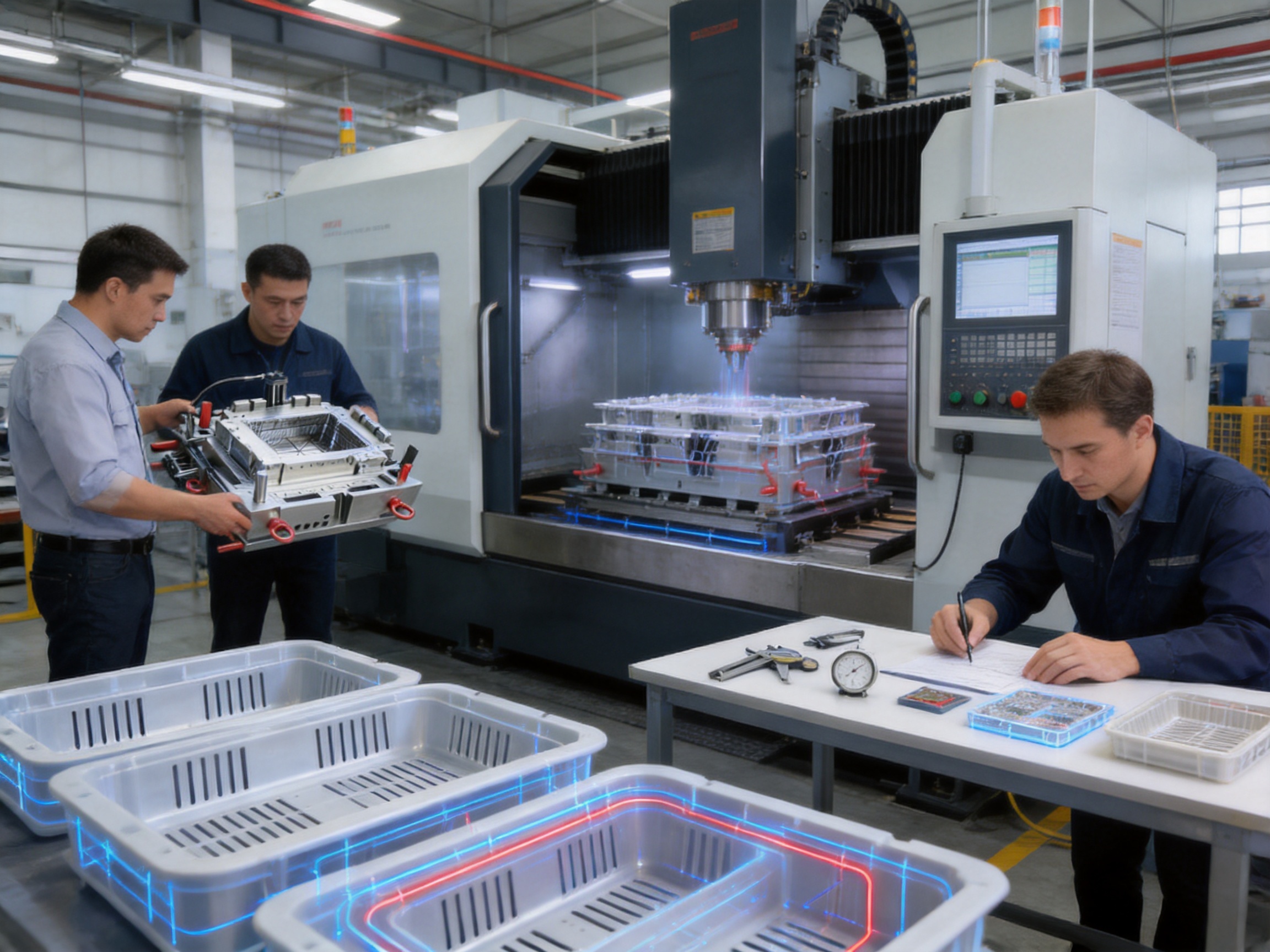
TaiZhou HuangYan YingXiang Plastic Mould Co., Ltd. focuses on customized plastic mold solutions rather than a single standardized product. Its product range includes integral box molds, pallet molds, fruit basket molds, logistics crate molds, folding box molds, stool molds, food storage container molds, trash can molds, beverage box molds, hand basket molds, household product molds, floor mat molds and chair molds.
This broad experience is valuable for fruit tray customers because many packaging projects involve related products. A company may require fruit trays together with logistics crates, pallets, folding boxes or storage containers. Working with a manufacturer familiar with several product categories can simplify communication and support better integration between packaging components.
The company’s location in Huangyan provides access to a strong regional network of mold-making knowledge, technical labor and manufacturing resources. Its approximately 7,000 square meter plant provides space for design, machining, assembly, testing and project management activities.
With around 50 employees, the company combines organized production with direct technical communication. Experienced technicians can participate in product analysis, mold structure development, machining decisions, assembly and trial adjustments. This can be especially useful when the customer’s design is still being optimized.
YingXiang emphasizes lean manufacturing, long-life molds, on-time delivery, premium quality, competitive costs and comprehensive customer service. These priorities are relevant to fruit tray producers that need dependable tooling and clear project coordination. The value of a mold supplier is measured not only by the finished steel tool but also by the supplier’s ability to support the customer throughout design, testing and future production.
The project begins with a review of the fruit tray application. Important information includes the tray dimensions, number of cavities, material, expected annual production, injection machine, cycle-time target, stacking method, fruit type and destination market.
Customers should also provide existing samples, drawings or reference images when available. Information about the packing line can help engineers avoid conflicts with conveyors, robots, cartons and pallets.
The product is reviewed for manufacturability. Engineers examine wall thickness, draft angles, ribs, holes, corner radii, parting lines and ejection possibilities. If a feature may create a molding problem, alternative solutions can be discussed before mold design begins.
The mold structure is developed using digital design tools. The team evaluates cavity arrangement, gating, cooling, venting, ejection and maintenance access. CAE analysis may be used to predict filling and warpage behavior.
After design approval, mold components are manufactured using suitable equipment and machining methods. Components are inspected, fitted and assembled. Moving parts are checked for smooth operation, and cooling connections are tested.
The assembled mold is tested using the selected or representative material. Samples are evaluated for appearance, dimensions, weight, ejection, stacking and general function. Adjustments are made if required.
After the mold meets the agreed requirements, final checks are completed. Documentation, spare components and maintenance information can be prepared according to the customer’s needs. The mold is then delivered for production installation.
Long-term support may include technical communication about molding parameters, wear components, maintenance procedures and future modifications. A reliable relationship between mold manufacturer and tray producer helps protect the customer’s investment.
The economic performance of a fruit tray mold should be assessed over its complete service life. Initial mold price is only one part of the calculation. Other factors include material consumption, cycle time, machine utilization, rejection rate, maintenance cost, repair frequency and expected production volume.
A mold that produces lighter trays without sacrificing strength can reduce resin usage. A mold with effective cooling can reduce cycle time. A mold with stable ejection can reduce stoppages. A mold with replaceable wear parts can reduce the cost of future repairs. Together, these advantages can create a lower cost per finished tray.
For high-volume production, even a small cycle-time improvement may generate substantial annual savings. Similarly, a small reduction in rejected trays can save considerable amounts of material and labor. This is why mold engineering should focus on production performance rather than only the first sample.
Customers should communicate their production targets clearly. A mold designed for occasional use may not be suitable for continuous mass production. Conversely, an over-engineered mold may increase investment unnecessarily for a small project. The appropriate solution balances expected volume, product complexity, machine capacity and service-life requirements.
| Cost Factor | Effect of Mold Design | Potential Business Benefit |
|---|---|---|
| Material consumption | Controlled wall thickness and efficient rib design | Lower resin cost and lighter packaging |
| Cycle time | Efficient cooling and smooth ejection | Higher output per machine |
| Reject rate | Balanced filling and stable dimensions | Less waste and fewer customer complaints |
| Maintenance | Replaceable wear parts and accessible design | Shorter downtime and lower repair costs |
| Service life | Appropriate steel and robust construction | More production cycles before major refurbishment |
| Automation compatibility | Consistent dimensions and predictable release | More reliable machine operation |
Fruit packaging manufacturers are increasingly required to reduce material consumption and improve recyclability. A well-designed mold can contribute to these goals by producing lightweight trays with efficient structural reinforcement. The objective is to use material where it provides strength and remove unnecessary mass where it does not.
Reusable trays can reduce the need for single-use packaging when suitable washing and return systems are available. Their durability depends partly on the mold’s ability to create strong corners, stable ribs and uniform walls. A durable tray remains useful for more cycles and can reduce replacement frequency.
Plastic recycling considerations should be incorporated into the product specification. The selected resin, additives, labels and production practices may influence the ease of recycling. Mold engineers can support the physical design by helping create a tray that uses consistent material and avoids unnecessary combinations of incompatible plastics.
Efficient molding also reduces environmental impact. Shorter cycles can lower energy consumption per unit. Reduced scrap means less material is discarded or reprocessed. Stable production reduces the energy and resources associated with rejected products.
Regular maintenance is necessary to preserve fruit tray mold performance. The mold should be cleaned after production, especially when dust, resin residue or moisture has accumulated around vents and moving parts. Cooling channels should be monitored for blockage, corrosion and reduced water flow.
Operators should inspect guide pillars, bushings, ejector systems, slides and locking surfaces according to the production schedule. Lubrication should be applied using suitable products and in appropriate quantities. Excessive lubricant can contaminate surfaces, while insufficient lubrication can increase wear.
When a tray design includes fine openings or thin ribs, these areas should be inspected carefully because they may be more vulnerable to wear or damage. Early detection allows a small insert or component to be repaired before the problem affects large areas of the mold.
Mold storage is also important. When the tool is not in use, it should be cleaned, dried and protected against corrosion. Cooling water should be removed where appropriate, and the mold should be stored in a safe position that does not place unnecessary stress on components.
Customers should evaluate more than a supplier’s catalog. The manufacturer’s engineering process, equipment, quality controls, communication practices and after-sales support are equally important.
First, confirm whether the supplier has relevant experience with thin-wall packaging, trays, pallets, crates or other large plastic products. Related experience can indicate an understanding of structural design, injection balance and high-volume production.
Second, ask how the supplier manages design review and mold simulation. A manufacturer that carefully analyzes the product before machining is more likely to identify potential problems early.
Third, review the manufacturer’s capabilities in steel processing, assembly, trial molding and inspection. The supplier should be able to explain how dimensions are checked and how trial results are handled.
Fourth, discuss maintenance and future support. The availability of replaceable components, technical documentation and communication after delivery can significantly affect the mold’s practical value.
Finally, evaluate project management and delivery reliability. A technically strong mold that arrives late may still create serious business problems. Clear milestones, responsive communication and realistic delivery planning are important indicators of professionalism.
Polypropylene and high-density polyethylene are commonly considered because they offer useful combinations of strength, low density, impact resistance and processing performance. The final material should be selected according to product requirements, food-contact regulations, temperature conditions and customer specifications.
Yes. Tray length, width, height, cavity arrangement, pocket shape, opening pattern, rib structure and stacking features can be customized. A tray designed for small berries will usually require a different internal structure from a tray designed for apples or oranges.
The mold creates rounded supports, controlled spacing, ventilation openings and structural features that reduce movement and contact pressure. The finished tray can separate fruit pieces, improve airflow and maintain a stable position during handling and transport.
Cooling channels remove heat from the mold after injection. Even cooling helps prevent warpage, improves dimensional consistency and can shorten the molding cycle. This directly influences tray quality and production efficiency.
Warping may result from uneven wall thickness, unbalanced filling, insufficient cooling, incorrect processing conditions, excessive ejection force or unsuitable material shrinkage compensation. Mold design and molding parameters should be considered together when solving this problem.
Yes. Recessed or raised identification features can be incorporated into suitable areas of the mold. Their depth, draft and position should be designed to support clean release and clear molding.
The number of cavities depends on tray size, injection-machine capacity, production volume, cycle-time objectives and investment budget. A higher cavity count may increase output but also requires greater machine capacity and more complex mold balancing.
They can be designed for automated production when the tray dimensions, ejection method, stacking features and surface quality are compatible with conveyors, robots and packing machinery. These requirements should be communicated before the mold is designed.
Experience with crates and pallets can help the manufacturer understand logistics dimensions, stacking loads, reusable packaging requirements and warehouse handling conditions. This knowledge may support better integration between fruit trays and larger transport systems.
Appropriate steel selection, correct molding parameters, regular cleaning, proper lubrication, cooling-system maintenance and timely replacement of worn components can extend service life. Avoiding excessive injection pressure and improper ejection also protects the mold.
Useful information includes product drawings or samples, tray dimensions, material, expected production volume, cavity requirements, injection-machine details, surface finish, stacking method, packaging application and delivery expectations. The more complete the information, the more accurate the technical proposal can be.
Not necessarily. Quality depends on design, materials, processing, assembly, inspection and service support. A suitable mold should match the customer’s production goals. The best value comes from balancing investment with service life, output, quality and total operating cost.
Fruit tray molds are fundamental to the performance of plastic produce packaging. They determine whether trays can fill consistently, release smoothly, stack securely, protect fruit and operate efficiently in demanding logistics environments. The most successful designs combine lightweight construction with strong reinforcement, controlled ventilation, accurate nesting and reliable dimensional stability.
Compared with basic molds, professionally engineered fruit tray molds can provide lower scrap rates, improved cycle efficiency, longer service life, easier maintenance and better compatibility with automated production. CAD, CAE and CAM systems support accurate development, while experienced technicians and modern equipment convert the design into a practical production tool.
TaiZhou HuangYan YingXiang Plastic Mould Co., Ltd. offers customized mold manufacturing supported by a 7,000 square meter facility, around 50 employees, advanced digital systems and experience across fruit trays, pallets, crates, folding boxes and household products. Its focus on lean manufacturing, durable molds, timely delivery, competitive cost and customer service makes it a suitable partner for companies seeking dependable plastic packaging tooling.
For fruit packaging producers, the right mold is not simply a manufacturing accessory. It is a long-term production asset. By selecting a supplier capable of product analysis, precision mold design, controlled machining, trial verification and after-sales support, customers can improve packaging quality while controlling the total cost of their operation.
1. Injection Molding Handbook, technical principles of plastic flow, cooling, ejection and mold construction.
2. Plastics Engineering Fundamentals, material behavior, shrinkage, warpage and processing conditions.
3. Packaging Design and Performance, structural requirements for transport, storage and retail packaging.
4. Fresh Produce Packaging Principles, ventilation, cushioning, temperature control and supply-chain protection.
5. Mold Design Guidelines for Thermoplastics, draft angles, ribs, gates, runners, vents and maintenance planning.
6. Industrial Quality Control Practices, dimensional inspection, trial production and process verification.
If you are interested in any of our products or services, please feel free to ask and we can talk about your ideas.
 QUICK LINKSMOBILE SITE
 FACTORY ADDRESS
 CONTACT INFORMATION



 English
 Español