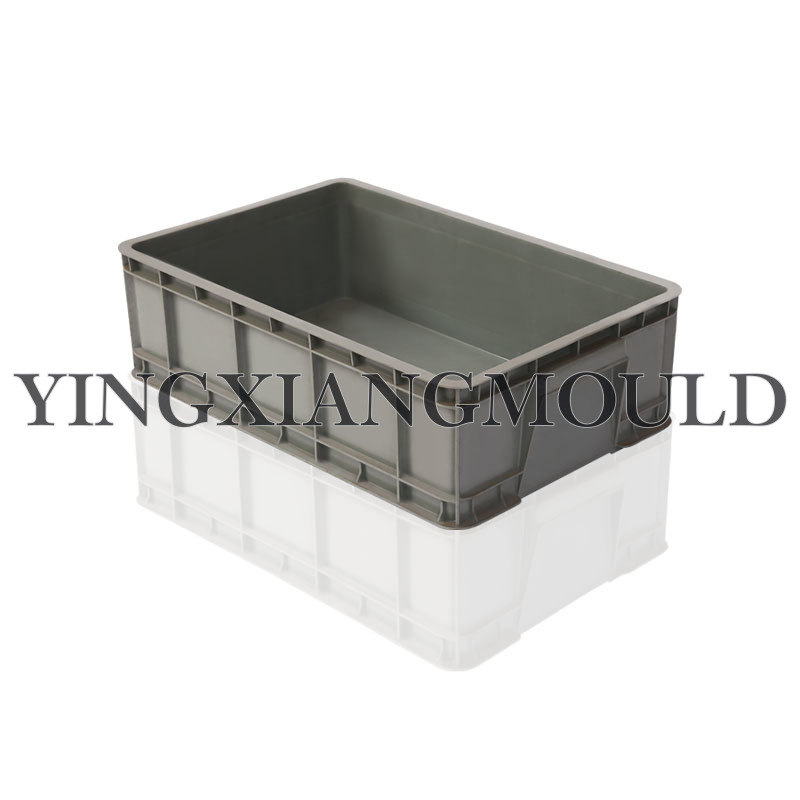
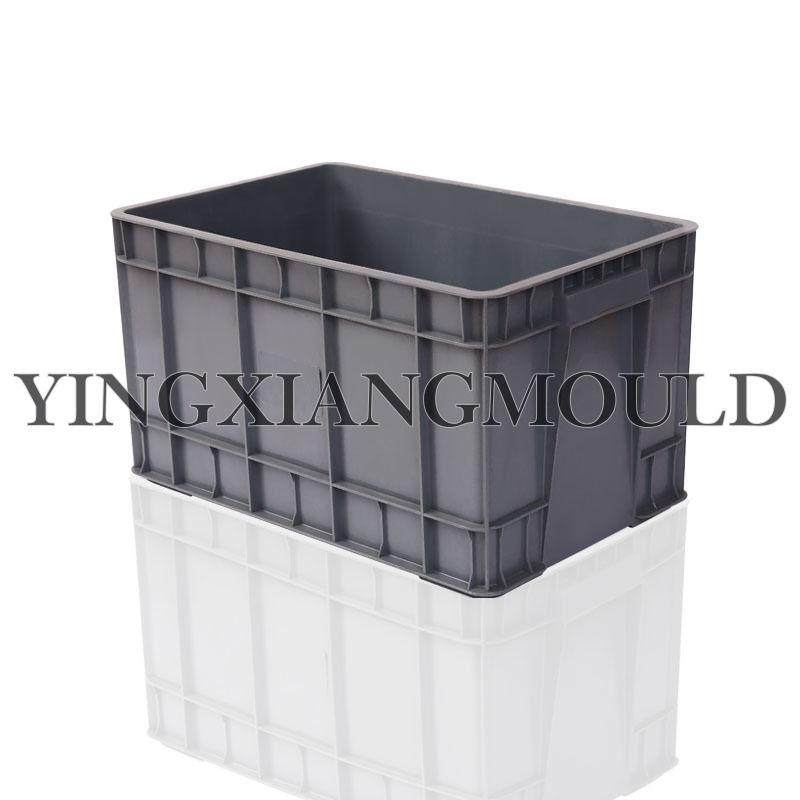
Folding crates have become an important packaging and storage solution for logistics, retail, agriculture, food distribution, manufacturing, and household organization. Unlike conventional rigid boxes, a folding crate can collapse when empty, reducing return transport volume, warehouse requirements, and handling costs. Behind every reliable folding crate is a precisely engineered mould capable of producing strong, repeatable, and visually consistent plastic parts over many production cycles.
A folding crate mould must do much more than create the external shape of a box. It must support complex folding structures, hinged side panels, locking points, reinforcing ribs, stacking features, handles, ventilation openings, and smooth operating surfaces. The mould also needs to deliver balanced filling, controlled cooling, dependable ejection, and long-term dimensional stability. If any of these elements are poorly designed, the finished crate may warp, fail to fold correctly, crack at the hinges, or become difficult to stack and transport.
TaiZhou HuangYan YingXiang Plastic Mould Co., Ltd. develops customized plastic injection mould solutions for folding crates, logistics packaging, household products, pallets, trays, beverage boxes, storage containers, chairs, stools, and other injection-moulded products. Based in Huangyan, Taizhou, Zhejiang, China, the company operates in one of the world’s well-known mould manufacturing regions. With a 7,000 square metre plant, approximately 50 employees, advanced CAD, CAE, and CAM systems, high-tech equipment, and experienced technicians, the company combines engineering capability with practical production experience.
This article explains the structure, performance requirements, manufacturing process, quality advantages, customization options, and commercial value of a modern folding crate mould. It also examines why professional mould engineering is essential for companies seeking durable reusable packaging and stable high-volume production.

Folding Crate
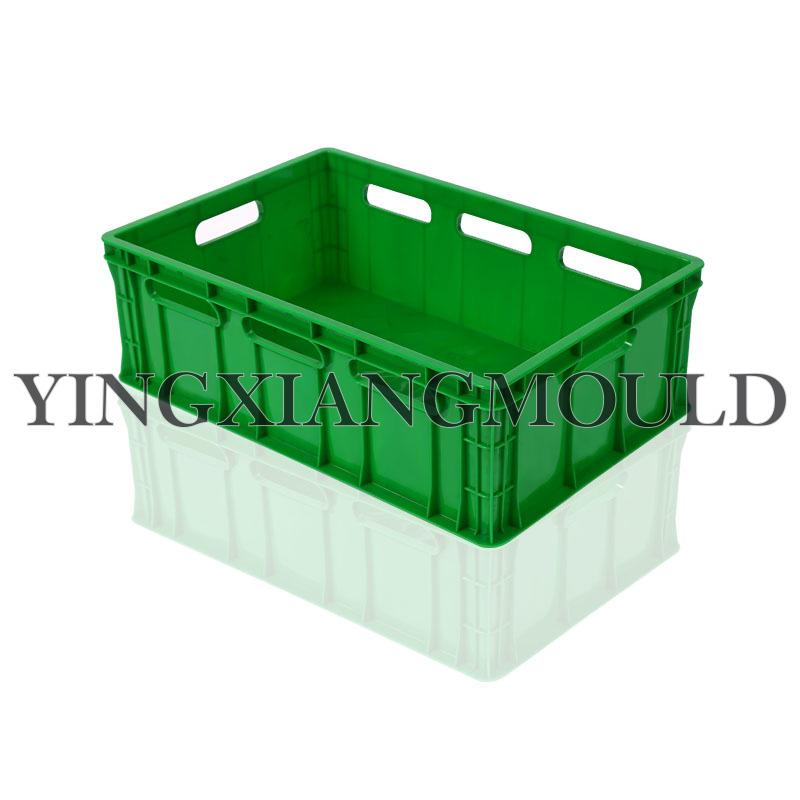
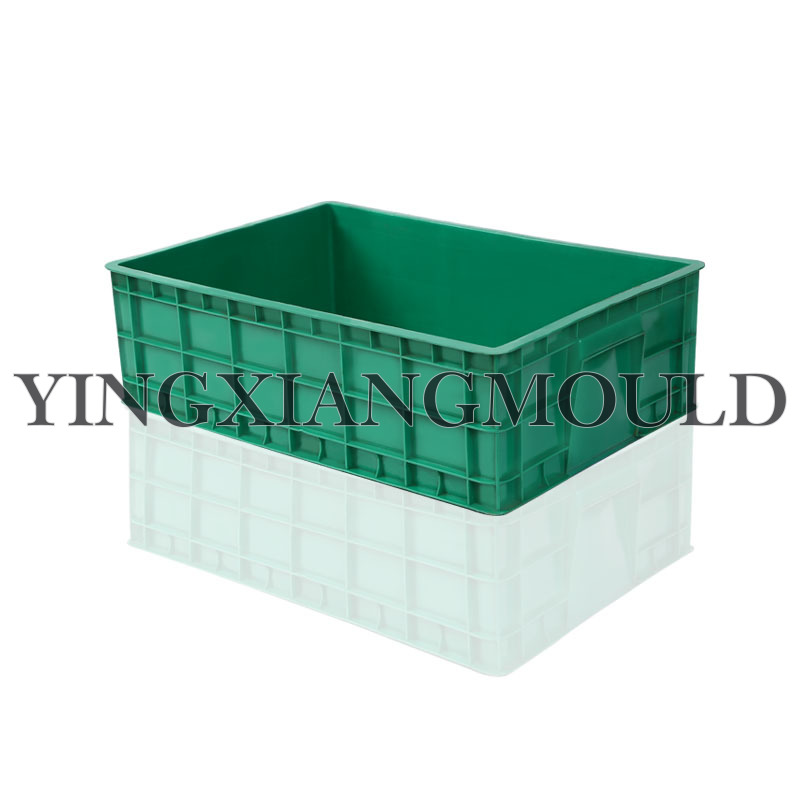
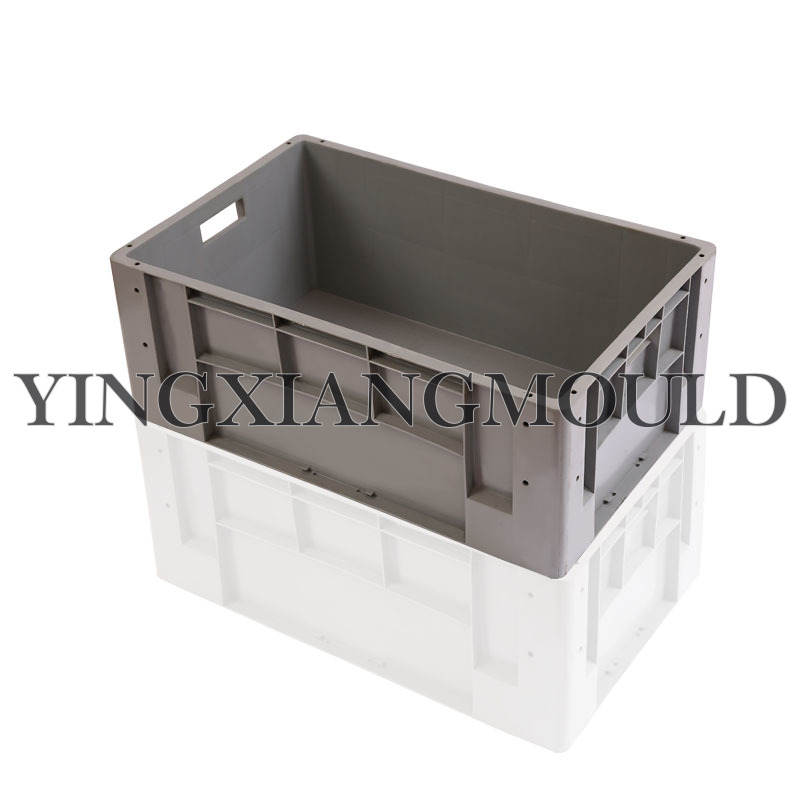
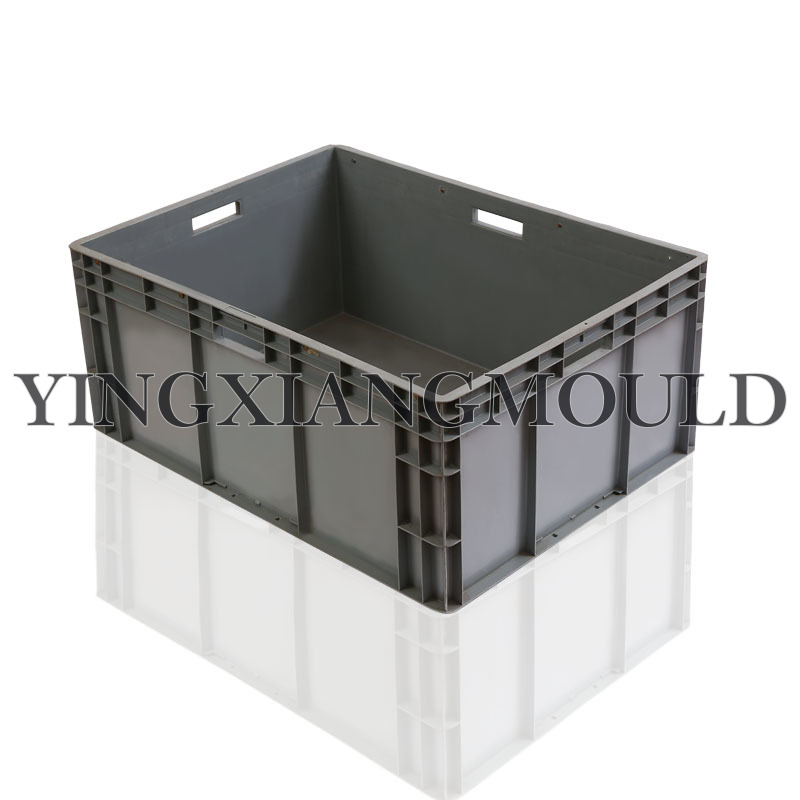
A folding crate is a reusable plastic container designed to provide the strength of a rigid box while allowing the container to collapse when it is empty. The product usually consists of a base, folding side panels, hinges or flexible connecting areas, locking mechanisms, handles, and stacking or nesting features. Depending on the intended use, it may include ventilation holes, identification areas, drainage openings, reinforced corners, or smooth internal surfaces.
Folding crates are used in many industries. Agricultural producers use them to collect and transport fruits, vegetables, flowers, and other fresh products. Retailers use them for back-of-store handling, product replenishment, and reusable distribution systems. Logistics companies use folding crates for organized transportation and reverse logistics. Factories use them to move components between production stations. Households may use smaller versions for storage, cleaning, gardening, and general organization.
The collapsible design offers a significant logistical advantage. When a normal rigid container is empty, it still occupies almost the same volume as a loaded container. A folding crate can be collapsed to reduce empty-return volume. This may help businesses carry more empty containers in a single vehicle, use warehouse space more efficiently, and reduce handling costs throughout the supply chain.
However, the folding function creates additional demands on both the product and the mould. A rigid box may use simple vertical walls and fixed corners. A folding crate must include moving or flexible relationships between components. The side walls must rotate or fold without excessive resistance, while the locking points must remain secure during use. The base must withstand load pressure and repeated handling. The hinge areas must tolerate many cycles without premature cracking.
These requirements make folding crate moulds more technically demanding than simple open-box moulds. The tooling must accurately reproduce all functional details and maintain consistency from the first production part to long production runs. A professional mould manufacturer therefore needs to understand not only injection moulding, but also packaging logistics, repeated-use product design, material behavior, assembly relationships, and end-user handling conditions.
Dimensional accuracy is essential for folding crates because multiple parts must work together. The base and side panels must align correctly. Hinges must have suitable clearance. Locking tabs must enter their corresponding slots without excessive looseness or difficult operation. Stacking features must match the geometry of other crates in the same system.
Small dimensional errors can create major functional problems. If a hinge opening is too tight, the side panel may be difficult to fold. If it is too loose, the crate may wobble or fail to remain in its configured position. If the base is not flat, loaded crates may become unstable. If the external dimensions vary beyond the required tolerance, the crates may not stack or fit into automated handling equipment.
Yingxiang’s use of CAD, CAE, and CAM systems supports accurate product analysis, mould construction, and machining preparation. Digital engineering allows the product structure to be reviewed before steel is cut. Potential interference, insufficient draft, weak corners, difficult ejection areas, and problematic wall transitions can be identified during the design stage.
A folding crate must withstand repeated loading, unloading, stacking, lifting, transport vibration, and occasional impact. The mould must form strong structural elements such as ribs, corner posts, handles, hinge supports, and locking blocks. These features need suitable wall thickness, smooth transitions, and balanced material distribution.
Excessive wall thickness may increase product weight, cycle time, and material cost. Insufficient wall thickness may reduce rigidity and create sink marks or deformation problems around thicker sections. The objective is not simply to make the crate heavier. The objective is to distribute material intelligently so that the finished product achieves the required performance with efficient use of resin.
A well-designed mould supports this balance through appropriate cavity geometry, rib design, gate positioning, cooling layout, and processing control. The mould should help the injection machine fill the product evenly, minimize internal stress, and produce consistent mechanical properties from one production cycle to the next.
Hinges are among the most important areas of a folding crate. They may be formed as integrated living hinges, separate pivot structures, or reinforced folding connections depending on the product design and material selection. Each approach requires careful attention to radius, thickness, orientation, clearance, and demoulding.
An integrated hinge must be thin and flexible enough to bend, but it must also be formed consistently. Variations in hinge thickness can result in different folding forces across the product. Sharp corners may create stress concentration and shorten service life. Poor cooling may cause distortion, while unsuitable gate locations may create weld lines in critical areas.
A professional mould design examines the folding motion and the manufacturing process together. The hinge should not only operate correctly in a computer model; it should also be practical to fill, cool, release, inspect, and use repeatedly in production. Tooling components around the hinge may require precise machining and durable surface treatment to maintain performance over long production runs.
Many folding crates are designed to stack when open and collapse when empty. The mould must produce consistent stacking feet, locating surfaces, corner supports, and nesting clearances. These features often interact with the crate’s internal usable volume and external transport dimensions.
Stable stacking can reduce product damage and improve warehouse safety. It can also support more efficient truck loading and pallet utilization. A crate that stacks inaccurately may lean, slide, or place excessive pressure on lower units. Therefore, the mould must maintain uniform dimensions in the features that guide stacking.
The folding ratio is another important commercial factor. A compact collapsed crate can produce greater savings in return transport and empty storage. The exact ratio depends on the product design, but the mould must enable the panels to fold closely without unwanted interference between hinges, locks, ribs, handles, and adjacent surfaces.
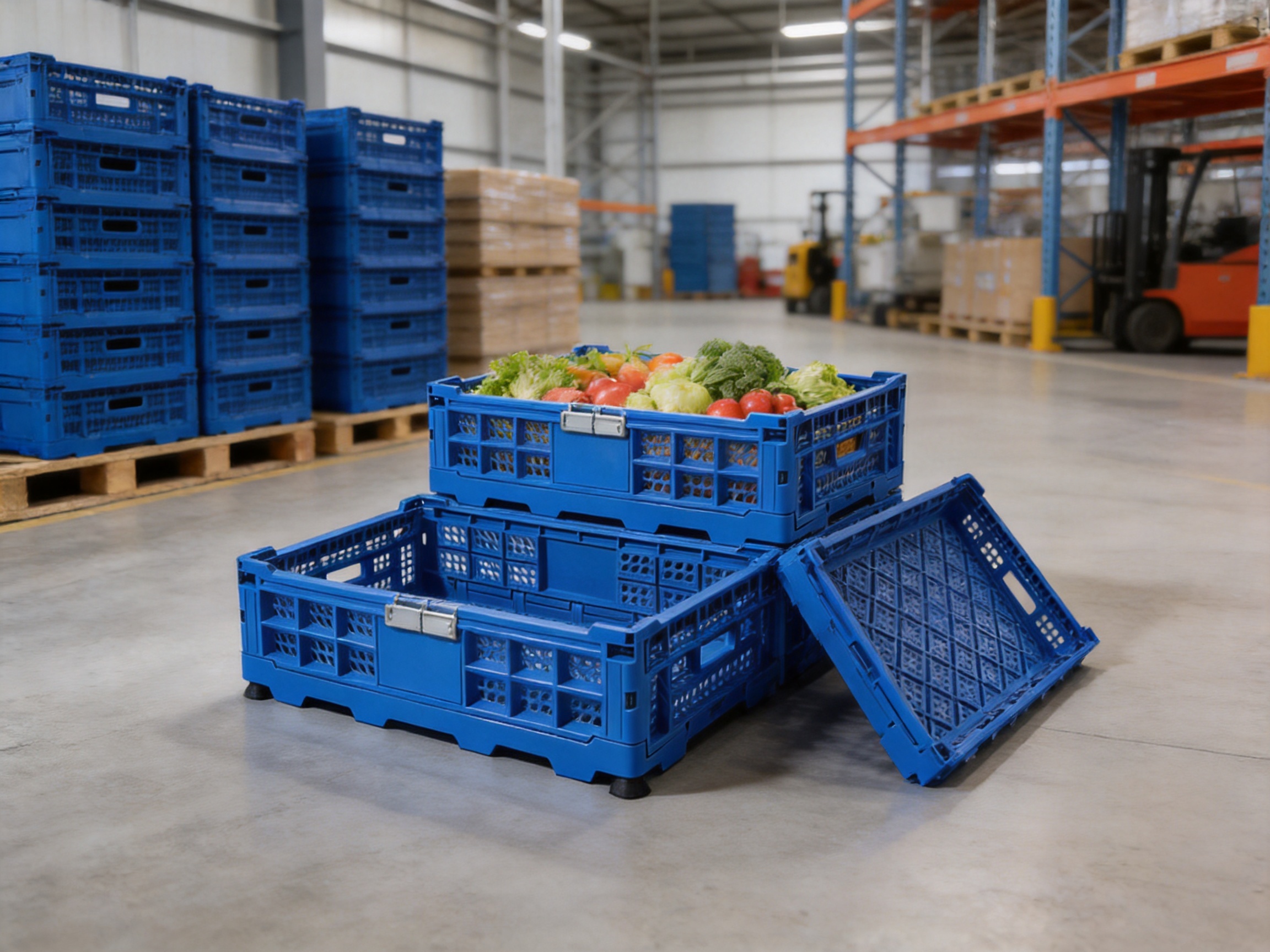
There is no universal folding crate mould that suits every application. Crates for fresh produce may prioritize ventilation, cleaning, and impact resistance. Crates for industrial components may require stronger ribs, smoother internal surfaces, and compatibility with automated lines. Household storage crates may focus on appearance, lighter weight, color options, and ease of operation.
A product-specific mould architecture allows the tool to reflect the customer’s actual requirements. The number and location of cavities, gating approach, cooling layout, ejection system, parting line, inserts, sliders, and interchangeable components can be selected according to the product design and expected production volume.
Yingxiang specializes in customized plastic mould solutions rather than limiting its work to a single standard container. This flexibility is valuable for customers who require a new folding crate size, a modified locking structure, a private-label product, a special material, a new ventilation pattern, or integration with existing logistics systems.
Folding crates often have large projected areas and multiple thin-wall sections. These conditions make material flow analysis especially important. If the melt does not reach all regions at suitable pressure and temperature, the product may develop short shots, weld lines, flow marks, warpage, or uneven shrinkage.
CAE analysis can help evaluate filling behavior before mould manufacturing. Engineers may review predicted flow fronts, pressure requirements, cooling behavior, weld-line locations, and potential deformation. The results can inform gate selection, runner balance, wall transitions, and cooling-channel planning.
For a multi-cavity mould, balanced filling is particularly important. Each cavity should receive material under similar conditions so that the finished crates have comparable weight, dimensions, and mechanical performance. An imbalanced system may produce one cavity that fills early and another that fills late, increasing variation and complicating production control.
Cooling is one of the most influential factors in injection moulding cycle time and product quality. A folding crate mould contains broad panels, ribs, corners, hinge areas, and locking details. These features do not all cool at the same rate. Without an effective cooling design, the product may warp or retain internal stress.
Cooling channels should be positioned to remove heat consistently from the moulding surface. Particular attention may be required around thick corners, reinforcing ribs, handles, and hinge supports. The design must also consider access for drilling, sealing, cleaning, and maintenance.
Stable cooling can provide several advantages. It may shorten the production cycle, improve dimensional consistency, reduce deformation, and support longer mould life by controlling thermal variation. For high-volume crate production, even a small reduction in cycle time can have a meaningful effect on annual output and unit cost.
After cooling, the folding crate must be released from the mould without distortion or damage. The product’s ribs, handles, undercuts, and folding components can make ejection more complicated than the release of a simple open container.
An effective ejection system distributes force across suitable areas of the product. It should avoid pushing against fragile hinge sections or thin locking tabs. Ejector pins, sleeves, lifters, stripper systems, and other components must be positioned according to the product structure and expected release direction.
Controlled ejection helps prevent white stress marks, deformation, sticking, and damage to functional details. It also supports faster and more consistent automated production. A mould that releases the part smoothly is easier to operate and less likely to cause unplanned downtime.
The mould development process begins with a clear understanding of the product. Important information includes the crate’s overall dimensions, collapsed dimensions, intended load, material, color, surface finish, folding method, hinge life, stacking requirements, production volume, and injection machine limitations.
The customer may also provide a product drawing, three-dimensional model, physical sample, packaging specification, or market reference. The mould manufacturer reviews these inputs to identify technical risks and recommend improvements. Early communication can prevent expensive changes after tooling construction has started.
At this stage, the engineering team may examine whether the selected design has sufficient draft, suitable wall thickness, practical parting lines, accessible ejection surfaces, and realistic tolerances. If a locking feature is too deep or a hinge geometry is difficult to demould, modifications can be proposed before final approval.
CAD software is used to develop the mould structure in three dimensions. The design normally includes the cavity, core, parting surfaces, runners, gates, cooling channels, ejector system, guide components, inserts, sliders, and mould base.
The design should account for product shrinkage and the thermal behavior of the selected plastic. It should also allow for assembly, inspection, maintenance, and replacement of wear components. Standardized components may be used where suitable, while special inserts or mechanisms can be engineered for complex folding features.
Parting-line planning is especially important for folding crates. The parting line should minimize visible marks on key surfaces and avoid creating unnecessary flash around hinges or locks. It must also support reliable demoulding. A well-planned parting line may simplify the mould, reduce manufacturing cost, and improve product appearance.
Before machining begins, CAE tools can be used to evaluate filling, packing, cooling, and deformation. Simulation does not replace practical experience, but it provides valuable information during the design phase.
Engineers can assess whether the proposed gates will fill the large crate area evenly. They can examine the possibility of weld lines around handles, ribs, or hinges. They can review pressure distribution and identify sections that may need additional flow assistance. Cooling analysis can indicate areas where temperature differences may lead to warpage.
Design verification may also include interference checks for folding movement, slider travel, ejector stroke, and mould opening. These checks help reduce the likelihood of mechanical problems during trial production.
Mould steel must be selected according to production volume, material characteristics, product requirements, and maintenance expectations. A high-output folding crate mould requires a steel grade and heat-treatment approach that can withstand repeated clamping, injection pressure, thermal cycling, and mechanical movement.
Wear-prone elements such as sliders, lifters, guide components, and replaceable inserts may need special attention. If a customer expects frequent design changes or multiple crate variants, interchangeable inserts can provide a practical solution. A modular approach may reduce future tooling costs and shorten the time required for product updates.
The finished crate may be produced from a suitable injection-moulding resin selected by the customer and application. Material selection influences impact resistance, flexibility, stiffness, temperature performance, chemical resistance, appearance, and recyclability. The mould design should be compatible with the material’s processing characteristics.
Once the design is approved, mould components are manufactured using machining equipment and production methods appropriate to the required accuracy. Milling, drilling, turning, grinding, electrical discharge machining, and other processes may be used for different components and details.
Complex hinge structures, narrow ribs, locking details, and textured surfaces require careful machining and inspection. CAM systems help convert approved digital designs into machining instructions. Experienced technicians then review the results and manage practical considerations such as tool access, machining sequence, distortion control, and finishing allowances.
Precision machining is not limited to visible cavity surfaces. Alignment surfaces, guide components, ejector holes, cooling channels, and internal interfaces also affect mould performance. Accurate assembly is essential because a small mismatch may create flash, uneven wear, difficult mould opening, or inconsistent product dimensions.
After machining, individual components are cleaned, measured, and assembled. Fitting technicians check the interaction between cavity and core, the movement of sliders and lifters, the operation of ejectors, and the alignment of the mould halves.
Assembly quality directly affects the service life of the tool. Correct clearances are necessary for moving components. Excessive clearance may lead to flash or misalignment, while insufficient clearance may cause seizure during operation. Lubrication points, cooling connections, water seals, and safety features also require attention.
The mould should be designed for practical maintenance. Easy access to wear components, cooling connections, inserts, and ejector parts can reduce downtime over the product’s service life. This is particularly important for logistics products that are commonly manufactured in large quantities.
Trial moulding is used to verify whether the tool can produce acceptable folding crates under suitable processing conditions. The trial process may examine filling, demoulding, folding movement, locking performance, dimensions, surface appearance, and part weight.
If the first trial identifies an issue, adjustments may involve processing parameters, venting, polishing, gate modification, insert correction, ejection timing, or cooling control. The objective is to solve the root cause rather than simply compensate for the problem with unstable machine settings.
Trial samples can be measured against approved drawings and functional requirements. Folding tests may be conducted to confirm that side panels operate correctly. Stacking tests may evaluate alignment and stability. Depending on the application, customers may also perform impact, load, drop, temperature, or repeated-use testing.
After optimization, the mould is prepared for final approval and delivery. Documentation may include mould specifications, trial records, product measurement information, recommended processing parameters, maintenance guidance, and spare-part details.
Production support remains important after the mould enters service. Operators may need guidance on start-up, cooling management, lubrication, cleaning, and inspection. A responsive mould manufacturer can help customers address production questions and plan preventive maintenance.
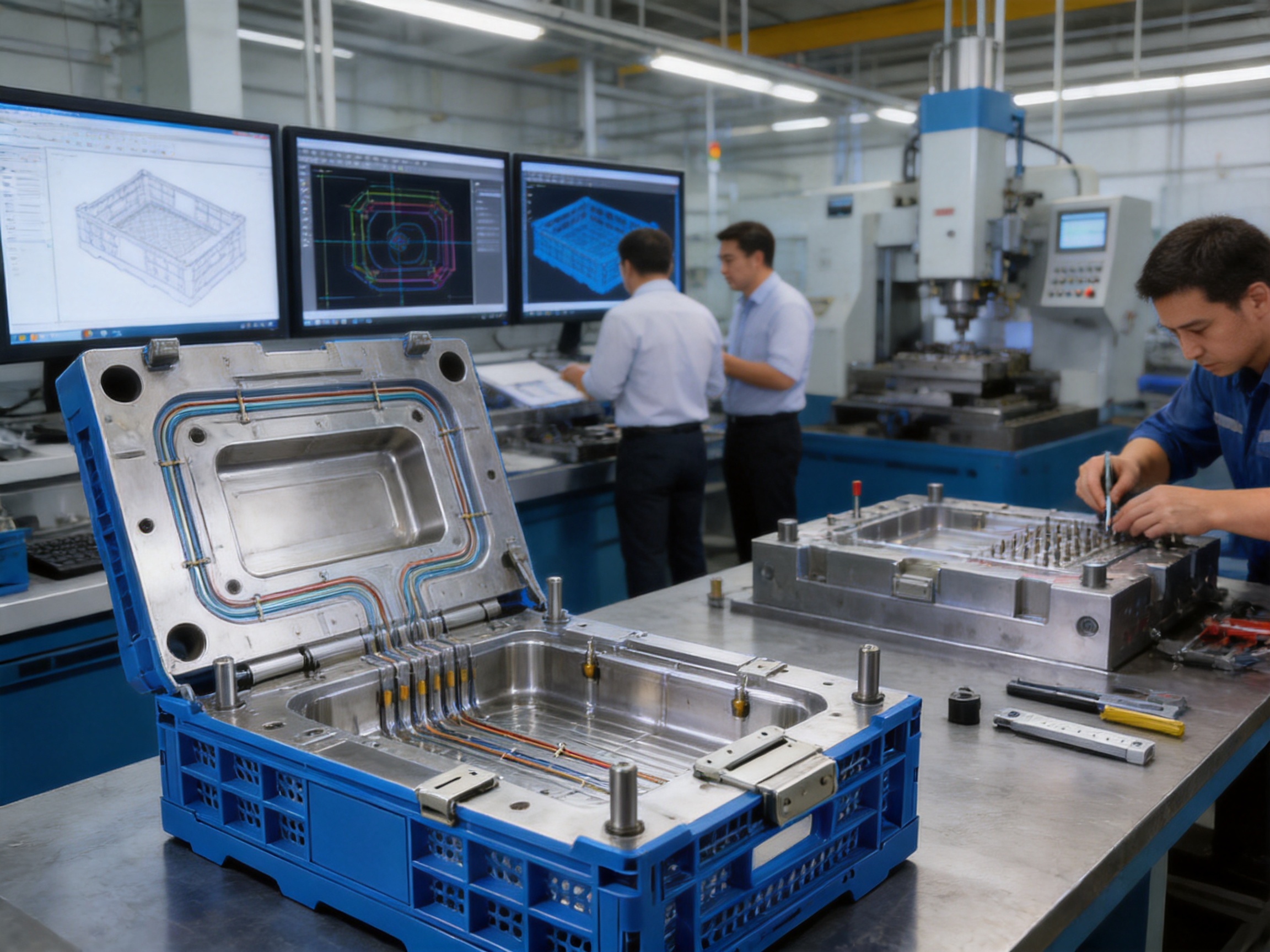
Customers buying a folding crate mould are not only purchasing a steel tool. They are investing in future production capacity, product quality, supply reliability, and operating cost. The manufacturer’s facilities, engineering systems, workforce, and quality practices all influence the return on that investment.
Yingxiang’s 7,000 square metre plant provides space for mould design, machining, assembly, trial production, inspection, and related operations. A dedicated facility can support better workflow control and communication between engineering and manufacturing teams. This is valuable when the product contains many interconnected features and the mould requires repeated adjustment during development.
The company has approximately 50 employees, including experienced technicians and production personnel. Human expertise remains important even when advanced digital tools are used. Software can identify predicted flow or deformation, but experienced engineers must interpret the results and translate them into practical mould structures.
Established in 2012, the company has developed experience in customized plastic mould production. Its product range includes crate and folding box moulds, tray and pallet moulds, beverage box moulds, storage container moulds, household product moulds, chair moulds, stool moulds, trash can moulds, hand basket moulds, and floor mat moulds.
This broad product experience can benefit folding crate customers because many design principles are shared across injection-moulded logistics and household products. Knowledge of pallets may support stacking analysis. Experience with beverage boxes may help with repeated handling and high-volume production. Household product experience may contribute to surface appearance, ergonomic details, and cost-conscious design.
A basic tooling source may focus primarily on copying the supplied geometry. A professional manufacturer evaluates how the product will actually be moulded and used. This includes reviewing the folding movement, material flow, cooling, ejection, tolerances, tool maintenance, and production targets.
More complete evaluation can prevent problems that might not be visible in a product drawing. For example, a crate may look correct in a static model but have insufficient clearance when folded. A visually attractive handle may create a difficult weld-line location. A deep rib may fill correctly but cool too slowly. Professional engineering identifies such concerns earlier.
Folding crates are often manufactured in large quantities. A mould that produces acceptable samples but inconsistent production parts can create significant commercial problems. Weight variation, dimensional drift, flash, deformation, and hinge inconsistency may increase rejection rates and slow the production line.
Advanced design, accurate machining, balanced flow, effective cooling, and stable ejection all support better repeatability. Consistent tooling also makes process control easier because operators do not need to compensate continuously for mould-related variation.
A mould intended for high-volume production must be built for repeated operation. Tool life depends on steel selection, heat treatment, surface finish, component alignment, cooling management, lubrication, and maintenance. A low-cost mould may appear attractive initially but become expensive if it requires frequent repair or produces unstable parts.
Yingxiang emphasizes long-life moulds, lean manufacturing, and practical service. These priorities align with the needs of customers who expect a folding crate mould to support sustained production rather than a short experimental run.
The cheapest mould purchase price does not always produce the lowest total cost. Total cost includes the initial tool, trial adjustments, production scrap, cycle time, maintenance, spare parts, downtime, energy use, and potential delivery delays.
A well-engineered mould may provide better value through stable cycles, reduced waste, easier maintenance, and longer service life. It may also reduce the risk of launching a product that needs later redesign. Customers should therefore compare tooling proposals according to expected lifetime performance rather than price alone.
On-time delivery is important because mould completion affects machine scheduling, product launch dates, customer commitments, and inventory planning. A manufacturer with established internal processes can coordinate design approval, machining, assembly, trial production, correction, and final inspection more effectively.
Yingxiang focuses on on-time delivery and comprehensive customer service. Clear communication is especially important when customers are located overseas and need regular updates during the tooling process. Digital design reviews, trial feedback, and documented approval stages can help maintain alignment throughout the project.
Different markets require different crate configurations. A folding crate mould can be customized in several important areas.
The length, width, height, internal capacity, collapsed height, and load rating can be adapted to the customer’s distribution system. The dimensions may be selected to match pallets, trucks, shelving, automated equipment, or existing packaging standards.
Agricultural and food-related crates may require ventilation openings to support air circulation and reduce moisture accumulation. Drainage openings may assist cleaning and liquid removal. The opening pattern must balance airflow with product protection and structural strength.
Handles can be positioned on short sides, long sides, or multiple panels. Their shape should support comfortable lifting while maintaining sufficient strength. The mould must account for handle wall thickness, corner transitions, ejection access, and potential weld lines.
Customers may require snap locks, rotating locks, sliding locks, or other folding arrangements. The chosen mechanism affects the mould’s sliders, inserts, clearances, and ejection strategy. It also influences the user experience and the crate’s resistance to accidental opening.
Stacking feet, locating ribs, alignment recesses, and anti-slip details can be incorporated according to the intended logistics environment. The design should support stable stacking while allowing the crates to collapse compactly when empty.
Surface texture can influence appearance, grip, scratch visibility, and mold-release behavior. Customers may also request embossed logos, product codes, recycling marks, barcode areas, or textured identification panels. These details should be considered early because they affect cavity machining and parting-line planning.
The mould can be developed for the customer’s selected resin and production conditions. Color requirements may include standard colors, customer-specific colors, or different colors for product categories. Material and color changes should be evaluated for their effects on shrinkage, filling, surface appearance, and cleaning procedures.
Quality control begins before mould machining. The product design, steel selection, manufacturing drawings, component tolerances, and inspection standards should be reviewed systematically. Preventive quality management is generally more efficient than relying only on final inspection.
During machining, critical dimensions and surface conditions should be checked according to the approved design. Inspection may cover cavity and core dimensions, guide components, ejector holes, slider positions, cooling-channel connections, and insert interfaces.
During assembly, technicians should verify smooth movement, correct alignment, suitable clearances, and reliable locking of mould components. Water testing may be used to check cooling circuits. Ejection tests can confirm that the system operates without abnormal resistance.
During trial moulding, the finished crate should be evaluated both visually and functionally. Important checks may include product weight, wall thickness, overall dimensions, folding force, locking action, hinge appearance, stacking performance, flash, sink marks, warpage, weld lines, and surface finish.
The exact inspection criteria should be agreed with the customer because different applications have different priorities. A food distribution crate may require particularly easy cleaning and smooth internal surfaces. An industrial crate may prioritize load strength and chemical resistance. A retail crate may place greater emphasis on appearance and handling comfort.
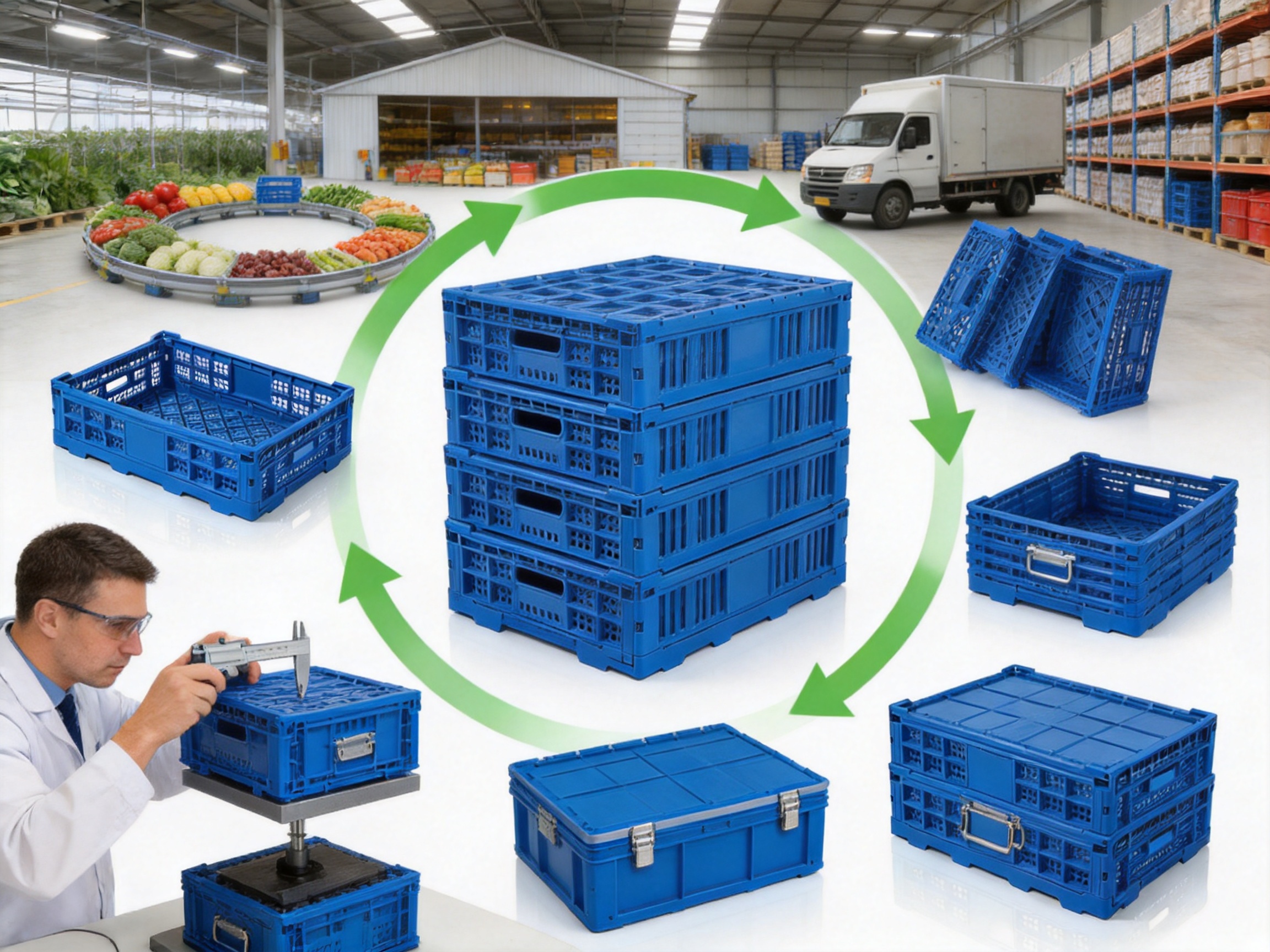
Folding crates are widely suited to agricultural supply chains because they can be reused and collapsed after delivery. Ventilated structures may help protect fruits and vegetables during handling. Smooth internal surfaces can reduce snagging and simplify cleaning. Strong corners and bases help the crate withstand field collection, warehouse movement, and transport vibration.
Retailers can use folding crates to move goods from distribution centers to stores. The same container may be used repeatedly, reducing dependence on single-use cartons. When empty, the crate can be collapsed and returned efficiently. Standardized dimensions also support organized shelf replenishment and back-room storage.
Manufacturing companies may use folding crates to transport parts between suppliers, factories, assembly stations, and warehouses. The product can be customized with partitions, reinforced bases, or smooth surfaces to protect components. The collapsible structure may improve return logistics between production locations.
Food and beverage applications often require cleanable surfaces, drainage, ventilation, and reliable repeated use. The mould must support product geometry that minimizes dirt traps and facilitates washing. Material and production conditions should be selected according to applicable customer and industry requirements.
Smaller folding crates may be used for home organization, wardrobes, garages, kitchens, bathrooms, and travel. Household products may place greater emphasis on appearance, color, surface texture, compact storage, and comfortable handles. A carefully engineered mould can combine these features with efficient mass production.
Reusable folding crates can support more efficient packaging systems by replacing some single-use containers and reducing empty-return volume. Their environmental value depends on actual service life, reuse frequency, material selection, repairability, cleaning practices, and end-of-life recycling.
Long-life moulds contribute to this objective by enabling consistent production of durable crates. If the mould maintains accurate dimensions and strong functional features over many production cycles, the resulting products can achieve reliable service performance.
Material-efficient design is also important. Proper rib placement and optimized wall thickness can reduce unnecessary resin use while preserving strength. A lighter crate may reduce transport weight, although weight reduction must not compromise durability or safety.
Designers may also consider mono-material construction, clear material identification, removable labels, and recyclable components. These decisions should be evaluated together with the required hinge flexibility, impact performance, temperature range, and cleaning conditions.
From a manufacturing perspective, stable injection cycles can reduce scrap and energy waste. Effective cooling may shorten cycle time, while balanced filling can reduce rejected parts. Preventive maintenance can help the mould continue producing acceptable products instead of generating unnecessary waste due to wear or dimensional drift.
Even a high-quality folding crate mould requires proper care. Maintenance should be planned according to production volume, material, cycle time, and operating environment.
After production, the mould should be cleaned to remove resin residue, dust, moisture, and processing contaminants. Particular attention may be needed around hinge-forming details, sliders, ejector areas, vents, and parting surfaces.
Moving components should be inspected and lubricated according to the manufacturer’s recommendations. Guide pins, guide bushes, lifters, sliders, and ejector systems can wear if lubrication is neglected. Excess lubricant should be controlled so that it does not contaminate the product or attract debris.
Cooling circuits should be monitored for blockage, leakage, scale, and reduced flow. Inconsistent cooling can gradually create dimensional variation even when the mould appears mechanically sound. Water quality and maintenance procedures should be suitable for the local production environment.
Critical product dimensions should be checked periodically. If hinge clearances, locking positions, stacking features, or base flatness begin to change, the mould should be examined before the issue becomes widespread. Early correction can reduce repair costs and prevent large quantities of nonconforming crates.
Replaceable wear parts should be documented so that the customer can plan spare-parts inventory. This is particularly useful for high-volume production, where unexpected downtime may affect delivery schedules and customer service.
When evaluating a mould supplier, customers should consider more than product photographs or initial quotations. A reliable supplier should be able to explain the proposed gate system, cooling approach, ejection method, parting line, steel selection, expected tool life, trial process, inspection standards, and maintenance requirements.
Technical communication is another important factor. The supplier should be willing to discuss product risks and suggest reasonable design improvements. A manufacturer that only accepts files without evaluating manufacturability may transfer hidden problems to the customer’s production line.
Manufacturing capacity should also match the project. Customers may ask about plant size, available equipment, engineering systems, technician experience, previous product categories, trial facilities, and production support. Yingxiang’s experience with crates, folding boxes, pallets, trays, beverage boxes, and household products provides a relevant foundation for customers seeking customized container tooling.
Quality and delivery commitments should be clear. A practical project plan should identify design approval, mould construction, first trial, correction, final trial, inspection, and delivery stages. Written records help both sides manage changes and maintain accountability.
Finally, the supplier should understand the customer’s commercial objective. A folding crate may be intended for a closed-loop logistics system, a retail supply chain, agricultural transport, industrial handling, or consumer sales. The mould should be engineered around the product’s actual operating conditions rather than treated as a generic box tool.
A folding crate mould is an injection mould used to manufacture plastic crates with collapsible side panels, hinges, locking features, handles, stacking elements, and related structural details. It is designed to produce repeatable parts for high-volume production.
A standard plastic box normally remains rigid and occupies nearly the same volume whether it is full or empty. A folding crate can collapse when empty, which may reduce return transport volume and storage requirements. Its mould must therefore accommodate additional folding and locking functions.
Hinges require controlled thickness, suitable flexibility, accurate clearance, and smooth transitions. They must fill correctly, cool consistently, release from the mould without damage, and withstand repeated folding. Any variation can affect the product’s operating force and service life.
Yes. The dimensions, capacity, collapsed height, wall structure, handles, ventilation pattern, stacking design, and locking arrangement can be developed according to the customer’s application and logistics requirements.
Useful information includes the product drawing or three-dimensional model, material, target weight, expected production volume, injection machine details, load requirements, folding cycle expectations, surface finish, color, packaging standards, and any applicable testing requirements.
CAE analysis can help evaluate filling behavior, pressure, weld-line locations, cooling performance, shrinkage, and potential warpage. It allows engineers to identify design risks and improve the mould layout before machining begins.
The suitable material depends on the required strength, flexibility, impact resistance, temperature performance, chemical resistance, appearance, and recycling objectives. The customer’s resin selection should be reviewed together with the product design and processing conditions.
Long service life depends on suitable mould steel, correct heat treatment, precise machining, durable moving components, proper cooling, accurate assembly, effective lubrication, and regular maintenance. The mould should also be designed so that wear parts can be inspected and replaced.
Some related designs may be supported through interchangeable inserts or modular components, but the feasibility depends on the product geometry, size, cavity arrangement, and differences between versions. A technical review is needed before selecting a common-base or interchangeable-insert strategy.
Typical checks include dimensions, weight, wall thickness, folding movement, hinge operation, locking performance, stacking stability, flatness, flash, sink marks, weld lines, surface finish, and load or impact performance. The exact inspection plan should reflect the intended application.
A mould with a low purchase price may create higher production scrap, longer cycles, more maintenance, shorter service life, and delivery delays. Total cost includes the complete operating life of the tool, so stable quality and dependable maintenance can provide better long-term value.
An experienced manufacturer can identify manufacturability risks, select practical mould structures, balance product performance with tooling cost, manage trial corrections, and provide production support. Experience with related crates, pallets, trays, and household products can further improve project understanding.
A folding crate is a practical combination of reusable packaging, space-saving logistics, and durable plastic product design. Its commercial value depends heavily on the quality of the mould used to manufacture it. The mould must deliver accurate dimensions, reliable hinges, secure locks, stable stacking, balanced material flow, efficient cooling, smooth ejection, and long production life.
Compared with basic tooling approaches, a professionally engineered folding crate mould offers stronger control over consistency, maintenance, cycle efficiency, product performance, and total cost of ownership. Digital design systems, CAE analysis, CAM-supported machining, experienced fitting, systematic trial production, and preventive quality control all contribute to a more reliable result.
TaiZhou HuangYan YingXiang Plastic Mould Co., Ltd. brings together a 7,000 square metre manufacturing plant, approximately 50 employees, advanced CAD, CAE, and CAM systems, high-tech equipment, and experience developed since 2012. Its specialization in customized plastic mould solutions covers folding box moulds, logistics crate moulds, pallet moulds, beverage box moulds, storage container moulds, and many household product categories.
For customers developing a new folding crate or improving an existing packaging system, the right mould partner can influence every stage of the project, from initial design and material efficiency to production stability and long-term product reliability. A carefully planned mould is not simply a manufacturing tool; it is the foundation of a dependable reusable packaging solution.
1. Injection Moulding Handbook, principles of plastic flow, cooling, ejection, and mould construction.
2. Plastics Engineering Fundamentals, material behavior, shrinkage, warpage, and product design considerations.
3. Design for Injection Moulding, guidance on draft angles, wall thickness, ribs, bosses, hinges, and parting lines.
4. Packaging and Logistics Engineering, reusable transport packaging, stacking systems, and return-load efficiency.
5. Polymer Processing Principles, injection pressure, filling balance, cooling behavior, and cycle-time optimization.
6. Industrial Mould Maintenance Practice, preventive maintenance, wear inspection, lubrication, cooling systems, and service-life management.
If you are interested in any of our products or services, please feel free to ask and we can talk about your ideas.
 QUICK LINKSMOBILE SITE
 FACTORY ADDRESS
 CONTACT INFORMATION



 English
 Español