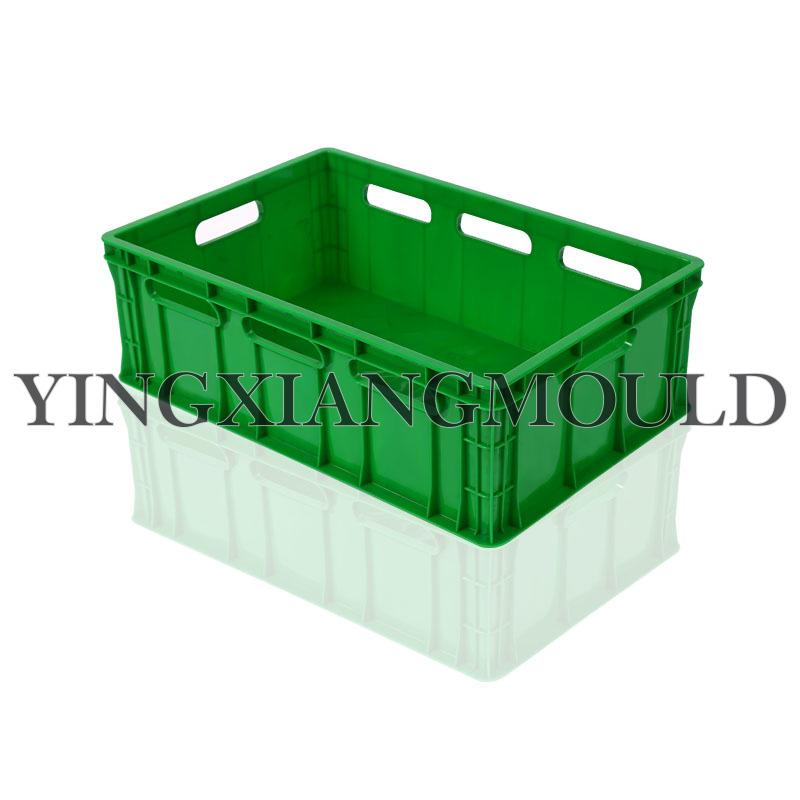
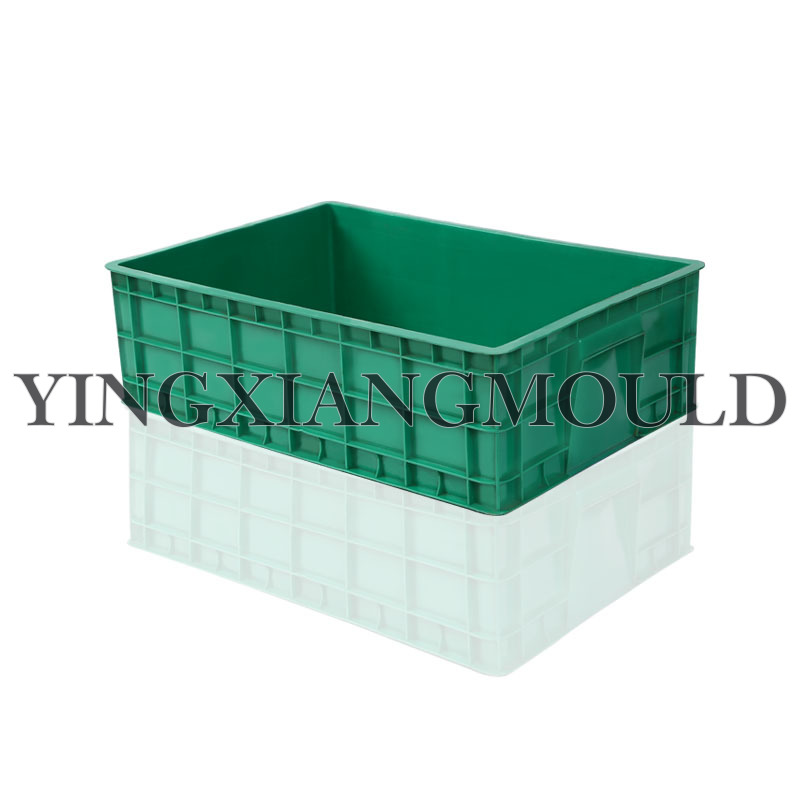
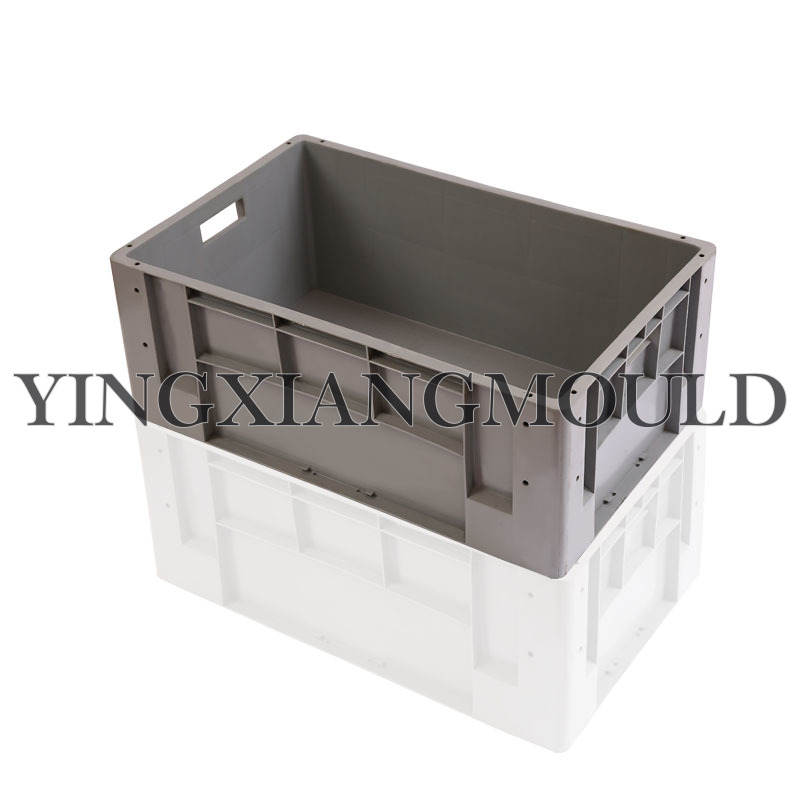
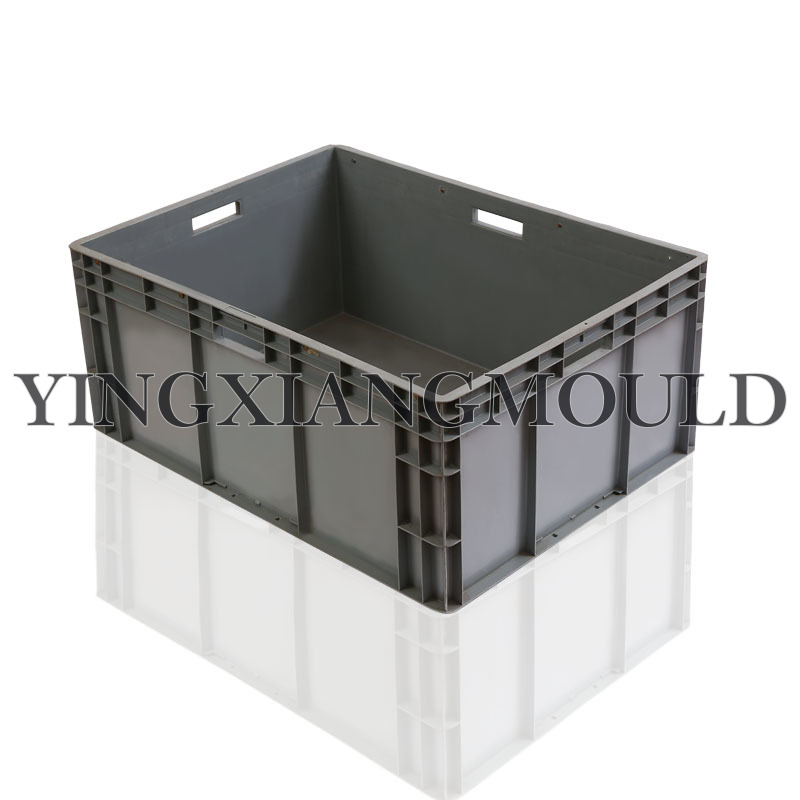
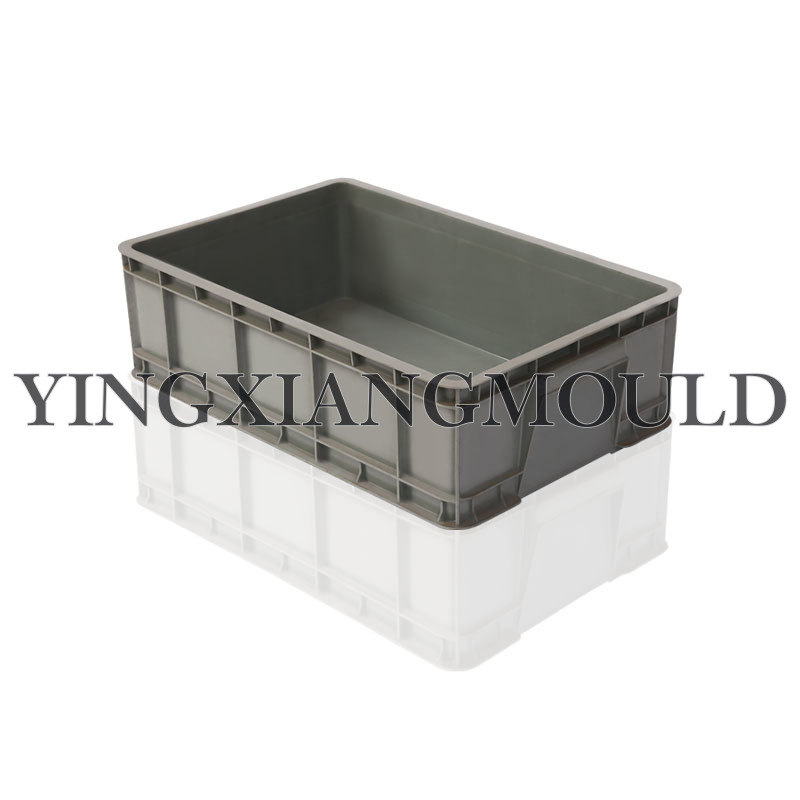
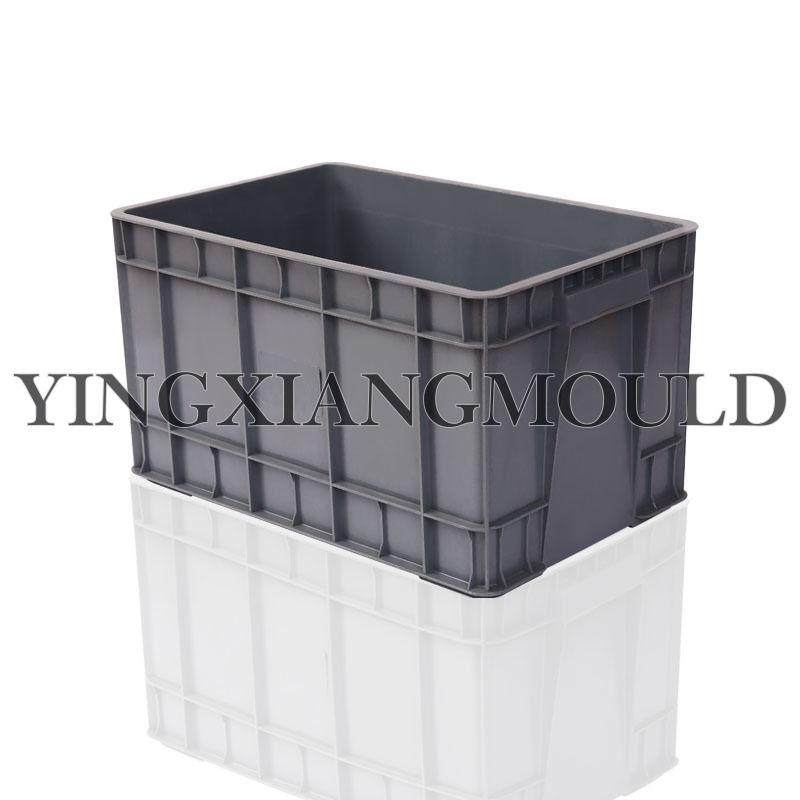
The first production cycles after a mold is installed can affect the stability of an entire manufacturing run. Before storage baskets can be produced continuously, the machine, material and mold must operate under suitable conditions. For a Commodity Storage Product, start-up checks help identify process issues before they lead to larger quantities of defective parts.
Before injection begins, operators need to confirm that the correct mold is installed and secured. Depending on the equipment, preparation may include checking cooling connections, electrical connections and the ejection system. These checks help ensure that the mold and machine are ready for the planned production task.
Material identification is equally important. Different plastics have different processing characteristics, so the resin and machine settings must follow the requirements for the specific product. Carrying over settings from an unrelated job without review can lead to inconsistent results.
For a Commodity Storage Product, these preliminary checks establish a suitable starting point before the machine begins its production cycle.
Injection molding relies on several connected parameters, including barrel temperature, injection speed, pressure and cooling time. These affect how molten plastic fills the cavity and solidifies before removal. The appropriate settings depend on the resin, mold design, machine and product geometry.
A storage basket may have broad walls, a reinforced rim, handle openings or a textured surface. These features can affect material flow and cooling. Settings used for one basket design should therefore be checked before being applied to another.
During Commodity Storage Product production, the aim is to establish repeatable conditions rather than produce just one acceptable part. Operators may make controlled adjustments when initial results reveal filling or surface problems, following the relevant process requirements.
The first parts provide useful information about how the mold and machine are performing together. Operators can check whether the cavity fills properly, whether the part releases as intended and whether visible defects appear.
Potential problems include incomplete filling, flash along the parting line, uneven surfaces or deformation after ejection. These symptoms can have different causes. A parameter adjustment may help with one issue, while another may require inspection of the mold, material or cooling system.
For a Commodity Storage Product, changing several settings at once makes it harder to identify the cause of a defect. Controlled adjustments allow the team to evaluate the effect of each change. If the problem continues, further equipment or process checks may be necessary.
After the cavity is filled, the plastic needs time to cool and retain its shape before ejection. Removing a part too early can increase the risk of deformation, especially where sections cool at different rates.
Cooling time depends on factors such as resin type, wall thickness, mold temperature and product geometry. There is no single setting suitable for every storage basket. Operators should follow the established process and check whether parts retain their intended shape after removal.
Handling also matters. Newly ejected products may still be vulnerable to pressure or distortion. For Commodity Storage Product manufacturing, the handling and stacking method should suit the condition of the parts rather than assuming that every item is immediately ready for bulk stacking.
An acceptable first part does not necessarily mean the production line is ready for a full run. The team needs to confirm that successive cycles produce consistent results.
Operators can compare parts from repeated cycles, checking for recurring defects, visible variation and dimensional differences where specified. If results change, possible causes include machine settings, material supply, cooling conditions or equipment issues.
A Commodity Storage Product production run benefits from records of the approved process settings and any adjustments made during start-up. These records provide a reference for the current job and can help the team investigate similar problems in later runs. They should reflect the actual production process rather than values copied from another product.
Injection molding start-up connects equipment preparation with stable output. Mold installation, material confirmation, parameter setting, initial inspection and cooling checks all help establish a repeatable production routine.
For a Commodity Storage Product, processing conditions must suit the specific resin, mold and machine. Applying one fixed recipe to every basket may overlook differences in geometry and material behavior.
YingXiang develops injection molds for household and storage products. During production, a controlled start-up helps identify problems early and provides a clearer basis for maintaining consistent output. The goal is not simply to produce one acceptable basket, but to establish conditions that support the rest of the manufacturing run.
If you are interested in any of our products or services, please feel free to ask and we can talk about your ideas.
 QUICK LINKSMOBILE SITE
 FACTORY ADDRESS
 CONTACT INFORMATION



 English
 Español