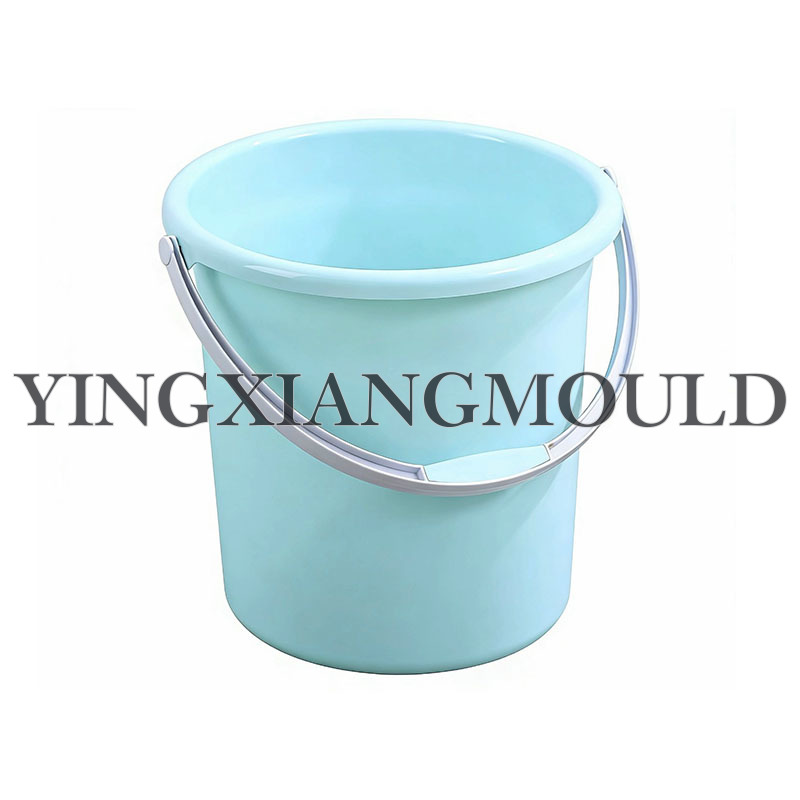
A round plastic bucket may look like a simple household item, but producing it repeatedly requires more than a cavity shaped like a cylinder. The mould has to create a stable wall, maintain the shape of the rim and bottom, release the part cleanly, and keep the molding cycle consistent. These requirements make the manufacturing process behind a Round Bucket Injection Mould more involved than the finished product suggests.
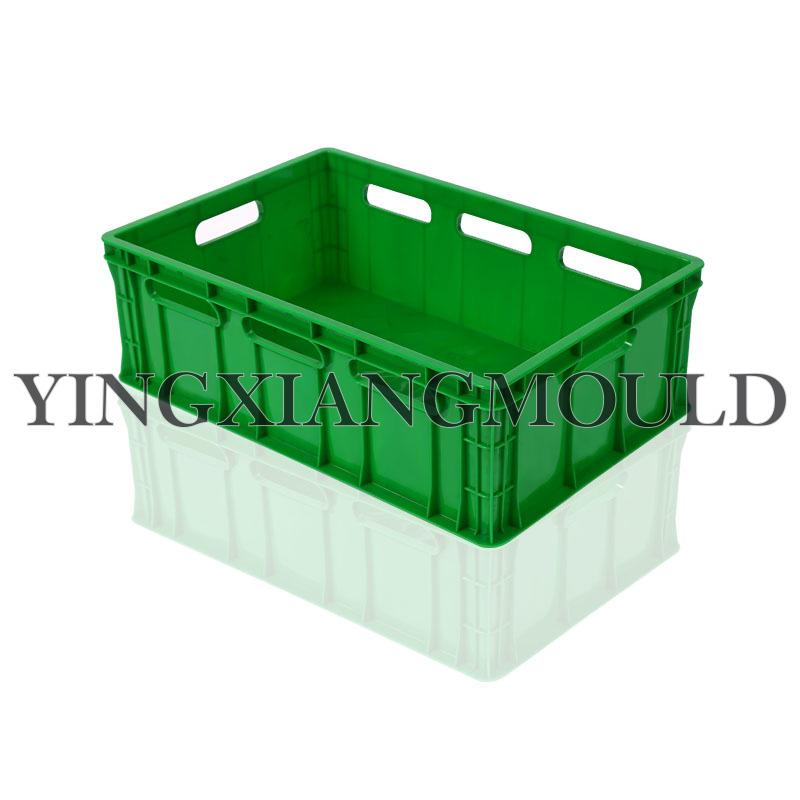
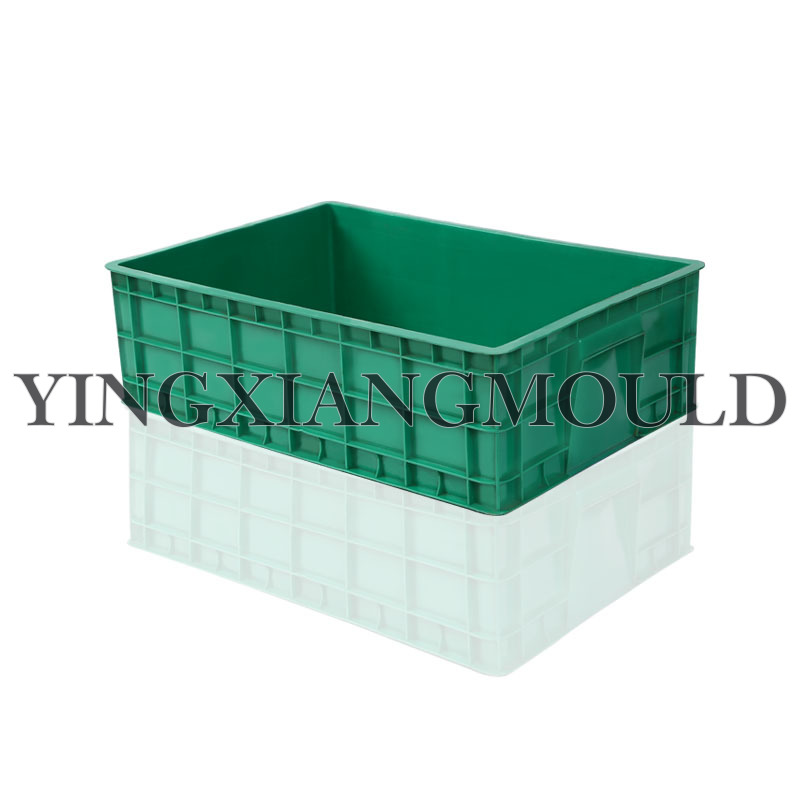
For TaiZhou HuangYan YingXiang Plastic Mould Co., Ltd., household product moulds are part of its broader plastic mould manufacturing work in Huangyan, Taizhou. The factory develops and manufactures small, medium, and large injection moulds, with production supported by CAD, CAE, and CAM systems and experienced technicians across different manufacturing stages. Its household mould range includes buckets, wash basins, baskets, stools, and other daily-use plastic products.
The first practical consideration in a Round Bucket Injection Mould is the geometry of the finished bucket. A circular body creates a continuous wall around the cavity, while the bottom needs enough structural support to remain stable after molding. The rim is another important area because even a small dimensional problem can affect how the finished bucket looks or how a lid or other matching component fits.
Instead of treating the bucket as a simple hollow shape, mould engineers need to consider how the plastic will fill the cavity and how the part will behave during cooling. The relationship between wall thickness, ribs, bottom structure, and draft affects both molding stability and ejection. This is where digital mould development can help the factory examine the structure before machining begins.
For a large round household product, cooling is closely connected with cycle stability. Plastic does not solidify at exactly the same rate throughout a mould. If one area cools differently from another, the finished bucket may show deformation or dimensional variation.
A Round Bucket Injection Mould therefore needs a cooling arrangement suited to the product structure. The objective is not simply to add more cooling channels, but to place and balance them so that heat can be removed effectively from the moulding area. The factory's household mould production work emphasizes cooling systems together with hot runner and ejection arrangements as part of a complete mould structure.
Once the bucket has cooled enough to leave the cavity, the ejection system becomes the next critical stage. A deep circular part can remain closely attached to the core because of shrinkage. If the ejection force is poorly distributed, the part can be marked, distorted, or released unevenly.
This is why the ejection layout of a Round Bucket Injection Mould has to follow the actual product structure. The goal is to release the bucket smoothly while keeping the visible surfaces and bottom stable. For a mould intended for repeated production, reliable ejection also helps reduce interruptions caused by parts sticking inside the tool.
Mould manufacturing does not end when machining is completed. Trial molding allows the factory to examine filling, cooling, ejection, part appearance, and dimensional behavior under actual production conditions. Problems that are difficult to identify from drawings alone can become visible during this stage.
For a Round Bucket Injection Mould, trial results can show whether the cavity fills evenly, whether the bottom remains stable, and whether the part can be ejected without resistance. Adjustments may then be made to the mould or process before the tool enters regular production.
This manufacturing approach is especially relevant to household products because the same mould may be used for a large number of repeated cycles. A small issue that appears only occasionally during a trial can become a much larger production problem when multiplied across a long run.
The production of a Round Bucket Injection Mould connects several stages rather than relying on one machining operation. Product structure, mould construction, cooling, ejection, trial molding, and later adjustments all influence the final result.
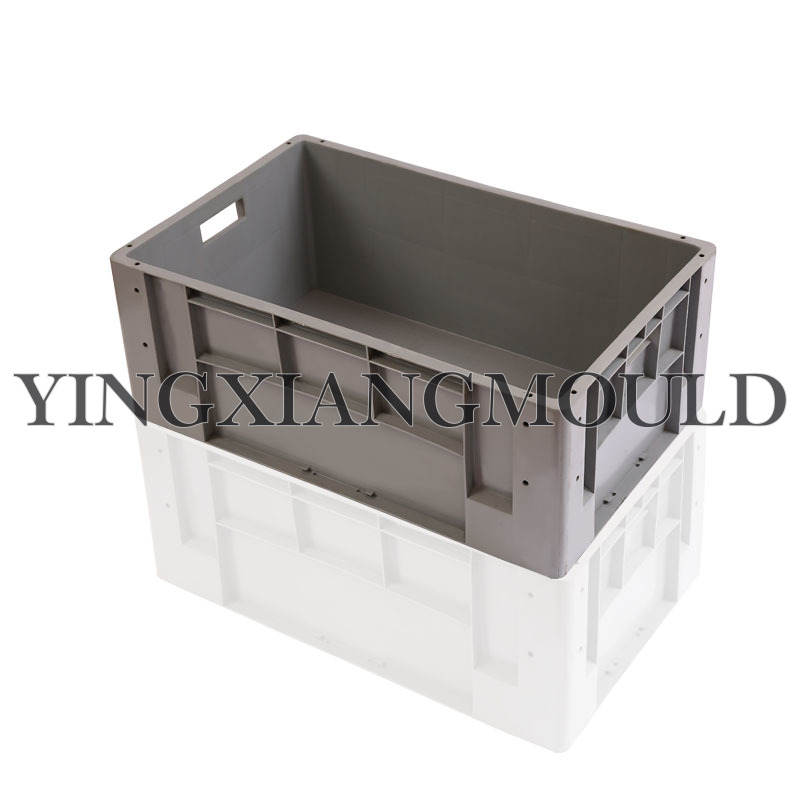
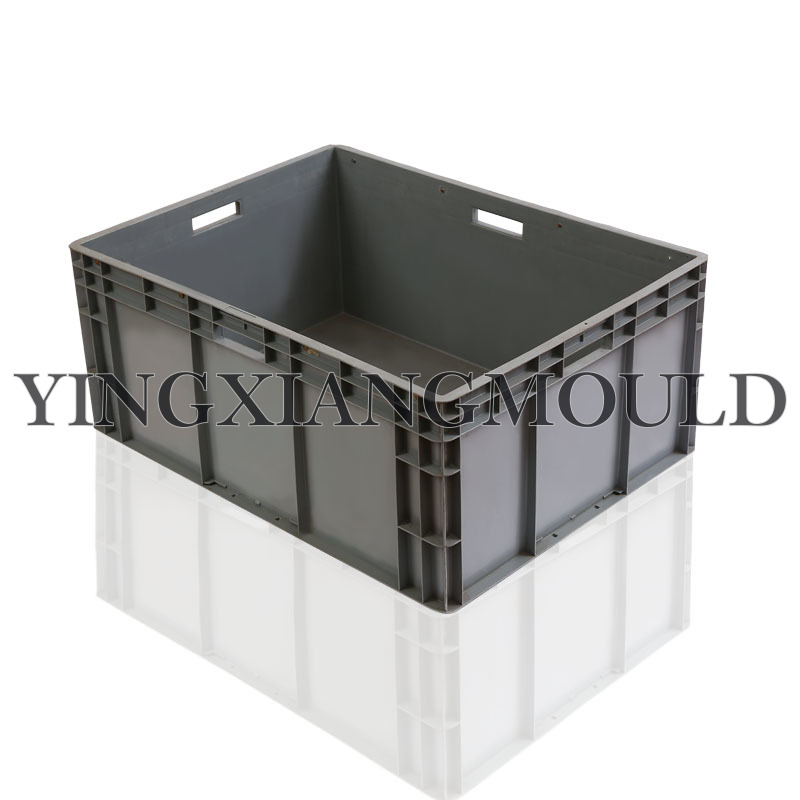
YX Mould's product portfolio covers household product moulds alongside crates, trays, pallets, and other plastic products, giving its factory experience across different types of injection-moulded structures. Its stated manufacturing approach combines CAD/CAE/CAM systems with experienced technicians and a focus on lean manufacturing, long-life moulds, and delivery control.
For customers developing a new bucket or similar circular household product, this broader manufacturing background can be useful because the mould is being considered as a production tool rather than only as a machined metal component. A well-developed Round Bucket Injection Mould should support stable filling, controlled cooling, smooth ejection, and repeatable production from the beginning of the project.
If you are interested in any of our products or services, please feel free to ask and we can talk about your ideas.
 QUICK LINKSMOBILE SITE
 FACTORY ADDRESS
 CONTACT INFORMATION



 English
 Español