

 English
 Español
Industry News
Home / News / Industry News / Plastic Industrial Box Mould Design Follows the Container’s Working Conditions
A Plastic Industrial Box Mould must reproduce more than the outer shape of a container. Its design also needs to account for wall thickness, corner structure, stacking features, material flow, cooling, and product release. For manufacturers of storage boxes, turnover crates, and logistics containers, these details influence how the finished plastic box performs during repeated handling and storage.
Industrial boxes are used in warehouses, workshops, agriculture, retail distribution, and production facilities. Their sizes and structures vary according to the goods they carry. A mould developed for a lightweight storage box may require a different cavity arrangement and cooling strategy from one intended for heavier industrial handling.
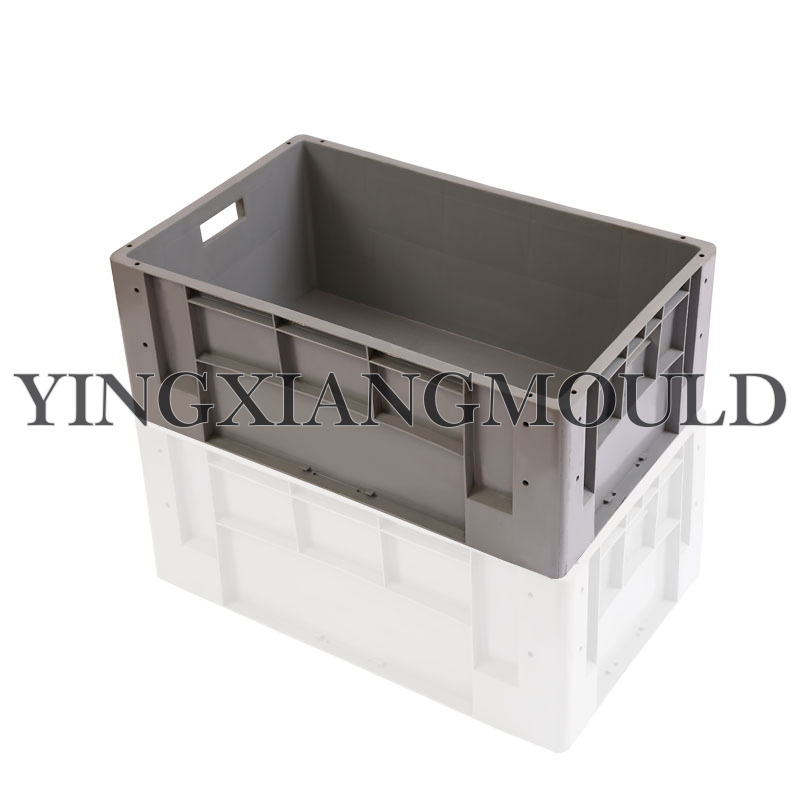
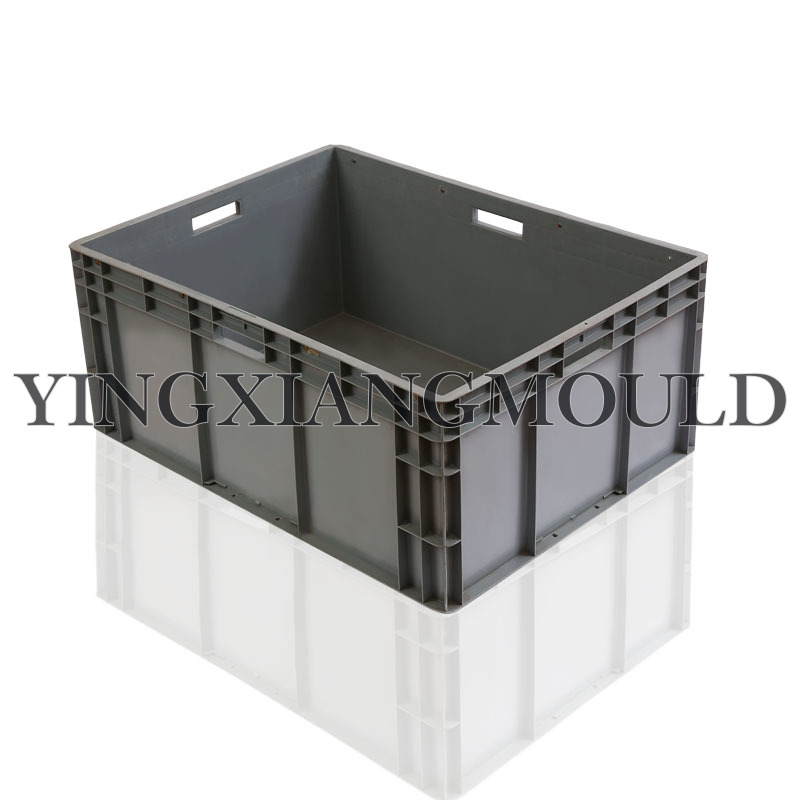
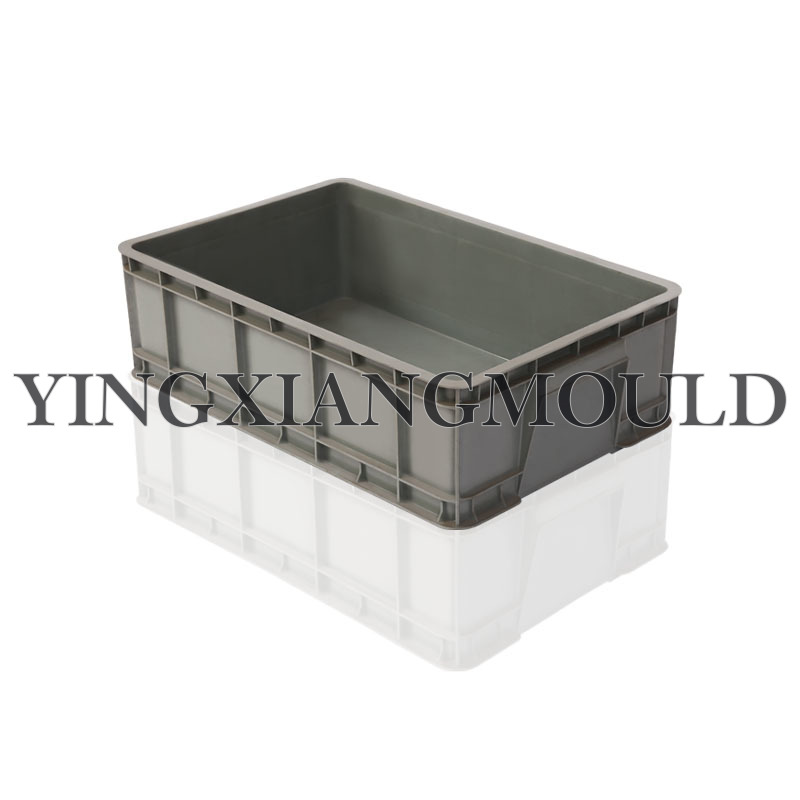
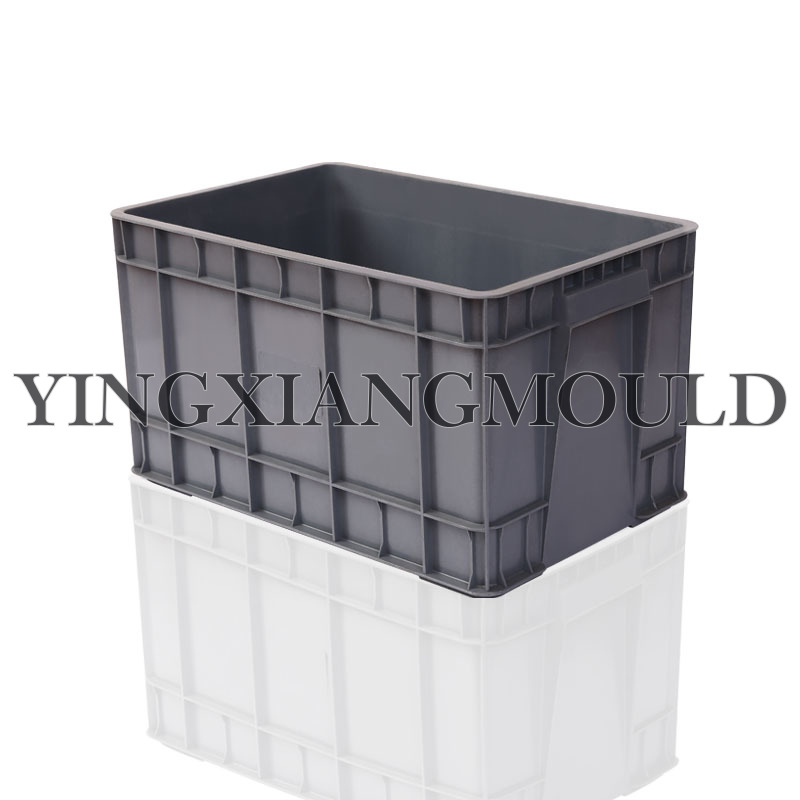
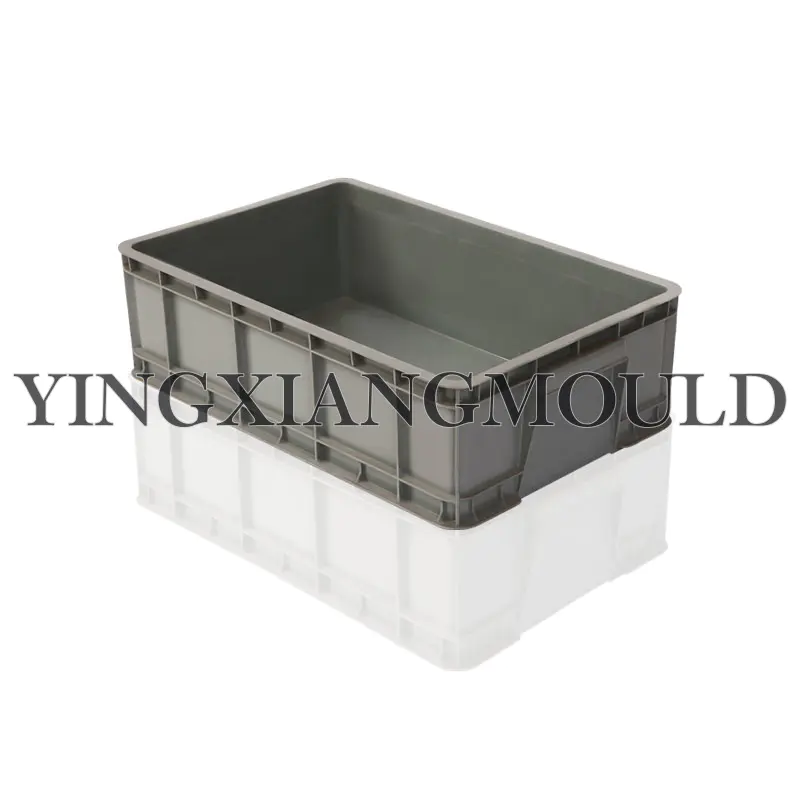
The design of a Plastic Industrial Box Mould begins with the intended container geometry. An open box may include vertical walls, reinforced corners, a bottom grid, stacking rims, handles, or nesting features. Each detail affects the cavity, core, parting line, and ejection arrangement.
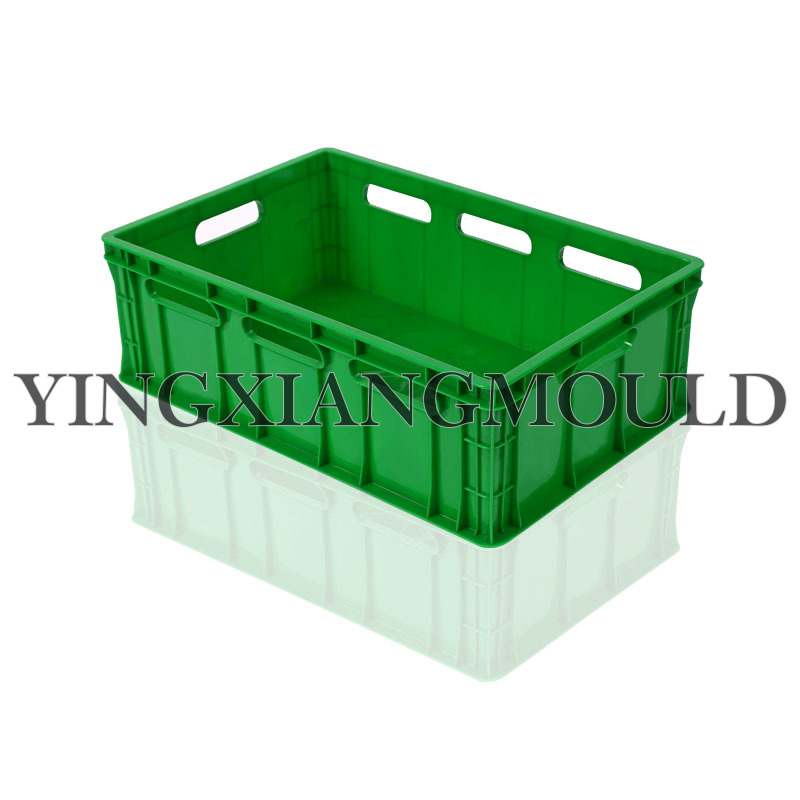
For example, a box designed for stacking needs accurately positioned upper rims and supporting surfaces. A nesting box requires enough clearance between corresponding sections so that empty containers can fit together. Ventilation openings may be necessary for agricultural crates, while solid walls may suit storage applications that require greater separation from surrounding materials.
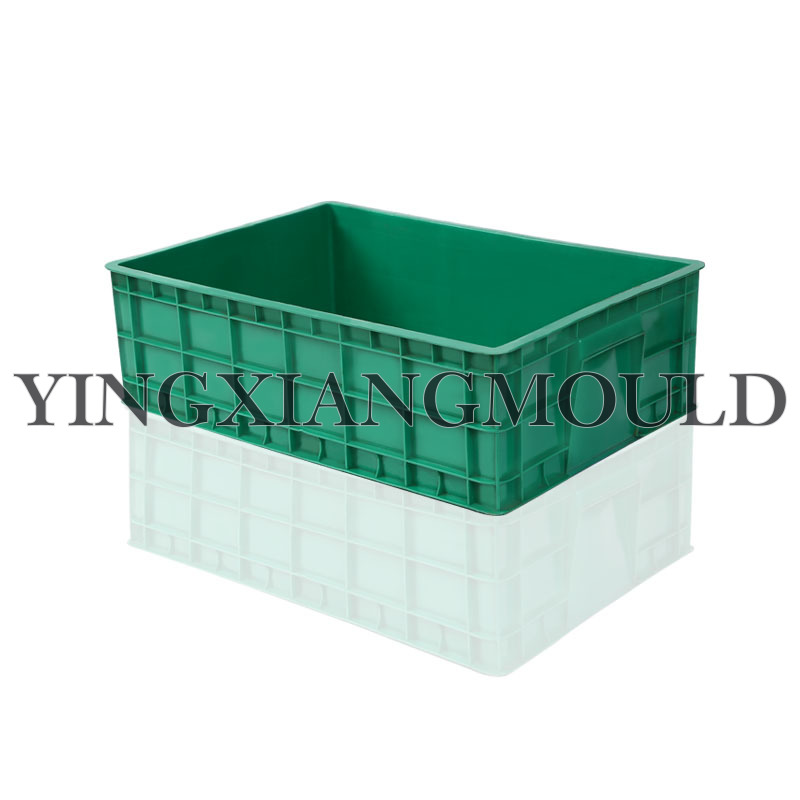
YingXiang develops moulds for crate finishing boxes, folding boxes, logistics crates, fruit baskets, and other plastic containers. These product categories demonstrate how mould design changes according to the box’s handling purpose rather than relying on one universal structure.
Wall thickness is a central consideration in Plastic Industrial Box Mould development. Uneven thickness can affect cooling, shrinkage, and the finished product’s dimensional stability. Large flat areas may also require careful support during moulding to maintain the intended shape.
The gating system controls how molten plastic enters the cavity. Its position and arrangement influence the filling pattern, weld-line location, and pressure distribution. For a box with multiple openings or reinforced sections, engineers need to consider how material reaches each area without creating unnecessary flow imbalance.
The selected resin also affects the moulding process. PP and HDPE are commonly used for plastic storage and logistics products, but their processing conditions differ. The mould design should correspond to the selected material, expected production volume, and required product characteristics.
A Plastic Industrial Box Mould must release the finished container efficiently after the material has cooled. Cooling channels help control the temperature of the mould, while the ejection system removes the product from the cavity and core.
Large box surfaces can retain heat for different lengths of time, especially around thick corners, reinforced bottoms, and handle sections. Uneven cooling may influence shrinkage and deformation. The cooling layout should therefore follow the product geometry rather than simply placing channels wherever space is available.
Ejection also requires careful planning. Ejector pins, sleeves, or other mechanisms must apply force to suitable areas of the product. Their positions should avoid visible marks and reduce the chance of distortion during release. For boxes with deep cavities or complex internal structures, the ejection sequence becomes part of the overall mould design.
The steel used in a Plastic Industrial Box Mould affects its machining, polishing, wear resistance, and maintenance requirements. YingXiang identifies several mould steel options, including P20, 718H, S136, 2316, and other grades.
P20 and 718H may be considered for selected general-purpose mould applications, while stainless mould steels such as S136 and 2316 can suit projects requiring corrosion resistance or particular surface-finishing characteristics. The appropriate choice depends on the plastic resin, production volume, appearance requirements, and budget.
Steel selection should also be considered alongside the mould’s cooling system, cavity structure, and maintenance plan. A material decision made at the beginning of development can influence machining methods and the long-term servicing requirements of the finished tool.
The manufacture of a Plastic Industrial Box Mould involves design, steel preparation, rough machining, precision machining, EDM, polishing, assembly, and trial moulding. YingXiang uses CAD, CAE, and CAM systems to support mould development and production planning.
CNC machining forms the main cavity and core surfaces, while EDM can process details that are difficult to produce through conventional cutting. Polishing affects the surface condition of the mould and, in turn, the appearance of the finished plastic box. Trial moulding helps engineers evaluate filling, cooling, ejection, and product dimensions before the mould enters regular production.
Before shipment, YingXiang inspects finished moulds according to the approved specifications. The inspection process helps verify critical dimensions, assembly condition, mould operation, and other agreed requirements before delivery.
When sourcing a Plastic Industrial Box Mould, buyers should provide the product drawing or 3D model, target resin, box dimensions, expected production volume, cavity preference, and application requirements. Details such as stacking, nesting, ventilation, handles, labels, and reinforced areas can affect the mould structure.
The production machine should also be considered. Mould size, clamping requirements, injection capacity, and ejection configuration need to correspond with the available equipment. Clear technical information helps the manufacturer establish a suitable design and avoid unnecessary changes during development.
A Plastic Industrial Box Mould connects container design with repeatable injection production. By coordinating geometry, material flow, cooling, ejection, steel selection, and machining accuracy, mould manufacturers can develop tools suited to the different requirements of storage, handling, and logistics box production.
If you are interested in any of our products or services, please feel free to ask and we can talk about your ideas.
 QUICK LINKSMOBILE SITE
 FACTORY ADDRESS
 CONTACT INFORMATION