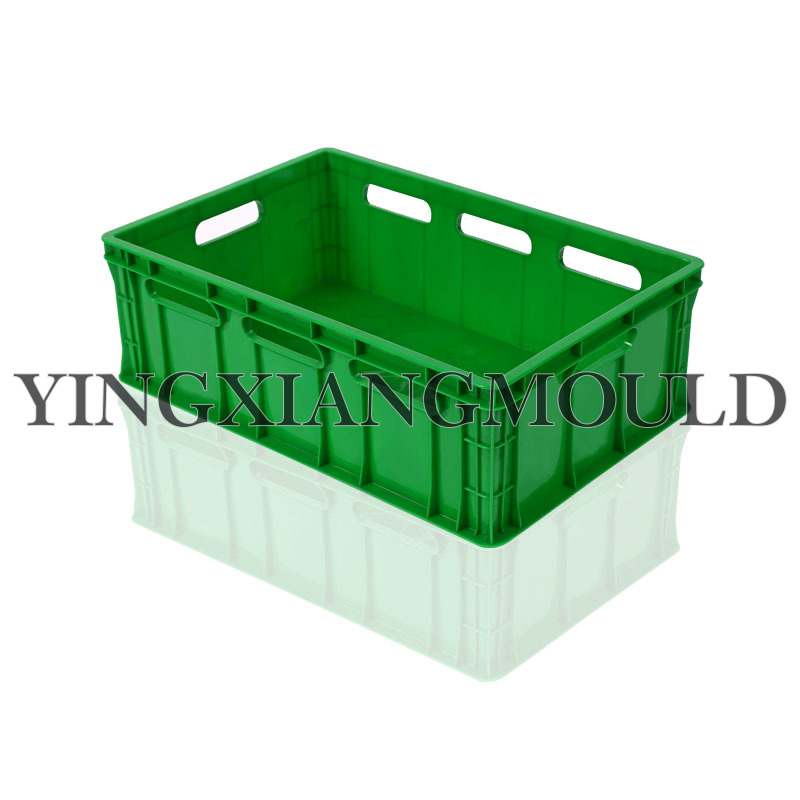
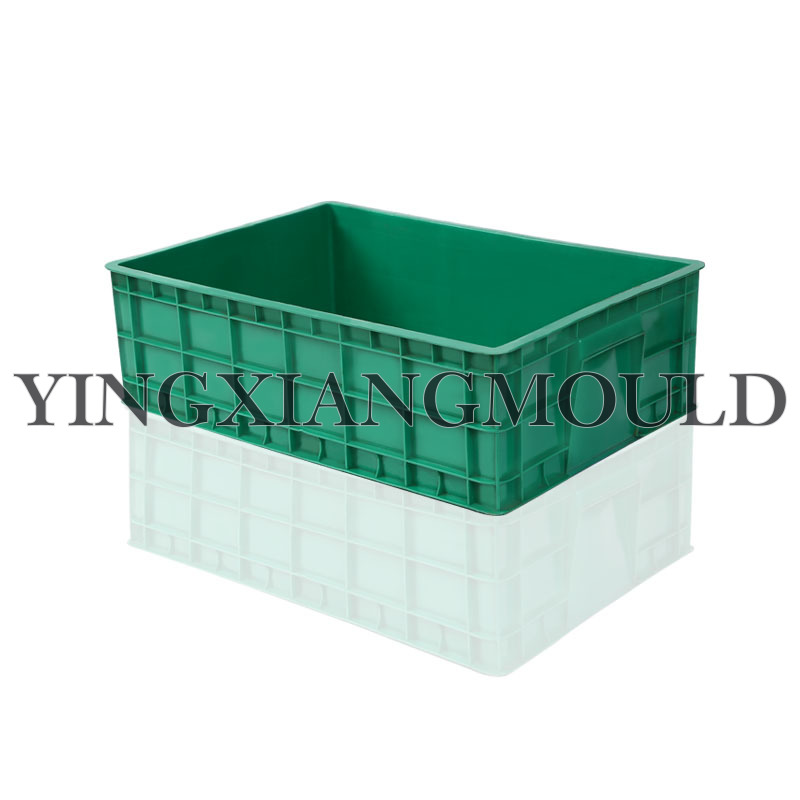
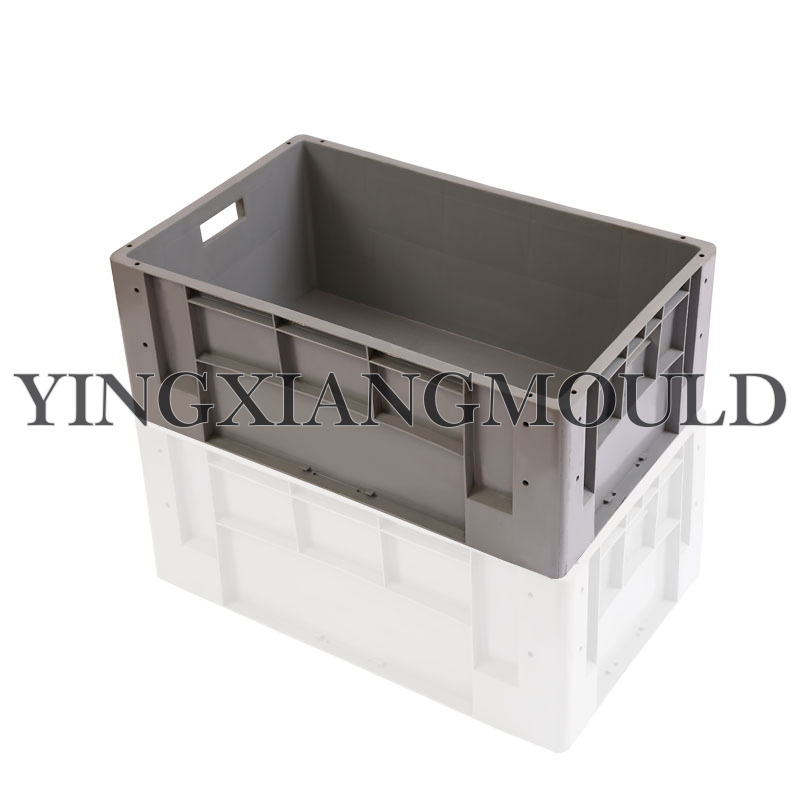
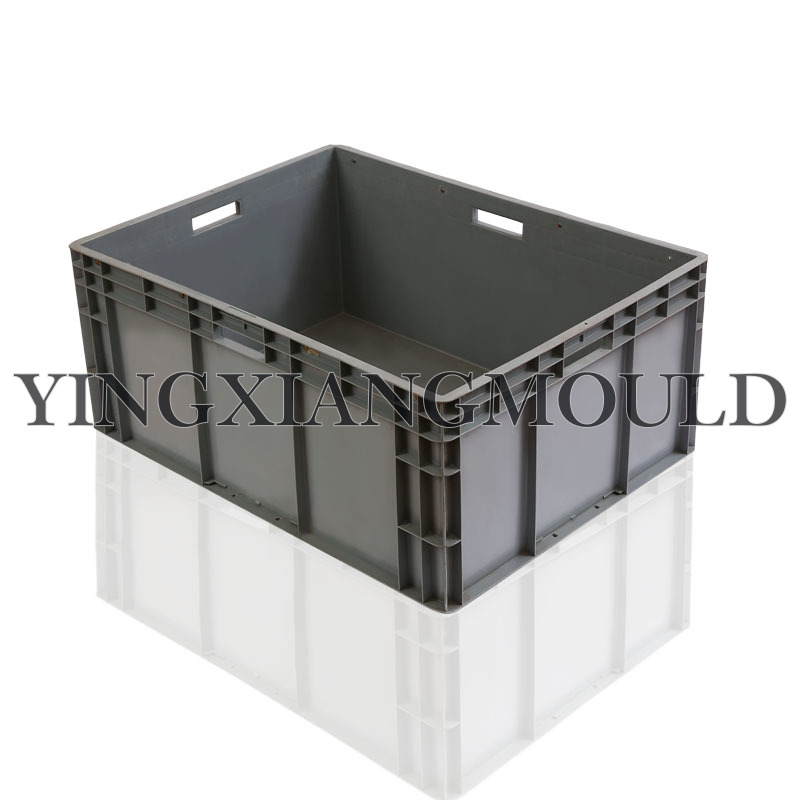
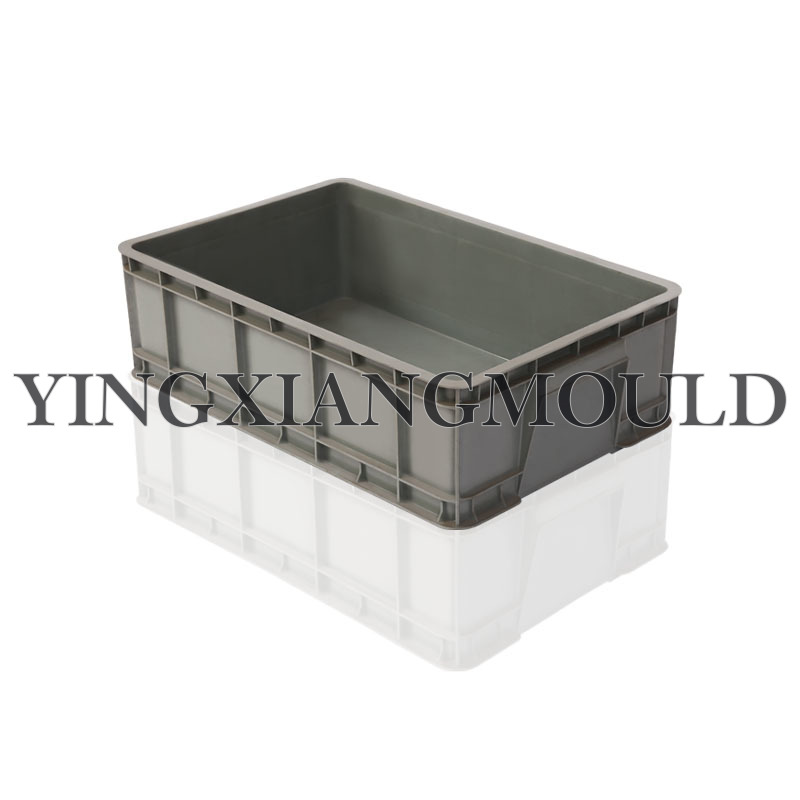
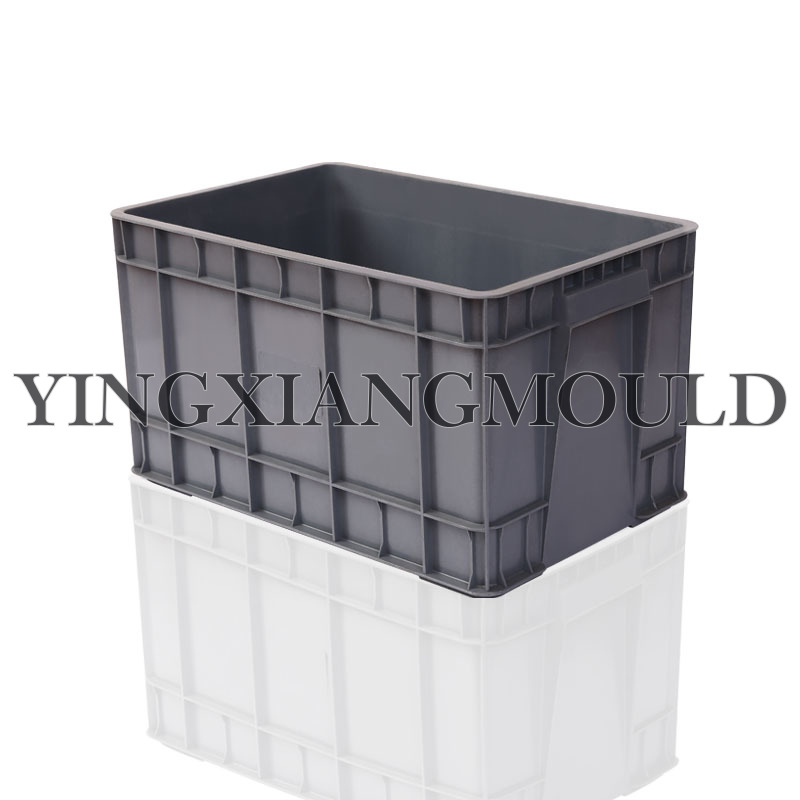
Plastic Industrial Box Mould projects often attract attention after production starts rather than when drawings are completed. During trial runs, engineers usually spend more time watching how molten material fills the cavity than looking at the finished box itself. Small changes inside the mould are easier to detect from machine behavior than from the product leaving the mould a few seconds later.
For purchasing teams, discussions around industrial box mould manufacturing frequently begin after the first sampling report arrives. At that stage, attention shifts from dimensions on paper to what actually happens during continuous moulding.
Filling Speed Changes Before Anyone Notices The Product
Operators usually stand beside the injection machine during the first cycles.
Pressure values move.
Injection time changes slightly.
Cooling rhythm begins to settle.
Nobody reaches for a caliper immediately.
Instead, technicians listen to machine movement and compare the filling rhythm with previous production records. Those observations often provide the earliest clues about how a Plastic Industrial Box Mould is behaving.
Gate Area Receives More Attention Than Expected
During sampling, engineers often gather around the gate area instead of the outer wall.
Material enters here.
Flow direction begins here.
Any imbalance usually starts here as well.
Tiny polishing adjustments around the gate may influence the following production cycles more than larger modifications elsewhere. Because of this, industrial box mould manufacturing teams sometimes repeat polishing work several times before approving the next sample.
Cooling Does Not Stay Identical Across The Tool
Cooling channels rarely behave in exactly the same way.
One corner cools slightly faster.
Another area keeps heat longer.
These differences are small enough to escape visual inspection during a single shot but become obvious after dozens of continuous cycles.
Experienced technicians often compare hand temperature near different mould sections before checking the finished container. That routine is common when evaluating a Plastic Industrial Box Mould.
Machine Sound Often Changes
Before defects become visible, sound sometimes changes.
The clamp closes with a slightly different tone.
Hydraulic movement becomes less uniform.
Cycle rhythm shifts by less than one second.
These changes rarely appear in inspection reports, yet operators notice them immediately. Production notes may simply mention that the machine "sounds heavier today" while running the same Plastic Industrial Box Mould.
Ejector Movement Reveals Hidden Details
Finished boxes may leave the mould normally for many cycles.
Then one box hesitates.
Another ejects more quickly.
Engineers watch ejector movement carefully because inconsistent release usually suggests that something inside the mould surface deserves another inspection.
Rather than stopping production immediately, they often record several cycles first to determine whether the behavior repeats during industrial box mould manufacturing.
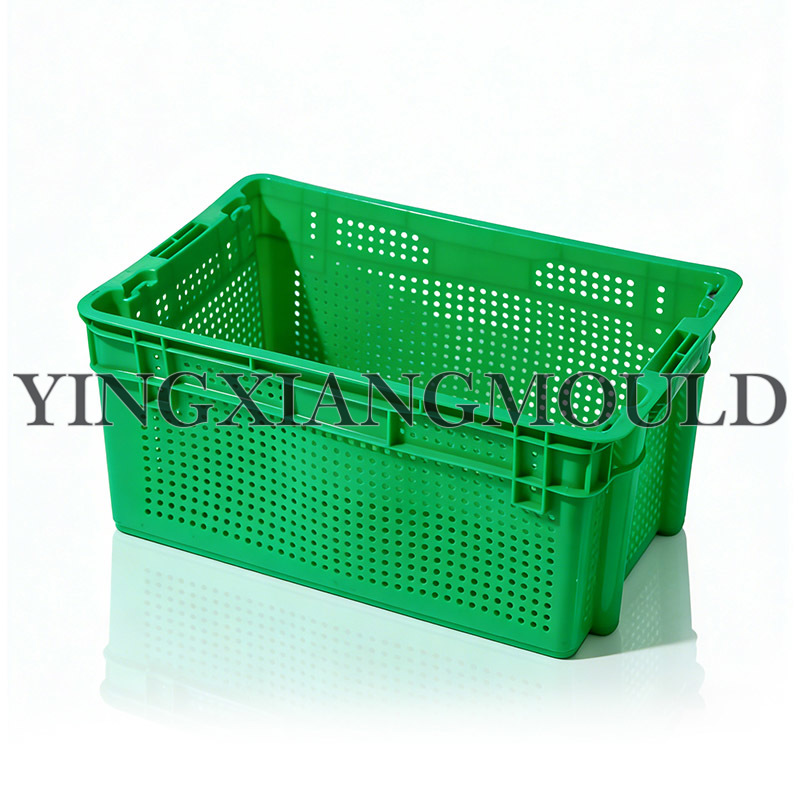
Production Rhythm Becomes The Real Inspection Tool
After several hours, inspection becomes less about measuring every box.
Operators begin comparing rhythm.
Injection delay.
Cooling pause.
Opening sequence.
A stable rhythm generally indicates that the Plastic Industrial Box Mould is working consistently under current processing conditions.
Surface Finish Is Checked Under Different Lighting
Inspection tables rarely use only one light source.
Some scratches appear only under side lighting.
Flow marks become easier to notice beneath stronger white light.
Technicians sometimes move the same box between different inspection lamps before deciding whether polishing work is necessary.
This routine is common during acceptance checks for Plastic Industrial Box Mould production.
Continuous Cycles Tell A Different Story
The first ten parts may look identical.
The next hundred begin showing tiny differences.
Heat gradually builds inside the tool.
Cooling water reaches a different balance.
Material flow becomes more stable—or occasionally less predictable.
Because of this, industrial box mould manufacturing evaluations usually continue long after the first approved sample has been produced.
Tool Maintenance Starts With Observation
Maintenance does not always begin after a failure.
Sometimes it starts because someone notices a slower cycle.
A different vibration.
A faint change in machine sound.
Those small observations are often written into workshop records long before measurable wear appears.
Teams responsible for a Plastic Industrial Box Mould usually rely on these production notes when deciding whether cleaning, polishing, or preventive maintenance should be scheduled before the next manufacturing order.
If you are interested in any of our products or services, please feel free to ask and we can talk about your ideas.
 QUICK LINKSMOBILE SITE
 FACTORY ADDRESS
 CONTACT INFORMATION


 English
 Español