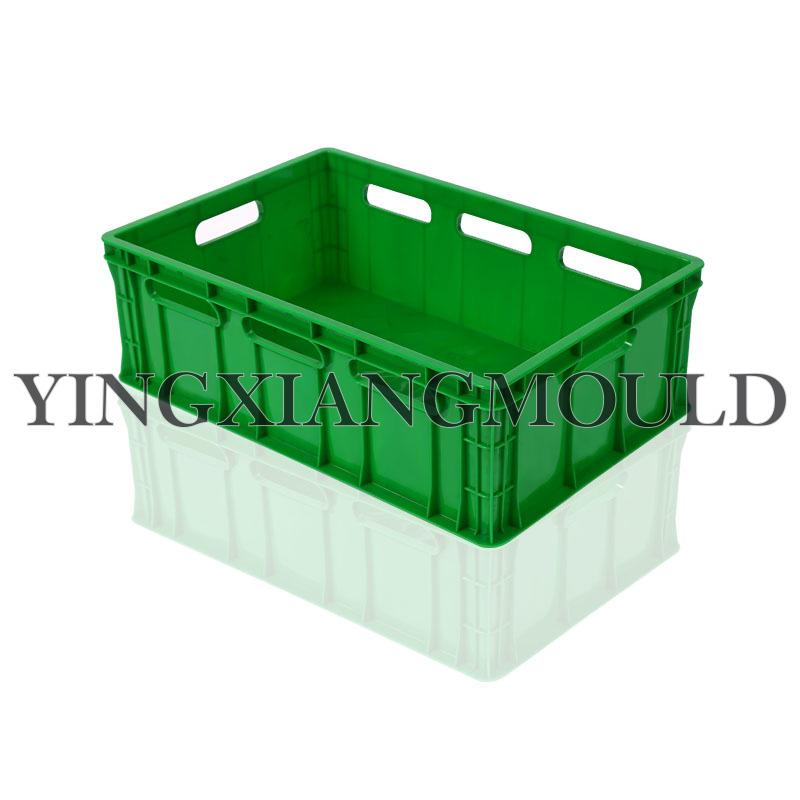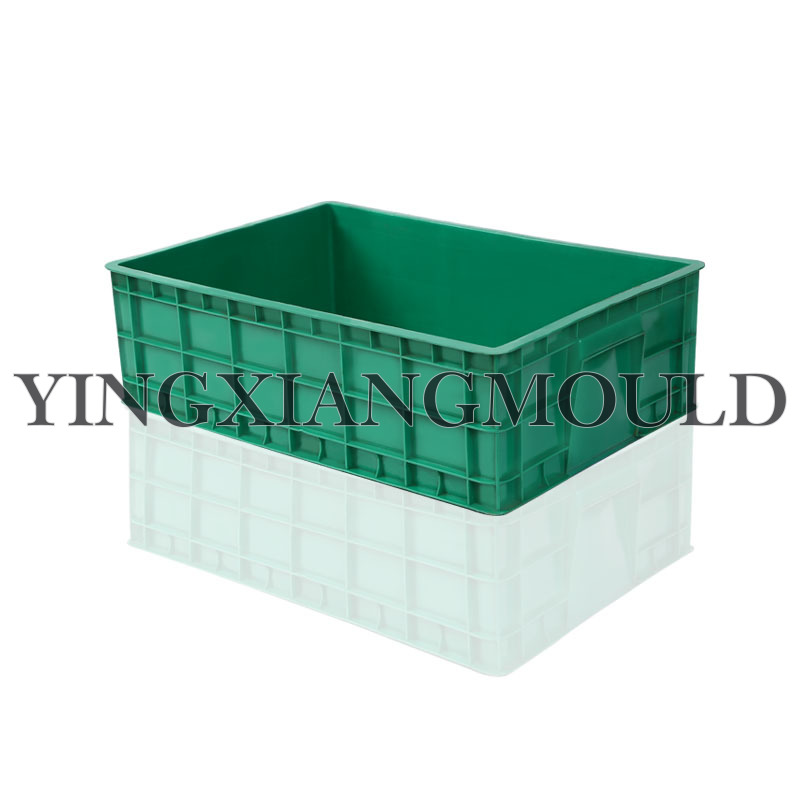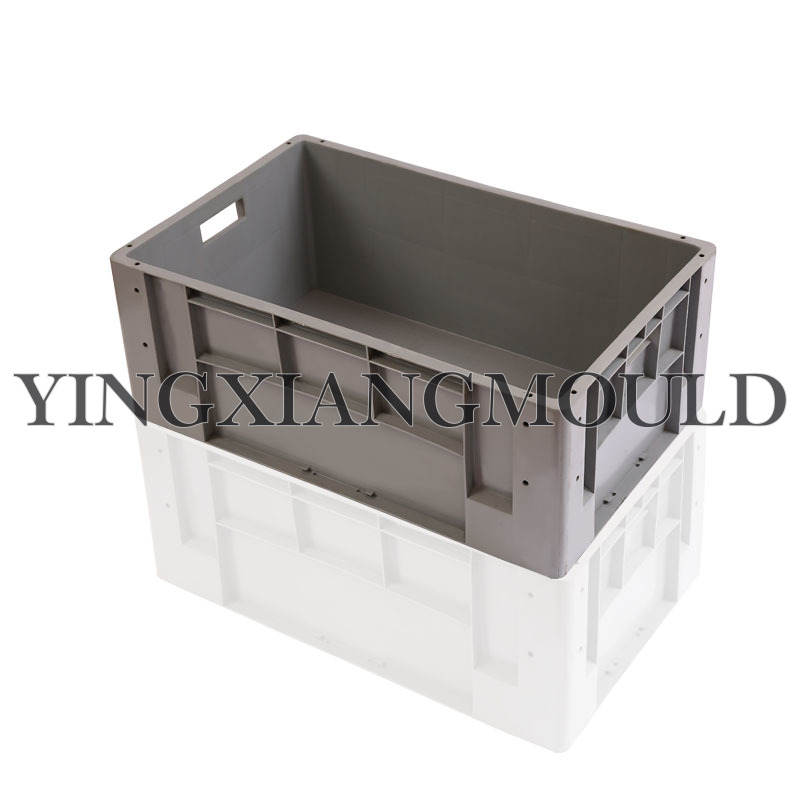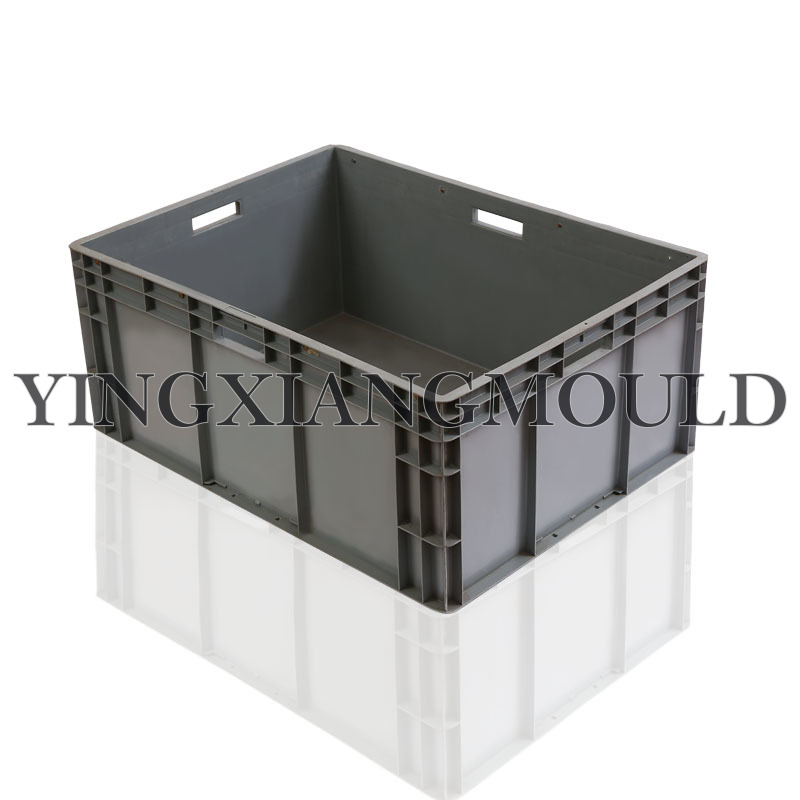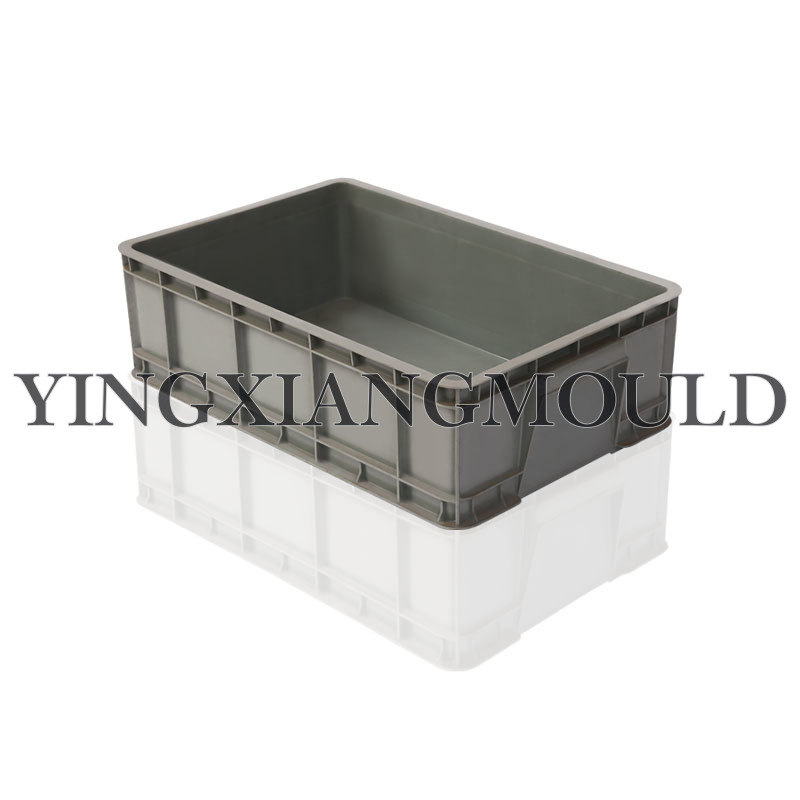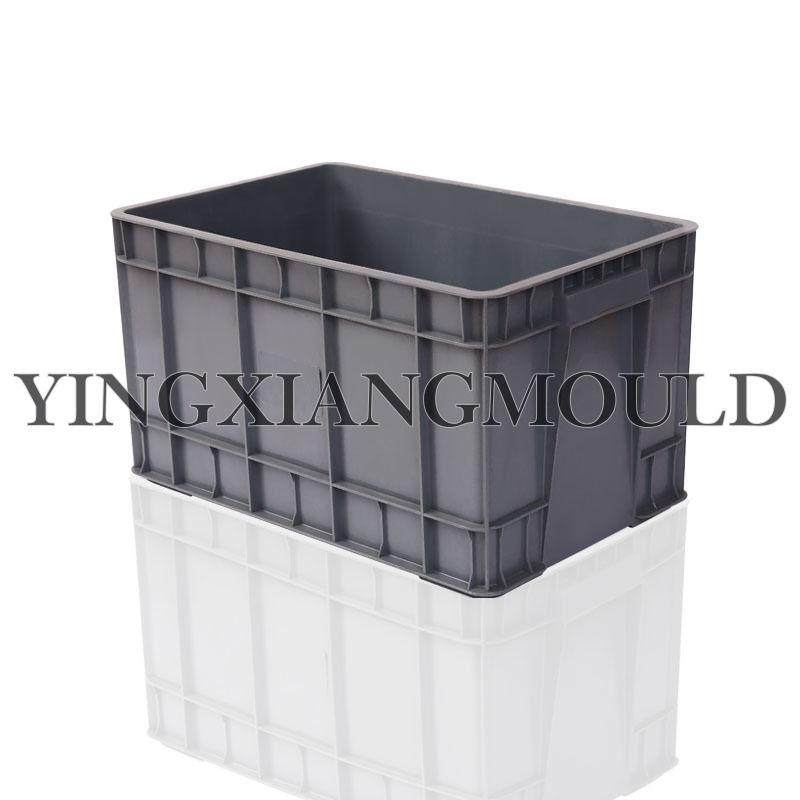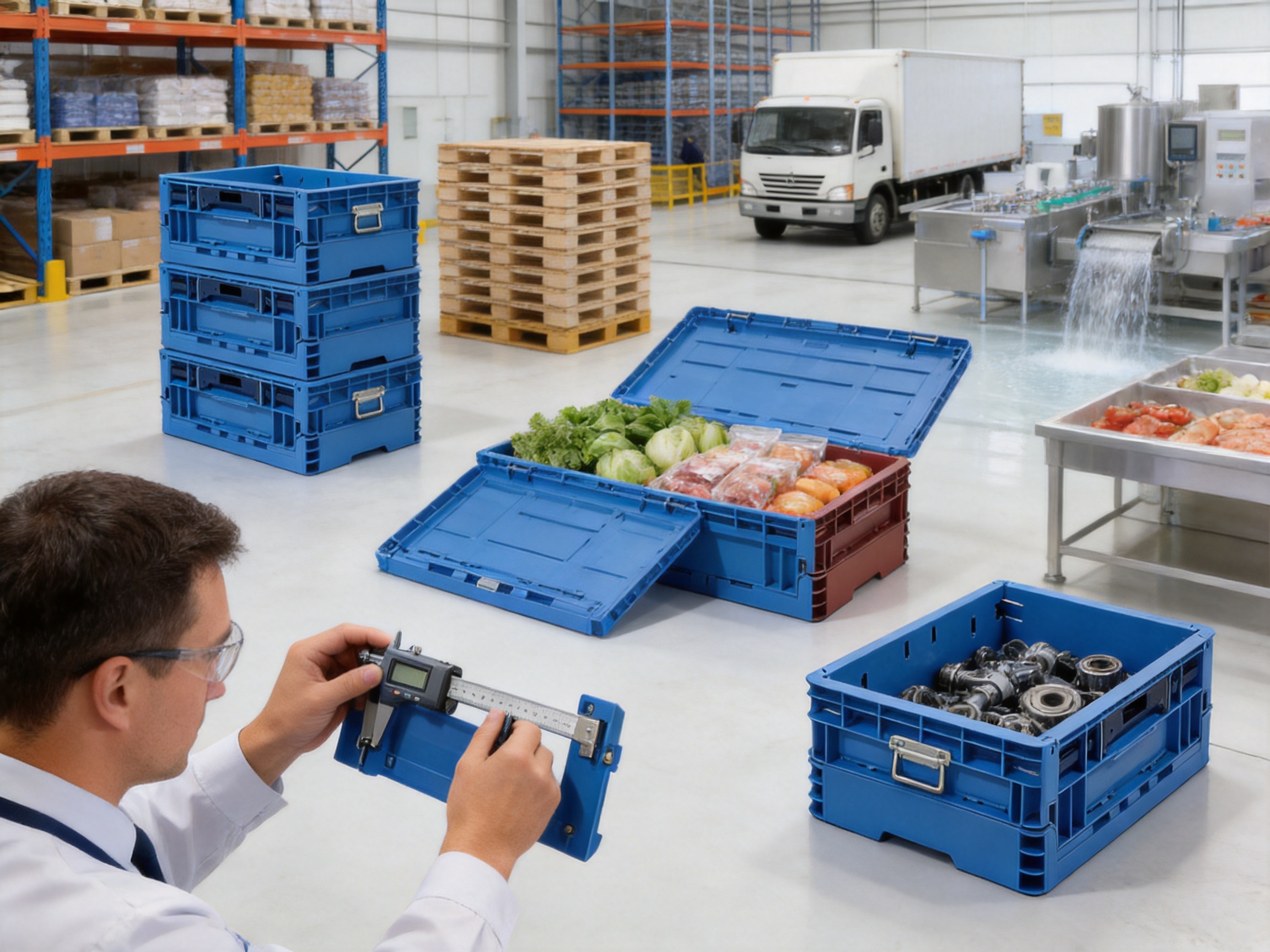
Folding crates with latches are increasingly important in modern logistics, retail distribution, agriculture, food handling, warehousing, manufacturing, and household storage. Unlike conventional rigid containers, a folding crate can be collapsed when empty, reducing return-transport volume and saving valuable warehouse space. When assembled, it provides a stable and protective container for products moving through demanding supply chains. The addition of integrated latches further improves usability by helping the crate remain securely closed during handling, transport, and storage.
The performance of a folding crate depends heavily on the quality of its injection mould. A well-designed mould determines the accuracy of the folding mechanism, the strength of the hinges, the fit of the latches, the consistency of the crate walls, the appearance of the finished product, and the overall service life of the container. For this reason, the choice of mould manufacturer is as important as the choice of plastic material or injection moulding machine.
TaiZhou HuangYan YingXiang Plastic Mould Co., Ltd. develops and manufactures moulds for folding crates, logistics boxes, beverage boxes, storage containers, pallets, trays, household products, chairs, stools, baskets, floor mats, and other injection-moulded products. Based in Huangyan, Taizhou, Zhejiang, China, the company operates from a 7,000-square-metre facility and has been providing customized plastic mould solutions since 2012.
This article examines the structure, benefits, mould design requirements, manufacturing process, quality controls, customization possibilities, and commercial advantages associated with folding crates with latches. It also explains how an experienced mould manufacturer can help customers achieve reliable production, competitive unit costs, and long-term mould performance.

Folding Crate with Latches
A folding crate with latches is a reusable plastic container designed to change between an expanded operating position and a collapsed storage position. In the expanded position, its side panels are raised to create a box-shaped enclosure. In the folded position, the side panels lie in a compact arrangement, reducing the empty crate’s height and allowing more units to be stacked or transported in return logistics.
The latching system is an important functional feature. Depending on the product design, latches may connect folding side panels, secure a lid, lock the crate in its open position, or prevent accidental collapse during lifting. Latches must be easy for operators to use but sufficiently resistant to vibration, impact, and repeated handling. Their design must also accommodate dimensional tolerances, material shrinkage, assembly conditions, and the natural flexibility of the selected plastic.
A folding crate normally includes a base, side walls, corner structures, folding joints, hinge areas, latch components, reinforcing ribs, stacking features, and handling surfaces. Each of these areas creates specific moulding challenges. The base must remain flat and strong, the walls must fold without interference, the hinges must withstand repeated movement, and the latches must engage smoothly while retaining adequate locking force.
Because all these features are produced in a single or multi-cavity injection mould, the mould must be engineered with a clear understanding of the final product’s complete life cycle. The crate may be filled, stacked, lifted, folded, transported, washed, exposed to changing temperatures, and used many times. A mould that produces an attractive sample but inconsistent or fragile production parts cannot deliver the commercial value expected from a reusable logistics product.
The most recognizable advantage of a folding crate is its ability to reduce volume when empty. Traditional rigid crates occupy almost the same space whether full or empty. This results in inefficient return transportation and excessive warehouse requirements. A folding crate can be collapsed after delivery, allowing more units to be returned on the same vehicle or stored in a smaller area.
For distributors, retailers, food processors, agricultural operators, and logistics companies, this reduction in empty-return volume can lower fuel consumption, transport costs, handling time, and storage expenses. The exact savings depend on the crate dimensions, folding ratio, distribution route, and operational procedures, but the basic commercial benefit is clear: the container uses space efficiently throughout its entire service cycle.
When opened and locked correctly, a folding crate creates a stable enclosure around the products it carries. The walls help prevent items from falling out, shifting excessively, or being damaged by contact with other cargo. Ventilation openings can be incorporated for fresh produce, while smoother internal surfaces can help protect packaged goods and reduce snagging.
The latch system adds an additional level of security. It can hold panels in the intended position and reduce the risk of accidental opening during movement. For crates designed with lids, a secure latch can also help protect contents against contamination, unauthorized access, and external impact.
Reusable plastic crates are often selected as an alternative to single-use cardboard cartons, thin bags, or low-strength disposable packaging. High-quality injection-moulded crates can be washed, disinfected, dried, and returned to service many times. This makes them suitable for food distribution, agricultural collection, industrial component handling, and closed-loop logistics.
Plastic surfaces are generally resistant to moisture and easier to clean than absorbent packaging materials. With the correct resin selection and product design, the crate can also provide resistance to common cleaning conditions, moderate impact, and repeated handling. Rounded corners, drainage areas, and carefully designed ribs can improve hygiene and simplify maintenance.
Folding crates can be designed with stacking feet, locating recesses, interlocking corners, hand holes, and stable load-bearing zones. These features enable efficient stacking in warehouses and vehicles. A good stacking design distributes vertical loads through reinforced areas rather than through thin wall panels or flexible hinge sections.
Ergonomic hand openings can improve operator safety and reduce lifting difficulty. Their location and shape should be evaluated for different hand sizes, gloves, load weights, and lifting angles. The mould must reproduce these details accurately and consistently across every cavity and production cycle.
Injection moulding offers many opportunities for identification and customization. A folding crate can include recessed label areas, embossed marks, barcode panels, RFID mounting zones, molded-in symbols, color differentiation, and replaceable identification plates. These features help customers separate product flows, identify ownership, manage return logistics, and organize inventory.
Compared with adhesive labels, molded-in identification features can provide better durability in wet, cold, dusty, or high-contact environments. The final design must ensure that branding areas do not interfere with folding movement, stacking, cleaning, or product protection.
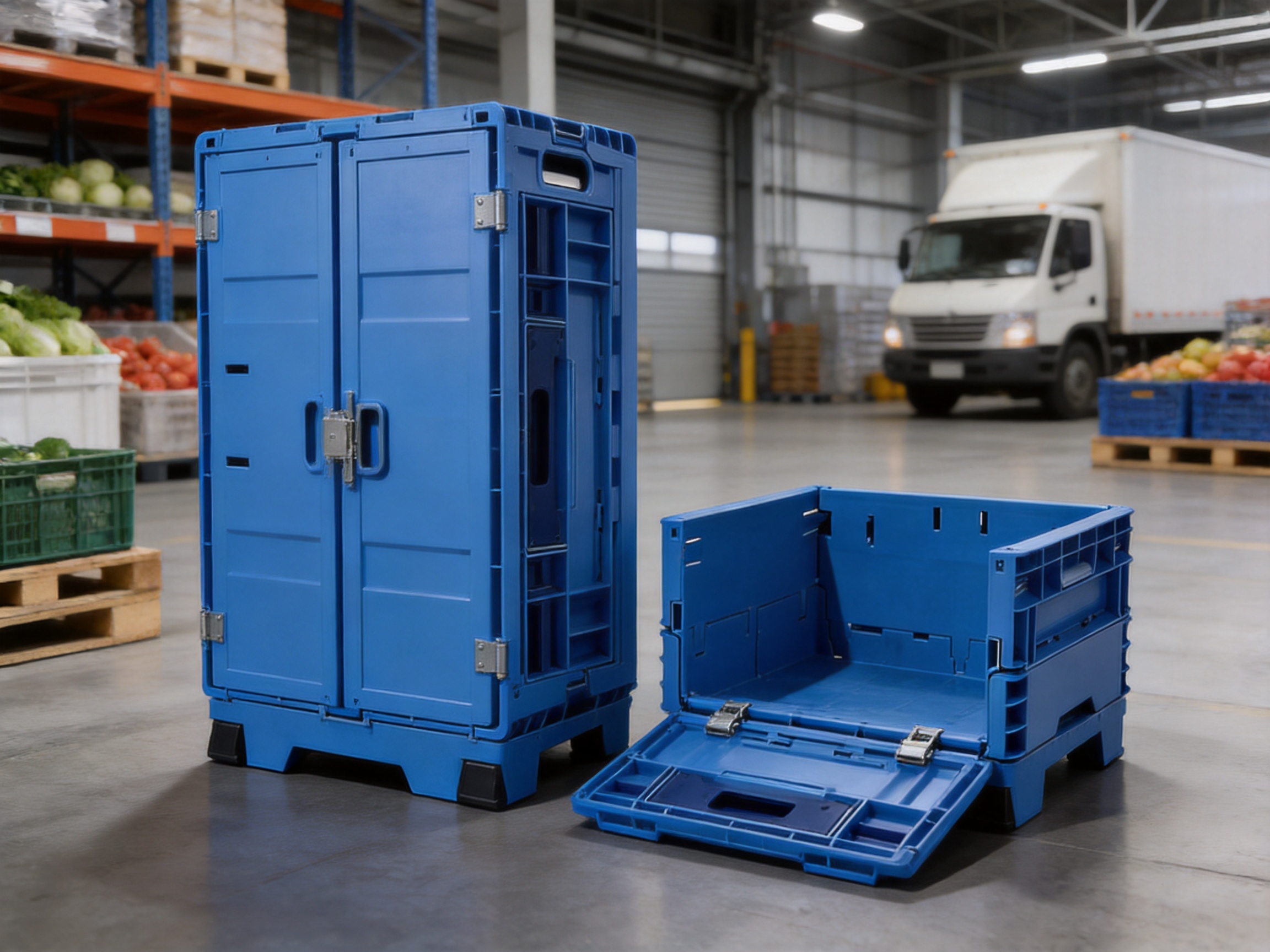
The mould is the foundation of the folding crate manufacturing process. Injection moulding can produce thousands or millions of parts, but only when the mould is engineered for repeatability, durability, and efficient maintenance. Small errors in mould construction can become large production problems when multiplied across a high-volume order.
For example, an inaccurate hinge cavity may produce a joint that is too tight, too loose, or prone to cracking. An improperly positioned gate may leave visible marks on an important surface or create uneven filling near the latch. Poor cooling design can produce warpage, resulting in side panels that do not align correctly. Inadequate venting can cause burn marks, short shots, or inconsistent surface quality. A weak mould component may fail during production and create extended downtime.
Folding crate moulds are especially demanding because the product typically combines large surfaces with thin-wall sections, deep ribs, moving features, multiple hinge areas, and tight functional relationships between components. The mould must balance filling performance, cooling efficiency, ejection reliability, dimensional stability, and serviceability.
Hinges and latches are among the most critical areas of a folding crate. A hinge must allow the required range of movement without excessive friction or premature wear. A latch must engage securely, release without unreasonable force, and maintain its function after repeated operation.
These features require careful control of core and cavity dimensions, shut-off surfaces, draft angles, radii, and local wall thickness. The mould designer must consider plastic shrinkage and the final operating clearance rather than simply copying the nominal product drawing. Digital analysis and prototype evaluation can help identify areas that require modification before steel machining begins.
Large crate panels can be vulnerable to uneven filling and differential shrinkage. If molten plastic reaches one area significantly earlier than another, the part may develop weld lines, flow marks, air traps, or dimensional variation. An unbalanced filling pattern may also increase injection pressure and place unnecessary stress on the mould or machine.
Gate location, runner design, gate size, injection sequence, wall thickness, rib arrangement, and venting all influence filling behavior. Mold-flow analysis can help evaluate these factors and support decisions before manufacturing. The goal is not only to fill the cavity but to fill it in a controlled and repeatable way that supports the required appearance and strength.
Cooling is a major factor in cycle time and part quality. A crate mould with inadequate cooling may produce parts slowly and inconsistently. Uneven cooling can lead to warpage, sink marks, residual stress, and poor alignment of folding panels.
Cooling channels should be positioned according to the geometry and thickness distribution of the product. Areas around thick ribs, corners, hinge supports, and latch structures may require special attention. A well-planned cooling system helps shorten cycle time while improving dimensional stability. For high-volume production, even a small reduction in cycle time can create substantial annual output benefits.
Folding crates often have deep ribs and complex surfaces that make ejection challenging. Ejector pins, ejector plates, lifters, slides, and other mechanisms must release the part without creating visible marks, deformation, or damage to functional features.
Ejection force should be distributed across strong areas of the component. The system must also avoid pushing against thin walls, unsupported latch sections, or flexible hinge elements. Proper draft angles and polished mould surfaces reduce release resistance and protect both the part and the mould.
TaiZhou HuangYan YingXiang Plastic Mould Co., Ltd. combines product development knowledge with mould manufacturing experience. Established in 2012, the company has built its operations around customized plastic mould solutions for packaging, logistics, household, and industrial applications.
The company uses CAD, CAE, and CAM systems to support the design and production process. These digital tools help engineers study product geometry, evaluate mould structure, develop machining programs, review assembly relationships, and improve communication with customers. Digital engineering is particularly valuable for folding crate projects because the product may include numerous moving relationships and interdependent dimensions.
Around 50 employees work across the company’s technical, production, quality, and service activities. Experienced technicians support mould assembly, fitting, trial moulding, correction, polishing, testing, and final preparation. This combination of modern equipment and practical experience helps reduce the risk that can occur when a mould is designed digitally but insufficiently understood during physical assembly and production.
Before mould construction begins, the product design should be reviewed for injection moulding suitability. This review may cover wall thickness, ribs, draft, corner radii, hinge structure, latch movement, parting lines, gate positions, ejection areas, and expected material behavior.
A professional review can identify potential problems early, when changes are relatively easy and inexpensive. If a latch is too thin, a hinge lacks a proper radius, or a wall contains an unnecessary thickness transition, modification at the product design stage is normally better than correction after the mould is completed.
Computer-aided engineering can support filling analysis, cooling evaluation, warpage prediction, weld-line review, air-trap identification, and injection pressure assessment. These studies do not replace practical engineering judgment, but they provide useful information for comparing design options.
For a folding crate, analysis may focus on the uniform filling of the base and walls, the formation of weld lines near handles or openings, the cooling of reinforcing ribs, and the dimensional behavior of folding interfaces. The results can guide runner design, gate location, venting, cooling-channel layout, and local geometry adjustments.
Once the design has been approved, mould components are produced through machining and finishing operations. These may include computer numerical control milling, drilling, wire cutting, electrical discharge machining, grinding, polishing, and precision fitting. The exact process depends on the geometry, steel grade, surface requirements, and tolerances of each component.
Complex folding crate moulds may require slides, lifters, angled mechanisms, replaceable inserts, or other moving elements. Each mechanism must be manufactured and assembled accurately so that it operates smoothly and remains accessible for future maintenance.
Assembly is not merely the act of putting components together. It involves checking alignment, movement, shut-off contact, ejector operation, cooling flow, and the interaction of all moving systems. Skilled technicians inspect the mould under practical operating conditions and make adjustments where necessary.
Trial moulding is used to evaluate the first parts produced by the completed or partially completed mould. Engineers review filling, appearance, dimensions, folding action, latch engagement, ejection, cycle behavior, and signs of stress or deformation. Corrections may include polishing, steel adjustment, vent improvement, cooling changes, runner modification, or controlled changes to the product geometry.
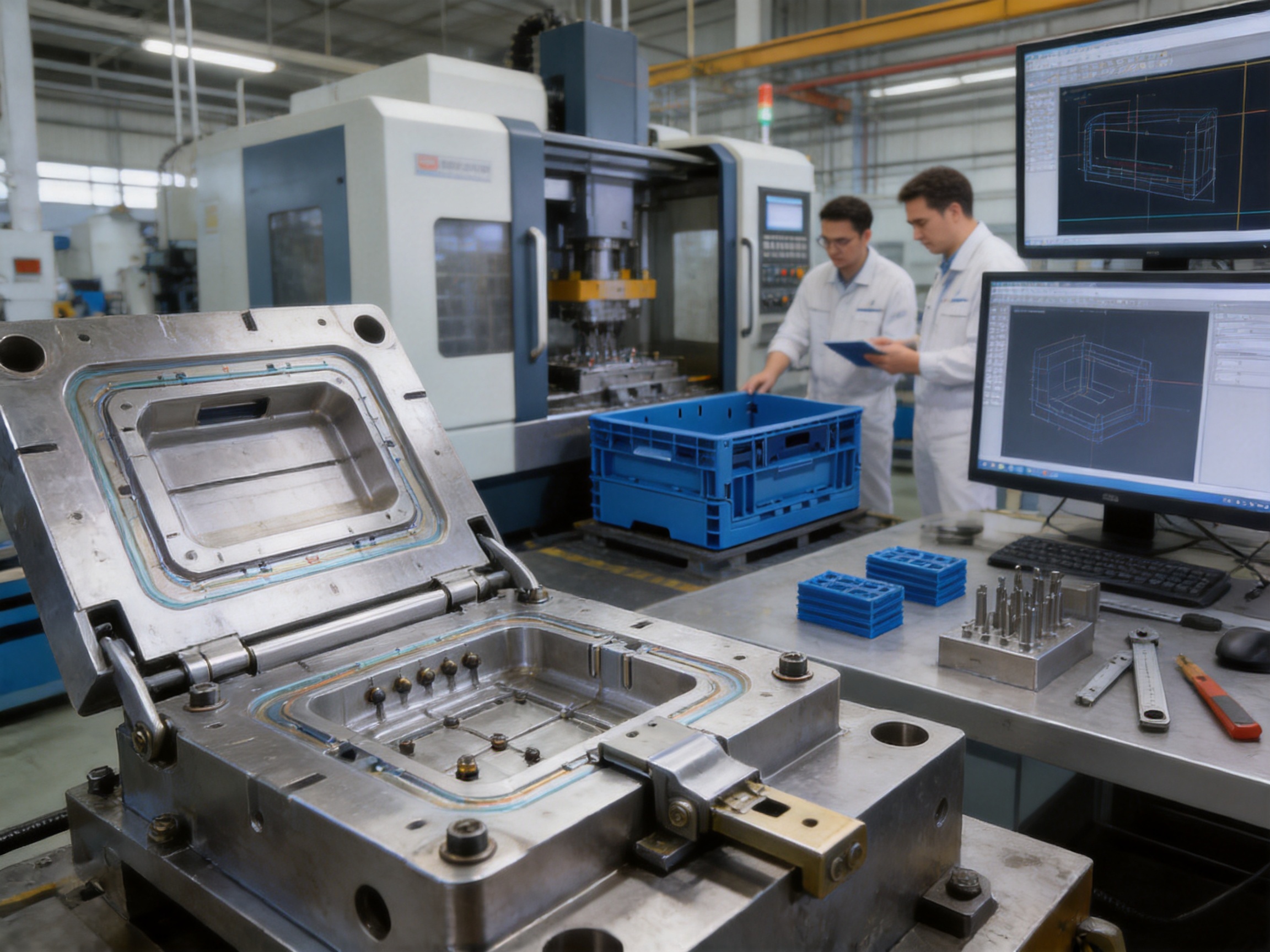
The correct material depends on the intended application, load requirements, operating temperature, cleaning conditions, impact exposure, and expected service life. Common materials for reusable injection-moulded crates include polypropylene and high-density polyethylene, although other materials may be considered for specialized applications.
Polypropylene is widely used for reusable crates because it offers a useful combination of low density, toughness, chemical resistance, fatigue performance, and cost efficiency. Its flexibility can be beneficial for living hinges and repeated folding features when the product and mould are designed appropriately.
Polypropylene grades may differ in impact strength, melt flow, stiffness, shrinkage, and suitability for food-contact applications. The selected grade should be matched to the crate’s wall thickness, processing conditions, latch design, and load requirements.
High-density polyethylene provides good impact resistance, toughness, and resistance to moisture and many chemicals. It may be selected for crates exposed to rough handling, outdoor conditions, or demanding industrial environments.
As with polypropylene, the specific grade is important. Flow behavior and shrinkage influence mould design and final dimensions. Material selection should be confirmed in relation to the customer’s application, regulatory requirements, and expected operating conditions.
Some customers seek recycled or reprocessed material to reduce environmental impact and material cost. This option requires careful management because recycled feedstock can vary in color, contamination level, moisture, mechanical performance, and processing behavior.
If recycled content is used, the crate design may need suitable safety factors and quality controls. Critical components such as latches, hinges, and load-bearing supports should be evaluated carefully. The mould manufacturer can help identify design features that are more tolerant of material variation, while the customer remains responsible for confirming the material’s suitability for the intended use.
Color masterbatch can support product identification, brand differentiation, and fleet management. UV stabilizers may be appropriate for outdoor use, while antistatic or flame-retardant additives may be considered for specific industrial applications.
Every additive can influence processing behavior, shrinkage, surface appearance, or mechanical properties. For this reason, material and additive decisions should be made before final mould validation whenever possible. Changes made late in the process may require new processing trials or dimensional review.
Logistics operators often require crates with optimized external dimensions, standardized footprints, stacking compatibility, label areas, and durable latch systems. The crate may need to fit existing pallets, conveyor systems, shelving, delivery vehicles, or automated handling equipment.
In this application, dimensional consistency is essential. A small variation in external size can affect stacking stability or create problems in automated equipment. The mould should therefore be designed and validated with the complete logistics system in mind.
Agricultural crates commonly require ventilation openings, drainage paths, smooth internal surfaces, strong corners, and resistance to repeated washing. The product must protect produce while allowing airflow and reducing moisture accumulation.
The latch design should not create sharp projections that could damage fruit or vegetables. Internal surfaces should be free from unnecessary recesses where dirt or organic matter may collect. Mould polishing, parting-line control, and corner design are particularly important for hygiene and product protection.
Food and beverage applications may require food-contact-compliant materials, cleanable surfaces, secure closures, drainage features, and traceability areas. The crate may be used in chilled, wet, or frequently washed environments.
Where a lid or locking panel is included, the latch must withstand repeated opening and closing without producing loose fragments or compromising closure. The mould should reproduce all contact surfaces accurately and provide reliable alignment between the latch and its mating feature.
Industrial customers may use folding crates to transport mechanical parts, electrical components, tools, fittings, or semi-finished products. In these situations, the crate can be customized with dividers, inserts, reinforced bases, anti-slip areas, or special handling interfaces.
Industrial crates may need higher impact resistance and greater load-bearing capacity than household storage products. Local reinforcements, thicker ribs, and stronger corner structures can be incorporated, provided that the mould remains capable of filling, cooling, and ejecting the part effectively.
For household and retail use, appearance, color, ease of operation, and compact storage may be especially important. Consumers generally expect a folding crate to open smoothly, remain stable, and fold without excessive force.
Visible surfaces must be carefully managed to reduce flow marks, weld-line visibility, ejector marks, and uneven gloss. A recessed label zone, molded logo area, or coordinated color system can improve product presentation while preserving functional performance.
Customers sometimes compare a professionally engineered folding crate mould with a low-cost mould based primarily on the initial quotation. While initial price matters, it should not be the only evaluation factor. The total cost of ownership includes mould life, maintenance, cycle time, scrap rate, correction costs, production downtime, and the consistency of the finished crates.
A high-quality mould is designed to maintain the relationship between hinges, latches, walls, and base features. This improves the likelihood that crates from different production batches will fold, lock, stack, and open in the same way.
Appropriate steel selection, heat treatment, wear-resistant inserts, accurate machining, proper cooling, and maintainable mechanisms can extend mould life. Long service life is especially important for logistics products because annual production volumes may be high and interruptions can affect many downstream operations.
Stable filling and cooling reduce the risk of short shots, warpage, sink marks, flash, burn marks, and dimensional defects. Lower scrap improves material utilization and reduces the labor required for sorting or rework.
A mould designed for effective cooling, balanced filling, smooth ejection, and reliable mechanical movement can support shorter and more stable production cycles. This helps customers increase output without necessarily purchasing additional injection moulding machines.
Custom mould projects require communication beyond delivery. Technical support may be needed during trials, production startup, maintenance, spare-part replacement, or future product modifications. A manufacturer with experience in related crate and container moulds can often respond more effectively because it understands the practical issues associated with folding mechanisms and high-volume packaging production.
Quality control should begin before machining and continue through design review, component inspection, assembly, trial moulding, correction, and final acceptance. A single final inspection is not enough to guarantee a complex mould’s performance.
Design verification confirms that the mould structure corresponds to the approved product data. It includes checking parting lines, inserts, sliders, ejectors, cooling circuits, gates, vents, and assembly relationships. It also ensures that the mould can be opened, maintained, and transported safely.
Critical mould components should be inspected for dimensions, surface finish, hardness, alignment, and material condition. Replaceable inserts and wear parts should be identified so that future maintenance can be carried out efficiently.
Trial parts should be evaluated for appearance, dimensions, folding movement, latch operation, wall stability, stacking behavior, and ejection marks. If the crate will carry a defined load, practical testing should be conducted using the customer’s intended material and processing conditions whenever possible.
Mould documentation can include drawings, component lists, cooling layouts, spare-part information, operating instructions, trial records, and recommended maintenance procedures. Clear documentation helps the customer’s production team manage the mould throughout its service life.
Purchasing a customized folding crate mould is a long-term manufacturing decision. The buyer should consider not only whether the mould can produce an initial sample, but also whether it can support the planned business model.
A well-engineered mould can help reduce the cost per crate by improving cycle stability, reducing waste, and extending operating life. It can also support faster market introduction because design problems are identified earlier through digital analysis and engineering review.
Customization provides another important commercial advantage. Customers are not limited to generic crate dimensions or mechanisms. They can develop a container that matches their pallet system, product size, storage process, vehicle configuration, washing equipment, or retail requirements. This can improve operational efficiency and create a stronger product position in competitive markets.
The company’s experience across crate moulds, folding box moulds, pallet moulds, beverage box moulds, food storage container moulds, household product moulds, chair moulds, stool moulds, baskets, and floor mats also supports cross-category engineering knowledge. Lessons from one type of injection mould may improve decisions in another, particularly in areas such as rib design, hinge durability, ergonomic handling, and mould maintenance.
A successful folding crate mould project normally follows a structured workflow. The first stage is the exchange of product drawings, three-dimensional files, target material information, annual output expectations, injection machine details, and application requirements.
The next stage is a design-for-manufacturing review. Engineers examine the crate geometry and suggest adjustments related to draft, ribs, wall thickness, corners, latches, hinges, gates, parting lines, and ejection. Mold-flow or CAE analysis may then be performed to evaluate the proposed design.
After design approval, mould construction begins. Steel and components are prepared, machined, heat-treated when required, finished, and assembled. The mould is then tested through trial injection. Trial results are documented and reviewed with the customer.
Corrections are completed until the crate meets the agreed requirements. The final stage includes acceptance, documentation, packaging, and preparation for shipment. Technical communication during every phase helps minimize misunderstandings and prevents avoidable delays.
| Project Stage | Main Activities | Customer Benefit |
|---|---|---|
| Requirement Confirmation | Review product use, dimensions, material, output, machine, and quality expectations | Creates a clear technical and commercial foundation |
| Design Review | Check draft, ribs, hinges, latches, gates, cooling, parting, and ejection | Reduces risks before mould construction |
| CAE Evaluation | Study filling, pressure, cooling, weld lines, air traps, and warpage | Supports better engineering decisions |
| Mould Manufacturing | Machine, finish, heat-treat, and inspect mould components | Builds accuracy, strength, and serviceability into the mould |
| Assembly and Trial | Fit mechanisms, test movement, inject samples, and inspect results | Confirms real production performance |
| Correction and Approval | Adjust steel, polish surfaces, improve venting, and validate samples | Delivers a mould ready for stable production |
| After-Sales Support | Provide maintenance guidance, technical communication, and spare-part support | Protects long-term productivity and mould life |
Buyers should provide complete information at the beginning of the project. Important details include the crate’s external and internal dimensions, folding ratio, target load, stacking height, material type, color, operating temperature, washing method, latch cycle expectations, annual production volume, and intended injection machine.
It is also useful to clarify whether the crate must be compatible with existing pallets, racks, conveyors, lids, dollies, dividers, or automated systems. If the product is intended for food contact, agriculture, pharmaceuticals, or other regulated environments, applicable material and documentation requirements should be discussed before design approval.
The customer should also confirm expectations regarding cavity number, mould steel, estimated mould life, spare parts, delivery schedule, trial standards, acceptance criteria, and future modifications. Clear communication at this stage helps ensure that the final mould reflects the actual production environment rather than only the appearance of a sample.
The main benefit is the combination of compact empty storage with secure operation when the crate is opened. The folding function reduces return-transport and warehouse volume, while the latches help keep the panels or lid in the intended position during handling.
A folding crate contains moving relationships such as hinges, flexible joints, latch interfaces, folding panels, reinforced corners, and stacking features. These elements require tighter coordination between product design, mould mechanisms, material behavior, cooling, and ejection than a simple open container.
Polypropylene and high-density polyethylene are common choices because they offer useful combinations of toughness, chemical resistance, low density, and processability. The best material depends on the crate’s load, impact, temperature, cleaning, regulatory, and service-life requirements.
Yes. Customers can usually customize dimensions, wall structure, rib patterns, ventilation, handles, latch types, stacking features, label areas, colors, identification zones, and compatibility with existing logistics equipment. The design must always be reviewed for injection moulding feasibility.
CAE analysis can help predict filling behavior, injection pressure, weld lines, air traps, cooling performance, and warpage. It allows engineers to compare options and identify potential problems before mould components are manufactured.
Warping can result from uneven wall thickness, unbalanced filling, differential cooling, excessive rib thickness, unsuitable processing conditions, poor gate placement, or material shrinkage. A combination of product design review, mould-flow analysis, balanced cooling, and controlled processing can reduce these risks.
Failures can be reduced through suitable material selection, adequate radii, correct local thickness, controlled clearances, reliable mould accuracy, proper cooling, and repeated functional testing. The intended number of opening and closing cycles should be discussed during product and mould development.
Trial checks should include filling, short shots, flash, burn marks, sink marks, weld lines, warpage, surface appearance, ejection, hinge movement, latch engagement, folding action, stacking stability, and critical dimensions. The customer’s intended resin and processing conditions should be used whenever possible.
Not necessarily, but the lowest initial price does not always provide the lowest total cost. Buyers should compare steel, design depth, analysis, machining accuracy, cooling, mould life, serviceability, trial support, expected cycle time, and after-sales assistance in addition to the quotation value.
Experience with crates, pallets, trays, baskets, household containers, and other large injection-moulded products provides practical knowledge of ribs, hinges, handles, stacking, ergonomics, cooling, and high-volume production. This can improve decision-making during design and trial stages.
TaiZhou HuangYan YingXiang Plastic Mould Co., Ltd. is located at No. 2 Chaoyuan Road, North City Street, Huangyan, Taizhou, Zhejiang, China. Huangyan is widely recognized as an important mould manufacturing area.
Customers can contact the company by email at Chinayingxiang88@sina.com or by telephone at +86 17858690885, +86 13566828762, and +86 19957608921. Technical drawings and application requirements should be shared when requesting a project evaluation.
A folding crate with latches is not simply a plastic box with a folding feature. It is a reusable handling system that must perform reliably across repeated cycles, variable loads, changing environments, and multiple stages of transport. The mould must therefore be treated as a precision production asset.
An experienced supplier can help connect product objectives with manufacturing realities. The supplier can identify where a latch needs reinforcement, where a rib may cause sink marks, where an ejector should be moved, where cooling must be improved, or where a small design change can make the entire mould more reliable.
TaiZhou HuangYan YingXiang Plastic Mould Co., Ltd. supports this type of project through customized design, CAD/CAE/CAM systems, modern equipment, experienced technicians, and a product range focused on plastic logistics and household applications. Its 7,000-square-metre plant and approximately 50-person team provide a practical base for managing mould design, manufacturing, trial testing, and customer communication.
The company emphasizes lean manufacturing, long-life moulds, on-time delivery, premium quality, competitive costs, and comprehensive service. These priorities are particularly relevant to folding crate projects, where production continuity and dimensional consistency can directly affect the customer’s logistics operation.
Folding crates with latches provide an effective solution for reusable packaging, return logistics, warehouse organization, agricultural distribution, food handling, industrial transport, and household storage. Their folding structure reduces empty volume, while latches support security, stability, and convenient operation. Durable plastic construction enables repeated use, washing, stacking, and handling when the product is designed and manufactured correctly.
The quality of the mould determines whether these advantages can be achieved consistently. Hinge geometry, latch accuracy, wall thickness, rib arrangement, cooling, venting, ejection, and dimensional stability must all be considered during development. Digital engineering tools, precision machining, practical assembly experience, and systematic trial testing are essential for creating a mould capable of long-term production.
With experience in folding box moulds, logistics crate moulds, pallet moulds, beverage box moulds, food storage container moulds, and other household and industrial plastic moulds, TaiZhou HuangYan YingXiang Plastic Mould Co., Ltd. offers a comprehensive foundation for customized folding crate projects. Its engineering capabilities, production resources, technical team, and focus on service enable customers to develop containers that are functional, durable, space-efficient, and commercially competitive.
For companies seeking a dependable folding crate with latches, the most effective approach is to begin with a complete technical review. By defining the application, material, load, folding mechanism, latch requirements, output expectations, and logistics environment at the start, the customer and mould manufacturer can work toward a solution that delivers stable production and lasting value.
1. Injection Molding Handbook, principles of plastic part design, mould construction, processing, and production control.
2. Plastics Engineering Fundamentals, material selection, shrinkage, flow behavior, cooling, and dimensional stability.
3. Design Guidelines for Reusable Plastic Packaging, structural design, stacking, handling, cleaning, and logistics applications.
4. Mold Engineering and Manufacturing Practice, mould mechanisms, precision machining, ejection systems, cooling design, and maintenance.
5. Packaging and Distribution Systems, reusable container management, return logistics, warehouse efficiency, and transport optimization.
6. Polymer Processing Technology, injection moulding materials, additives, processing conditions, and quality evaluation.
7. Industrial Product Design Principles, ergonomics, functional tolerances, durability, user interaction, and design for manufacture.
If you are interested in any of our products or services, please feel free to ask and we can talk about your ideas.
 QUICK LINKSMOBILE SITE
 FACTORY ADDRESS
 CONTACT INFORMATION



 English
 Español