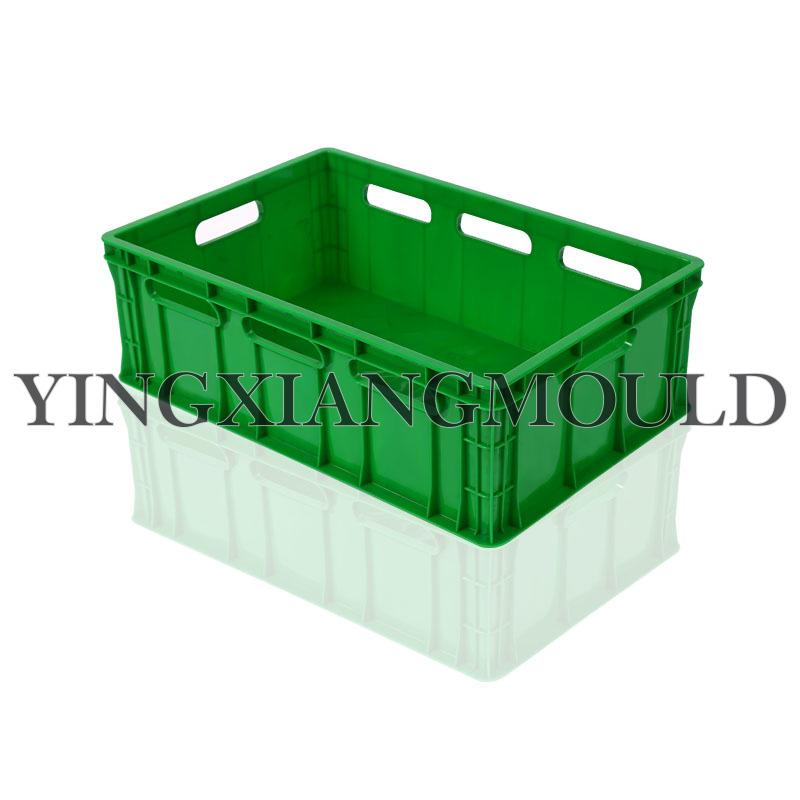
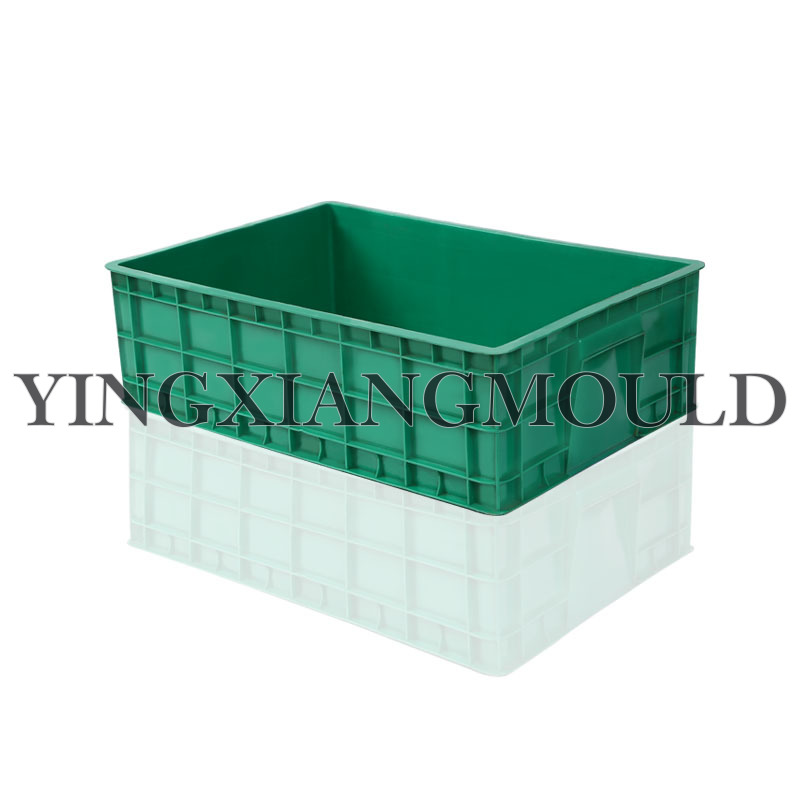
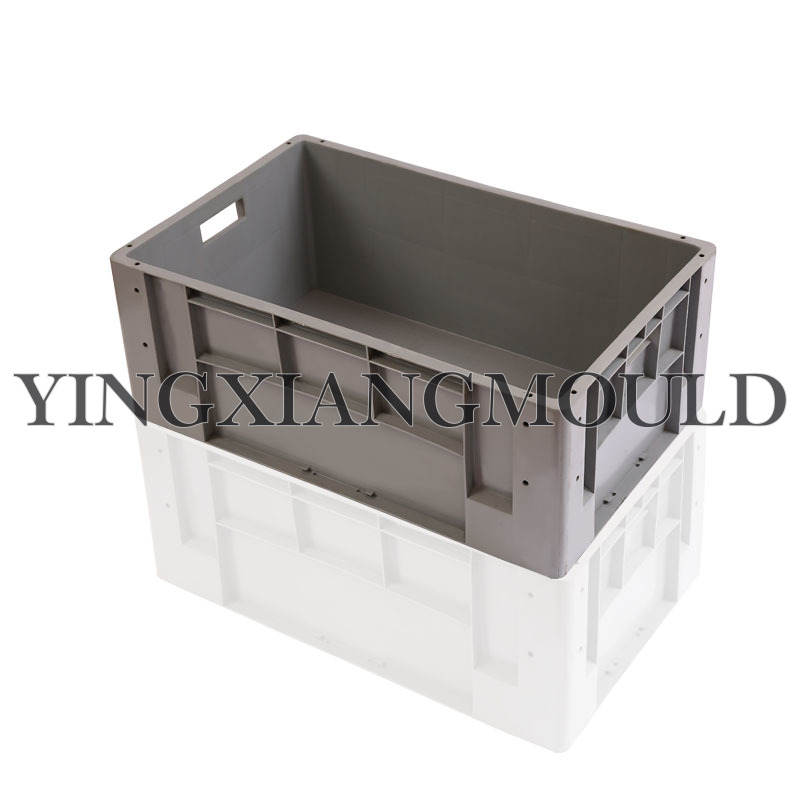
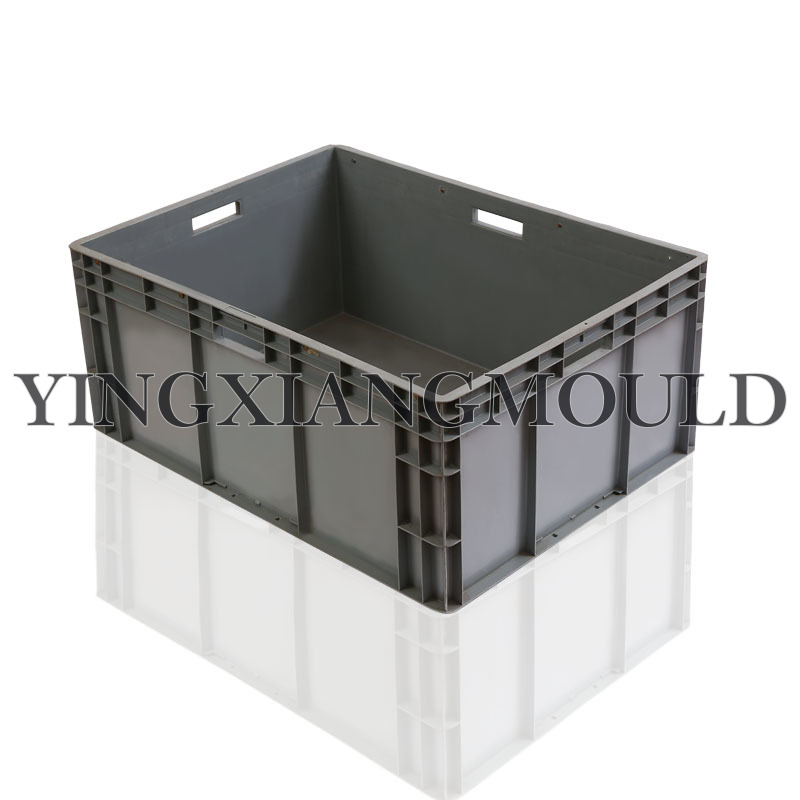
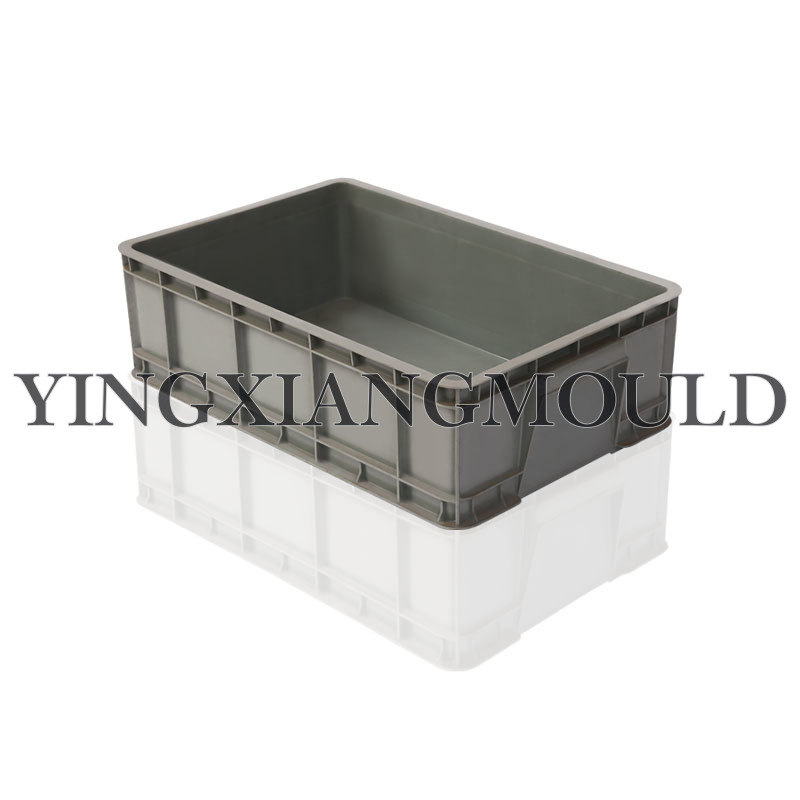
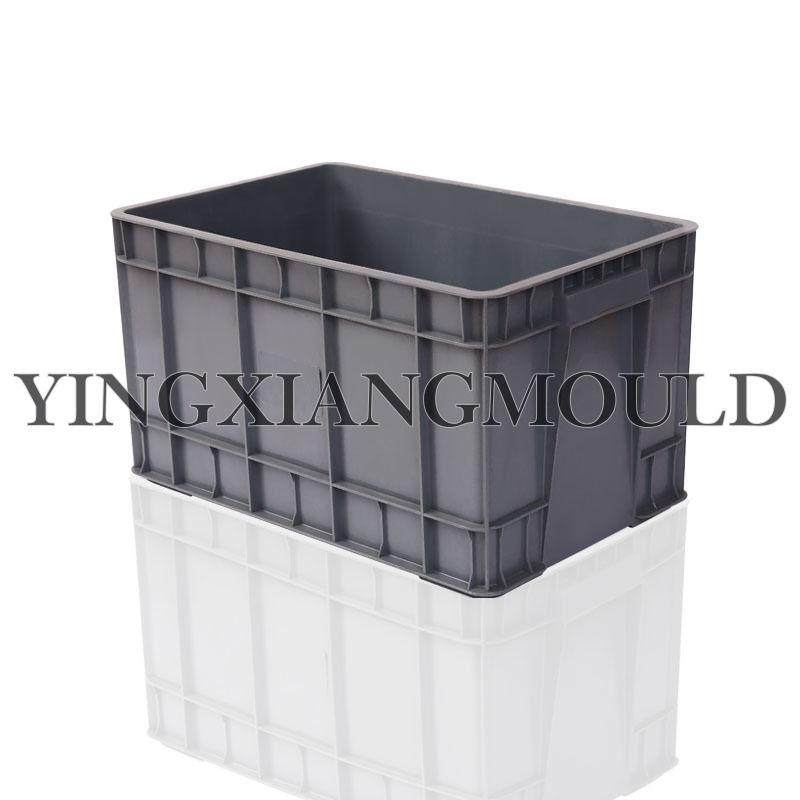
Folding crates have become an important solution for modern storage, distribution, retail, agriculture, manufacturing, and household organization. Unlike conventional rigid boxes, a folding crate can be collapsed when empty, reducing return-transport volume, saving warehouse space, and improving handling efficiency. When opened, it provides a stable container for products, tools, packaged goods, food ingredients, consumer items, and industrial components. This combination of strength, reusability, and compact storage makes the folding crate an increasingly valuable product in supply chains that demand both durability and operational efficiency.
The quality of a folding crate depends heavily on the quality of its injection mould. A well-designed mould determines the accuracy of the crate dimensions, the consistency of wall thickness, the smoothness of folding movement, the reliability of hinges and locking structures, and the overall service life of the finished product. For this reason, selecting an experienced folding box mould manufacturer is as important as selecting the right resin, injection machine, and production process.
YingXiang Plastic Mould is an experienced manufacturer of customized plastic injection moulds for folding crates, folding boxes, logistics containers, pallets, trays, beverage boxes, storage products, and other household and industrial applications. Located in Huangyan, Taizhou, Zhejiang, China, the company operates in one of the world’s recognized mould-manufacturing regions. Since its establishment in 2012, the company has developed capabilities covering product analysis, mould design, CNC machining, electrical discharge machining, fitting, testing, modification, and technical support.
This article explains the product value of folding crates, the engineering requirements of folding crate moulds, the manufacturing strengths that influence mould performance, and the reasons a professionally developed mould can provide advantages over lower-cost or less specialized alternatives.

Folding Crate
A folding crate is a reusable plastic container designed with movable side panels or hinged walls. When the crate is in its working position, the walls form a rigid box that can hold and protect products. When the crate is empty, the walls fold inward or collapse toward the base, significantly reducing the crate’s height. The collapsed structure allows more empty crates to be stacked in a truck, warehouse, distribution center, or retail backroom.
Most folding crates are produced from injection-moulded thermoplastics such as polypropylene or high-density polyethylene. These materials are selected for their impact resistance, relatively low weight, chemical resistance, moisture resistance, and suitability for repeated use. The final product may include reinforced corners, ventilation openings, interlocking features, ergonomic hand holes, hinged panels, locking tabs, and identification surfaces.
Folding crates are used in many markets. Agricultural producers use them for fruits, vegetables, flowers, and other products requiring ventilation and careful handling. Retailers use them for stock movement and store replenishment. Logistics companies use them for reusable distribution systems. Manufacturers use them to transport components between production stations. Households use smaller folding boxes for clothing, toys, tools, and general storage.
The product must perform in two different conditions. In the open position, it must have sufficient structural strength to support contents and withstand stacking, lifting, vibration, and repeated handling. In the folded position, it must remain compact, stable, and easy to move. The transition between these conditions must be smooth and reliable. These requirements create demanding design conditions for the mould and for the finished plastic part.
Traditional rigid containers occupy nearly the same amount of space whether they are full or empty. This creates a major cost problem in return logistics. Empty containers must be transported back to a warehouse, supplier, farm, distribution center, or production site. A folding crate reduces this wasted space because multiple collapsed crates can be stacked within the volume required by a much smaller number of rigid crates.
Lower empty-return volume can reduce transportation expenses, fuel consumption, loading time, and carbon emissions. It can also make vehicle planning easier, especially for companies operating closed-loop packaging systems. For high-volume users, even a modest reduction in empty-crate volume can produce substantial annual savings.
Single-use packaging generates recurring purchasing costs and disposal challenges. A durable folding crate can circulate through a supply chain many times before replacement. Its reusable design supports more controlled packaging management and may reduce the quantity of cardboard, thin plastic, and other disposable materials used for repeated shipments.
The service life of a folding crate depends on material selection, wall design, hinge construction, locking geometry, and mould accuracy. A strong product is not simply a thick product. Excessive thickness can add weight, increase material cost, extend cooling time, and create moulding defects. The goal is to develop a balanced structure in which ribs, corners, hinge areas, and load-bearing surfaces provide strength where it is needed.
Folding crates can protect products from compression, impact, moisture, dirt, and rough handling. Ventilation openings can support airflow for agricultural products, while smooth internal surfaces can reduce the risk of catching or damaging packaged goods. Rounded corners and carefully controlled edges improve handling safety and reduce the chance of damaging the contents.
For industrial applications, the crate can be customized with dividers, nesting features, labels, barcodes, RFID-compatible surfaces, or dedicated component pockets. A mould manufacturer with strong design capabilities can help integrate these features into the product without compromising folding performance.
When not in use, a folding crate can be stored under shelves, behind doors, in vehicle compartments, or in compact warehouse areas. This makes the product useful not only for industrial logistics but also for household organization, retail storage, camping, gardening, and vehicle use.
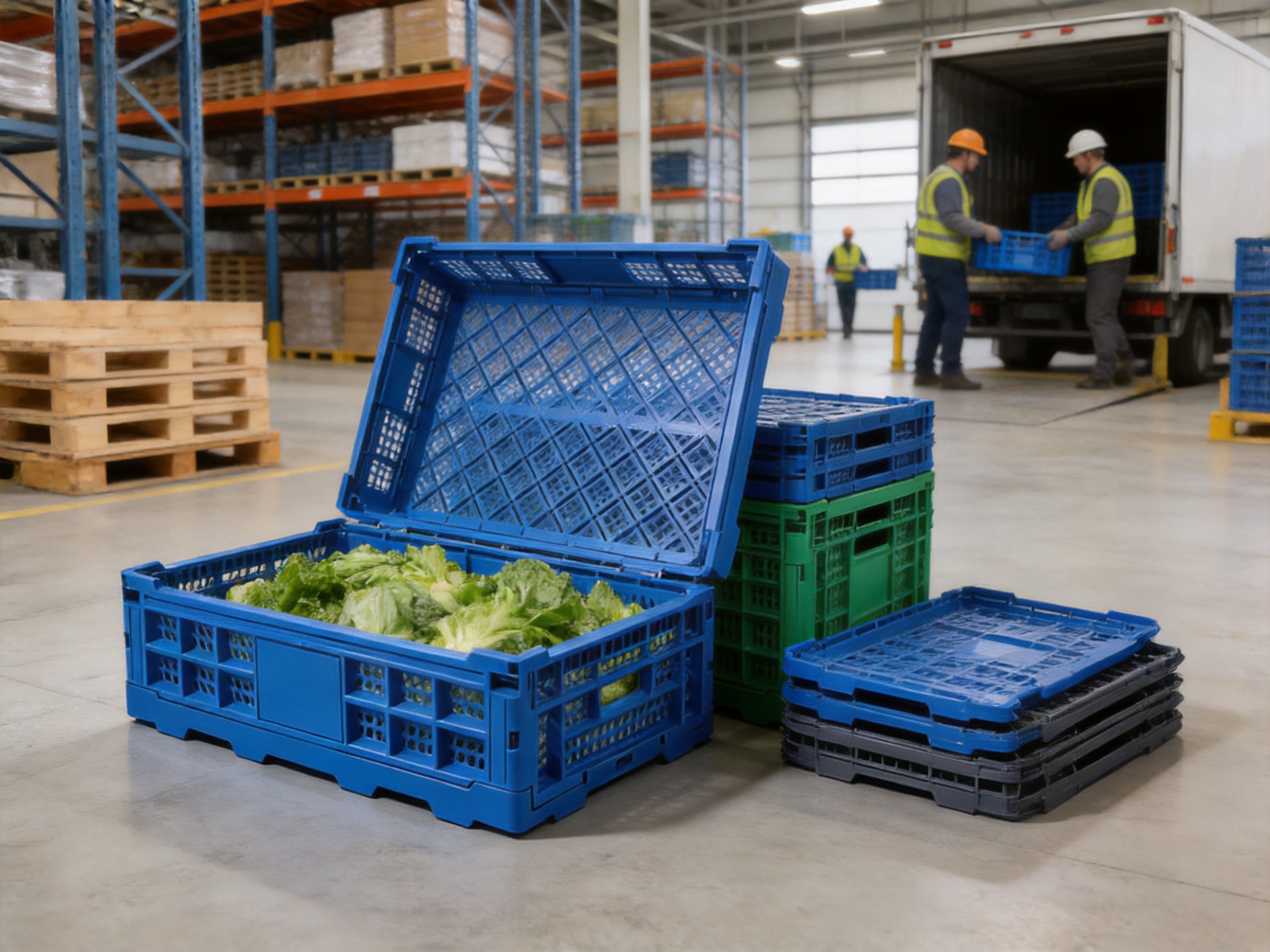
A folding crate mould is more complex than a basic open box mould because the product includes moving panels, functional joints, locking structures, and dimensional relationships between several components. The mould must produce parts that assemble correctly and continue to operate after repeated cycles.
The side walls of a folding crate must move through a defined range without excessive friction or interference. If the hinge position is inaccurate, the walls may not fold flat, may become loose, or may place excessive stress on the hinge pin. Even a small dimensional error can become significant when several panels are assembled together.
During mould design, engineers must evaluate hinge centerlines, rotating clearances, wall angles, panel thickness, and the relationship between the base and side components. Computer-aided design allows these movement conditions to be checked before steel is cut. This reduces the likelihood of expensive changes after machining.
Hinges are among the most highly stressed areas of a folding crate. They experience repeated movement, impact, and load transfer. The mould must form hinge features with accurate dimensions and clean surfaces. Flash, mismatch, incomplete filling, or excessive sharpness can reduce hinge life and interfere with assembly.
Locking features require the same level of attention. A lock should hold the crate securely in the open position but should not require excessive force from the operator. The locking mechanism must also tolerate repeated use, temperature changes, and normal manufacturing variation. Proper draft, radii, and local reinforcement can improve both mouldability and product durability.
Uneven wall thickness can cause sink marks, warpage, internal stress, and dimensional instability. Folding crates often combine open grids, solid rims, reinforced corners, and functional ribs. These different sections must be designed to fill and cool in a controlled way.
A mould engineer may use flow analysis to study filling behavior, weld-line locations, pressure distribution, cooling performance, and potential deformation. The objective is not only to achieve a visually acceptable part but also to ensure that the crate maintains its shape under load and during repeated folding cycles.
Thermoplastic materials shrink as they cool. The amount and direction of shrinkage depend on the material, fibre orientation if reinforced resin is used, wall thickness, mould temperature, packing pressure, and cooling efficiency. If shrinkage is not properly managed, the base may warp, the side panels may become misaligned, or the crate may fail to stack correctly.
A well-developed mould accounts for these effects through appropriate steel dimensions, cooling-channel layout, gate location, support structures, and processing recommendations. Mould trials are essential for verifying that the actual product meets the intended dimensional requirements.
Folding crate components often contain ribs, openings, deep sections, and structural details that can make ejection difficult. The ejection system must release the product without damaging thin walls or leaving unacceptable marks on visible surfaces.
Engineering teams may use ejector pins, ejector plates, sleeves, lifters, or other mechanisms depending on the product geometry. Ejection should be balanced so that the part does not twist or remain partially attached to the cavity. Correct draft angles are also necessary to reduce release resistance and improve mould life.
Polypropylene is widely used for folding crates because it offers a useful balance of impact resistance, fatigue performance, chemical resistance, low density, and processing flexibility. It can withstand repeated hinge movement when the design and material grade are properly matched. Polypropylene also supports the production of lightweight crates with sufficient stiffness.
High-density polyethylene may be selected when greater impact resistance, flexibility, or low-temperature performance is required. The ideal material depends on the application, environmental conditions, expected load, cleaning chemicals, operating temperature, and regulatory requirements.
Recycled resin can be considered for selected applications, particularly where appearance and specialized food-contact requirements are not the primary concerns. However, recycled materials may have greater variation in flow behavior, color, contamination level, and mechanical performance. The mould and processing conditions should be reviewed when a recycled or mixed resin is planned.
Glass-fibre-reinforced materials can provide higher stiffness, but they may also increase mould wear and introduce directional shrinkage. If reinforced resin is selected, the gate position, cooling system, cavity balance, and steel selection should be evaluated carefully.
Material selection should be considered together with mould design. A crate intended for heavy industrial components requires a different structural approach from a crate intended for lightweight household storage. The manufacturer should understand the end use before finalizing wall thickness, ribs, hinge geometry, and mould steel.
| Evaluation Factor | Folding Crate | Rigid Plastic Box | Cardboard Box |
|---|---|---|---|
| Empty storage volume | Low because the crate collapses | High because the box remains rigid | Moderate when flattened, but not always reusable |
| Repeated-use potential | High with suitable design and material | High, depending on construction | Limited in demanding environments |
| Moisture resistance | Excellent | Excellent | Limited unless specially treated |
| Ventilation options | Easy to integrate through moulded openings | Possible but may reduce strength | Possible but less durable |
| Handling efficiency | Good, with handles and foldable walls | Good, but empty return space is high | Good for one-way distribution |
| Long-term operating cost | Competitive for closed-loop use | Competitive where space is available | Recurring replacement cost |
| Customization capability | High through injection mould design | High through injection mould design | High in graphics, but lower in structural durability |
The table shows why folding crates are attractive for businesses that move reusable packaging through repeated distribution cycles. They combine the durability of a plastic container with the space-saving benefit of a collapsible structure.
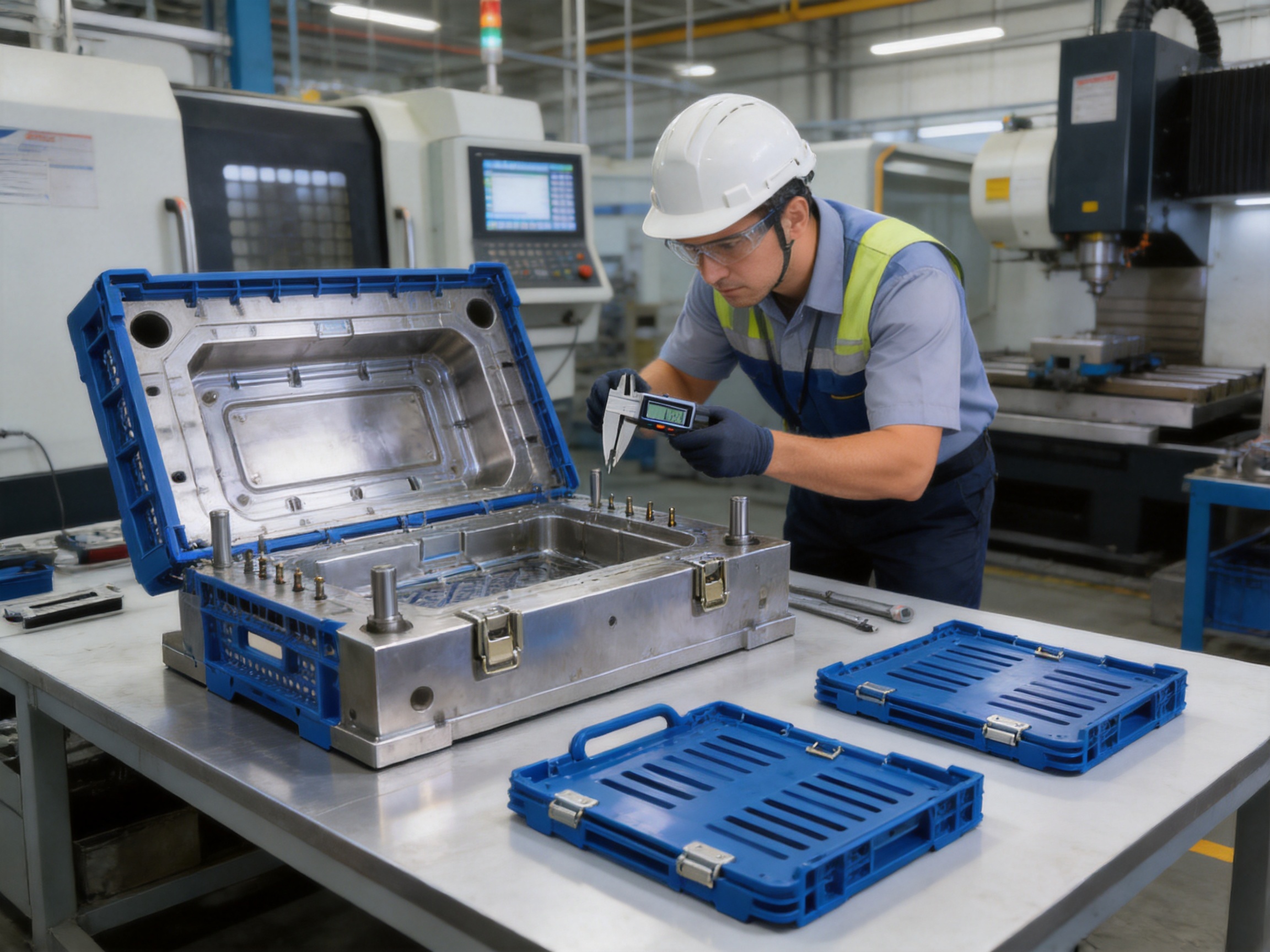
A professionally manufactured mould is designed to produce consistent parts over a long production run. Consistency is especially important for folding crates because multiple panels, bases, lids, or accessories may need to work together. Stable dimensions improve assembly, folding action, stacking, and interchangeability.
Quality stability also reduces the number of rejected parts and minimizes interruptions on the injection moulding machine. This can improve the customer’s overall production efficiency even when the initial mould investment is higher than a basic low-cost alternative.
Mould life depends on steel quality, heat treatment, machining accuracy, cooling design, surface treatment, maintenance access, and operating conditions. A mould built with appropriate materials and carefully machined functional areas can continue producing accurate parts for a long period.
High-stress locations such as hinge cores, locking slides, guide systems, and cavity corners require particular attention. Proper radii, replaceable inserts, wear-resistant components, and reliable alignment systems can reduce maintenance requirements and simplify future repairs.
The purchase price of a mould is only one part of the total cost. Downtime, scrap, maintenance, cycle time, energy consumption, correction work, and replacement parts may have a much larger effect over the mould’s operating life.
A well-engineered folding crate mould can reduce these hidden costs through balanced filling, efficient cooling, smooth ejection, optimized cycle time, and reduced defect rates. A slightly higher initial investment may therefore provide a lower cost per acceptable crate across the production program.
Cooling is often the longest stage of an injection moulding cycle. If the cooling system is poorly designed, the part may require a long cycle to achieve sufficient rigidity before ejection. Long cycles reduce hourly output and increase energy consumption.
Advanced mould design places cooling channels close enough to critical areas to remove heat efficiently while maintaining sufficient steel strength. The design must account for ribs, hinges, deep sections, and difficult-to-reach regions. Improved cooling balance can also reduce warpage and shorten the time needed for process stabilization.
Although folding crates are primarily functional products, surface quality remains important. Clean textures, uniform weld lines, smooth handles, and controlled gate marks contribute to a professional appearance. For retail and household products, visual quality can directly influence purchasing decisions.
Surface treatment may include polishing, texturing, etching, nitriding, or other methods selected according to the product requirements. The finish must be applied consistently so that all moulded parts have a uniform appearance.
YingXiang Plastic Mould operates a 7,000-square-meter plant with approximately 50 employees. The company uses CAD, CAE, and CAM systems to support product development and mould manufacturing. These systems enable design information to move from product concept to machining and testing with better control over accuracy and communication.
The manufacturing process begins with a review of the customer’s product requirements. Engineers examine the intended dimensions, material, load, folding movement, stacking method, surface finish, production quantity, injection machine, and target cycle time.
For a folding crate, the review should also consider how the product will be assembled, how the hinges will operate, whether the crate will nest or stack, and how operators will remove it from the mould. Early design review can identify potential weaknesses before they become costly mould modifications.
Computer-aided design is used to create the cavity, core, inserts, slides, lifters, ejector system, guide components, cooling circuits, and mould base. The design team can inspect clearances, verify moving components, and check whether the mould can be manufactured and maintained efficiently.
CAD data also supports communication with customers. Product changes can be evaluated before machining begins, helping customers understand the effect of altered wall thickness, additional ribs, modified handles, or different locking details.
Computer-aided engineering tools can be used to analyze plastic flow, filling sequence, pressure requirements, weld lines, air traps, cooling trends, and predicted deformation. These studies are valuable for large folding crates or products with complicated grids and moving structures.
Simulation does not replace physical testing, but it can identify risks at an early stage. Gate positions can be compared, potential weld lines can be reviewed, and areas likely to experience warpage can be reinforced or redesigned. This improves the probability of successful first trials.
Computer-aided manufacturing supports the conversion of approved designs into machining instructions. CNC milling can produce cavity and core surfaces with accurate dimensions and repeatable tool paths. High-speed machining may be used for suitable surfaces, while other areas may require slower and more controlled processes.
Electrical discharge machining is useful for narrow grooves, deep ribs, sharp internal details, hinge structures, and other areas that are difficult to produce through conventional cutting alone. Wire cutting can also be used for precise inserts and complex profiles.
After machining, mould components must be fitted and assembled carefully. The quality of the finished mould depends not only on the accuracy of individual parts but also on how those parts work together. Alignment, parting-line contact, slide movement, ejector travel, and cooling connections must all be verified.
Experienced technicians can identify issues that may not be obvious in a digital model. They can improve contact conditions, remove interference, refine moving surfaces, and ensure that the mould opens and closes smoothly.
Trial moulding is an essential stage in folding crate mould production. The mould is installed on a suitable injection machine and tested using the intended or comparable resin. Engineers inspect filling, ejection, part dimensions, surface appearance, hinge movement, locking action, and assembly.
If the trial reveals warpage, short shots, flash, sink marks, difficult ejection, or dimensional deviation, the team analyzes the cause and makes controlled corrections. Trial reports can record process conditions, sample measurements, and recommended modifications. This documentation helps ensure that the mould reaches production readiness in a systematic manner.
Quality control should be applied throughout the entire manufacturing process rather than only at final inspection. Incoming steel and component checks help ensure that materials match the design requirements. Machining inspections verify critical dimensions. Assembly inspections confirm that moving systems and alignment features function correctly.
For the finished mould, important checks may include cavity and core dimensions, parting-line condition, ejector movement, cooling-channel pressure, guide-pillar alignment, slide travel, surface finish, and mould-opening behavior. The first moulded samples should be measured against approved drawings or three-dimensional data.
Folding crate products require additional functional checks. The panels should fold and unfold repeatedly without binding. The locking mechanism should hold the open position securely. The base should remain stable under load. Stacking features should align with the matching crate. Handles should be comfortable and resistant to cracking during normal lifting.
Where the application requires food contact, agricultural handling, or specific regulatory compliance, the customer should confirm that the selected resin, colorant, lubricant, and production environment meet the appropriate requirements. The mould manufacturer can support the structural and manufacturing aspects, while the product owner remains responsible for application-specific compliance.
One advantage of injection moulding is the ability to customize a crate for a particular supply chain. Product length, width, height, wall pattern, handle style, ventilation ratio, color, stacking interface, and internal reinforcement can all be adapted to the customer’s needs.
Small folding boxes may be designed for household goods, tools, or retail products. Larger folding crates may be designed for agricultural produce, industrial components, or warehouse distribution. The size and expected load determine the required wall structure, base reinforcement, hinge dimensions, and locking design.
Crates used for fruit, vegetables, seafood, or other products may require ventilation openings to support airflow and reduce moisture accumulation. Drainage holes may be added for washing or wet environments. The opening pattern must be balanced against structural strength and product protection.
Handles can be integrated into the side walls or base structure. Their shape should support a natural grip and avoid sharp edges. For heavy crates, handle reinforcement is important because the lifting force is transferred through a relatively small area.
Customers may request smooth panels for labels, embossed logos, printed codes, barcode areas, or tracking marks. These features can improve inventory control and support returnable packaging programs. They should be positioned so that they do not interfere with folding, stacking, or cleaning.
Color can identify ownership, product category, handling route, or safety status. Surface textures can improve appearance and reduce visible scratches. The selected texture should remain compatible with the product’s release direction and cleaning requirements.
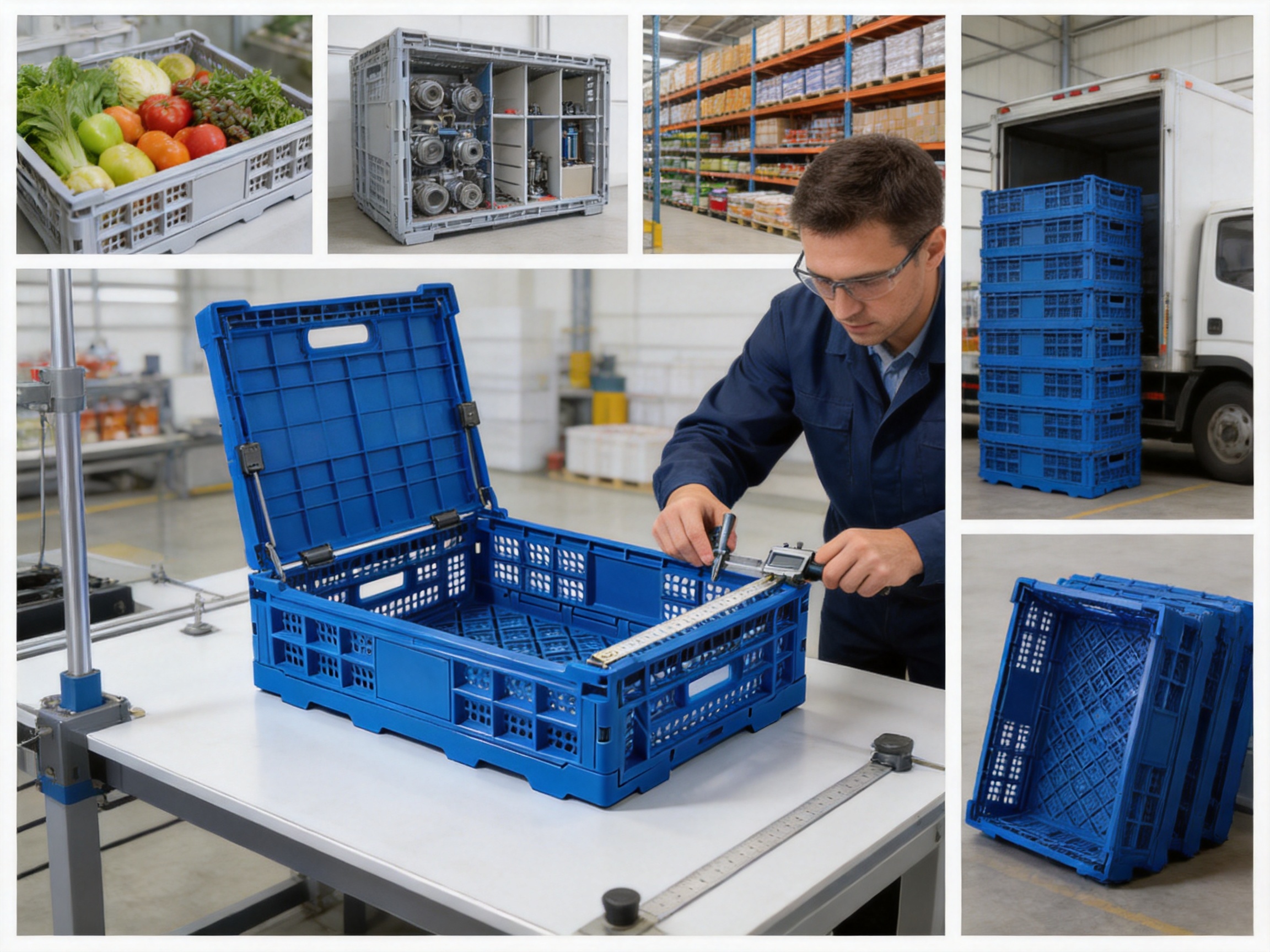
Folding crates are widely used for fruits, vegetables, flowers, and other agricultural products. Their ventilated structures can promote airflow, while their reusable construction supports repeated movement between growers, wholesalers, retailers, and collection centers.
For this application, the crate should have smooth internal surfaces, rounded edges, reliable stacking geometry, and sufficient strength for filled loads. Cleaning access is also important because the crate may be exposed to soil, water, plant residue, and temperature changes.
Retailers can use folding crates for backroom storage, shelf replenishment, store transfers, and returned goods. The ability to collapse empty crates is particularly valuable where retail space is limited. A consistent external size also supports organized storage and efficient palletization.
Manufacturers can use customized folding crates to move parts between suppliers, machining lines, assembly stations, and finished-goods warehouses. Internal dividers or dedicated pockets can reduce contact damage and improve counting accuracy.
In the household market, folding crates are valued for their compact storage, portability, and versatility. Consumers may use them for clothing, toys, books, groceries, tools, cleaning supplies, or vehicle organization. A clean appearance, safe edges, easy folding action, and attractive colors are important in this segment.
Returnable folding crates can support order picking, local delivery, distribution-center transfers, and reverse logistics. Their standardized dimensions can improve compatibility with shelving, conveyors, pallets, and delivery vehicles.
Not all folding crates perform equally. Low-cost products may use insufficient hinge material, weak locks, poorly balanced walls, or inaccurate mould dimensions. These problems may not be visible during the first few uses but can become serious after repeated folding and loading.
A weak hinge may crack under repeated movement. A poorly designed lock may release unexpectedly. Warped walls may prevent proper stacking. Flash around the edges may create safety concerns. Inconsistent dimensions may make different production batches incompatible. These issues can create costs that are much higher than the original purchase-price difference.
A professionally engineered mould addresses these risks through structural analysis, appropriate steel and component selection, accurate machining, controlled fitting, and trial validation. The result is a folding crate that is more dependable throughout its operating life.
Folding crate moulds require knowledge of both plastic injection moulding and mechanical product function. A general mould supplier may be able to produce a simple box, but a folding crate demands greater understanding of hinges, locks, moving panels, ejection, wear, and repeated fatigue.
An experienced manufacturer can contribute during the product development stage instead of simply manufacturing a drawing. The engineering team can recommend draft angles, adjust rib proportions, review gate locations, identify difficult undercuts, and suggest changes that improve production stability.
YingXiang Plastic Mould focuses on customized plastic mould solutions and serves product categories including crate moulds, folding box moulds, pallet moulds, tray moulds, beverage box moulds, storage box moulds, and household product moulds. This broad experience is useful because many folding crate projects share design principles with pallets, logistics containers, trays, stools, chairs, and other injection-moulded products.
The company’s location in Huangyan, Taizhou, provides access to a mature mould-manufacturing environment and a network of technical resources. Its plant, engineering systems, equipment, and experienced personnel support the complete process from initial design review through trial production and delivery.
A successful folding crate mould project normally begins with a clear exchange of technical information. The customer should provide product drawings or samples, resin details, expected annual output, injection machine information, target cycle time, surface requirements, and intended use.
The mould manufacturer can then review the product and prepare recommendations regarding parting lines, gates, cooling, ejection, slides, inserts, and maintenance. Once the product design is approved, the mould design can be developed and checked before manufacturing.
During machining, progress should be controlled through inspections and communication. Trial samples should be evaluated for both appearance and performance. Dimensional inspection is important, but functional testing is equally necessary for a folding crate. The panels must move correctly, locks must engage, and the assembled product must meet the customer’s operational requirements.
After acceptance, the mould should be delivered with appropriate technical information, including operating recommendations, maintenance guidance, spare-part information, and trial records where applicable. Proper maintenance can extend mould life and preserve product quality.
Regular maintenance is essential for any folding crate mould. After production, the mould should be cleaned, dried, and protected against corrosion. Moving components such as slides, lifters, ejector systems, and hinge-forming elements should be inspected and lubricated according to the recommended schedule.
Cooling circuits should be checked for blockage, leakage, and scale buildup. Poor cooling performance can increase cycle time and create dimensional instability. Parting surfaces should be kept clean because contamination can cause flash or prevent complete mould closing.
Wear parts should be monitored before they cause product defects. Replaceable inserts, guide components, ejector pins, and locking elements may eventually require repair or replacement depending on production volume and resin type. A preventive maintenance plan is normally more economical than waiting for an unexpected breakdown.
Folding crates can contribute to more efficient packaging systems because they are reusable and reduce empty-return volume. Their long service life can lower the demand for repeated single-use packaging. When a crate reaches the end of its useful life, some thermoplastic materials may be recoverable through appropriate recycling systems, subject to contamination and material identification.
The mould itself can also support improved production efficiency. Better cooling reduces cycle time and energy consumption per part. Stable processing reduces scrap. Accurate moulding reduces the need for sorting, rework, and replacement. These benefits are important for customers seeking both economic and environmental improvements.
Environmental performance depends on the entire product lifecycle. The crate should be designed for repeated use, cleaned effectively, repaired where possible, and collected at the end of its useful life. Product owners should also select resin and additives that match the intended application and local recycling infrastructure.
The main benefit is the reduction of empty storage and transport volume. The crate provides a rigid container when open but can be collapsed when empty, making return logistics and warehouse storage more efficient.
Polypropylene and high-density polyethylene are commonly used. The best material depends on load, impact requirements, temperature, chemical exposure, hinge fatigue, appearance, food-contact needs, and recycling objectives.
The mould controls the dimensions, wall thickness, hinge accuracy, locking action, surface quality, cooling behavior, and ejection of the product. A poorly designed mould can create warpage, flash, weak hinges, difficult assembly, and short service life.
Yes. Size, wall pattern, ventilation, handles, stacking features, locks, colors, surface texture, label areas, ribs, and internal dividers can be customized according to the application.
Warpage can be reduced through balanced wall thickness, appropriate rib design, optimized gate locations, effective cooling channels, suitable processing conditions, proper steel compensation, and CAE-based flow and deformation analysis.
The trial should check filling, packing, cooling, ejection, part dimensions, flash, sink marks, weld lines, warpage, surface appearance, hinge movement, locking performance, assembly, folding cycles, and stacking compatibility.
Price alone does not determine quality. However, a mould that uses suitable steel, precise machining, reliable components, effective cooling, and controlled testing may provide lower total ownership cost through longer life, fewer defects, and less downtime.
Mould life depends on steel, resin, production volume, cycle conditions, maintenance, and product complexity. Proper design, wear-resistant components, preventive maintenance, and timely repairs can significantly extend service life.
Recycled plastic may be suitable for certain applications, but its flow, color, contamination, and mechanical properties can vary. The material should be evaluated together with the product requirements and moulding process.
Useful information includes product drawings, three-dimensional files, dimensions, material, expected output, machine details, cavity requirements, surface finish, color, application, folding mechanism, packaging method, and any required standards or testing.
An experienced mould manufacturer can review product designs and recommend changes related to draft, ribs, hinges, gates, ejection, cooling, and assembly. Early cooperation usually reduces mould modification cost and project delays.
A logistics folding crate should provide reliable load capacity, stable stacking, easy handling, compact empty storage, resistance to moisture and impact, smooth folding action, and compatibility with the customer’s pallets, shelves, vehicles, and handling systems.
Folding crates offer a practical combination of durability, reusability, compact empty storage, and flexible application. They can improve logistics efficiency, reduce return-transport volume, protect products, and support more organized operations in agriculture, retail, manufacturing, warehousing, and household storage.
The performance of the finished crate begins with the mould. Accurate hinge geometry, reliable locking features, balanced wall thickness, controlled shrinkage, efficient cooling, and smooth ejection are essential to producing a durable and consistent product. These requirements make folding crate moulds more demanding than conventional box moulds and highlight the importance of selecting a capable engineering partner.
With a 7,000-square-meter plant, approximately 50 employees, CAD, CAE, and CAM systems, experienced technicians, and a focus on customized plastic injection mould solutions, YingXiang Plastic Mould is equipped to support folding crate projects from design review to trial production. Its experience with logistics crates, folding boxes, pallets, trays, beverage containers, storage products, and household moulds provides a broad technical foundation for developing reliable solutions.
For customers seeking a folding crate mould, the best approach is to evaluate more than the initial quotation. Mould construction quality, design support, testing procedures, maintenance access, delivery reliability, and long-term product performance should all be considered. A carefully engineered mould can provide stronger crates, more stable production, lower scrap, improved cycle efficiency, and better total value throughout the life of the project.
1. Injection Molding Handbook, technical principles of thermoplastic injection moulding, mould design, processing, and quality control.
2. Plastics Engineering Fundamentals, material behavior, shrinkage, warpage, cooling, and structural design of injection-moulded products.
3. Reusable Transport Packaging Guidelines, principles of returnable packaging, supply-chain efficiency, container durability, and empty-return optimization.
4. Polymer Processing Design References, polypropylene and polyethylene processing characteristics, gate design, ejection, and mould cooling.
5. Industrial Packaging and Logistics Standards, recommendations for reusable crates, stacking, handling, product protection, and warehouse operations.
If you are interested in any of our products or services, please feel free to ask and we can talk about your ideas.
 QUICK LINKSMOBILE SITE
 FACTORY ADDRESS
 CONTACT INFORMATION



 English
 Español