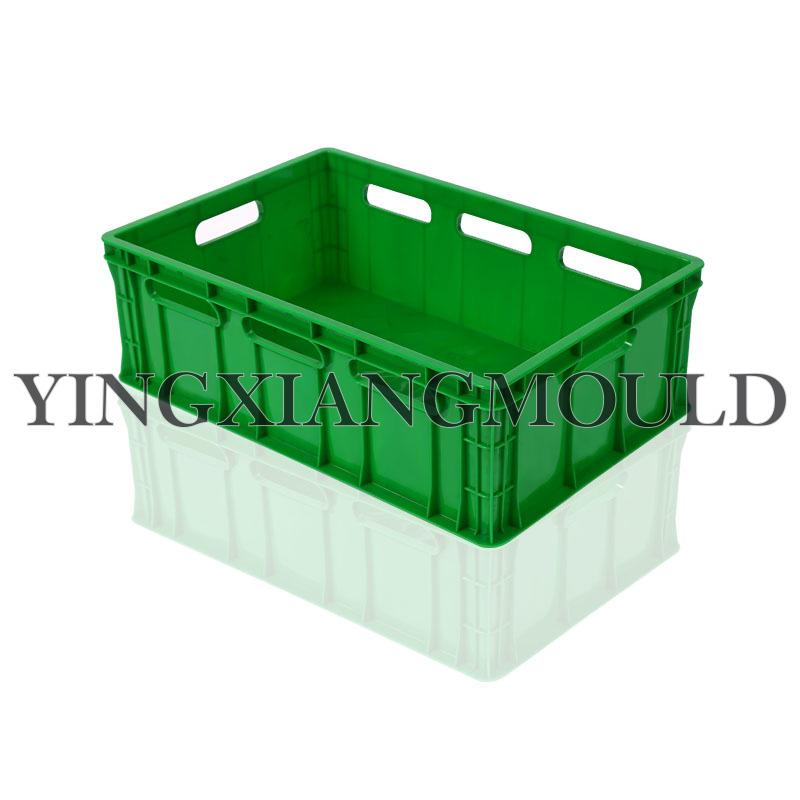
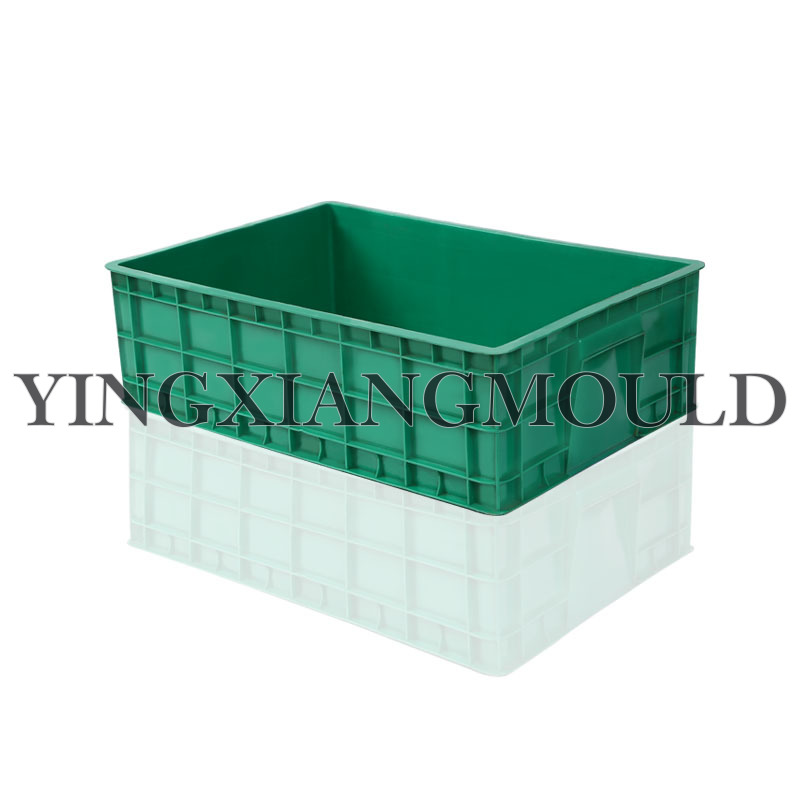
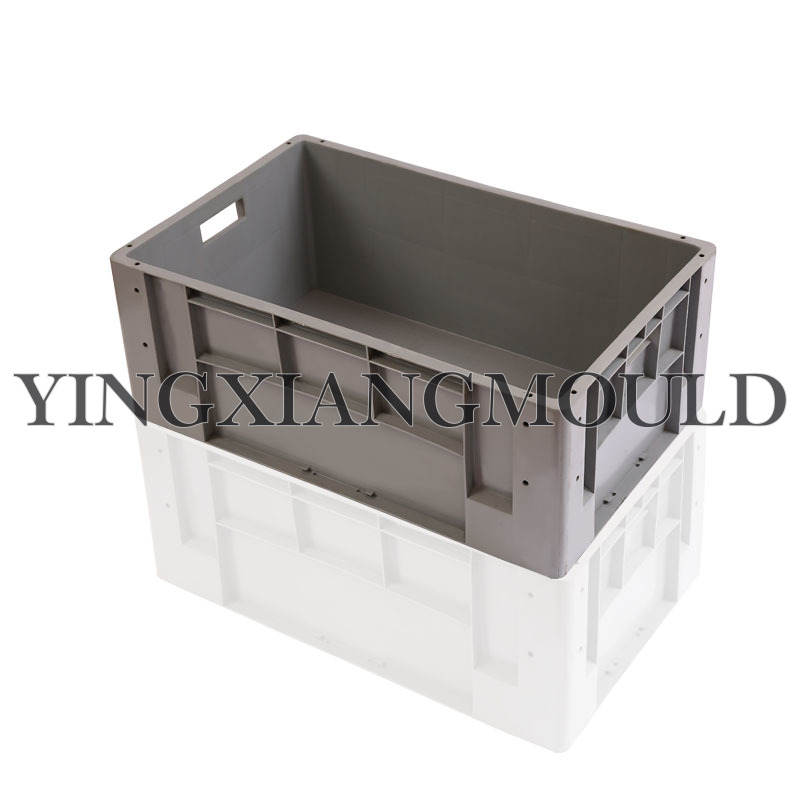
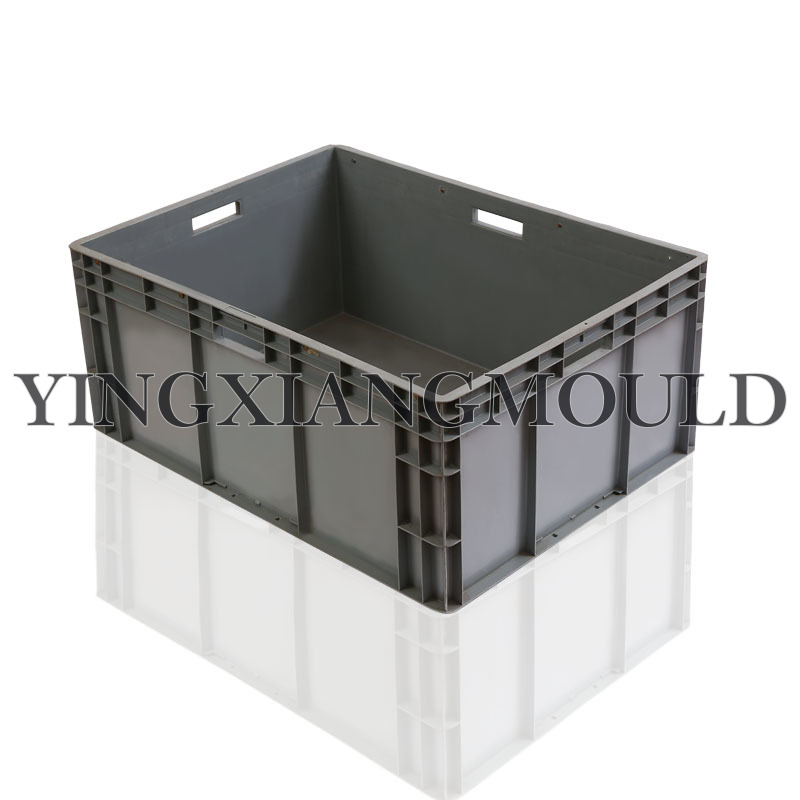
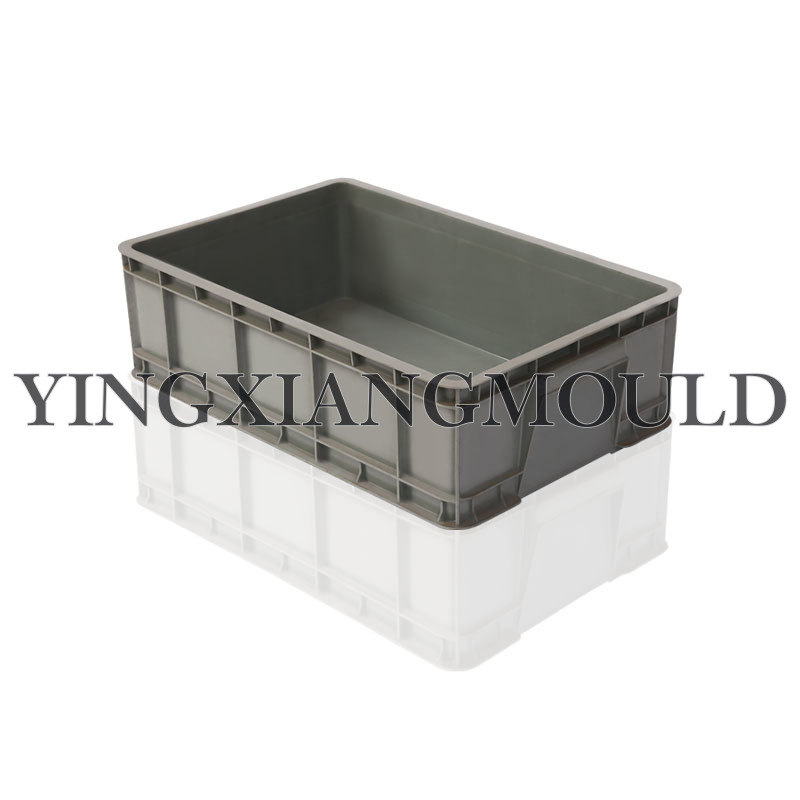
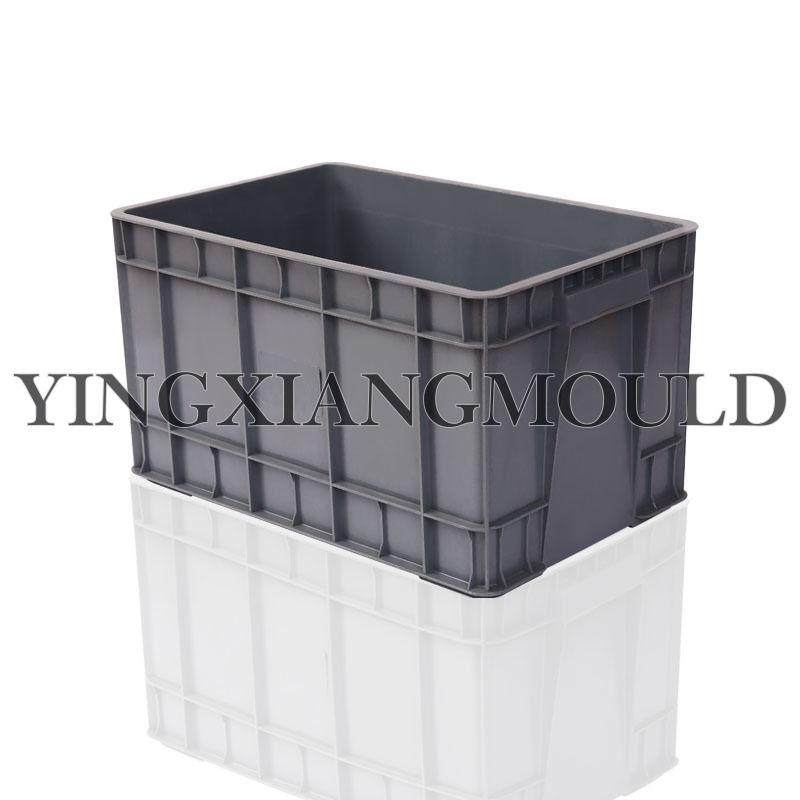
The square fruit-pattern basket is a practical household and retail storage product that combines attractive appearance with everyday functionality. Its structured square profile makes efficient use of shelf, cabinet, countertop, and refrigerator space, while the fruit-inspired surface pattern gives the basket a friendly visual identity. For manufacturers, retailers, and distributors, the product represents an opportunity to offer a reusable plastic basket that is lightweight, washable, stackable, and suitable for many different storage applications.
The quality of the finished basket depends greatly on the quality of its injection mould. A well-designed mould determines the basket’s dimensional accuracy, surface appearance, wall consistency, strength, cycle time, ease of demoulding, and long-term production stability. When a basket includes a decorative fruit pattern, the mould must reproduce fine surface details without creating excessive weld marks, uneven textures, difficult ejection, or unnecessary production waste.
TaiZhou HuangYan YingXiang Plastic Mould Co., Ltd. develops and manufactures plastic injection moulds for fruit baskets, household containers, logistics crates, folding boxes, pallets, beverage boxes, chairs, stools, floor mats, hand baskets, and other daily-use products. Located in Huangyan, Taizhou, Zhejiang, China, the company operates in one of the world’s important mould manufacturing regions. Since its establishment in 2012, it has built experience in customized plastic mould solutions and supports customers from product concept development through mould production and delivery.
This article examines the design value of the square fruit-pattern basket, the technical requirements of its mould, the advantages of the product compared with conventional baskets, and the manufacturing strengths that help produce reliable injection moulds for commercial-scale production.

Square Fruit-Pattern Basket
A square fruit-pattern basket is designed to organize and present fruit, vegetables, snacks, household items, or small retail goods. Its square or near-square geometry provides a more efficient footprint than many round or irregular baskets. Products with a square shape can be placed side by side with less unused space, which is valuable in kitchen storage, supermarket displays, warehouse packing, and home organization.
The fruit-pattern surface adds a decorative element to an otherwise simple utility product. Depending on the final design, the pattern may include fruit shapes, leaves, geometric fruit-related motifs, or a repeating relief texture. This decorative detail can help the basket stand out in a crowded retail environment while maintaining a practical and easy-to-clean surface.
The basket can be manufactured from a suitable thermoplastic material selected according to the required strength, flexibility, appearance, food-contact expectations, temperature conditions, and cost target. Common material options for this type of product may include polypropylene or other injection-mouldable plastics. Final material selection should be confirmed by the product buyer, material supplier, and technical team based on the intended application and relevant regulations.
Unlike a disposable packaging item, a reusable plastic basket can provide long service life when its design, material, and mould quality are properly controlled. It can be washed repeatedly, transported easily, stored in multiple locations, and reused in different commercial or household situations. These features make it attractive to customers who want a balance between low weight, reasonable cost, and long-term usability.
The square profile is one of the product’s most important functional advantages. A round basket may leave empty triangular spaces when several units are arranged together, while a square basket can create a more organized layout. This matters when products are displayed on shelves, packed in cartons, placed in cabinets, or arranged in refrigerators and storage racks.
A fruit-pattern basket can also be designed with integrated side openings or handles. Openings reduce weight and improve ventilation, which is useful when the basket is used for fresh produce. Handles make the product easier to carry from a market, kitchen, pantry, or storage area. The shape and position of these openings must be considered carefully during mould design because they influence strength, material flow, cooling, and ejection.
The rim is another key area. A strong and smooth rim helps the basket maintain its shape and improves handling comfort. If the rim is too thin, it may deform or feel sharp. If it is too thick, it may increase material consumption, cooling time, and sink-mark risk. A properly engineered rim creates an effective balance between rigidity, safety, appearance, and production efficiency.
The base should provide enough support for the contents without creating excessive weight. Drainage or ventilation openings may be incorporated when the basket is intended for fruit or vegetables. These openings must be arranged so that the bottom remains strong and stable. The mould must reproduce the base geometry accurately while allowing the part to release smoothly after cooling.
In consumer products, appearance is often as important as function. The fruit-pattern surface creates a recognizable design language that can support product differentiation. A simple basket may compete mainly on price, but a basket with a carefully developed decorative pattern can also compete through visual appeal, perceived quality, and suitability for modern home environments.
Surface texture may help reduce the visibility of minor handling marks and can give the basket a more premium appearance. A consistent pattern also makes different units look uniform when displayed together. For private-label buyers and distributors, the mould can be adapted to support a specific brand style, colour program, size range, or packaging concept.
Decorative details must be engineered rather than added only for visual effect. Raised patterns that are too deep may make demoulding difficult. Fine grooves may trap air or create polishing challenges. Uneven texture can be caused by poor machining, incorrect draft, insufficient venting, or inconsistent cooling. For this reason, the product design and mould design should be developed together.
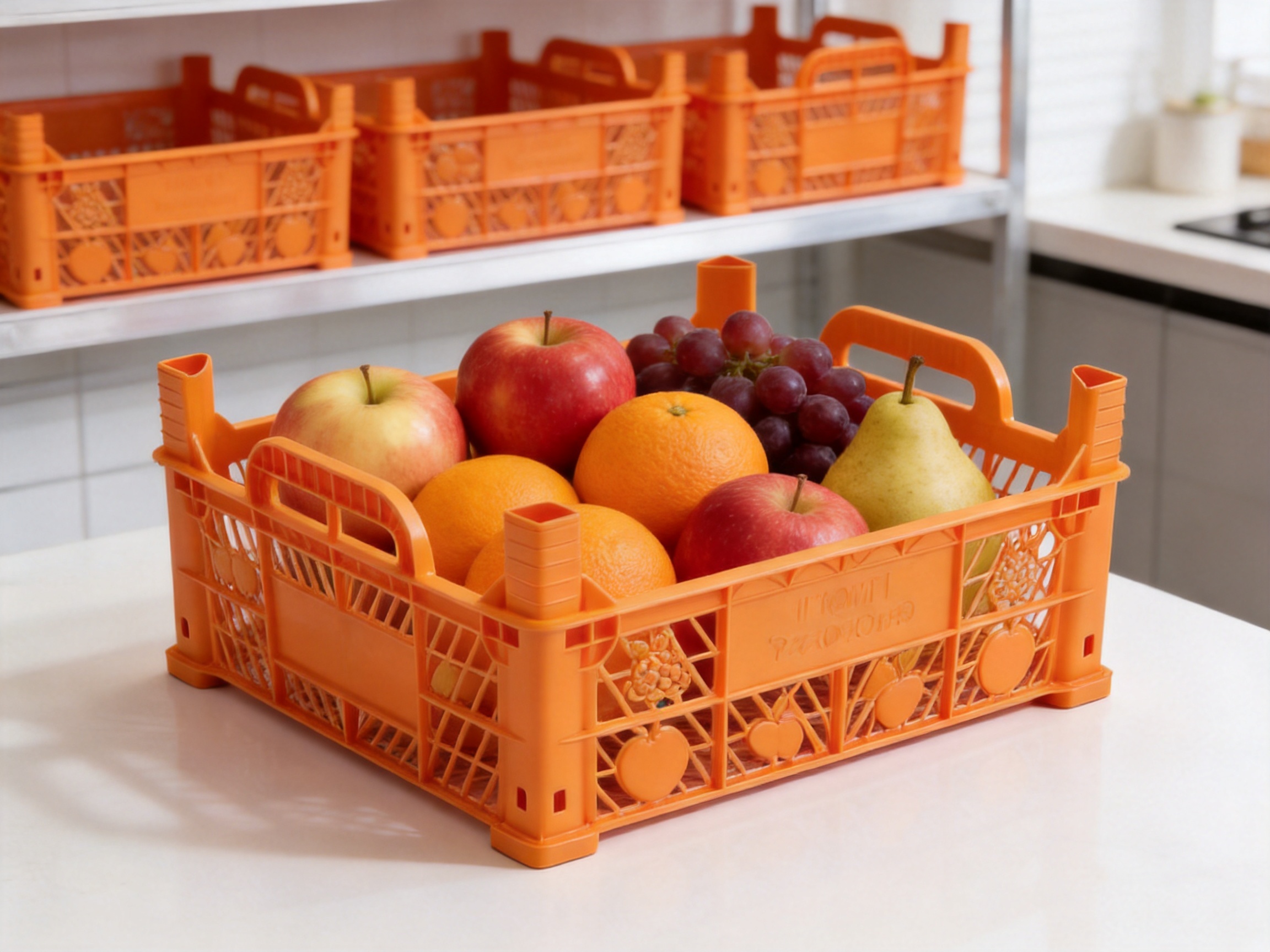
The square fruit-pattern basket can offer several advantages over conventional plain, round, or poorly optimized basket designs. These advantages are not limited to appearance. They include space efficiency, handling, cleaning, product presentation, production adaptability, and potential logistics savings.
Square products generally make better use of rectangular shelves, cartons, cabinets, and pallets. When multiple baskets are arranged in a row, the straight sides allow closer placement and more predictable packing. This can reduce empty space during transportation and improve the number of units that fit within a defined storage area.
For retailers, efficient shelf arrangement can increase product density and make displays look cleaner. For households, square baskets can be placed in kitchen cabinets, refrigerator compartments, drawers, or storage cubes with less wasted space. For distributors, more efficient carton packing may help reduce transportation volume, although the actual benefit depends on nesting design, basket dimensions, packaging method, and loading configuration.
A fruit-inspired pattern helps distinguish the basket from plain utility containers. The design can communicate freshness, food storage, home organization, or market use without requiring complex additional components. Because the pattern is formed directly by the mould, it does not necessarily require a separate label, printed film, or secondary assembly operation.
Integrated decoration can help simplify production compared with products that require post-moulding decoration. There may be fewer steps for printing, bonding, or applying external parts. The result can be a more durable appearance because the pattern is part of the plastic surface rather than a separate sticker that may peel during washing or use.
Injection moulding allows designers to create hollow forms, reinforced rims, ribs, handles, ventilation openings, and carefully controlled wall sections. This makes it possible to achieve a product that is light enough for frequent handling while retaining the stiffness needed for fruit and household storage.
Compared with heavier solid containers, a well-designed basket is easier to carry and can reduce material consumption. Compared with thin disposable packaging, a reusable injection-moulded basket can offer improved durability and a more stable appearance. The correct balance depends on resin selection, product dimensions, wall thickness, rib design, mould cooling, and processing conditions.
A smooth, properly finished plastic surface is generally easy to clean. Rounded corners can reduce the accumulation of dirt in internal edges, while suitable drainage openings can help water leave the basket after washing. If the pattern is designed with practical depth and spacing, it can add visual interest without creating excessive cleaning difficulty.
Repeated use places demands on the basket and its mould. The product should not have sharp flash, incomplete filling, weak weld lines, or stress concentrations that could lead to premature failure. A precise mould helps maintain consistent dimensions across production cycles, reducing the likelihood of units that are difficult to stack, unstable on a surface, or uncomfortable to handle.
Although the product is categorized as a fruit basket, its potential applications are broader. It may be used for vegetables, packaged food, snacks, toys, craft supplies, bathroom items, office accessories, laundry accessories, or general home organization. This versatility makes the mould valuable to buyers who want one product platform that can serve multiple market segments.
Colour variation can also support different uses. Bright colours may be suitable for children’s storage or open retail displays, while neutral colours may fit kitchens, offices, and modern home interiors. A single mould can potentially support several colour programs, provided the selected material and pigment system are compatible with the processing requirements.
| Design or Production Factor | Value to the Finished Basket | Value to the Buyer |
|---|---|---|
| Square footprint | Efficient placement on shelves and in storage spaces | Improved display organization and packing potential |
| Fruit-pattern surface | Distinctive and attractive product appearance | Stronger visual differentiation in retail markets |
| Integrated handles or openings | Improved portability and ventilation | Greater convenience for household and commercial use |
| Controlled wall thickness | Balanced strength, weight, and material consumption | Competitive production cost and practical durability |
| Accurate mould dimensions | Consistent size, shape, and stacking performance | More stable production and fewer rejected parts |
| Suitable draft and ejection | Smoother demoulding and reduced surface damage | Better cycle stability and improved mould life |
| Effective cooling design | More uniform shrinkage and shorter potential cycle time | Higher output and improved dimensional consistency |
The mould for a square fruit-pattern basket must manage several competing requirements. It must reproduce the external shape and decorative texture, allow the part to be removed without damage, control shrinkage, support efficient cooling, and withstand repeated production. Because baskets are often produced in high quantities, even a small design weakness can multiply into significant cost and quality problems over time.
Uniform wall thickness is an important starting point for injection moulding. Large variations can cause uneven filling, sink marks, warpage, differential shrinkage, and visible surface defects. A basket may naturally require thicker sections around handles, corners, or the rim, but these transitions should be managed gradually wherever possible.
The square corners deserve particular attention. Sharp internal corners can increase stress concentration and make material flow more difficult. Suitable radii can improve filling, reduce stress, and make the mould easier to manufacture and polish. External corners can remain visually defined while using internal geometry that supports stronger and more stable moulding performance.
Ribs may be added to improve stiffness without making the entire wall excessively thick. Rib height, thickness, spacing, and connection points must be selected carefully to avoid sink marks or difficult filling. The mould designer also needs to consider how ribs affect ejection and whether they could lock onto core features after cooling.
Draft angle allows the moulded basket to separate from the mould surfaces. A product with insufficient draft may require excessive ejection force, develop scuff marks, or become trapped in detailed surface areas. This is especially important when the basket includes a repeating fruit pattern, textured sides, deep openings, or internal ribs.
Draft must be evaluated on both the cavity and core sides. The direction of texture, the depth of decorative relief, the location of parting lines, and the direction of ejection all influence the required design. Where the product includes undercuts, the mould may require slides, lifters, collapsible features, or an alternative geometry that simplifies production.
Good demoulding design protects both the finished part and the mould. It can reduce cycle interruptions, lower ejection stress, and improve the consistency of the basket’s appearance. During design review, the mould manufacturer should identify areas where the product may cling, distort, or mark during release.
Gate placement affects filling balance, weld-line location, packing pressure, air evacuation, and final appearance. A square basket may require a carefully positioned gate or multiple gates to distribute plastic evenly around the perimeter and base. The correct solution depends on product size, material, wall thickness, injection machine capability, and appearance expectations.
Decorative surfaces make flow analysis particularly valuable. A weld line that is acceptable on an internal surface may be undesirable across a visible fruit pattern or near a handle. Flow simulation can help identify potential short shots, hesitation areas, air traps, and pressure requirements before steel machining is completed.
For a high-volume product, a balanced runner system may improve filling consistency between cavities if a multi-cavity mould is selected. The number of cavities should be matched to forecast demand, machine capacity, part size, cycle time, quality expectations, and investment budget. More cavities can increase output, but they also raise the complexity of balancing, cooling, maintenance, and quality control.
Air trapped inside the mould can cause burns, incomplete filling, dull areas, gas marks, or weak weld lines. Baskets often include deep corners, internal spaces, ribs, and decorative features where air may collect. Venting must therefore be planned around the filling pattern and not treated as a minor finishing detail.
Proper vents allow displaced air and gases to escape while preventing excessive flash. The design team may use parting-line vents, ejector-area vents, or other suitable methods according to the mould structure and material. Vent performance should be checked during mould trials because actual filling behaviour may reveal conditions that were not obvious in the initial design.
Cooling has a direct effect on cycle time, shrinkage, warpage, and dimensional stability. A basket with broad walls and multiple ribs may cool unevenly if the water channels are too far from key surfaces or poorly arranged. Corners, handles, and thick rim sections can retain heat longer than thin walls, creating different shrinkage rates across the product.
A well-planned cooling layout helps remove heat more uniformly. The designer should consider channel position, accessibility, connection arrangement, sealing reliability, and maintenance. Cooling analysis may be used to identify hot spots and improve the design before the mould is completed.
Efficient cooling also contributes to production economics. A reduction in cycle time can increase output without requiring a larger machine, although the actual result must be confirmed through mould trials and process optimization. Stable cooling can also reduce the variation that leads to rejected baskets or additional inspection.
The ejection system should distribute force across robust areas of the basket. Ejector pins, sleeves, stripper plates, or other suitable mechanisms may be used depending on product geometry. Ejection marks should be placed where they are acceptable visually and where they will not weaken the part.
A basket with an open structure may provide several possible ejection locations, but decorative features and thin walls can limit the available choices. The system should remove the product evenly to prevent distortion. If one section releases earlier than another, the basket may bend, twist, or remain attached to the core.
Reliable ejection is particularly important for automatic production. A mould that requires frequent manual assistance can reduce productivity and increase labour cost. Automatic or semi-automatic operation should be considered during the design stage, especially when the intended market requires large production volumes.
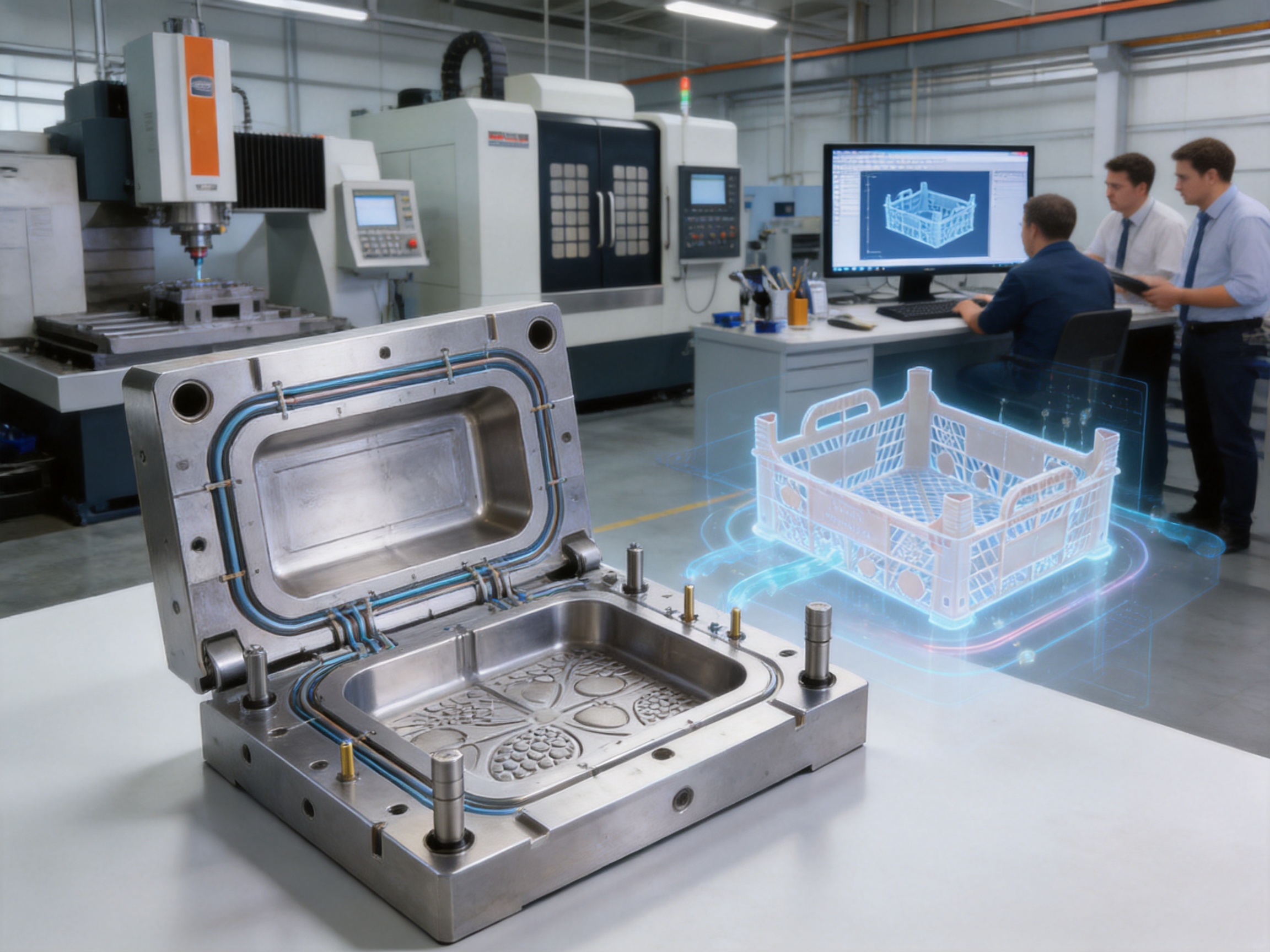
The quality of a plastic injection mould is created through a sequence of controlled engineering and manufacturing activities. Yingxiang Plastic Mould uses CAD, CAE, and CAM systems together with high-tech equipment and experienced technicians to develop customized mould solutions. These resources support a more systematic workflow from initial product data to final mould trials.
The process begins with a review of the basket concept, technical drawings, three-dimensional data, expected material, target output, machine conditions, and customer requirements. If the basket is still at an early design stage, the moulding team can assess whether the proposed geometry is suitable for injection moulding and identify changes that may improve manufacturability.
Design review may cover wall thickness, corner radii, draft, parting line position, gate location, ejection, cooling, surface texture, mould size, and maintenance access. Addressing these factors before machining can reduce later modifications and help control the project schedule.
A professional review also considers the customer’s commercial goals. A mould for a local short-run project may require a different cavity count and automation level from a mould intended for continuous export production. The engineering solution should reflect the expected volume, budget, quality standard, and delivery plan.
Computer-aided design systems allow the mould team to build and inspect detailed three-dimensional models. The cavity, core, inserts, sliders, ejector components, cooling channels, runners, and supporting plates can be coordinated digitally before manufacturing begins.
CAD development helps reveal interference between components and allows the team to check clearances, movement directions, assembly relationships, and maintenance access. For a square fruit-pattern basket, it is also useful for inspecting the continuity of the surface pattern across corners and around openings.
The digital model provides a common reference for engineering, machining, inspection, and customer communication. Design revisions can be tracked more efficiently, and the effect of a proposed change can be reviewed before physical work is performed.
Computer-aided engineering can support the evaluation of material flow, pressure distribution, filling time, cooling behaviour, shrinkage, and warpage. Simulation does not replace practical mould trials, but it can identify risks early and help compare alternative design solutions.
For the basket, analysis may focus on whether the square corners fill evenly, whether the handle areas create hesitation, whether weld lines appear in sensitive locations, and whether the base remains flat after cooling. It may also help determine whether a single gate, balanced multi-gate system, hot runner arrangement, or cold runner solution is more appropriate.
Simulation results should be interpreted by experienced engineers. The accuracy of a prediction depends on the quality of the product model, material data, process assumptions, and boundary conditions. Practical validation remains necessary because real production includes factors such as machine response, mould temperature, moisture, material batch variation, and operating conditions.
Computer-aided manufacturing systems convert approved design data into machining strategies. CNC milling, drilling, electrical discharge machining, wire cutting, grinding, and other suitable operations may be used according to the geometry and material of the mould components.
Decorative fruit patterns require particular care during machining. The surface detail must be reproduced consistently across the cavity, and transitions should remain smooth enough to support the intended appearance and demoulding performance. Small deviations in a repeated pattern can become obvious when many baskets are arranged together.
Precision machining also matters for parting surfaces, core and cavity alignment, guide systems, ejector holes, and cooling connections. Accurate component production reduces the risk of flash, mismatch, uneven wear, and assembly problems.
After individual components are machined, the mould is assembled and fitted. This stage includes checking the relationship between the cavity and core, verifying the movement of slides or lifters if present, inspecting ejector operation, connecting cooling circuits, and confirming that the mould opens and closes correctly.
Surface finishing is selected according to the product requirement. A basket may need polished functional surfaces, controlled texture, or a combination of smooth and patterned regions. The surface condition affects appearance, release behaviour, cleaning characteristics, and the way light reflects from the finished plastic part.
Fitting is not simply a mechanical assembly task. Skilled technicians examine contact surfaces, alignment, movement, clearances, and potential interference. Careful fitting can improve mould life and reduce the chance of early maintenance problems during production.
Before delivery, the mould should be tested through trial moulding. The trial process helps evaluate filling, packing, cooling, ejection, part dimensions, surface appearance, flash, weld lines, warpage, cycle time, and automation compatibility.
Trial parts provide valuable information that cannot always be obtained from drawings or simulation alone. If a corner fills slowly, a pattern does not reproduce clearly, or the basket releases unevenly, the engineering team can investigate the cause and make suitable adjustments.
Process parameters are also evaluated. Injection speed, pressure, holding time, cooling time, mould temperature, and material temperature all influence the finished product. A well-made mould gives the processor a stable foundation, but consistent production still requires an appropriate process window.
Trial results should be documented and reviewed against the agreed product standard. Critical dimensions may be measured, visual areas inspected, and functional tests performed. This structured approach supports more reliable approval and reduces uncertainty when the mould is moved into regular production.
TaiZhou HuangYan YingXiang Plastic Mould Co., Ltd. has developed its business around customized plastic mould solutions. Its product range includes fruit basket moulds as well as moulds for integral boxes, pallets, logistics crates, folding boxes, stools, food storage containers, trash cans, beverage boxes, hand baskets, household products, floor mats, and chairs.
This range demonstrates experience across different plastic product categories and moulding challenges. Logistics crates and pallets require strength, dimensional stability, and efficient production. Household products require appearance, comfort, and practical handling. Fruit baskets combine decorative detail with open structures, ventilation, portability, and efficient material use.
Huangyan, Taizhou, is widely recognized as an important mould manufacturing centre. The regional manufacturing environment provides access to engineering resources, processing capabilities, technical workers, component suppliers, and injection moulding knowledge. For overseas customers, working with a supplier in an established mould-making region can support access to a broad industrial ecosystem.
Yingxiang’s location in Huangyan supports its specialization in plastic injection moulds. The company’s experience since 2012 has allowed it to develop production knowledge related to design communication, steel processing, mould assembly, trial moulding, customer requirements, and delivery coordination.
The company operates a plant of approximately 7,000 square metres and has around 50 employees. A facility of this scale can support organized production areas for design, machining, assembly, testing, inspection, and project management. The combination of equipment and personnel is important because mould manufacturing requires both precision machinery and practical technical judgment.
CAD, CAE, and CAM systems support the digital side of the process, while high-tech equipment and experienced technicians support physical production. The strongest results usually come from combining both. Software can identify potential flow or cooling issues, but technicians must still understand machining, fitting, polishing, mould adjustment, and real production behaviour.
Customers may require different basket dimensions, pattern styles, handle designs, cavity counts, materials, colours, cycle targets, or packaging arrangements. A customized mould manufacturer should be able to adapt the engineering solution rather than forcing every customer into a standard design.
Customization may begin with a minor change, such as adjusting the basket height or modifying a corner pattern. It may also involve a complete private-label product with new geometry, new surface details, special stackability, and a different production target. Early technical communication helps determine which changes are straightforward and which may affect mould cost, cycle time, or maintenance.
Lean manufacturing focuses on reducing unnecessary activity, preventing avoidable defects, improving workflow, and using resources effectively. In mould production, this can include better planning of machining sequences, clearer project control, standardized inspection methods, and early identification of design risks.
Cost competitiveness does not mean reducing quality indiscriminately. A lower initial price may become expensive if the mould requires frequent repair, has unstable dimensions, or produces excessive scrap. A balanced mould solution considers total ownership cost, expected output, maintenance requirements, service life, and production reliability.
Yingxiang emphasizes long-life moulds, on-time delivery, premium quality, competitive costs, and comprehensive customer service. These priorities are particularly relevant for basket products that may be produced repeatedly over many years. The buyer should evaluate not only the quotation but also the engineering support, trial process, inspection approach, communication, and after-sales capability.
Quality control for a square fruit-pattern basket should address both the mould and the moulded product. The mould should be inspected for dimensions, alignment, surface finish, cooling integrity, ejection movement, and component function. The trial basket should be inspected for appearance, weight, dimensions, stability, handling comfort, and functional performance.
Important dimensions may include overall length, width, height, rim size, handle opening, base dimensions, stacking clearance, and wall thickness. Consistency is essential if the baskets are intended to nest, stack, fit packaging, or be displayed in a modular system.
Dimensional variation can result from mould wear, uneven cooling, incorrect process settings, material changes, or machine instability. Establishing acceptable tolerances in advance gives the production team a clear quality standard.
Visual inspection should check the fruit pattern, colour uniformity, gloss or texture, weld lines, flow marks, burn marks, sink marks, flash, scratches, and ejector marks. The acceptance standard should distinguish between critical display surfaces and hidden or functional areas.
Because the pattern is a central selling feature, incomplete or distorted details may reduce the product’s perceived value. Consistent mould texture and stable process conditions help preserve the intended appearance from one production batch to another.
The finished basket should be evaluated under realistic handling conditions. This may include lifting by the handles, placing loads in the basket, stacking or nesting multiple units, and checking the base for stability. Testing should reflect the customer’s intended application rather than relying only on visual inspection.
Corner areas, handle connections, rim sections, and base ribs deserve special attention because they may experience higher stress. The correct material and design can improve performance, but the final result must be confirmed through practical testing.
A mould that produces one good sample is not necessarily ready for long-term production. Production stability means that the mould can operate repeatedly with consistent filling, cooling, ejection, and part quality. Trial runs should therefore be long enough to reveal temperature changes, wear-related issues, automatic removal problems, or gradual dimensional drift.
Clear maintenance instructions can extend mould life. These may include cleaning procedures, lubrication points, cooling circuit checks, inspection intervals, storage requirements, and methods for protecting the mould when it is not in use.
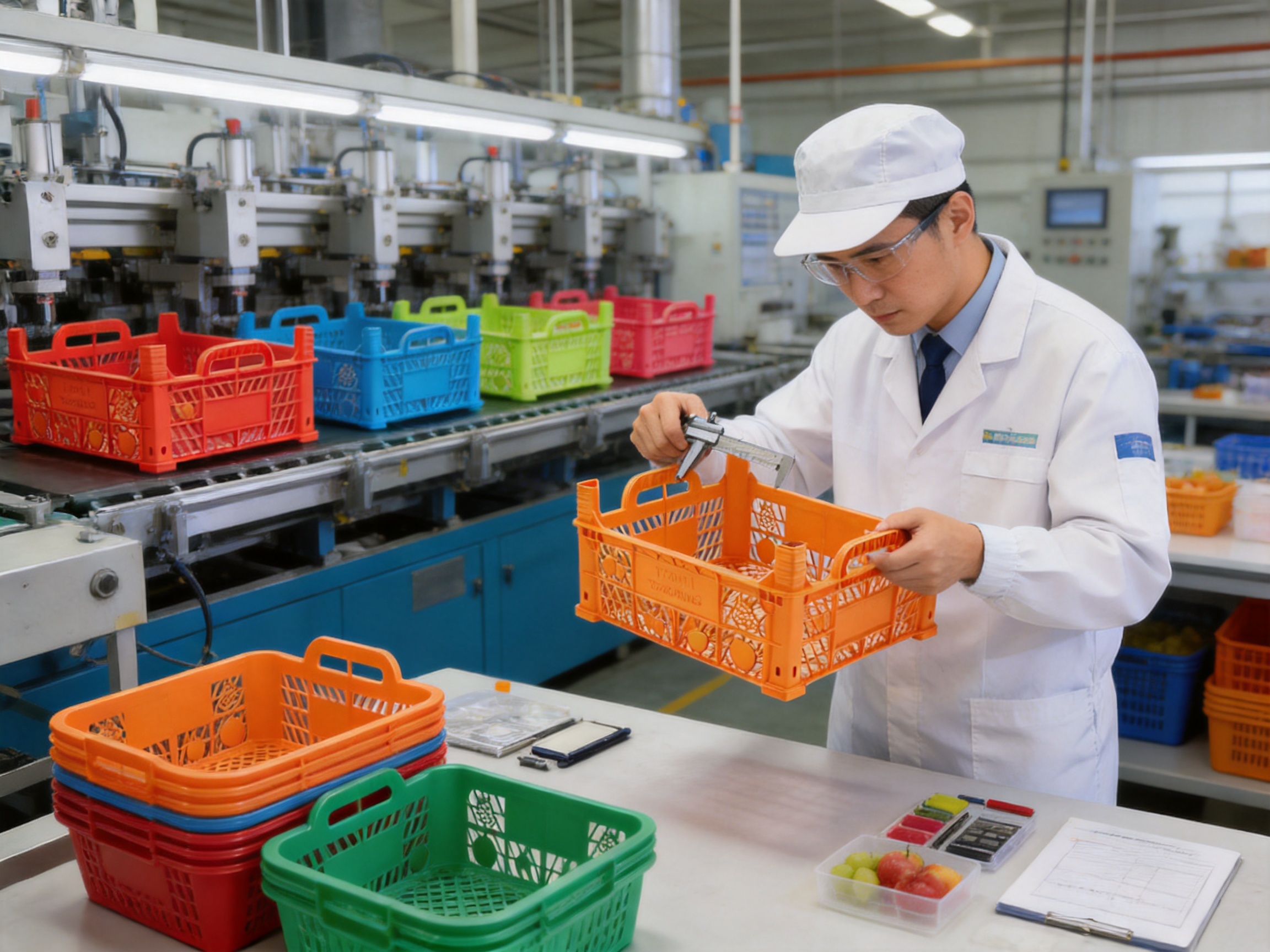
The best configuration for a square fruit-pattern basket depends on demand and production objectives. A single-cavity mould may be suitable for product development, lower volumes, or a larger basket size. A multi-cavity mould may be more appropriate when the buyer needs high output and the injection machine can support the required shot size, mould dimensions, and clamping force.
Cavity count affects investment, output, balancing, cooling complexity, maintenance, and replacement cost. More cavities can reduce the moulding cost per unit when production volume is high, but they also increase the importance of accurate flow balance and uniform cooling. The decision should be based on a realistic production forecast rather than maximum theoretical capacity.
Automatic demoulding may be considered for larger production programs. A basket with a stable open structure can sometimes be removed by a robot, conveyor, or other automated system. Automation can improve labour efficiency and reduce handling marks, but it requires suitable product release, cycle timing, and equipment integration.
Stackability and nesting should be planned early. If the baskets are intended to nest inside one another, the designer must provide controlled clearance to avoid sticking while limiting the nested height. If they are intended to stack with contents, the rim and base must support the required load. These functions influence the mould’s core geometry and should be confirmed before final approval.
For importers, distributors, supermarket suppliers, household product brands, and packaging companies, the square fruit-pattern basket mould can support a flexible product strategy. The same basic platform may be offered in multiple colours, sizes, or packaging formats, depending on the mould design and production plan.
The product’s visual identity can support retail positioning above an ordinary plain basket. Its square form can appeal to customers who value organized storage, while its decorative pattern can make it suitable for open display. Its reusable nature may also fit market demand for products that reduce dependence on single-use packaging.
From a manufacturing perspective, injection moulding supports repeatable production and scalable output. Once the mould has been validated, the buyer can plan regular production with more predictable dimensions and appearance. This is valuable for private-label programs where the same product must be reproduced across multiple batches.
Working with a supplier that also produces logistics crate, pallet, folding box, and household product moulds may offer an additional advantage to customers with a wider product portfolio. The same engineering partner may be able to support related storage and packaging projects, reducing the need to coordinate with multiple mould suppliers.
A successful mould project benefits from clear communication at every stage. The buyer should provide the product concept, three-dimensional drawings if available, target material, estimated annual volume, machine information, colour requirements, surface expectations, packaging plans, and relevant testing standards.
The mould manufacturer can then review the product for manufacturability and propose changes where necessary. The parties should confirm the parting line, gate concept, ejection method, cooling approach, cavity count, steel or component requirements, mould life expectation, delivery schedule, trial process, and acceptance criteria.
After design approval, the mould enters machining and assembly. Progress updates may include design confirmation, material preparation, rough machining, precision machining, component fitting, mould assembly, trial moulding, modifications, and final inspection. A documented process helps maintain accountability and allows the buyer to respond quickly when technical decisions are required.
During trial moulding, the buyer should review both appearance and function. A basket can look attractive but still have problems with stacking, handle strength, flatness, or demoulding. Sample approval should therefore be based on a complete evaluation rather than visual appearance alone.
After delivery, proper installation and maintenance are essential. The injection moulding machine should be compatible with the mould’s dimensions, weight, clamping requirement, injection volume, and ejection arrangement. Operators should follow suitable processing conditions and avoid unnecessary pressure or temperature changes.
The mould is used to produce injection-moulded plastic baskets with a square profile and integrated fruit-inspired surface details. It determines the basket’s dimensions, pattern, wall structure, openings, handles, base, and overall appearance.
A square basket can use shelf, cabinet, carton, and pallet space more efficiently because its straight sides fit closely together. It may also provide a more organized appearance in household storage and retail displays.
Yes. A customized mould may be developed with different basket sizes, pattern styles, handle designs, base openings, colours, cavity counts, and stacking or nesting requirements. The feasibility of each change should be reviewed during the design stage.
The material should be selected according to strength, flexibility, appearance, cleaning conditions, food-contact expectations, temperature exposure, and cost. Common injection-moulding thermoplastics may be considered, but the final selection should be confirmed for the intended application and regulations.
The pattern affects surface machining, draft angle, venting, polishing or texturing, material flow, and demoulding. The decorative relief must be deep enough to reproduce clearly but not so deep that it causes sticking, flash, trapped air, or difficult cleaning.
A multi-cavity mould may be suitable for high-volume production. The correct cavity count depends on annual demand, machine capability, mould budget, required cycle time, product size, and the need for balanced filling and cooling.
CAE analysis can help evaluate filling, pressure, weld lines, air traps, cooling behaviour, shrinkage, and warpage before the mould is completed. It helps engineers identify risks and compare possible gate, runner, and cooling solutions.
Durability can be supported through suitable material selection, controlled wall thickness, reinforced rims, properly designed ribs, strong handle connections, rounded corners, and stable processing conditions. The objective is to place material where it contributes most to strength rather than making every section unnecessarily thick.
Trials should check filling, surface pattern reproduction, flash, weld lines, sink marks, warpage, dimensions, ejection, cooling, cycle time, basket stability, handle strength, nesting or stacking performance, and compatibility with the intended production machine.
An experienced manufacturer can identify design risks earlier, coordinate CAD, CAE, and CAM data, select suitable mould structures, manage precision machining, perform practical fitting, optimize trial results, and provide maintenance or production support after delivery.
Yes. Depending on its dimensions and material, it may be used for vegetables, snacks, toys, office supplies, craft materials, bathroom items, laundry accessories, or general household organization. The buyer should confirm that the final material and design meet the requirements of each intended use.
The buyer should provide product drawings or samples, three-dimensional data if available, target dimensions, material preference, estimated volume, cavity requirement, machine information, surface finish, colour, packaging needs, quality standards, and delivery expectations. More complete information supports a more accurate technical proposal and quotation.
The square fruit-pattern basket is a practical product that combines efficient space utilization, attractive decoration, convenient handling, and versatile household or commercial applications. Its square geometry supports organized storage and display, while the integrated fruit pattern provides a distinctive appearance that can strengthen retail appeal.
The mould is the foundation of this product’s quality. Proper control of wall thickness, draft, parting lines, gates, venting, cooling, ejection, surface texture, and dimensional accuracy is essential for stable production. Advanced CAD, CAE, and CAM systems can improve design accuracy and risk evaluation, while precision equipment and experienced technicians are necessary to convert the digital design into a durable working mould.
TaiZhou HuangYan YingXiang Plastic Mould Co., Ltd. combines a 7,000 square metre plant, approximately 50 employees, advanced engineering systems, high-tech equipment, and experience in customized plastic injection moulds. Its broader product range across household, logistics, packaging, and industrial applications supports a practical understanding of different moulding requirements.
For buyers seeking a reliable fruit basket mould, the most important evaluation should include more than the initial price. Mould structure, product manufacturability, trial performance, service life, production stability, maintenance support, delivery capability, and communication all contribute to the total value of the project. A carefully engineered square fruit-pattern basket mould can provide a strong platform for efficient production, attractive products, and long-term commercial use.
1. Injection Molding Handbook, technical principles of plastic part design, mould construction, process control, and production troubleshooting.
2. Plastics Materials and Processing, general guidance on thermoplastic selection, melt flow, cooling, shrinkage, and product performance.
3. Design for Manufacturability in Plastic Injection Molding, principles covering draft angles, wall thickness, ribs, corners, gates, vents, and ejection systems.
4. Mold Engineering and Manufacturing Practice, guidance on CAD development, machining, fitting, mould trials, maintenance, and service-life considerations.
5. General engineering practice for reusable plastic household containers, including dimensional control, handling performance, cleaning, stacking, and visual inspection.
6. Company information and product specifications supplied for the square fruit-pattern basket mould and related plastic injection moulding capabilities.
If you are interested in any of our products or services, please feel free to ask and we can talk about your ideas.
 QUICK LINKSMOBILE SITE
 FACTORY ADDRESS
 CONTACT INFORMATION



 English
 Español