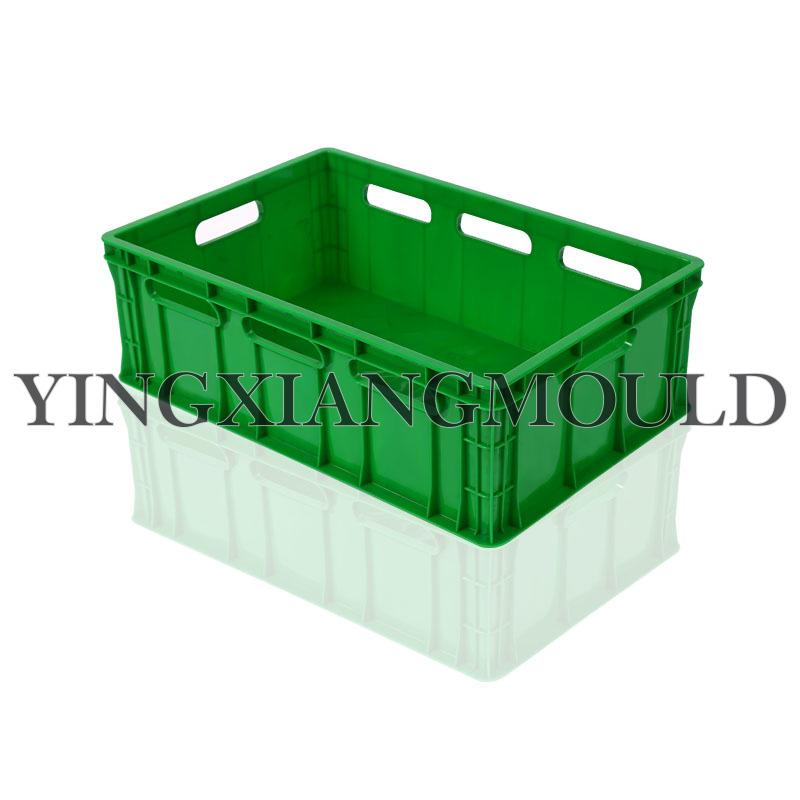
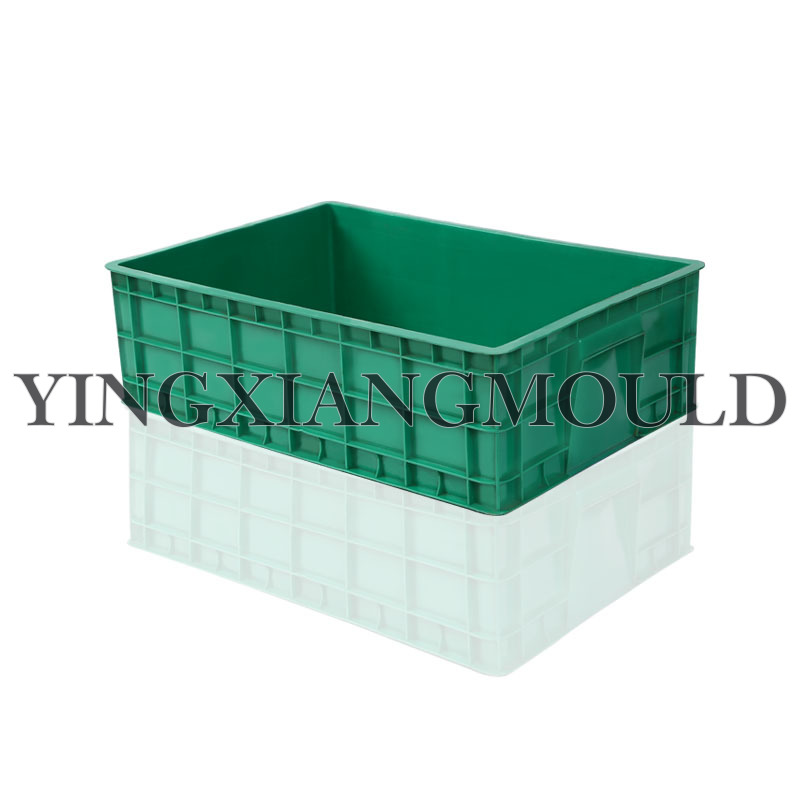
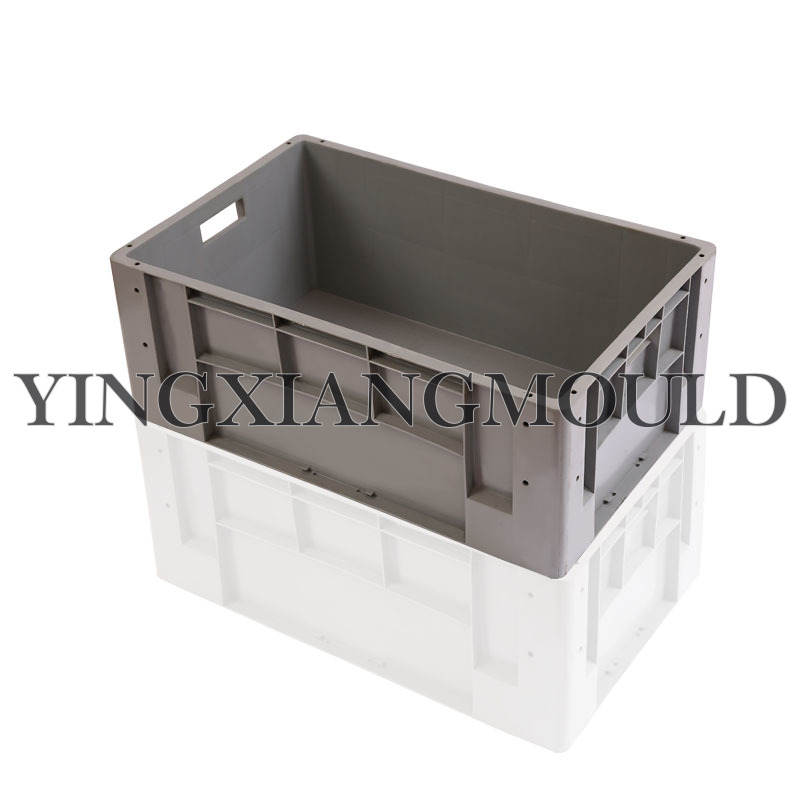
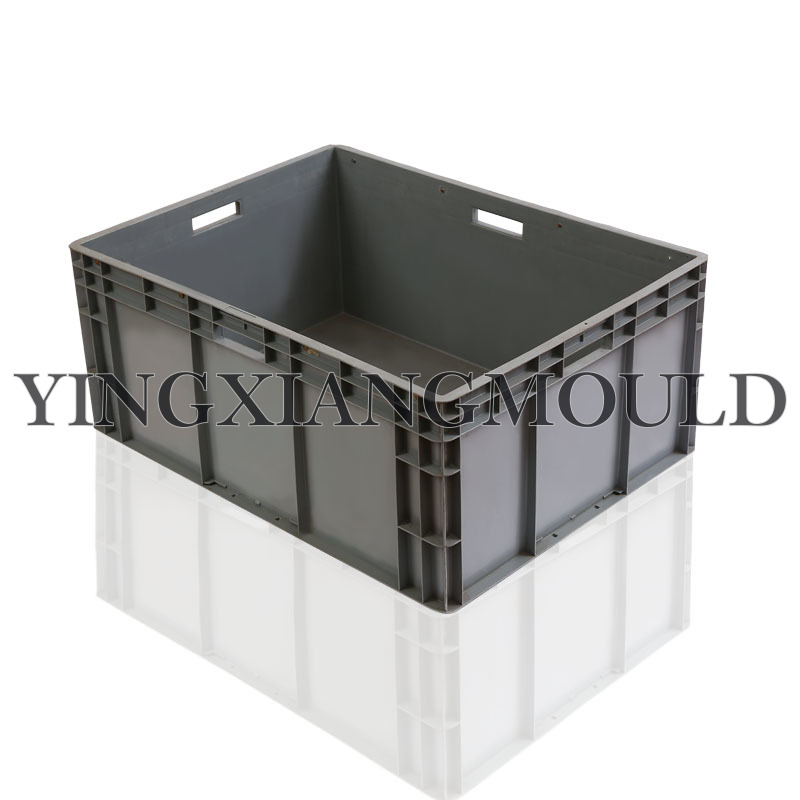
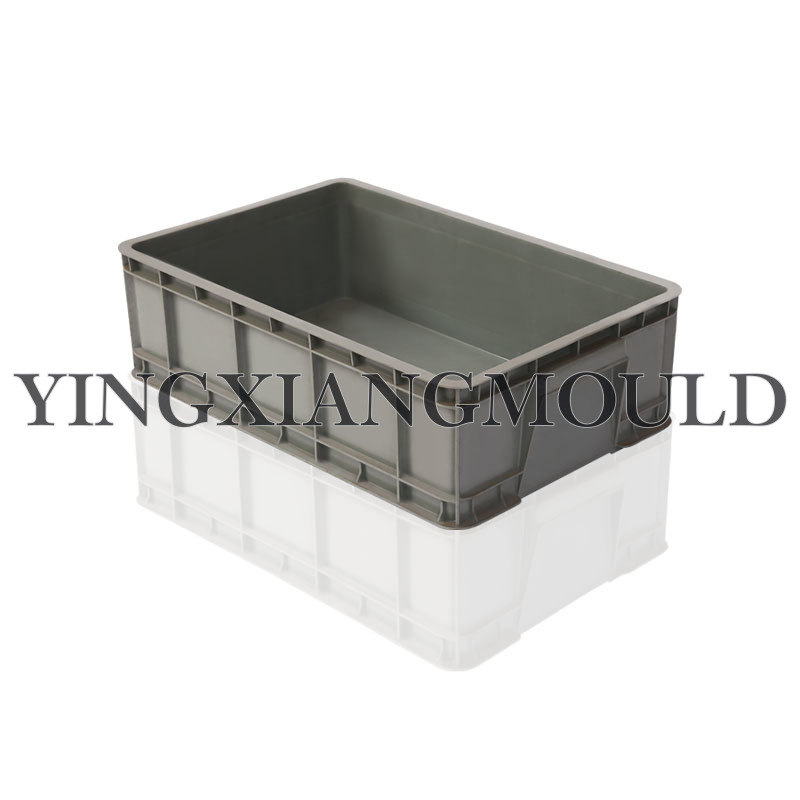
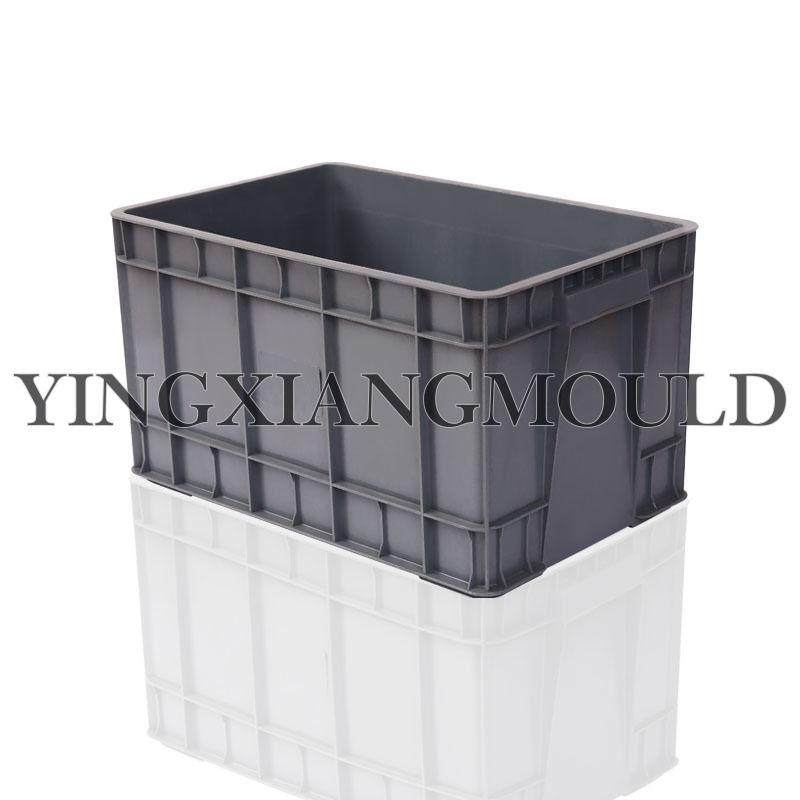
The square lidless waste bin is a practical household and commercial container designed for convenient everyday waste collection. With its open-top structure, clean geometric appearance, stable footprint, and easy-to-clean interior, this type of waste bin is suitable for homes, offices, hotels, schools, restaurants, workshops, retail spaces, and public facilities. Although the finished bin appears simple, reliable production depends on careful product engineering and a high-quality injection mould.
A waste bin must withstand repeated use, occasional impact, frequent handling, and exposure to cleaning agents. It must also retain its shape during storage, transportation, and long-term service. For manufacturers, these performance requirements create several technical challenges. The mould must deliver consistent wall thickness, accurate dimensions, a smooth appearance, efficient cooling, dependable ejection, and a production cycle that supports competitive unit costs.
The square lidless waste bin mould is developed to address these requirements through practical structural design and controlled manufacturing. Its square profile uses available floor space efficiently, while the lidless opening makes disposal fast and uncomplicated. A robust mould structure helps manufacturers produce containers with repeatable quality across large production volumes. Properly selected materials, balanced filling, optimized cooling, and precision machining all contribute to a mould that supports stable injection moulding operations.
This article examines the design characteristics of the square lidless waste bin, its advantages compared with other waste container formats, the manufacturing processes used to produce its mould, quality-control considerations, customization possibilities, and the reasons professional mould engineering is essential for long-term value.

Square Lidless Waste Bin
A square lidless waste bin is a rigid plastic container with four primary side panels, a bottom panel, an open upper rim, and a stable base. Unlike a covered waste container, it does not require a hinge, lid, pedal, locking mechanism, or additional moving components. This simplified configuration makes it suitable for locations where users need to dispose of waste quickly and where frequent opening and closing would be inconvenient.
The container can be produced in different sizes depending on its intended application. Smaller versions may be used beside desks, in bathrooms, bedrooms, or hotel rooms. Medium-sized versions are suitable for kitchens, classrooms, offices, and retail environments. Larger versions can be used in workshops, service areas, warehouses, and commercial facilities where greater capacity is required.
The square geometry offers a practical alternative to round, oval, or irregularly shaped bins. A square container can be positioned against a wall or placed beside furniture with less unused space. Multiple units can be arranged in a row with minimal gaps. This is particularly valuable in commercial environments where floor area is limited and cleaning staff need predictable storage positions.
The open-top structure provides immediate access. Users do not need to touch a lid or operate a foot pedal, which can simplify daily use. In areas with frequent disposal activity, such as office kitchens, production facilities, schools, or food-service preparation spaces, this simple design can reduce handling steps and improve workflow efficiency.
The square footprint allows the bin to sit neatly against walls, under counters, beside workstations, or next to cabinets. Compared with a round container of similar capacity, the square shape can make more efficient use of corners and straight-line spaces. This characteristic is valuable for interior designers, facility managers, and distributors who need to organize multiple bins in a compact area.
When several bins are used for waste separation, the square shape also supports orderly placement. Units for general waste, recyclables, paper, food waste, or production scraps can be arranged side by side. Clear labeling or color coding can be applied to the front and side surfaces without compromising the basic product structure.
The lidless design allows waste to be deposited directly into the container. There are no hinges to break, no pedals to maintain, and no lid surfaces that require frequent cleaning. This simplicity is especially useful in busy environments where users dispose of waste many times throughout the day.
A lidless bin can also be advantageous in locations where odor containment is not the primary requirement. For dry office waste, paper, packaging scraps, light workshop debris, and general non-liquid waste, a simple open design may provide the right balance between convenience and cost.
A well-designed square waste bin has a broad base that helps reduce the risk of tipping during ordinary use. The base can be reinforced with carefully positioned ribs or a structured bottom panel. These features improve rigidity without unnecessarily increasing material consumption.
The side walls may include slight draft angles to support mould release while maintaining a visually straight appearance. This balance between production requirements and product aesthetics is important. Excessive tapering can reduce usable capacity or create an unattractive profile, while insufficient draft can cause ejection problems and surface damage.
The interior of the bin should be smooth and free from unnecessary recesses. A clean internal surface helps prevent dust, liquid residue, and waste particles from accumulating in difficult-to-reach areas. Rounded internal transitions between the bottom and side walls can further support cleaning and reduce stress concentration.
Plastic construction also makes the bin resistant to moisture and common household cleaning routines. Depending on the selected resin, the finished product can offer suitable resistance to detergents, mild chemicals, and repeated wiping. The precise performance depends on material grade, wall thickness, temperature exposure, and the application environment.
The square lidless waste bin can be marketed to household, institutional, commercial, and industrial customers. Its appearance can be adjusted through color, texture, surface finish, and optional decorative elements. A neutral gray or white version may be appropriate for offices and healthcare-related environments, while bright colors can support waste separation in schools or public areas.
The same basic mould concept may be adapted for different sizes or related container products. This flexibility allows manufacturers and distributors to serve several customer segments without changing the fundamental product language.
Wall thickness is one of the most important factors in plastic container design. A wall that is too thin may flex excessively, deform during ejection, or fail under impact. A wall that is too thick can increase material consumption, extend cooling time, and create sink marks or internal stress.
Uniform wall thickness helps plastic flow more predictably and reduces differences in shrinkage. In a square container, the corners require particular attention because material can accumulate or cool differently in these areas. Proper transition design and consistent section thickness help reduce visible defects and dimensional variation.
Sharp internal corners are generally undesirable in injection-moulded products. They can create stress concentration, restrict resin flow, and complicate machining and polishing. Carefully designed radii improve both product strength and mould manufacturability.
The external corners may remain visually crisp while the internal corners use suitable radii. This approach provides a modern square appearance without introducing unnecessary weakness. Corner areas can also be supported by internal ribs where additional stiffness is needed.
The upper rim influences the perceived quality, strength, and handling comfort of the waste bin. A reinforced rim can prevent the opening from becoming distorted and can improve resistance to impact during daily use. It may also provide a suitable area for attaching a liner bag or optional accessories.
The rim should be designed with appropriate edge treatment. A smooth rounded edge is more comfortable to handle and less likely to damage plastic liners. It also creates a cleaner appearance and reduces the risk of sharp flash if the mould parting line is not properly controlled.
The bottom of the container must support the weight of the bin and its contents. A structured base can improve stiffness, reduce warpage, and protect the product from abrasion when it is moved across floors. Small feet or raised contact areas may be incorporated if drainage, cleaning, or floor protection is required.
Reinforcement must be balanced carefully. Excessively thick ribs can cause sink marks on the visible exterior. Ribs that are too thin may not provide meaningful structural support. The mould designer therefore considers rib height, thickness, orientation, connection points, and local cooling conditions during development.
Draft angles allow the moulded product to separate from the core and cavity surfaces. They are essential for avoiding scratches, drag marks, deformation, and difficult ejection. The required angle depends on the surface texture, resin type, part depth, and product geometry.
For a deep square container, ejection must be designed with special care. The product may grip the core because of shrinkage, especially around corners and textured surfaces. A balanced ejector arrangement, suitable core design, and controlled mould release strategy help maintain production stability.
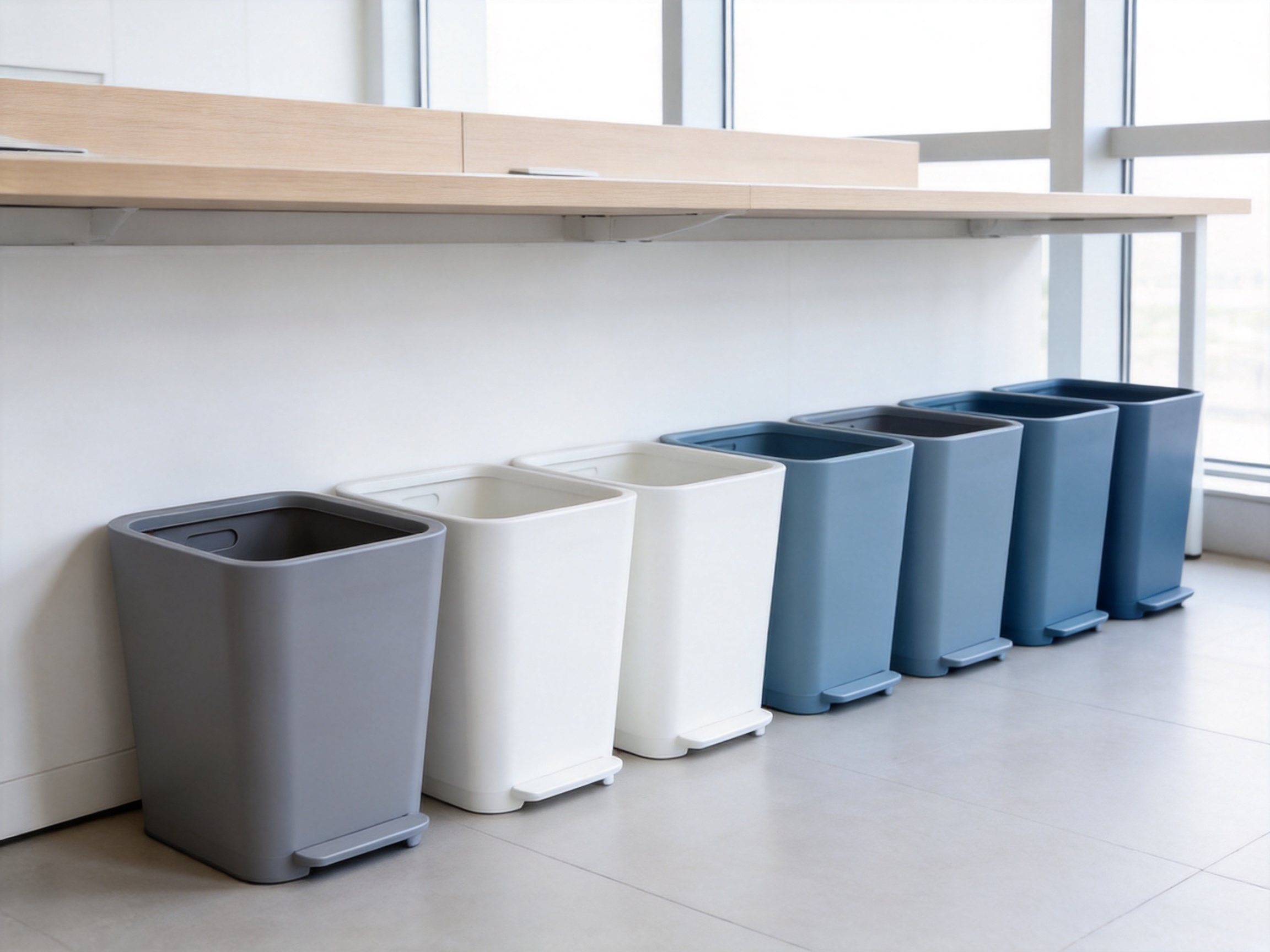
Round bins provide smooth surfaces and can be easy to rotate, but they often leave unused triangular spaces when placed against walls or beside furniture. The square lidless waste bin makes more efficient use of rectangular floor plans and supports closer side-by-side placement.
A square exterior also offers broad, stable surfaces for labels, logos, recycling symbols, instructions, and color identification. These flat panels can be useful for businesses that need clear visual communication or product customization.
Lidded bins can help contain odors and conceal waste, but their moving parts introduce additional manufacturing, maintenance, and failure risks. Hinges can loosen, pedals can break, and lids can become dirty through repeated contact. The lidless model eliminates these components and can therefore offer simpler operation and lower product complexity.
For applications involving dry waste or high disposal frequency, the open format may be more convenient. It can also reduce mould investment because the product does not require a separate lid mould, hinge system, or pedal assembly.
Metal bins may offer high impact resistance, but they can be heavier, more vulnerable to corrosion, and more expensive to manufacture in certain volume ranges. Plastic injection moulding supports repeatable production of lightweight containers with integrated details and consistent surface appearance.
Plastic products are also easier to handle during transport and daily cleaning. When the correct resin is selected, the container can provide an effective combination of strength, chemical resistance, low weight, and cost efficiency.
Low-quality plastic bins may show uneven walls, weak rims, rough parting lines, poor dimensional consistency, or unstable bases. These issues can reduce customer confidence and increase return rates. A professionally engineered mould supports a more consistent finished product, especially when the mould is manufactured with accurate machining, controlled assembly, and proper testing.
Mould quality also influences production continuity. A mould that releases products smoothly and cools efficiently can reduce machine stoppages, manual intervention, and scrap. Over a long production run, these improvements may be more valuable than a low initial mould price.
The mould for a square lidless waste bin must combine structural reliability with efficient production. Because the product is relatively deep and has a hollow interior, the mould typically includes a cavity that forms the exterior and a core that forms the internal surface. The relationship between the core and cavity determines wall thickness, draft, parting-line quality, and ejection performance.
Before steel cutting begins, engineers review the product model and evaluate filling behavior, shrinkage, cooling, ejection, and potential deformation. Computer-aided design and analysis tools can help identify weak areas and optimize the mould layout. This early engineering stage reduces the risk of expensive modifications after machining.
The parting line should be positioned where it can be hidden or visually minimized. For a square bin, the parting line may follow the upper rim or a carefully selected perimeter location. Its placement affects flash visibility, mould construction, ejection, and the ease of trimming or finishing.
A well-planned parting line simplifies mould assembly and helps ensure that the finished container has a clean appearance. It also reduces the risk of mismatched surfaces at the product corners.
The gate introduces molten plastic into the mould cavity. Its type and position influence filling balance, weld lines, pressure requirements, cycle time, and surface quality. For a container with four broad sides and a bottom panel, the gating strategy must encourage even filling and minimize visible flow marks.
The appropriate solution depends on the product size, selected material, machine capacity, expected production volume, and appearance requirements. Engineers may evaluate different gate positions through mould-flow analysis before finalizing the design.
Cooling is a major factor in injection moulding productivity. After the cavity is filled and packed, the plastic must cool sufficiently before ejection. Poor cooling may create warpage, extended cycle times, dimensional instability, and uneven shrinkage.
Cooling channels should be positioned as close as practical to the moulding surfaces while preserving steel strength and avoiding leakage risks. Corners, thick sections, the base, and the rim may require special attention. A balanced cooling layout helps the square bin maintain its shape and reduces differences between opposite sides.
The ejection system removes the cooled container from the core. For a deep open container, the system must distribute force evenly. Concentrated ejection pressure can create marks, dents, deformation, or stress around the bottom.
Ejector pins, sleeves, stripper plates, or combined solutions may be considered depending on the product geometry. Ejection locations should be placed in areas where marks are acceptable or can be hidden. The system must also allow for easy maintenance and reliable replacement of wear components.
Manufacturing begins with a detailed review of the product design. Engineers examine the three-dimensional model, confirm critical dimensions, check draft angles, identify undercuts, review wall thickness, and assess the proposed parting line. Design-for-manufacturing analysis helps ensure that the product can be moulded efficiently before tool construction starts.
Potential issues such as air entrapment, weld lines, sink marks, uneven shrinkage, and difficult release are considered in advance. If a design adjustment can improve quality or reduce mould complexity, it is discussed before machining. This collaborative approach is especially important for customized projects.
Integrated CAD, computer-aided engineering, and computer-aided manufacturing systems support accuracy from design through production. CAD systems define the mould structure and component relationships. CAE tools can simulate resin flow, pressure, cooling, and deformation. CAM systems convert approved designs into machining instructions for high-precision equipment.
The use of connected digital processes helps reduce manual interpretation errors. It also allows engineers to maintain design records, review revisions, and produce mould components with greater repeatability.
Mould steel must be selected according to production volume, resin characteristics, surface requirements, expected service life, and budget. Common considerations include hardness, wear resistance, corrosion resistance, polishability, machinability, and thermal conductivity.
High-quality steel and correctly treated mould components can maintain dimensional accuracy over extended production. The selection may vary between the cavity, core, inserts, sliders, wear plates, ejector components, and mould base. The goal is not simply to choose the hardest material, but to use suitable materials in the areas where their properties create the greatest value.
CNC machining produces the cavity, core, inserts, and other mould components according to the approved digital design. Accurate machining is essential for maintaining wall thickness, corner geometry, surface alignment, and dimensional consistency.
Deep cavity and core surfaces require stable machining strategies. Tool selection, cutting parameters, clamping, vibration control, and machining sequence all affect final accuracy. Rough machining removes most of the material, while semi-finishing and finishing operations establish the final geometry and surface quality.
Electrical discharge machining can be used for detailed areas, narrow slots, sharp transitions, or geometries that are difficult to produce through conventional cutting. It is especially useful when mould components contain fine features or hardened steel sections.
After EDM, surfaces may require polishing or additional finishing depending on the desired product appearance. Proper control of EDM parameters helps minimize unwanted surface texture and ensures that the finished mould can be prepared efficiently.
Grinding supports the accuracy of mating surfaces, parting faces, inserts, and wear components. Polishing can produce a smooth cavity finish or prepare the mould for a controlled texture. A polished surface may support easier release and a clean product appearance, while a textured surface may improve visual appeal and reduce the visibility of minor handling marks.
Surface treatments may be applied to selected components to improve wear resistance, corrosion resistance, or release performance. The correct treatment depends on the material being processed and the expected production conditions.
After individual components are machined and inspected, the mould is assembled and fitted. Technicians check alignment, movement, clearances, cooling connections, ejector travel, and the contact between core and cavity components.
Manual fitting remains important even when the mould has been produced with advanced equipment. Skilled technicians can identify small alignment issues, adjust contact areas, verify smooth movement, and ensure that the mould operates reliably before it reaches the customer.
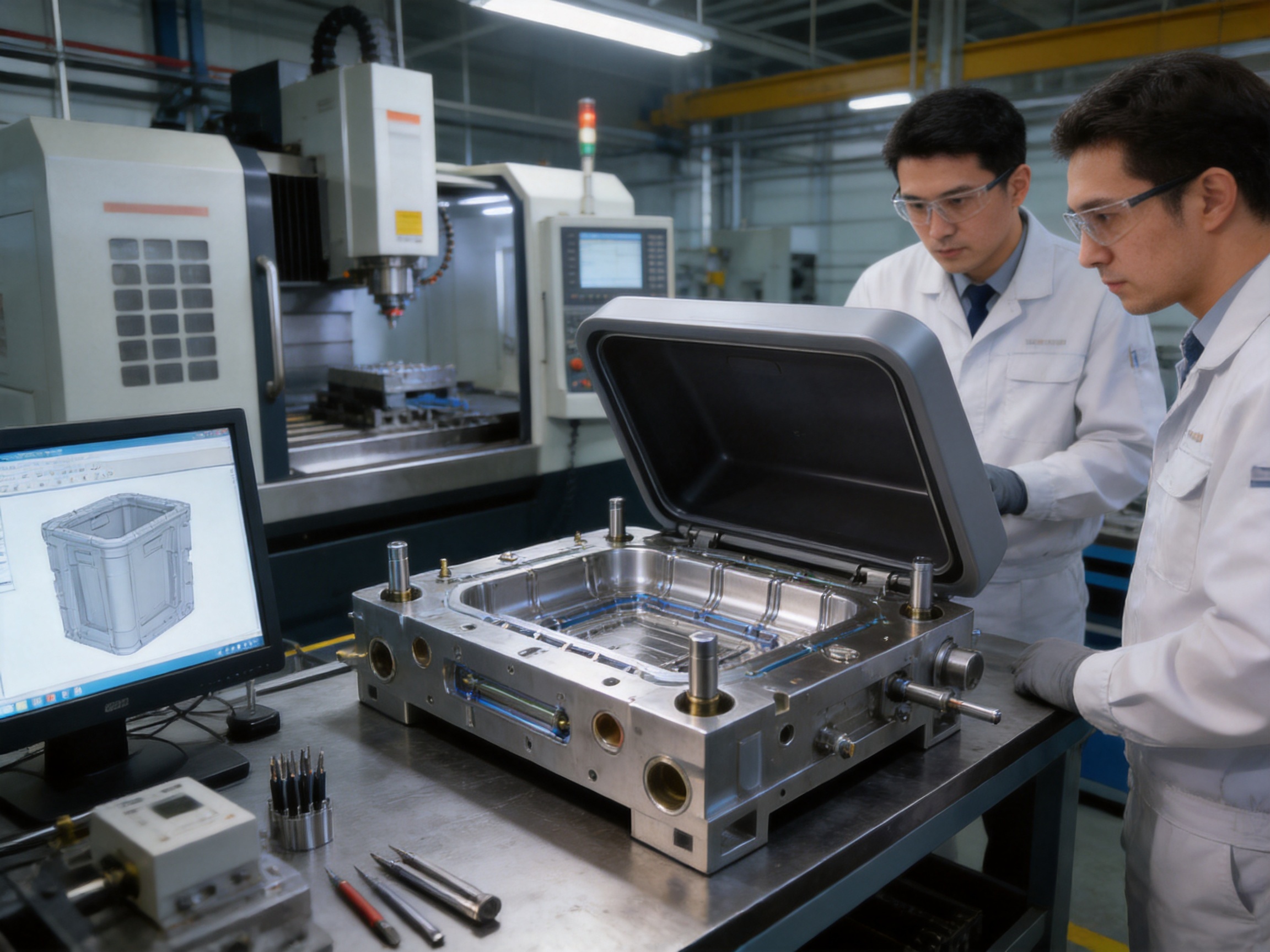
Quality control should continue throughout the project rather than being limited to the final inspection. Incoming steel and purchased components are checked against specifications. Machined parts are measured during production. Assembly accuracy is reviewed before the mould is placed on an injection machine.
Trial moulding validates the complete system. During a trial, technicians observe filling, packing, cooling, ejection, cycle time, surface appearance, flash, warpage, and dimensional stability. Samples are inspected and compared with the approved product requirements.
Important dimensions may include overall height, width, length, rim opening, base dimensions, wall thickness, corner positions, and internal capacity. Dimensional checks help determine whether the mould produces a product that matches the approved design.
For a square bin, diagonal measurements can be useful for evaluating squareness. Differences between diagonals may indicate distortion or uneven shrinkage. Inspection of the rim is also important because an out-of-square opening may affect stacking, liner fitting, or visual quality.
Inspectors examine the product for sink marks, weld lines, burn marks, flow marks, scratches, ejector marks, flash, and texture irregularities. Some minor marks may be acceptable in utility products, but the acceptance criteria should be defined before production.
A consistent surface is particularly important for products sold in retail channels. Consumers often judge a simple household item by its cleanliness, symmetry, and visible finishing quality.
Functional tests may include stability checks, handling evaluation, liner fitting, stacking or nesting tests, impact assessment, and repeated cleaning trials. The exact testing program depends on the intended application and customer requirements.
If the bin is designed for commercial or industrial use, additional tests may evaluate load-bearing behavior and resistance to repeated movement. These tests provide useful information about the relationship between product geometry, material selection, and mould quality.
| Evaluation Area | Why It Matters | Typical Quality Objective |
|---|---|---|
| Dimensional accuracy | Ensures consistent capacity, appearance, and compatibility with accessories | Stable dimensions within approved tolerances |
| Wall thickness | Supports strength and reduces warpage or sink marks | Balanced and repeatable section thickness |
| Rim quality | Improves handling, liner attachment, and visual appearance | Smooth, even, and structurally sound opening |
| Base stability | Reduces tipping and improves floor contact | Flat, rigid, and consistently formed base |
| Surface finish | Influences customer perception and cleaning performance | Uniform finish without unacceptable defects |
| Ejection performance | Protects the product and supports continuous production | Clean release without distortion or damage |
| Cycle efficiency | Affects output and manufacturing cost | Stable cycle with effective cooling and minimal intervention |
The choice of plastic resin affects the strength, appearance, flexibility, chemical resistance, impact behavior, and cost of the waste bin. Polypropylene is often considered for lightweight containers because of its balance of toughness, chemical resistance, and processing performance. High-density polyethylene may be selected where impact resistance and flexibility are important.
Other materials may be considered when the product requires a particular stiffness, surface finish, temperature range, or regulatory profile. The final selection should reflect the expected environment rather than relying only on general material popularity.
Colorants and additives must be compatible with the chosen resin and production conditions. Recycled content may be considered where the application and customer requirements permit it. However, recycled material can vary in quality and may influence color, odor, impact strength, shrinkage, or processing stability. Material specifications should therefore be agreed before mass production.
For products used in food-related or sensitive environments, the resin and additives should meet the applicable requirements for that market. A waste bin is not automatically a food-contact product, but it may be placed near food preparation areas, making cleaning performance and chemical resistance important considerations.
Different customers may require different capacities. A manufacturer can develop related models with adjusted height, width, depth, or wall thickness. The design should maintain suitable proportions so that larger models do not become unstable and smaller models do not appear excessively heavy.
Color is a practical customization tool. Black, gray, white, blue, green, yellow, and other colors can support product differentiation or waste-sorting systems. A matte texture may create a modern appearance and reduce the visibility of fingerprints, while a smoother finish may be easier to wipe clean.
Brand names, recycling symbols, capacity information, usage instructions, and warning messages can be added through mould engraving, in-mould features, labels, or post-mould printing. The best method depends on the required durability, production volume, and visual result.
Some customers require empty bins to nest together during transport and storage. Nesting can reduce packaging volume and shipping costs. However, nesting clearance must be carefully designed so that the products do not become locked together or difficult to separate.
Other customers may prefer stackable units with a flat top support area. A lidless bin can be adapted for limited stacking when empty, but the design must prevent instability and avoid damage to the rim.
Although the standard model is lidless, optional accessories may include liner-retaining rings, handles, clips, labels, or internal bag supports. These additions should be evaluated for their effect on mould structure, assembly, cleaning, and production cost.
A mould is a long-term production asset. Its value is determined not only by the initial purchase price but also by output, reliability, maintenance requirements, product consistency, and service life. A mould that runs smoothly can help reduce scrap, labor intervention, machine downtime, and unexpected repair costs.
The square lidless waste bin is well suited to high-volume injection moulding because its design can be produced repeatedly once the moulding parameters are stabilized. The absence of a lid and complex moving accessories can simplify assembly and reduce the number of separate components. This helps manufacturers control total production cost and shorten the path from moulding to packaging.
Efficient cooling is particularly important for a deep container. Every unnecessary second in the cycle can reduce output over a large production run. At the same time, reducing cooling time too aggressively may cause deformation or poor dimensional stability. The correct balance is achieved through mould design, machine settings, material control, and trial validation.
Consistent mould quality also supports automation. Stable ejection and repeatable product dimensions make it easier to use conveyors, robotic removal, counting systems, and automated packaging. These improvements may be especially valuable for factories supplying large retail or institutional orders.
Regular maintenance helps preserve mould accuracy and reduce unplanned downtime. Maintenance activities may include cleaning the cavity and core, checking ejector movement, lubricating appropriate components, inspecting cooling channels, tightening fasteners, and examining the parting line for wear or flash.
Water quality should be considered because mineral deposits can reduce cooling efficiency and restrict channels. Cooling connections should be checked for leakage, while hoses and seals should be replaced when necessary. A clean and balanced cooling system supports stable cycle times.
Wear components such as guide pins, bushings, ejector pins, return pins, slides, and locking surfaces should be inspected according to production volume. Replacement parts should be manufactured or purchased to the correct specifications so that repairs do not introduce alignment problems.
Production records are useful for identifying trends. If flash gradually increases, ejection becomes less smooth, or cycle time rises, the mould may require cleaning, fitting, or component replacement. Early intervention is generally less expensive than waiting for a major failure.
A professional mould manufacturer contributes more than machining capacity. It provides design review, process planning, engineering judgment, material knowledge, trial-moulding experience, inspection procedures, and after-sales support. These capabilities help convert a product concept into a dependable production tool.
For the square lidless waste bin, experience with household products, storage containers, logistics crates, pallets, chairs, baskets, and other injection-moulded products can be valuable. These product categories share many technical issues, including warpage control, balanced filling, durable mould structures, surface finishing, and high-volume production requirements.
A manufacturer with an established production facility and experienced technicians can coordinate design, machining, fitting, testing, and modification in one workflow. This can reduce communication delays and make it easier to respond when trial results require adjustment.
Advanced CAD, CAE, and CAM systems support digital accuracy, while high-quality machining and skilled manual fitting ensure that the physical mould matches the intended design. The strongest results come from combining technology with practical production knowledge.
TaiZhou HuangYan YingXiang Plastic Mould Co., Ltd. is located in Huangyan, Taizhou, Zhejiang, China, a region widely recognized for its mould manufacturing industry. Established in 2012, the company operates from a plant covering approximately 7,000 square meters and has a team of around 50 employees.
The company focuses on customized plastic injection mould solutions for household and industrial products. Its product experience includes crate and folding box moulds, tray and pallet moulds, beverage box moulds, storage box moulds, and moulds for daily-use products. This background is relevant to the development of a square lidless waste bin mould because the product requires many of the same capabilities used for other large or medium-sized plastic containers.
Yingxiang uses CAD, CAE, and CAM systems together with high-technology production equipment. These resources support mould design, flow evaluation, machining, component production, and manufacturing control. Experienced technicians contribute to assembly, fitting, trial moulding, inspection, and final adjustment.
The company emphasizes lean manufacturing, long-life mould construction, on-time delivery, premium quality, competitive costs, and comprehensive customer service. For buyers seeking a customized square waste bin mould, these strengths can support a more organized project from initial design review to final production validation.
Customization is especially important because waste bin buyers may require different sizes, colors, capacities, surface textures, packaging methods, or regional specifications. A mould partner capable of reviewing these requirements before production can help prevent avoidable design changes and improve the commercial potential of the finished product.
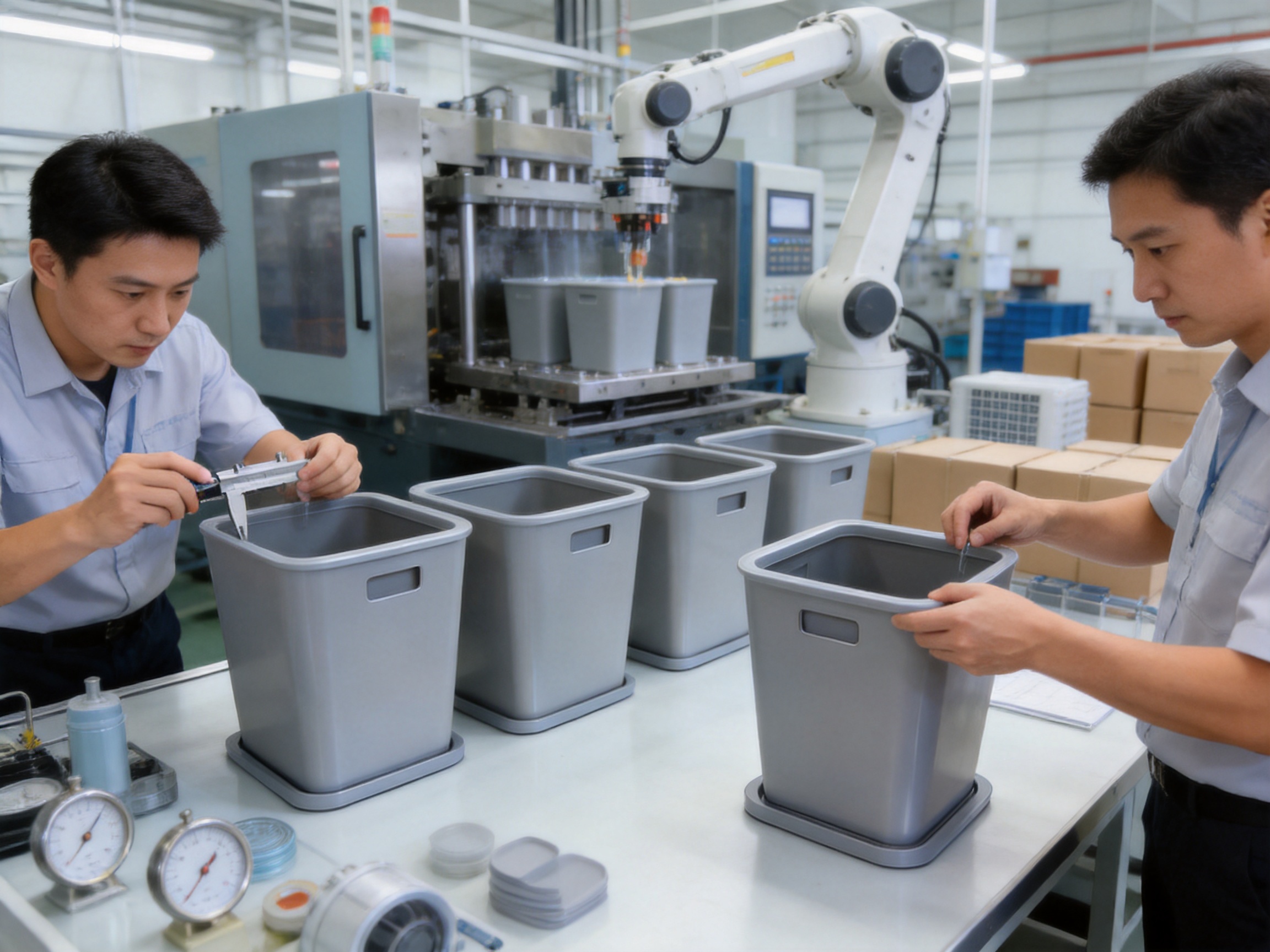
The project begins with confirmation of the product application, target capacity, dimensions, material, appearance, annual output, injection machine information, and expected mould life. Customers should also specify whether the product must nest, stack, support a liner, carry a label, or meet particular market requirements.
Engineers review the product drawings or three-dimensional model. If the customer does not yet have a final design, the mould manufacturer may provide recommendations regarding draft, wall thickness, corners, ribs, rim structure, and ejection.
The mould proposal normally considers the mould structure, cavity quantity, steel selection, gating system, cooling arrangement, ejection method, estimated cycle, and production schedule. A clear proposal helps the customer understand how technical decisions influence cost and performance.
After the mould layout and product details are agreed, the design is approved for machining. Design changes at this stage are generally easier and less expensive than changes after steel cutting or trial moulding.
Machining, grinding, EDM, polishing, fitting, and assembly are completed according to the approved design. Quality checks are performed during production to confirm that components remain within specification.
The mould is tested on an injection machine using the intended or representative resin. Samples are evaluated for dimensions, appearance, function, and release performance. If adjustments are required, the mould is corrected and tested again.
Once the samples meet the approved requirements, the mould is prepared for delivery. Documentation may include mould specifications, maintenance recommendations, trial records, spare-part information, and sample products.
The main benefit is the combination of convenient access and efficient space utilization. The open top allows users to dispose of waste quickly, while the square footprint fits neatly against walls and beside other containers.
Yes. It can be suitable for offices, schools, restaurants, workshops, warehouses, hotels, and retail spaces, especially where waste is mostly dry and frequent access is more important than odor containment.
The product must still maintain consistent wall thickness, accurate dimensions, a stable base, a clean rim, smooth ejection, and acceptable surface quality. Poor mould design can result in warpage, flash, sink marks, scratches, uneven walls, and high production costs.
Polypropylene and high-density polyethylene are common options for durable plastic containers, but the best material depends on impact requirements, chemical exposure, stiffness, flexibility, temperature, appearance, and cost. The material should be confirmed before mould construction.
Yes. Possible customizations include dimensions, capacity, wall thickness, color, texture, logo marking, recycling symbols, liner-retaining features, nesting clearance, handles, and packaging requirements.
Warpage can be controlled through balanced wall thickness, suitable draft, effective cooling, proper gate placement, controlled packing, appropriate resin selection, and stable processing conditions. Mould-flow analysis and trial moulding can help identify risks before mass production.
Buyers should evaluate design capability, experience with similar products, machining equipment, steel selection, quality-control procedures, trial-moulding ability, delivery planning, spare-part support, and communication throughout the project.
A high-quality mould may require a higher initial investment, but it can reduce scrap, downtime, maintenance, manual adjustment, and inconsistent product quality. Over a long production run, stable mould performance can provide lower total operating cost.
A mould is normally designed for a specific product size, but related sizes may be developed through separate moulds or selected interchangeable inserts, depending on the design. This possibility should be considered during the initial engineering stage.
Routine maintenance includes cleaning mould surfaces, checking the parting line, lubricating suitable moving components, inspecting ejector parts, maintaining cooling channels, checking guide systems, and replacing worn components before they affect product quality.
Not necessarily. The best shape depends on the application. A square design is particularly advantageous where floor-space efficiency, close placement, labeling, and orderly waste separation are important. A round shape may be preferred where rotation, soft visual styling, or specific cleaning requirements are priorities.
Useful information includes product drawings or samples, target dimensions, resin type, color, annual quantity, expected mould life, injection machine details, surface finish, packaging requirements, and any required testing or certification.
The square lidless waste bin is a practical product that combines direct access, efficient floor-space use, stable construction, easy cleaning, and broad application potential. Its simple appearance does not eliminate the need for advanced engineering. Consistent quality depends on product design, mould structure, material selection, cooling balance, ejection performance, machining precision, and careful trial validation.
Compared with round, lidded, metal, or low-quality plastic alternatives, the square lidless format can provide meaningful advantages in convenience, layout efficiency, component simplicity, and production economy. These advantages become stronger when the mould is engineered for reliable filling, controlled shrinkage, smooth release, and long service life.
TaiZhou HuangYan YingXiang Plastic Mould Co., Ltd. brings experience in household and industrial plastic moulds, including crates, folding boxes, pallets, trays, beverage boxes, storage containers, and other daily-use products. With a 7,000-square-meter facility, experienced technicians, CAD, CAE, and CAM systems, and a focus on customized solutions, the company is equipped to support the development of a precision square lidless waste bin mould.
For customers seeking dependable production, the most important objective is not simply to obtain a mould, but to establish a stable manufacturing system. A well-designed and professionally built mould helps produce consistent bins, control production costs, support customization, and maintain performance over a long service life.
1. Injection Molding Handbook, general principles of thermoplastic injection moulding, mould design, processing, and quality control.
2. Plastics Engineering Fundamentals, guidance on polymer selection, shrinkage, warpage, cooling, and material behavior.
3. Design for Injection Molding, principles of draft angles, wall thickness, ribs, corners, gates, and ejection systems.
4. Mold Engineering and Manufacturing Practice, methods for mould layout, steel selection, machining, fitting, inspection, and maintenance.
5. International quality-management practices for plastic product manufacturing, process control, inspection, traceability, and continuous improvement.
If you are interested in any of our products or services, please feel free to ask and we can talk about your ideas.
 QUICK LINKSMOBILE SITE
 FACTORY ADDRESS
 CONTACT INFORMATION



 English
 Español