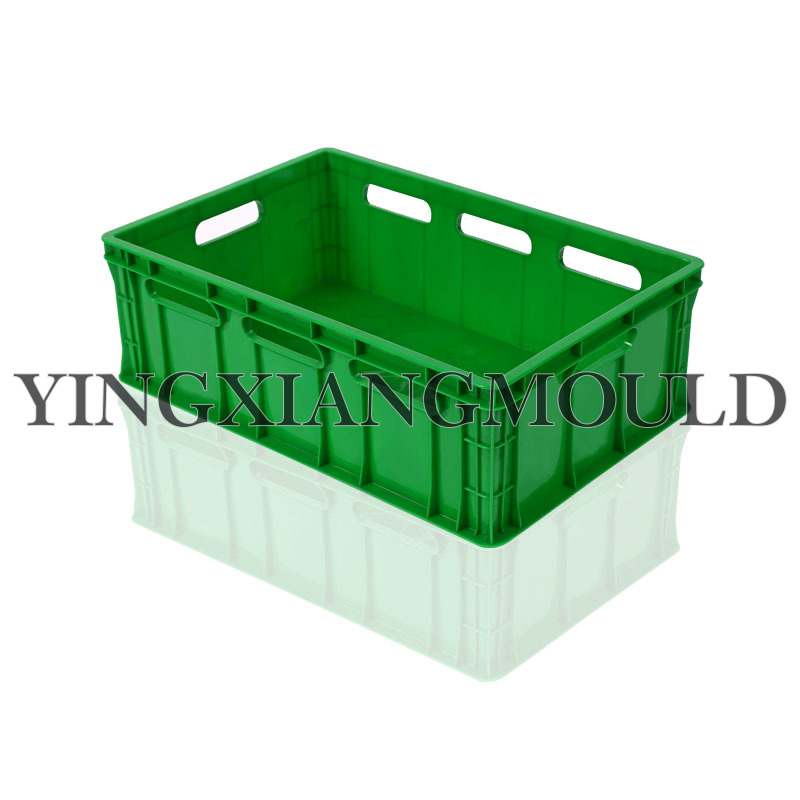
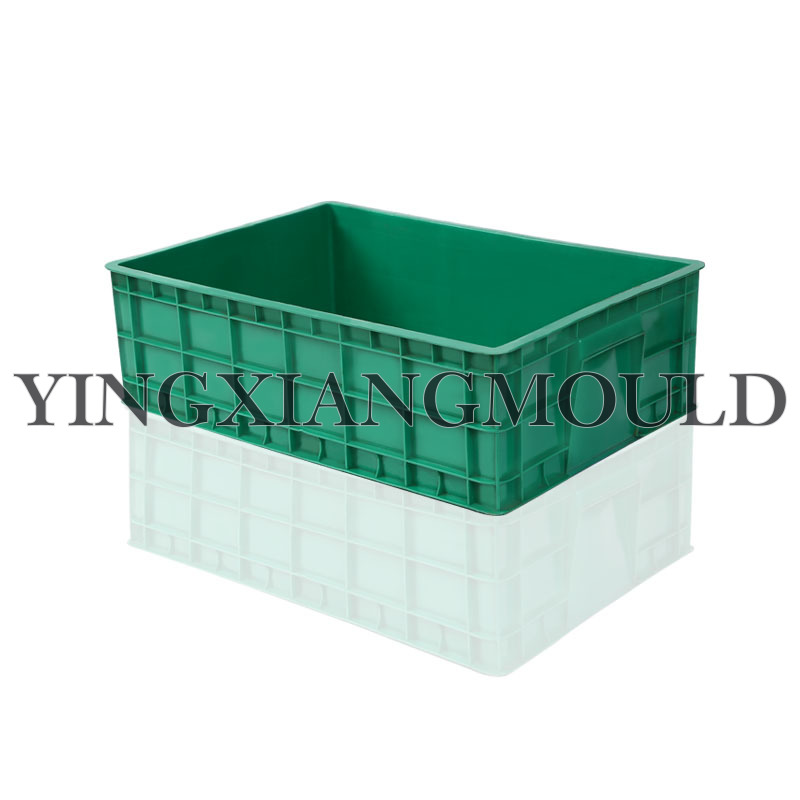
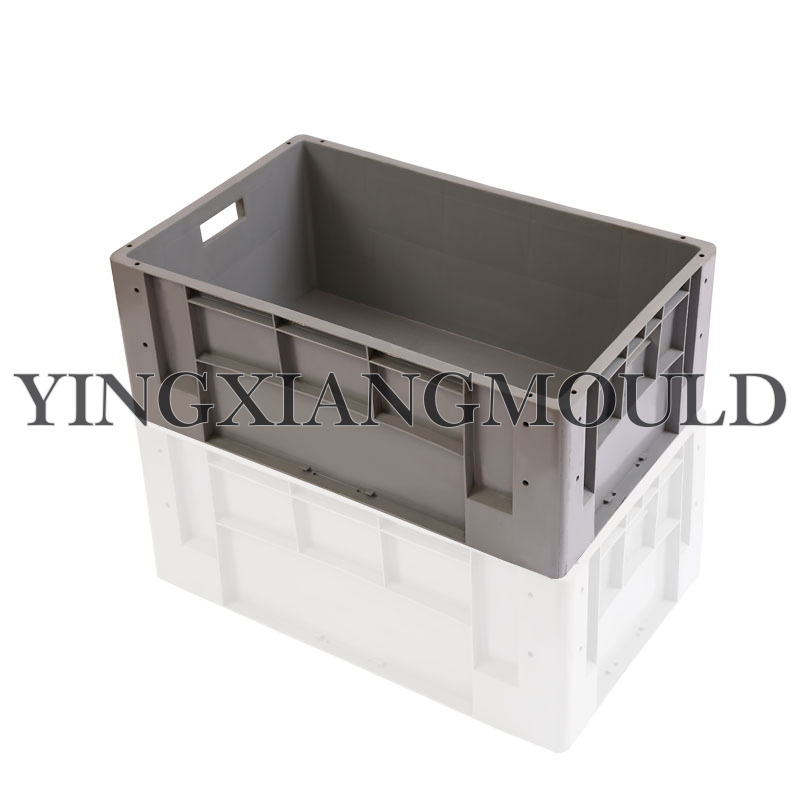
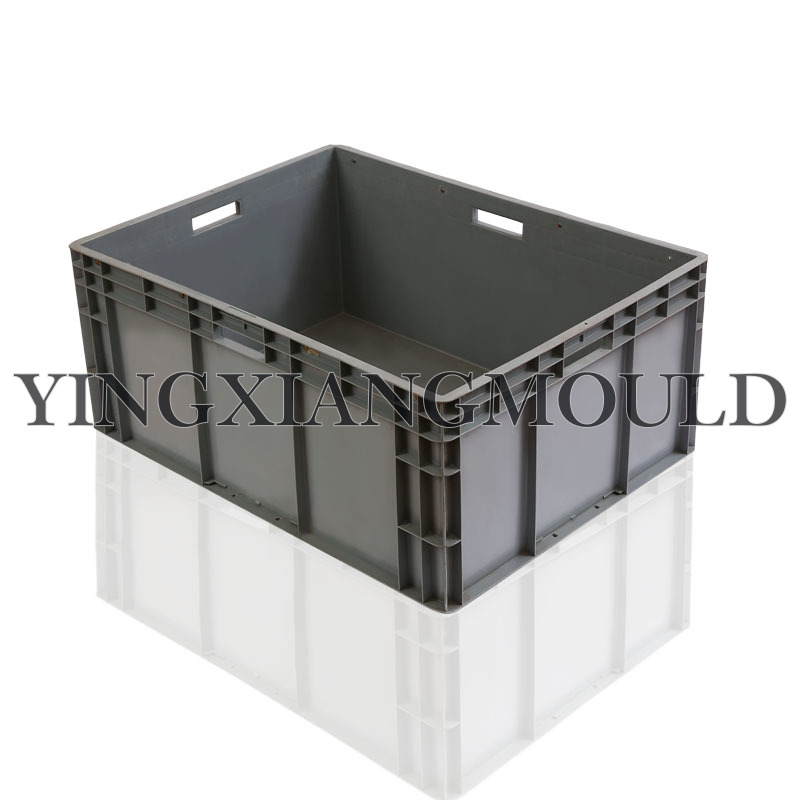
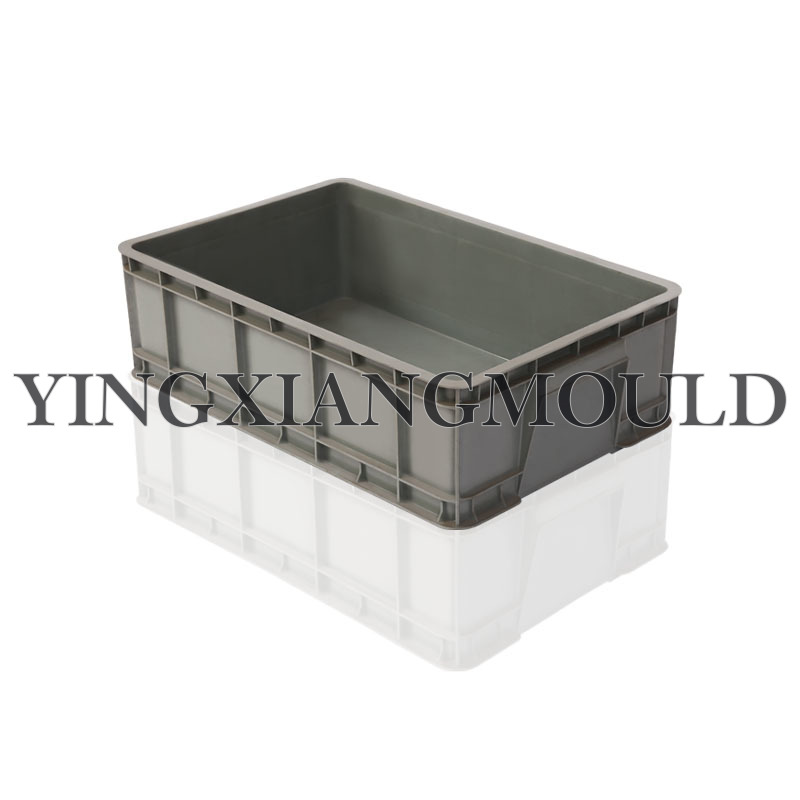
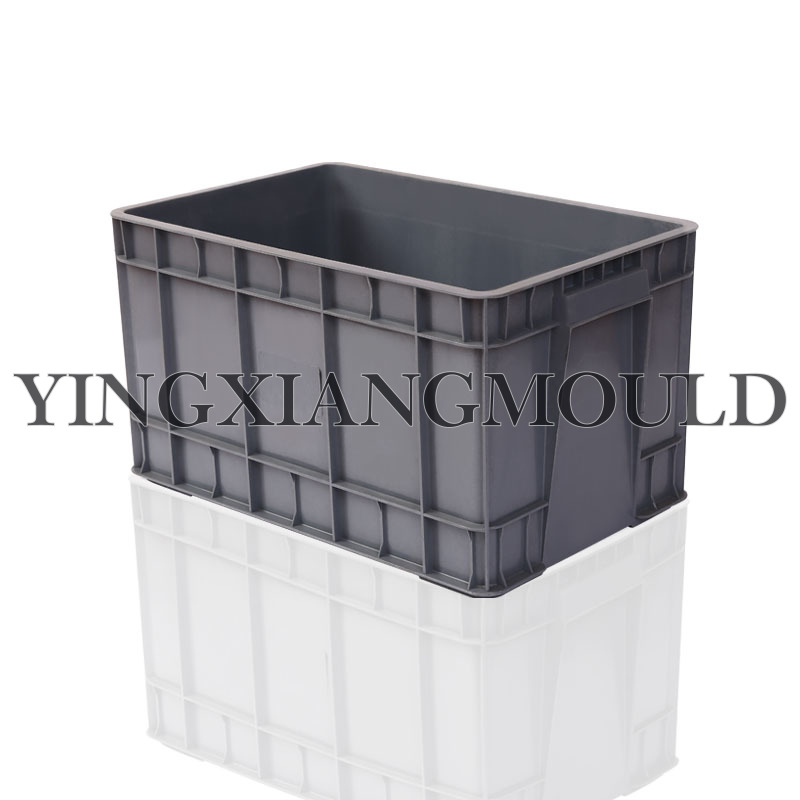
Scaling a mold design up from a small container to a large water box is not simply a matter of making everything bigger in proportion. An ODM big plastic water box mould runs into structural and flow problems that barely register on a small part — problems that only become visible once the cavity grows large enough for gravity, cooling time, and mold weight to start working against the design rather than with it. Buyers assuming their small-container supplier can scale up directly are often the ones who discover this gap the hard way, mid-project.
A large water box typically needs internal ribs, mounting bosses, or outlet fittings positioned around its base and sidewalls, and these features often create undercuts too deep for a simple straight-pull core to release cleanly. An ODM big plastic water box mould generally requires slide or lifter mechanisms sized for the added weight and travel distance involved in a large cavity, since a slide mechanism built for a small part's proportions does not scale up reliably just by making its dimensions larger. Slide wear and alignment become more sensitive to tolerance stacking as the mechanism itself grows in size.
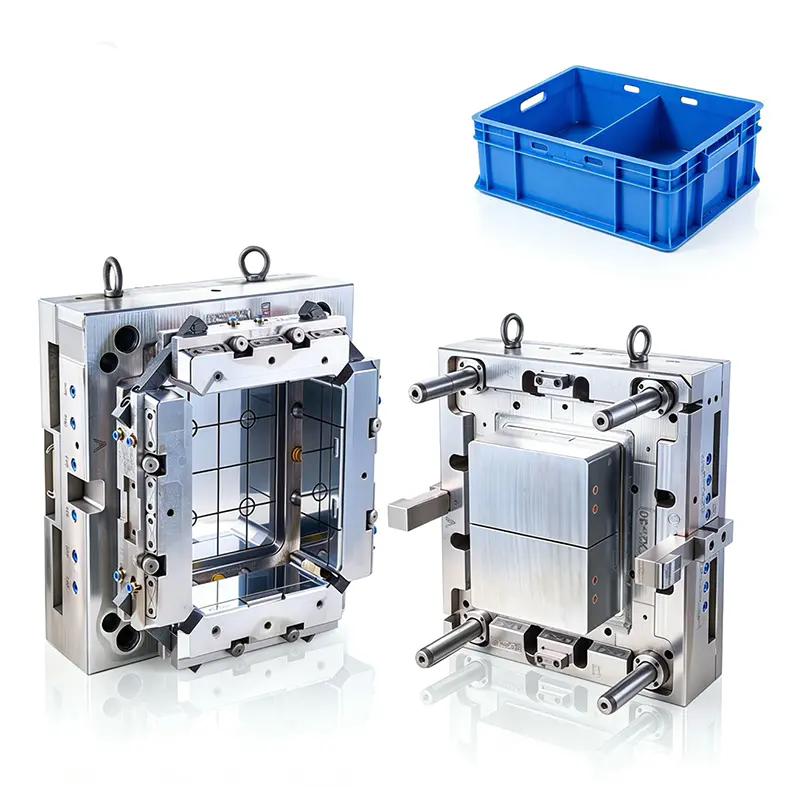
Large, relatively flat panels — the sides and base of a water box — are more prone to uneven cooling and sink marks than the compact geometry of a smaller container, since molten plastic has farther to travel from the gate before it fills the far corners of the cavity. An ODM big plastic water box mould depends on flow simulation and careful gate placement to keep wall thickness even across that distance, because a wall that thins out toward the edges of a large panel creates a weak point that a smaller product's shorter flow path would never expose.
Because a water box has to hold its contents without seeping at any seam, the parting line and any weld lines formed where two plastic flow fronts meet become structural concerns rather than purely cosmetic ones. An ODM big plastic water box mould is generally designed so weld lines fall away from high-stress areas like corners and outlet fittings, and the parting line itself needs tight, consistent flatness across its full length to avoid a gap that could seep under water pressure once the finished box is in use.
Mold steel selection affects how a large water box mold performs over repeated cycles. Pre-hardened steels suit lower to moderate production volumes of non-corrosive plastics, while hot work die steels hold up better under the added thermal cycling that a larger mold experiences due to its longer cooling time per shot. An ODM big plastic water box mould built for high-volume output generally uses cooling channels laid out specifically for its larger surface area, since a channel spacing that works on a small mold cannot pull heat evenly across a much wider cavity.
A larger cavity projects a proportionally larger area against the mold, which raises the clamping force needed to keep the mold shut against injection pressure without flashing at the parting line. An ODM big plastic water box mould has to be matched to a press with tonnage sized for its full projected area, and ODM manufacturers generally confirm this press compatibility during design review rather than after the mold is already cut, since a mismatch discovered late can mean reworking tooling that was otherwise finished correctly.
For buyers and product developers sourcing this category, useful comparison points include the mold steel grade relative to expected production volume, documented flow simulation results for wall thickness consistency, weld line placement relative to structural stress points, and press tonnage compatibility confirmed before tooling begins. Suppliers who have only produced small containers can sometimes underestimate several of these factors when quoting an ODM big plastic water box mould , which is why a design review confirming these points ahead of steel-cutting is worth requesting explicitly. TaiZhou HuangYan YingXiang Plastic Mould Co., Ltd., based in Huangyan, Taizhou, Zhejiang, works across small, medium, and large injection mold projects on an ODM basis, applying the same cavity flow and cooling design principles used across its household and storage product lines to larger custom tooling projects such as water box molds.
If you are interested in any of our products or services, please feel free to ask and we can talk about your ideas.
 QUICK LINKSMOBILE SITE
 FACTORY ADDRESS
 CONTACT INFORMATION


 English
 Español