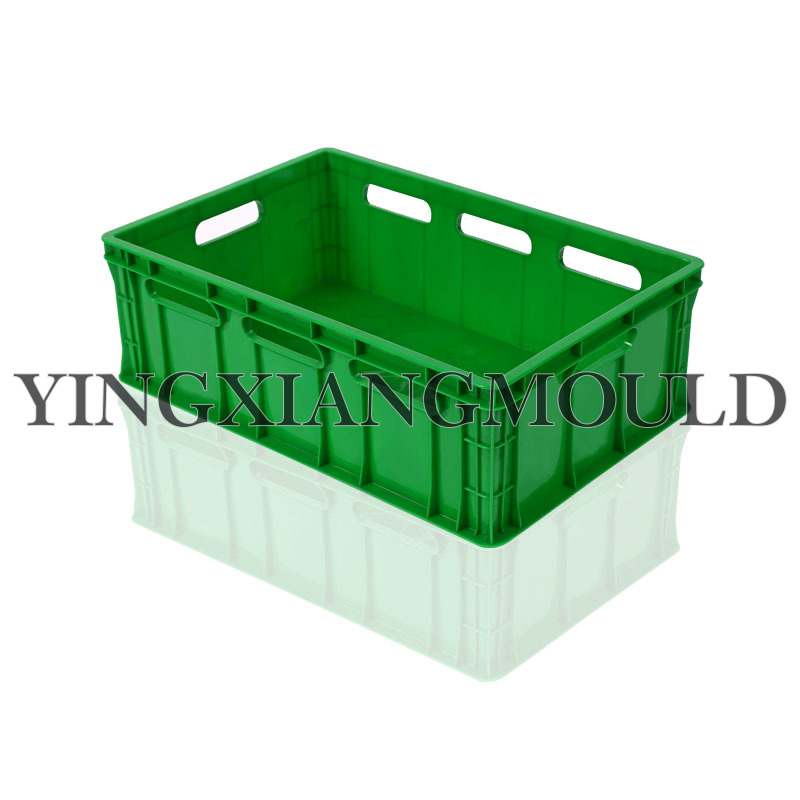
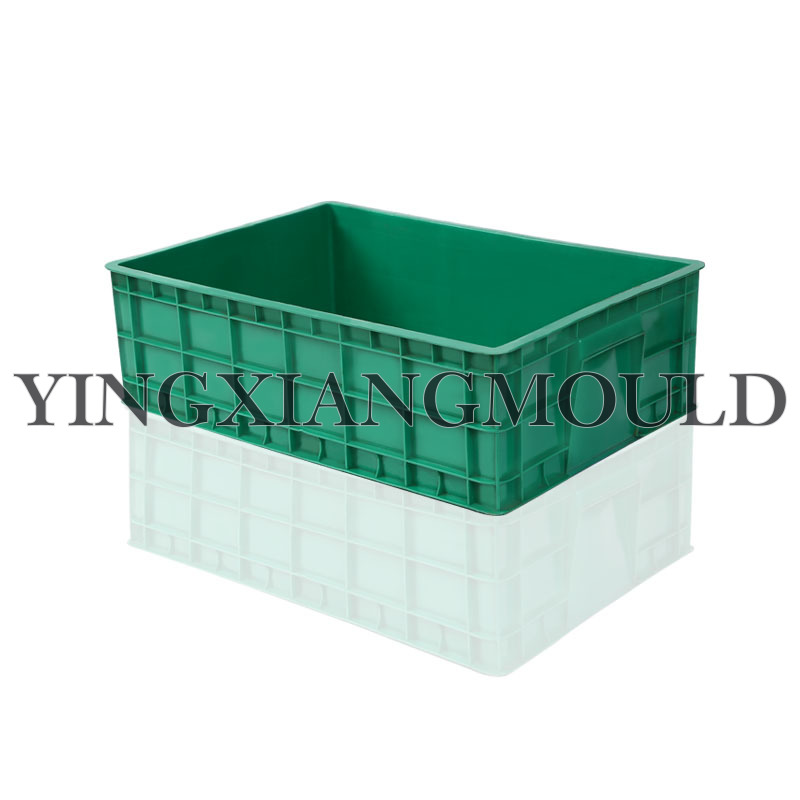
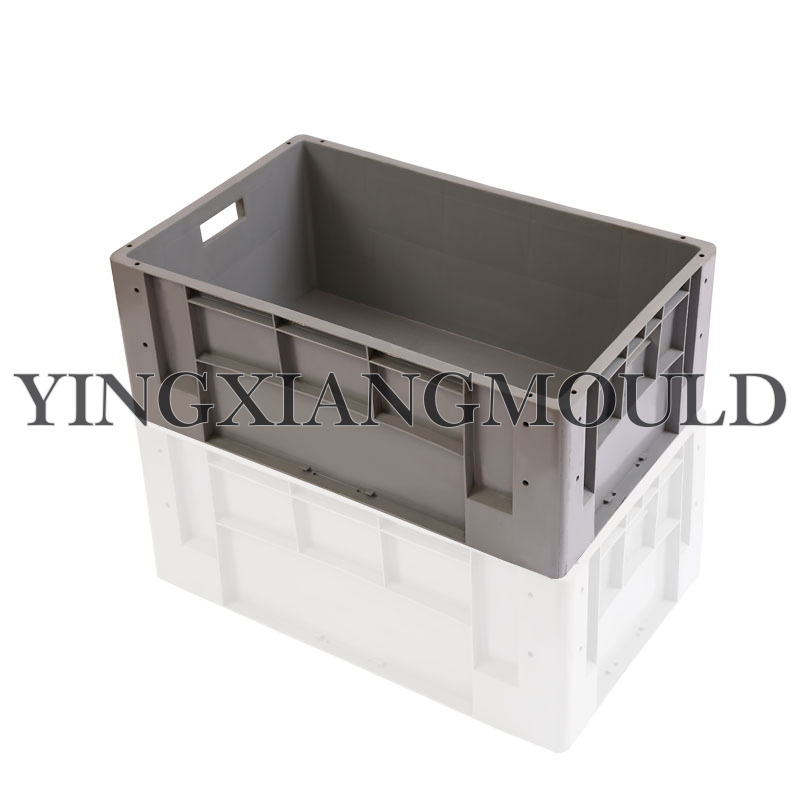
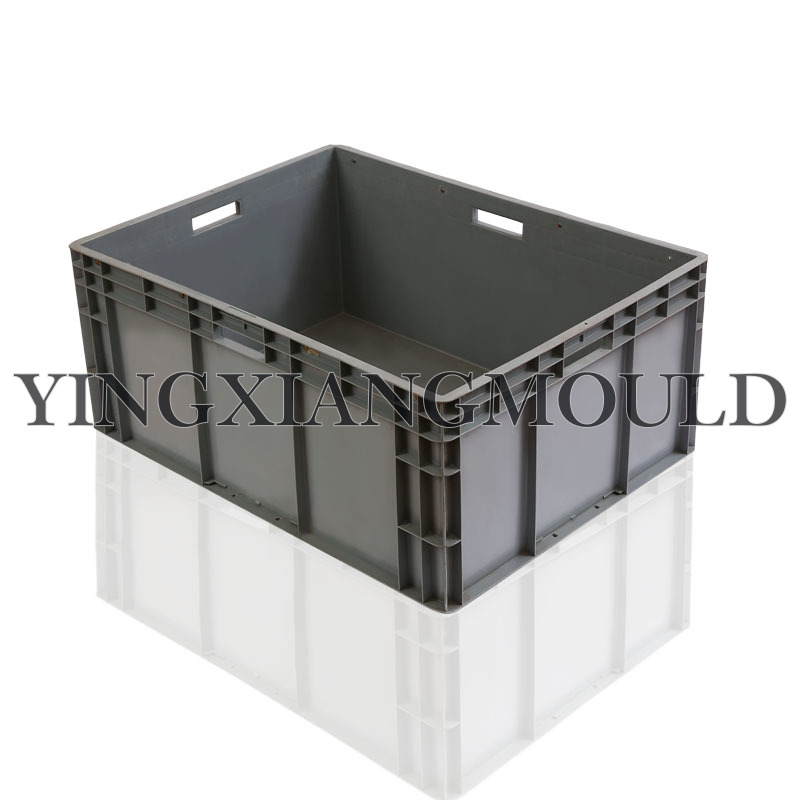
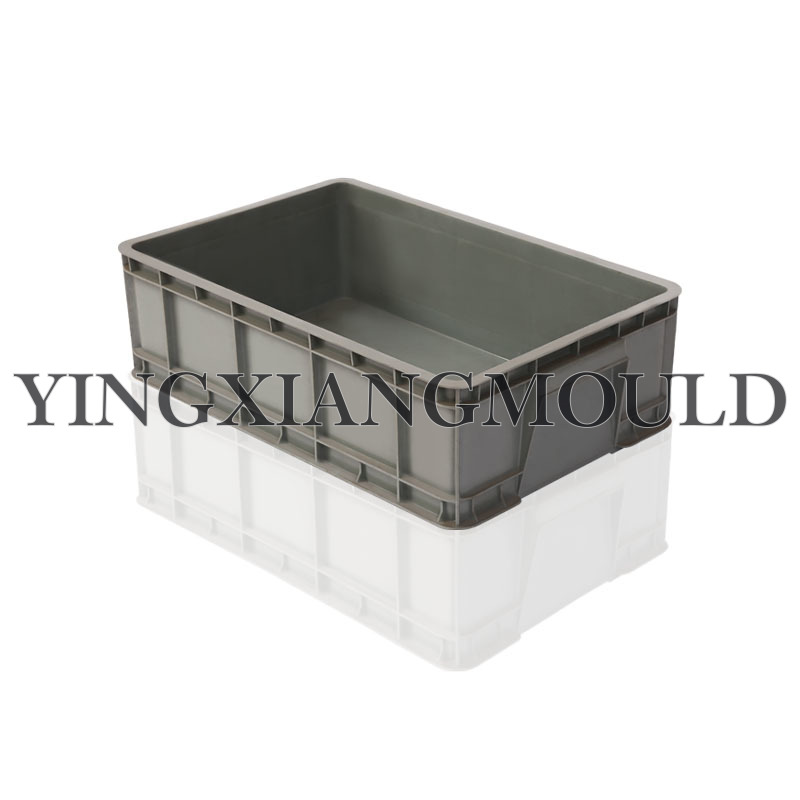
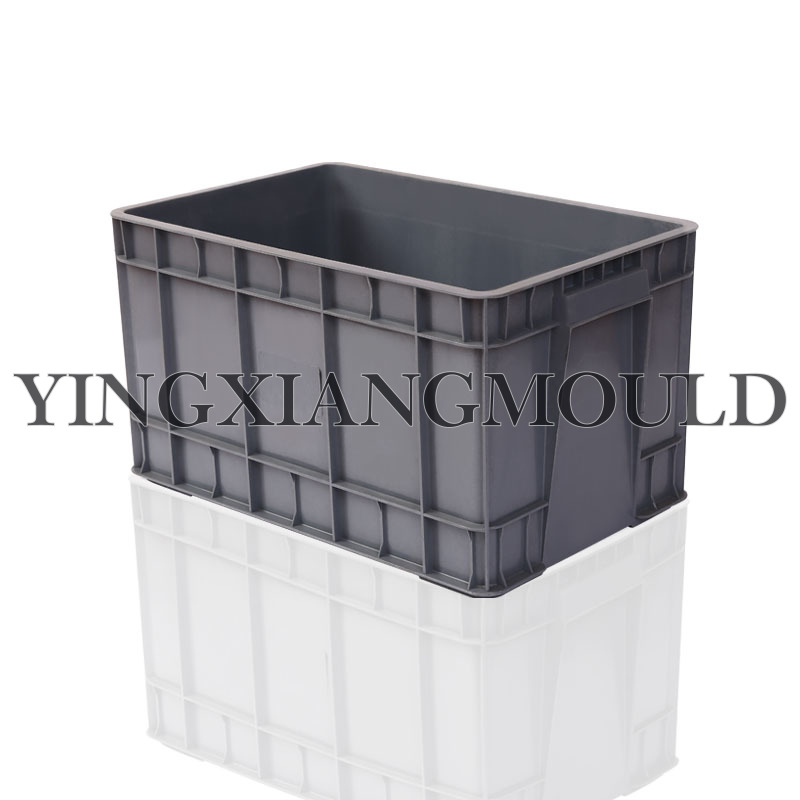
A container built to hold live fish, shrimp, or shellfish faces demands that a general storage box rarely has to deal with. Water needs to move through it constantly, the animals inside need enough oxygen to survive short-term holding, and the surface has to withstand repeated washing and high-temperature sanitizing between uses. A Plastic Aquaculture Box Mould has to account for all of this at the design stage, since these requirements shape the tooling in ways that differ meaningfully from molds built for dry-goods storage or logistics crates.
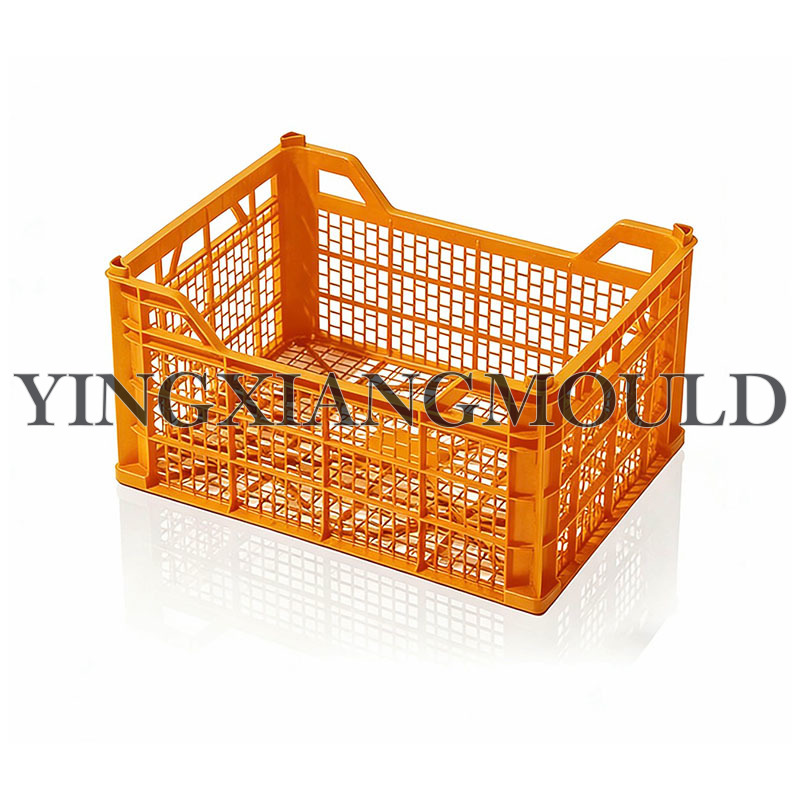
The bottom of an aquaculture basket typically carries a dense pattern of drainage holes, and getting this pattern right involves more than simply adding perforations to let water escape. A Plastic Aquaculture Box Mould with drainage holes spaced too widely can leave standing water that depletes oxygen faster than the holding animals can tolerate, while holes placed without regard to structural support can weaken the basket floor under load. Mold designers working on a Plastic Aquaculture Box Mould typically balance hole density against the ribbing and reinforcement needed to keep the base rigid once the basket is loaded and stacked.
Baskets used for live aquatic products commonly feature large, rounded edges rather than the sharper corner profiles seen on general industrial containers. This design choice on a Plastic Aquaculture Box Mould makes scooping motion smoother when transferring fish or shellfish between containers, and it reduces the chance of injury to the animals during handling. A fish crate mould built around this rounded geometry needs corner tooling that differs from the more angular cavity work used on standard rectangular storage boxes, since the transition radius has to stay consistent across the full edge length rather than varying from corner to corner.
Aquaculture containers sit in direct, sustained contact with water and living organisms, which puts food-grade material selection ahead of general durability as a starting requirement. Food-grade HDPE box mould development typically prioritizes resin grades certified safe for contact with water and aquatic life, since a container material that leaches compounds into the water can affect the health of whatever it's holding. HDPE also offers good resistance to the repeated wetting and drying cycles a Plastic Aquaculture Box Mould product experiences, which matters for a container expected to hold up across years of daily use in a wet operating environment.
Aquaculture and seafood-handling operations commonly sanitize containers with high-temperature washing between uses, which places specific demands on both the material and the surface finish of the molded part. A smooth, corner-free interior surface supports this cleaning process by eliminating the crevices where residue or bacteria could otherwise accumulate. Mold polishing quality directly affects how well a Plastic Aquaculture Box Mould performs under this kind of repeated sanitizing, since a rougher cavity surface transfers texture to the molded part that becomes harder to clean thoroughly over time.
An aquaculture basket mould typically incorporates anti-slip features and reinforcing ribs at the base to keep loaded baskets stable when stacked on wet surfaces, since standard stacking guides designed for dry warehouse floors don't necessarily account for the reduced friction that comes with a consistently wet working environment. Handle design also tends toward thicker, extended grips compared to general storage baskets, reflecting how often these containers get lifted and moved during active harvesting or processing work rather than sitting in long-term storage.
TaiZhou HuangYan YingXiang Plastic Mould Co., Ltd. develops integral box molds across several application categories, with aquaculture and seafood-handling containers representing one specific branch built around the drainage, sanitation, and material requirements unique to holding live aquatic products. This differs from the broader industrial box and logistics crate molds the company also produces, where stacking strength and general durability take priority over the food-contact and drainage considerations that define the aquaculture category specifically. A seafood transport container mould built for this application reflects that distinction throughout its cavity design, gating layout, and the steel and surface treatment choices made during tooling development.
If you are interested in any of our products or services, please feel free to ask and we can talk about your ideas.
 QUICK LINKSMOBILE SITE
 FACTORY ADDRESS
 CONTACT INFORMATION


 English
 Español