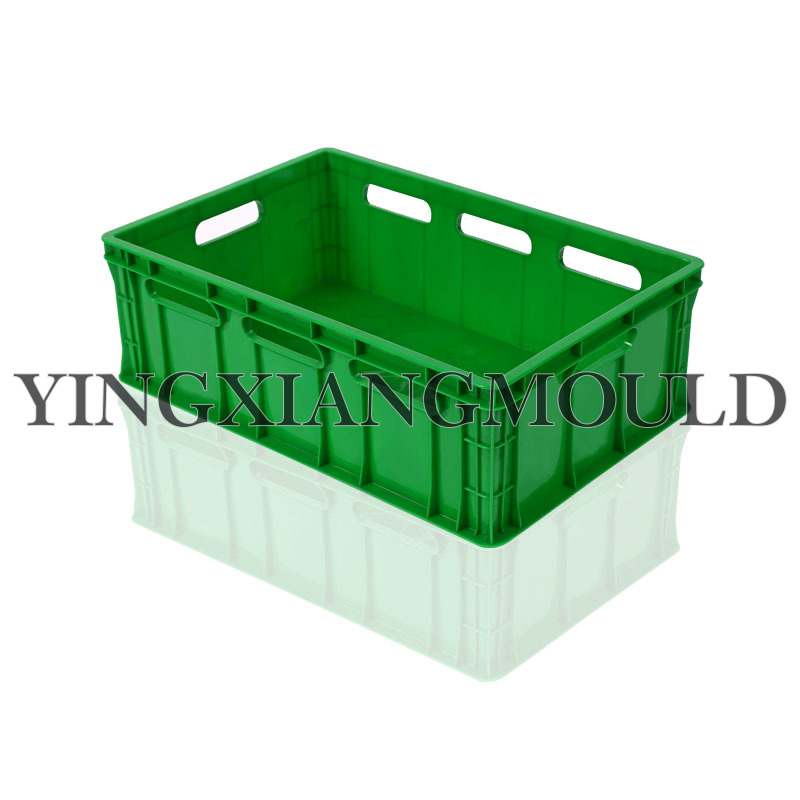
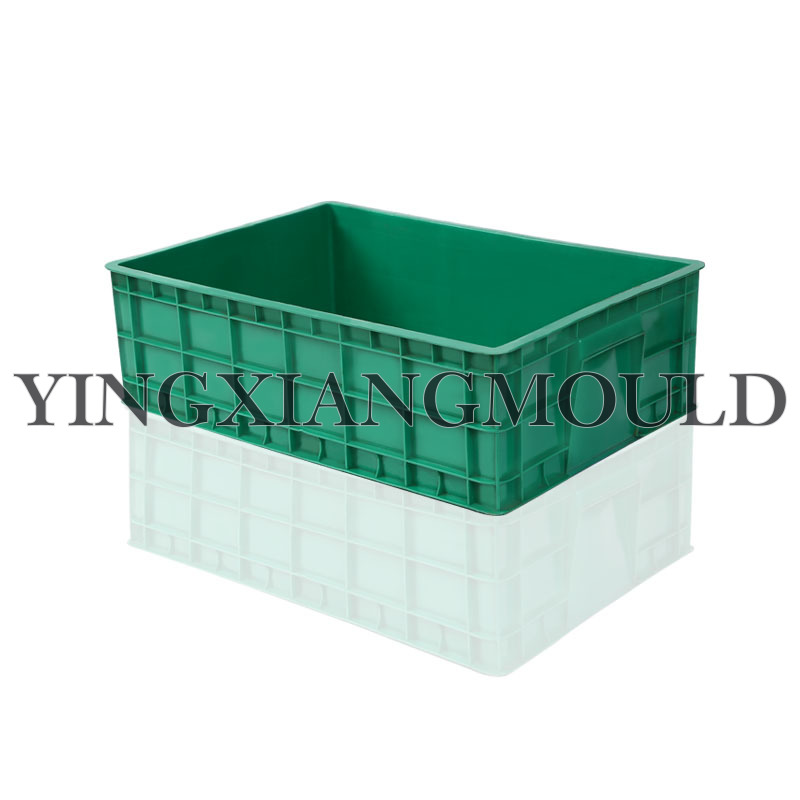
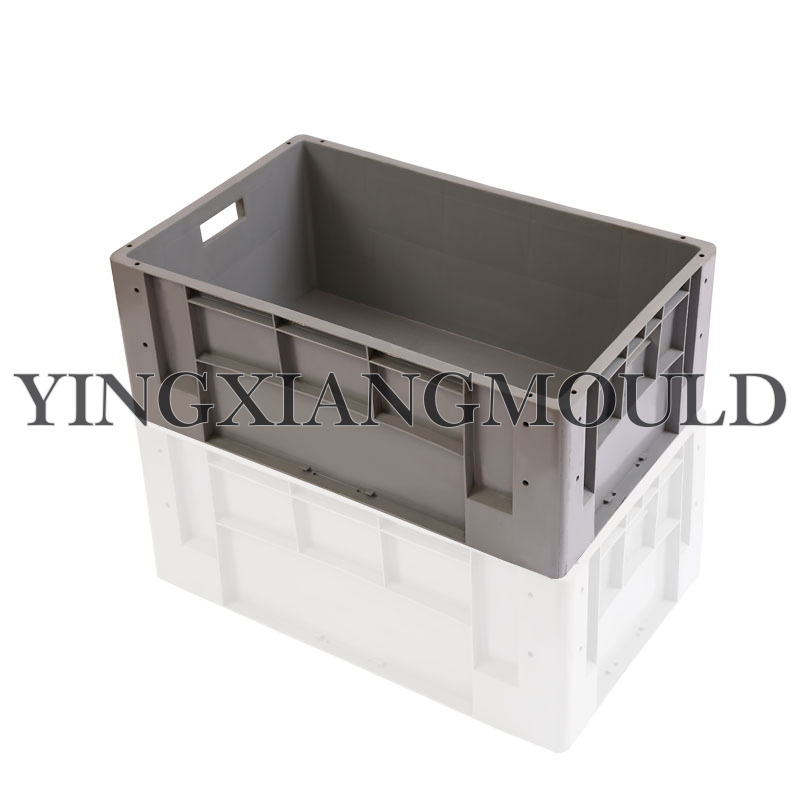
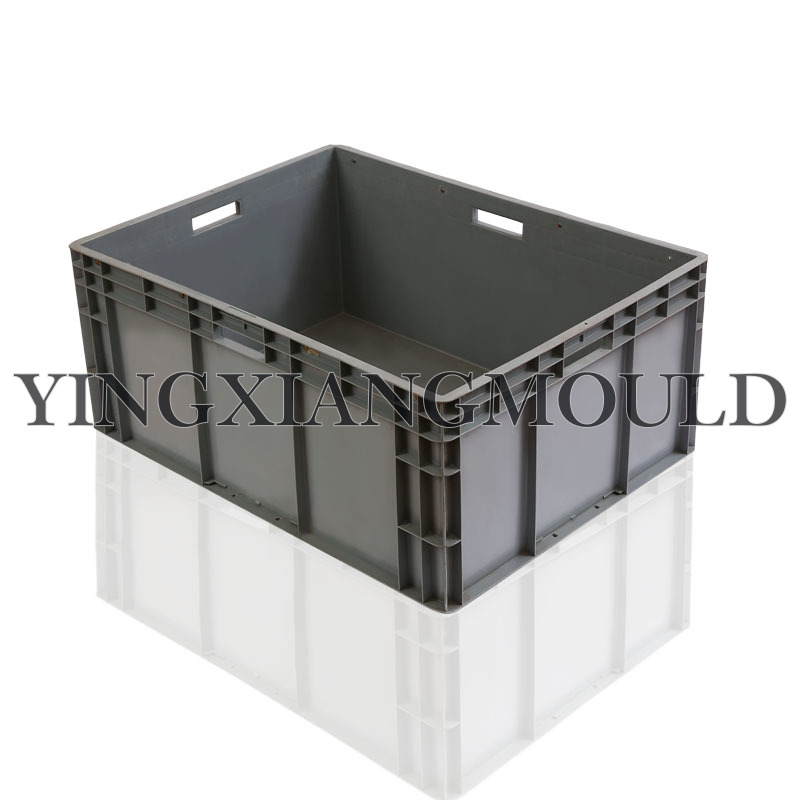
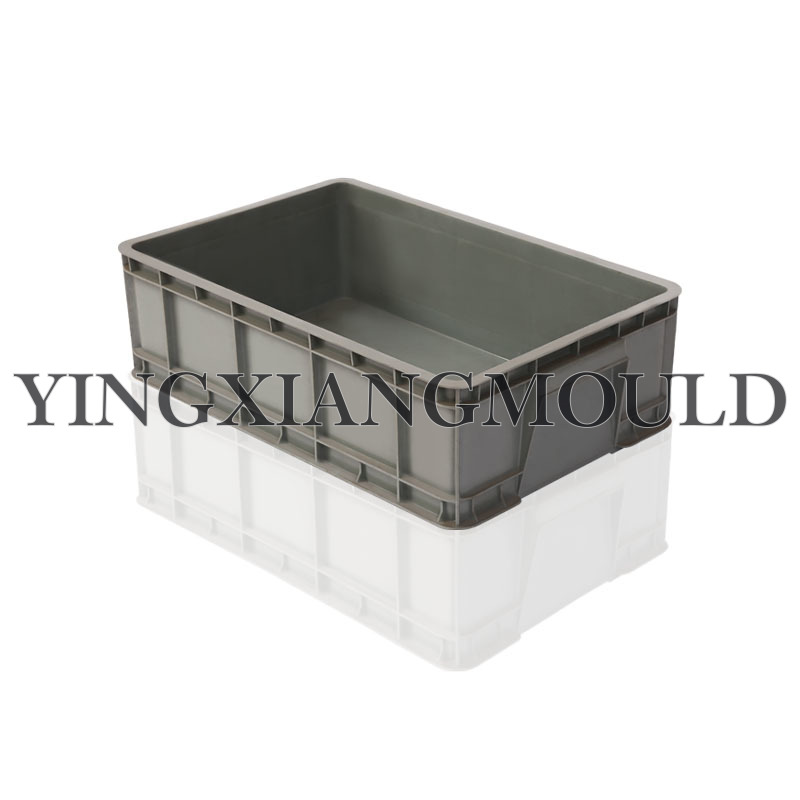
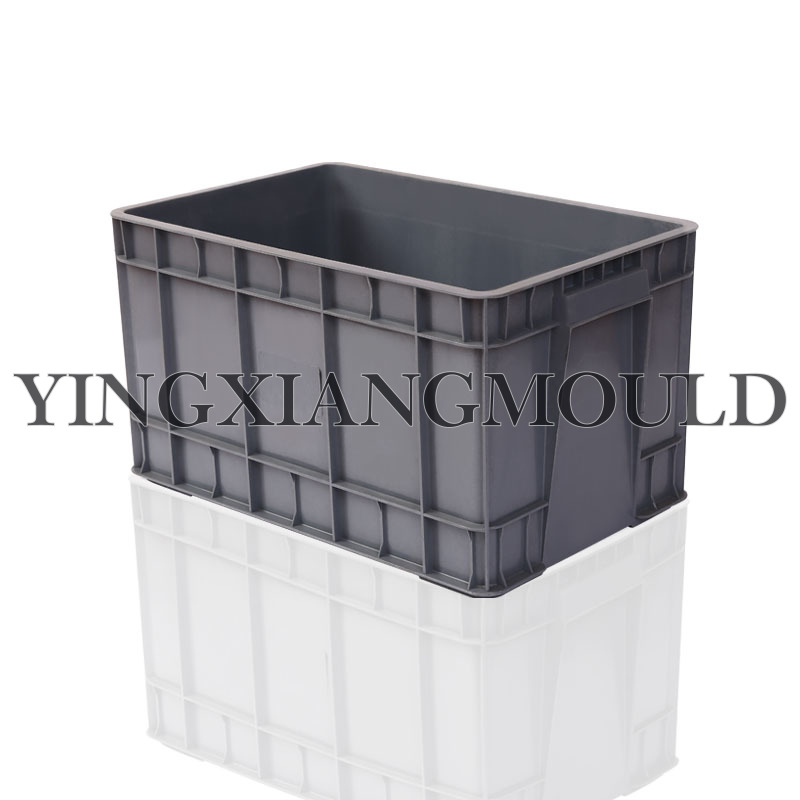
Resin selection for crate manufacturing carries more weight than many buyers realize, since a beverage box mould designed around one resin grade can produce noticeably different results if a shop switches material without adjusting processing parameters to match.
High-density polyethylene remains the dominant resin for beverage crate production, chosen primarily for its impact resistance and its ability to flex slightly under load without cracking, a property that matters considerably given how roughly crates get handled during loading and transport. A beverage box mould engineered around HDPE typically assumes a specific melt flow index range during cavity and gate design, since resin flow characteristics directly influence how evenly a multi-cavity crate mould fills across every cavity in a single shot.
Which HDPE grade variations affect mold performance most? Melt flow index differences between resin batches change fill speed and pressure requirements, and a shop switching between HDPE suppliers without adjusting injection parameters risks short shots or excessive flash, even when the mold itself has not changed at all. Consistent resin sourcing matters as much as mold quality for this reason, since even a well-maintained beverage box mould cannot compensate fully for resin inconsistency between supplier batches.
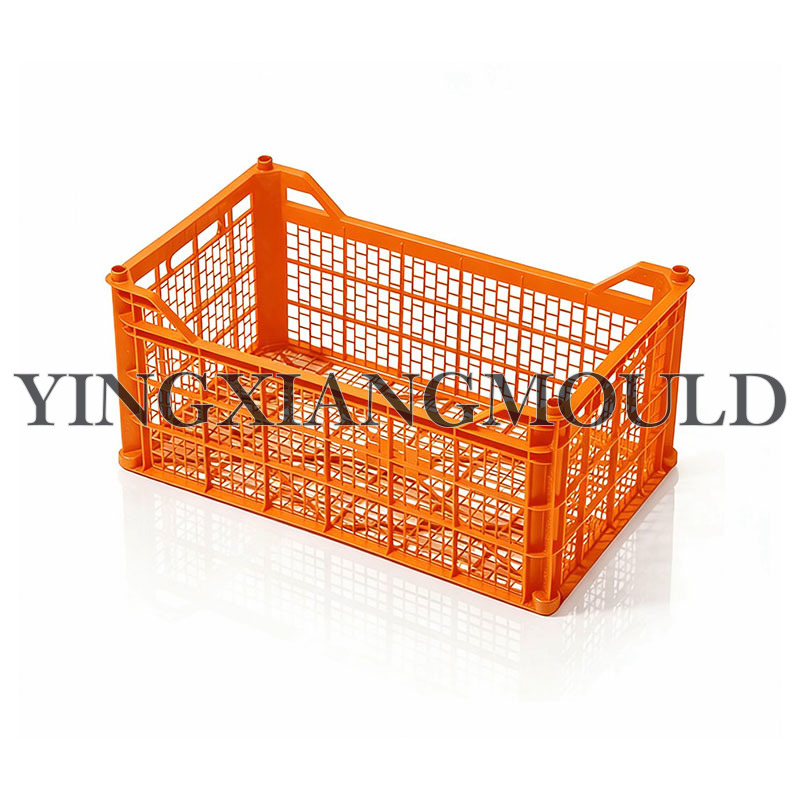
Recycled HDPE has become increasingly common in crate production, driven partly by sustainability requirements from beverage distributors and partly by cost considerations across the supply chain. Does recycled resin behave differently inside a beverage box mould compared to virgin material? Recycled content typically carries slightly more contamination and inconsistent melt flow than virgin resin, which pushes processing teams toward closer monitoring of injection pressure and cooling time to maintain consistent part quality across a production run using blended or fully recycled material.
Who typically decides how much recycled content a given production run can tolerate? Quality engineers usually set this threshold based on trial runs, testing crate impact resistance and dimensional consistency across varying recycled content percentages before committing a full production batch to a specific blend ratio. A crate mould running high recycled content sometimes needs slightly adjusted gate and vent specifications compared to the same tool running pure virgin resin, since recycled material can carry more entrapped moisture or contamination that affects fill behavior.
Polypropylene appears less frequently in standard beverage crates but shows up in specialized applications requiring higher temperature resistance, such as crates used in hot-fill bottling lines or facilities where crates cycle through washing processes involving elevated water temperature. Where does polypropylene's different shrinkage behavior affect beverage box mould design? Cavity dimensions calculated for HDPE shrinkage rates do not transfer directly to polypropylene, since the two resins shrink at noticeably different rates during cooling, meaning a mold built specifically for one resin family generally cannot switch to the other without dimensional accuracy suffering across the finished parts.
Color and UV stabilization additives blended into resin before molding introduce their own variables into crate production, particularly for crates destined for outdoor storage or transport where sun exposure over time causes fading. Do these additives change how resin flows through a beverage box mould cavity? Colorant and stabilizer packages can shift melt viscosity slightly compared to natural, unpigmented resin, and shops running colored crates through the same tooling used for natural resin sometimes need minor processing adjustments to maintain identical fill characteristics across both material types, ensuring that dimensional consistency holds regardless of which colored batch happens to be running through the mold on a given production day.
If you are interested in any of our products or services, please feel free to ask and we can talk about your ideas.
 QUICK LINKSMOBILE SITE
 FACTORY ADDRESS
 CONTACT INFORMATION


 English
 Español